

Note: This article contains affiliate links. If you click on these links and make a purchase, I may earn a small commission at no extra cost to you. This helps support my research and content. Read my full affiliate disclosure here.
A properly chosen pond liner makes the difference between a thriving wildlife pond and ongoing maintenance headaches. For wildlife-focused water features you need a liner that holds water reliably, resists damage from rocks and roots, and avoids chemicals that could harm amphibians, insects, and plants. This guide looks at seven shortlisted pond liners suited for wildlife ponds and explains the practical tradeoffs you should expect in a real garden or backyard habitat. We evaluated each liner on durability, puncture protection, and material safety so you can pick an option that supports long-term pond health. Read on for what matters in the field, including installation concerns and how liners behave around edges and planting zones.
Top Picks at a Glance
| Best Overall The best all-around choice for most situations | Firestone 45mil EPDM Rubber Pond Liner, 15 ft x 20 ft |  |
| Best Quality Built to a higher standard if you want something more solid | LifeGuard 15 ft x 15 ft 60-mil EPDM Pond Liner |  |
| Best Value The sweet spot between price and what you get | LifeGuard 45 Mil EPDM Pond Liner 20 ft x 20 ft with Underlayment |  |
| Best Budget The cheapest option that still gets the job done reliably | ToLanbbt HDPE Pond Liner 4 x 7 ft, 20 mil UV-Resistant |  |
| Highest Rated A top-rated pick with lots of positive feedback | LifeGuard 12 ft x 15 ft EPDM Pond Liner, 45-mil Rubber | |
| Most Popular A crowd favorite that many people choose with confidence | UWIOFF 20 mil HDPE Pond Liner, 10 x 13 ft |  |
| Best Seller A high-volume bestseller chosen again and again | ToLanbbt HDPE Pond Liner, 7 x 10 ft, 20 mil UV-Resistant |  |
Firestone 45mil EPDM Rubber Pond Liner, 15 ft x 20 ft

| Material | EPDM rubber |
|---|---|
| Thickness | 45 mil (0.045 inch) |
| Shape | Pre-cut sheet |
| Intended use | Pond liner for water gardens |
This Firestone 45 mil EPDM pond liner is a performance-focused, pre-cut rubber liner intended for medium to large backyard ponds and water features. Its 0.045-inch (45 mil) thickness gives noticeable puncture and weather resistance compared with thinner liners, and the flexible EPDM material makes it easy to form around irregular shapes and rockwork during installation. The liner arrives boxed and ready to unroll, which speeds setup for DIY installers or professionals. Because EPDM is fish-safe and chemically stable, it suits planted ponds and ornamental fish. The main practical limitations are that a pre-cut sheet requires careful measuring and overlap planning for very large or unusually shaped excavations, and heavier liners need two people to position without stretching. If you plan to anchor edges with rocks or a preformed underlayment, the liner performs well, but expect to add protective underlayment where the substrate is sharp. Overall it is a durable, low-maintenance choice when longevity and resilience are priorities.
Best for: Buyers who prioritize a long-lasting, resilient liner for planted or fish ponds and want a performance-oriented material that handles rockwork and irregular designs.
Less Ideal for: People planning very large commercial ponds or those who need a fully custom-shaped preformed liner should consider alternatives tailored to larger scales or exact shapes.
- 45 mil EPDM thickness for strong puncture and weather resistance
- Flexible material conforms to irregular pond shapes for easier installation
- Fish- and plant-safe EPDM chemistry suitable for biological ponds
- Pre-cut, boxed sheet simplifies purchasing and speeds setup
- Pre-cut dimensions limit use for ponds larger than the sheet without seams
- Heavier roll can require two people to position and smooth during install
Verdict: Choose this 45 mil EPDM liner when you want a durable, fish-safe pond liner that resists punctures and conforms to irregular backyard pond designs.
LifeGuard 15 ft x 15 ft 60-mil EPDM Pond Liner

| Material | EPDM Rubber |
|---|---|
| Thickness | 60-mil |
| Recommended uses | Ponds, waterfalls, streambeds, retention basins |
| Fish safe | Certified safe for fish and wildlife |
This 60-mil EPDM liner is built for demanding wildlife ponds where durability and aquatic safety matter. The thick EPDM rubber resists punctures, UV exposure, and weathering better than thin vinyl liners, so it maintains flexibility through seasonal temperature swings and is less likely to crack. Typical use is lining custom-shaped ponds, streambeds, or retention areas; the material conforms to shelves and contours, which helps when shaping habitats and planting marginal shelves for wildlife. The liner is marketed as safe for fish and other aquatic life and is heavy enough for professional installations such as koi or larger wildlife ponds. Installation still requires careful bedding, overlap at seams, and protection from sharp rocks or roots because the product is durable but not indestructible. The weight and thickness that give the liner its longevity also make handling and full-size placement more labor intensive for solo installers. For a wildlife-focused pond this liner prioritizes long-term performance and habitat safety over lightweight convenience.
Best for: Enthusiasts and installers building a durable, wildlife-friendly pond who prioritize longevity and aquatic safety over easy handling.
Less Ideal for: Casual gardeners planning a very small or temporary pond who prefer a lightweight, easy-to-handle liner or want a quick weekend install without help.
- Professional-grade 60-mil EPDM offers excellent puncture and UV resistance
- Remains flexible year-round without plasticizers, reducing risk of cracking
- Conforms to shelves and contours for custom pond shapes and marginal planting
- Certified safe for fish and wildlife
- Thick material is heavier and harder to maneuver during installation
- Requires proper bedding and protection from sharp objects to avoid punctures
Verdict: Choose this 60-mil EPDM liner when you need a long-lasting, wildlife-safe pond liner built for professional performance.
LifeGuard 45 Mil EPDM Pond Liner 20 ft x 20 ft with Underlayment

| Material | EPDM rubber |
|---|---|
| Thickness | 45 Mil |
| Underlayment | Geotextile underlayment included |
| Fish safe | Certified Fish & Wildlife Safe |
| Made in | USA |
The LifeGuard 45-mil EPDM pond liner with underlayment is designed as a long-lasting foundation for wildlife ponds, koi ponds, and water features. Made from EPDM rubber, it is flexible and pliable for shaping around planting shelves, bogs, and waterfalls, and the included geotextile underlayment provides padding beneath rocks and reduces puncture risk. Its formulation resists UV, ozone, freeze-thaw cycles, and many chemicals, which contributes to the maker's 25-year life expectancy and fish-safe certification. Typical installation uses the sizing formula provided to allow for depth and margins, and the liner accepts pipe and skimmer penetrations that can be sealed or seamed in the field. Practical benefits include easy shaping for irregular ponds, strong puncture and tear resistance compared with thin plastic liners, and suitability for exposed installations without immediate covering. Limitations are that EPDM requires proper bedding and careful handling during installation to avoid sharp-object damage, and seams or repairs require basic seam kits or professional seaming for the cleanest results. Buyers should plan the excavation and underlayment placement to get the longevity this material can deliver.
Best for: Gardeners building or upgrading a wildlife or ornamental pond who prioritize a durable, fish-safe liner that will last decades and are willing to prepare proper bedding and underlayment.
Less Ideal for: Someone looking for a quick temporary pond solution or a plug-and-play preformed pond; this product is best for custom excavated ponds rather than instant setups.
- 45-mil EPDM construction offers strong UV, ozone, and freeze-thaw resistance for long life
- Fish and wildlife safe certification suitable for habitat-focused ponds
- Flexible and highly pliable for shaping around shelves, waterfalls, and irregular contours
- Includes geotextile underlayment to protect the liner from rocks and improve puncture resistance
- Requires careful bedding and handling during installation to avoid punctures from sharp objects
- Seaming and complex penetrations may need seam kits or pro installation for leak-free results
Verdict: Choose this EPDM liner when you need a durable, fish-safe foundation that will reliably protect a custom wildlife pond for decades.
ToLanbbt HDPE Pond Liner 4 x 7 ft, 20 mil UV-Resistant

| Material | HDPE |
|---|---|
| Thickness | 20 Mil |
| Available size | 4 x 7 Feet |
This ToLanbbt HDPE pond liner is a straightforward, budget-friendly option for small wildlife ponds and water features. The 20 mil thick HDPE construction offers good tear and puncture resistance while remaining flexible enough to cut and shape around irregular edges and shelves. It is waterproof and blocks soil contamination, which helps keep water cleaner for plants and wildlife. The liner is lightweight, making it easy for one or two people to position and trim on-site, and the material is described as free of plasticizers so it is suitable for outdoor ponds long term. Important limitations are the thinness relative to heavy-duty EPDM liners and the need to clear sharp stones and add an underlayment or pebble layer to avoid punctures; it is best for modest wildlife ponds rather than large or heavily trafficked installations. For gardeners who want a no-frills liner to create or repair a small pond quickly, this product covers the basics without extra cost.
Best for: Gardeners creating or repairing a small wildlife pond who prioritize low cost and an easy-to-install liner that protects water quality and accommodates irregular shapes.
Less Ideal for: Those building large ponds, ponds with heavy foot traffic, or installations where maximum puncture resistance and long-term wear are the top priorities.
- 20 mil HDPE material provides good puncture and UV resistance for outdoor use
- Flexible and easy to cut for fitting irregular pond shapes and shelves
- Lightweight design simplifies handling and on-site installation
- Material is free of plasticizers, suitable for aquatic plants and wildlife
- Thinner than heavy-duty liners, so less suitable for large ponds or high-traffic areas
- Requires careful site preparation and an underlayment to prevent punctures
Verdict: A budget-friendly, easy-to-install 20 mil HDPE liner well suited to small wildlife ponds and simple water gardens.
LifeGuard 12 ft x 15 ft EPDM Pond Liner, 45-mil Rubber
| Thickness | 45-mil |
|---|---|
| Manufacturer | Anjon Manufacturing |
| Suitable applications | Ponds, waterfalls, streambeds, water gardens |
| Temperature range | +170°F to -40°F |
| Fish & wildlife safety | Certified by Guardian Systems, Inc. |
The LifeGuard 45-mil EPDM pond liner is a heavy-duty rubber membrane intended for ponds, water gardens, waterfalls, and similar outdoor water features. It lays flat and conforms to irregular shapes, making it suitable for planting shelves, skimmers, and pipe penetrations. Notable features include UV stability, a wide operating temperature range that keeps the material flexible in both heat and freezing conditions, and certification as fish and wildlife safe. In practice this liner is easy for a DIY installer or contractor to shape and secure around fittings, and it resists hardening because it contains no plasticizers. The 45-mil thickness balances flexibility with durability for long-lived installations, and the material is broadly compatible with common filtration and skimmer setups. Limitations are typical for single-sheet liners: puncture resistance depends on underlayment and site prep, and large seams or complex joins require careful welding or professional installation to ensure watertight performance.
Best for: Buyers who prioritize a dependable, fish-safe liner for a wildlife pond and want a material that stays flexible year after year during normal outdoor exposure.
Less Ideal for: Those building ponds in extremely abrasive or high-traffic sites without ability to add robust underlayment, or installers who need a stiffer, welded-panel solution for heavy mechanical protection.
- 45-mil EPDM provides long-term flexibility and UV resistance
- Certified fish and wildlife safe for ponds with aquatic life
- Conforms well to shelves, waterfalls, and pipe penetrations for versatile layouts
- Broad temperature tolerance keeps the liner pliable in hot and freezing conditions
- Puncture resistance is moderate so a proper underlayment is required to prevent damage
Verdict: Choose this 45-mil EPDM liner when you need a proven, fish-safe, UV-stable membrane that stays flexible and reliable for wildlife pond installations.
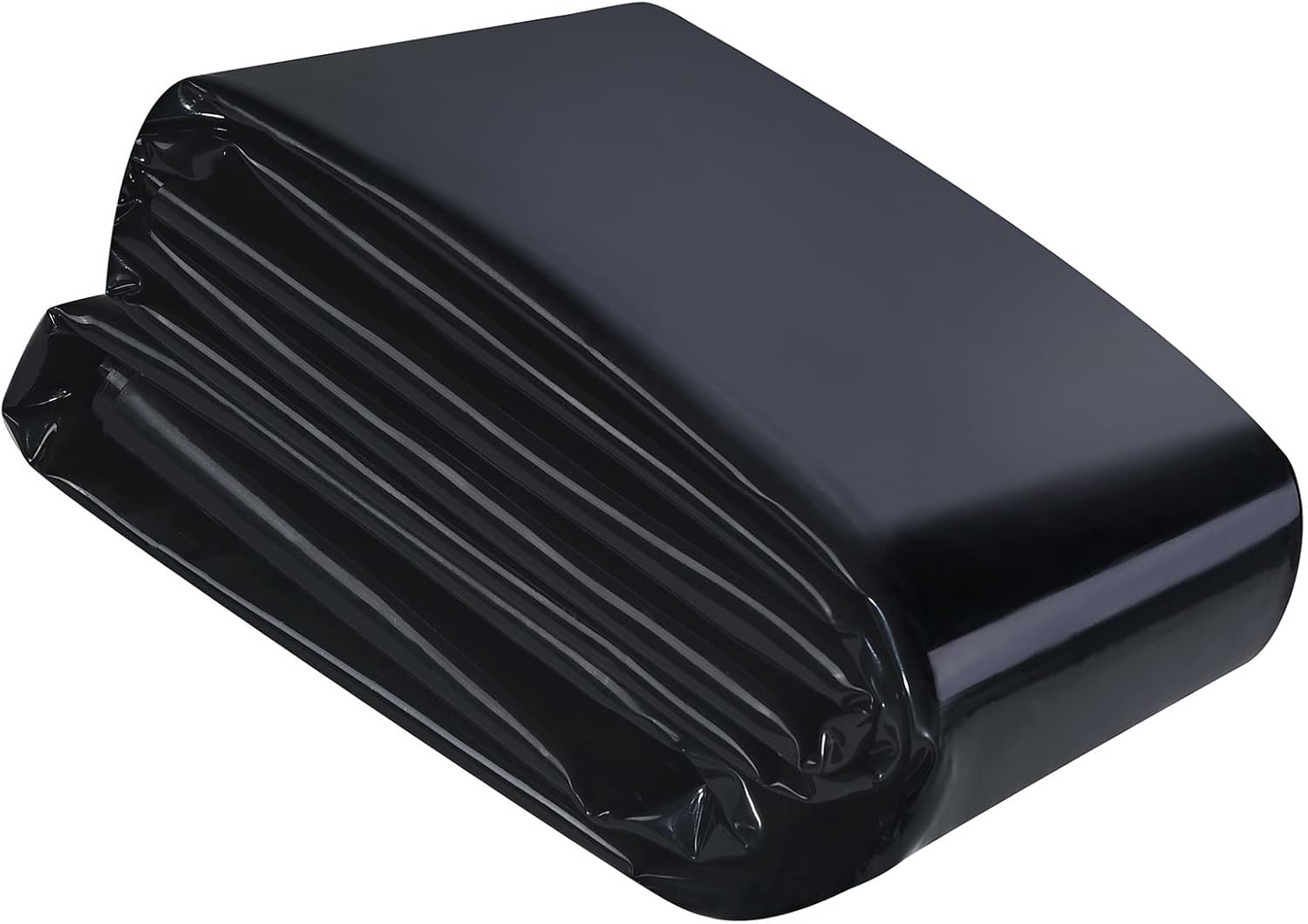
UWIOFF 20 mil HDPE Pond Liner, 10 x 13 ft
| Thickness | 20 Mil |
|---|---|
| Material | HDPE |
| Intended use | Outdoor ponds, waterfalls, water features |
| Safe for | Fish and plants |
This UWIOFF 20 mil HDPE pond liner is a heavy-duty, flexible sheet intended to form the watertight base of backyard ponds, waterfalls, or raised water features. Typical use is to cut the oversize sheet to shape, lay it over a prepared bed with underlayment, and secure the edges with stones or edging. The 20 mil thickness and HDPE material mean it resists UV exposure, punctures, and aging better than thinner LDPE sheets, so it suits installations with fish and aquatic plants. It provides a smooth, low-soil-accumulation surface that is easy to clean and helps keep groundwater and soil from contaminating the pond. The liner is available in multiple sizes so you can pick a panel close to your pond footprint or seam pieces together for larger ponds. Important limitations are that large installations require careful underlayment and seam work to avoid tears and leaks and that HDPE is less forgiving around sharp rocks or roots, so site prep matters for longevity.
Best for: Buyers who want a robust, longer-lasting pond liner and who will prepare the site properly or hire installation help for a reliable water feature.
Less Ideal for: If you need a ready-made rigid pond shell or plan quick installs over rough ground without prep, choose a molded pond or thicker professional installation instead.
- 20 mil HDPE construction offers stronger UV and puncture resistance than typical thin liners
- Smooth surface reduces soil accumulation and simplifies cleaning
- Available in multiple pre-cut sizes so you can choose a close fit or seam for larger ponds
- Suitable for fish and aquatic plants when installed with proper underlayment
- Requires careful ground preparation and underlayment to prevent punctures from rocks or roots
- Seaming multiple sheets for very large ponds adds complexity and needs proper technique
Verdict: Choose this 20 mil HDPE liner when you want a durable, UV- and puncture-resistant base for a backyard pond that will last with proper site preparation.
ToLanbbt HDPE Pond Liner, 7 x 10 ft, 20 mil UV-Resistant

| Size | 7 x 10 Feet |
|---|---|
| Material | HDPE |
| Thickness | 20 Mil |
| Manufacturer | ToLanbbt |
This ToLanbbt pond liner is a straightforward HDPE sheet sized for small ponds and water features. It is 20 mil thick, flexible enough to shape around corners and shelves, and the material is described as UV resistant and puncture tolerant so it can be used outdoors without added plasticizers. Typical use is to clean and flatten the excavation, lay the liner, trim to fit, and cover exposed edges with pebble or edging material; the manufacturer also recommends removing sharp stones or debris before installation. The liner’s thin, lightweight construction makes it easy to handle and cut to irregular shapes, and its waterproof, impermeable surface helps keep soil and contaminants out of the pond. Limitations are that 20 mil HDPE is not as durable as heavier EPDM or reinforced PVC liners for areas with heavy foot traffic or large koi and it offers less protection against sharp objects unless an underlayment is used. For a budget build or a small decorative pond, this liner provides a simple, usable solution but expect to add protections if you need longer-term durability.
Best for: Buyers who need an economical, easy-to-handle liner for a small decorative pond, fountain, or water garden and prioritize low cost and simple installation.
Less Ideal for: Gardeners planning large koi ponds, heavy foot traffic around the pond, or long-term, high-durability installations should consider thicker or reinforced liners instead.
- 20 mil HDPE material offers good flexibility for shaping around corners and shelves
- UV resistant and advertised as puncture tolerant for outdoor use
- Lightweight and easy to cut to fit irregular pond shapes
- Waterproof surface prevents soil and contaminants from seeping into the pond
- 20 mil thickness is thinner than heavy-duty EPDM liners and may wear faster in high-abrasion situations
- Requires careful site preparation or an underlayment to avoid punctures from sharp stones
Verdict: A budget-friendly, easy-to-cut 20 mil HDPE liner that works well for small decorative ponds and simple DIY water features.
Choosing the Right Pond Liner for Wildlife Pond: Key Factors to Consider
Puncture and Tear Resistance
A wildlife pond will encounter sharp stones, tree roots, and burrowing animals. A liner with strong puncture and tear resistance reduces the risk of slow leaks that are hard to detect and repair. Thicker membranes and those with reinforced textiles or laminated layers generally perform better under mechanical stress.
Consider how the liner will sit against the prepared substrate. A protective underlay or geotextile layer under the liner is often essential in areas with coarse gravel or exposed roots. Also think about abrasion from edge finishing and foot traffic during maintenance; stronger liners last longer in active garden settings.
Chemical Safety and Material Composition
Materials that shed plasticizers or other additives can harm sensitive pond life. Choose liners whose composition is known to be stable and free from toxic leachates. Naturalistic wildlife ponds benefit from inert materials that do not change water chemistry or bioaccumulate in invertebrates and amphibians.
If you plan on planting marginal vegetation or stocking with wildlife, verify that the liner material is compatible with planting pockets and will not be degraded by fertilizers or pond treatments you might use later. When in doubt, opt for membranes with clear manufacturing disclosures about additives and environmental testing.
Flexibility and Cold-Weather Performance
Ponds in climates with freezing winters need liners that remain pliable without cracking. Rigid or brittle membranes can split when the ground freezes and thaws. Flexible liners conform to uneven excavations and allow natural slopes, which are common in wildlife pond designs.
Assess the installation season and expected temperature swings. Some materials become stiffer at low temperatures, making installation harder and increasing the risk of damage during the first winter. Choosing a liner rated for your climate reduces long-term repair work.
Seam Strength and Join Options
Large ponds often require joining multiple sheets. Seams are potential weak points for leaks and chemical exposures. Liners that can be heat-welded or chemically bonded by experienced installers generally provide stronger, longer-lasting joins than taped seams.
If you plan a DIY installation, look for materials with straightforward, documented joining methods or consider ordering one-piece liners sized to your pond. Professional installation options and availability of compatible seam kits should factor into your decision for larger wildlife ponds.
Edge Finishing and UV Resistance
Exposed edges are vulnerable to sun damage and mechanical wear. UV-resistant materials and proper edge finishing extend liner life. For wildlife ponds with planted margins, the liner should allow neat burying behind rocks or soil without degrading under sunlight.
Think about how you will hide the liner at the rim while still providing access for amphibians and insects. Materials that resist UV breakdown and that tolerate reasonable surface abrasion reduce maintenance and keep the pond looking natural for longer.
Preparing the Site for a Wildlife-Safe Liner
Site preparation matters as much as liner selection. Remove sharp debris, level large stones, and massage out root protrusions before placing an underlay. A clean, well-prepared bed minimizes puncture risks and reduces the need for extensive repairs later.
Plan gentle slopes and shallow planting shelves into the excavation to support marginal plants and give amphibians easy access. Mark out where rocks and logs will sit so you can place protective underlay in those high-pressure spots before the liner goes down.
- Clear sticks, glass, and other sharp objects
- Add a sand or geotextile underlay in rocky areas
- Design gradual shelves for planting and wildlife access
Underlay Choices and Installation Tips
An underlay protects the liner from below and helps distribute localized pressure. Options include natural sand layers, felt-style geotextiles, and purpose-made protective mats. Felt underlays handle irregular ground well, while denser mats give better puncture resistance.
When installing, overlap underlay seams and avoid small wrinkles that sit beneath the liner. Place the liner on top and smooth it gently from the center outward to reduce folds. Keep extra liner at the edges to allow for settling and future trimming.
- Overlap underlay seams by at least a few inches
- Avoid thin single-sand layers over sharp substrates
- Keep liner hydrated during installation in hot sun to reduce stretching
Edge Treatments That Support Wildlife
How you finish the edge affects both liner longevity and habitat quality. Burying the liner behind a gravel band or under flat stones hides the material and protects it from UV exposure. Leaving shallow, planted margins helps amphibians and insects access the water safely.
Avoid heavy mechanical fasteners at the rim if you want natural edges. Instead, use flat stones, logs, and planted soil to hold the liner in place while creating microhabitats for wildlife.
- Bury edges under gravel or soil to block UV
- Anchor with flat stones rather than sharp stakes
- Create gradual entry points with planted shelves
Managing Water Chemistry Without Harmful Additives
Wildlife ponds benefit from minimal chemical intervention. A suitable liner reduces leaching of unwanted compounds into the water, but you should also avoid frequent chemical treatments. Use natural methods like marginal planting, aeration, and shade to keep water balanced.
If you need to adjust water quality, use products labeled safe for ponds with plants and wildlife, and introduce them sparingly. Regular partial water exchanges with dechlorinated water and adding compost filtration zones can help maintain a healthy ecosystem.
- Favor plant-based filtration over chemical treatments
- Monitor pH and oxygen rather than dosing routinely
- Use dechlorinated refill water to protect amphibians
Repairing Small Tears and Monitoring Long-Term
Small punctures are common and repairable with compatible patch kits or welded patches for the same material. Keep a patch kit on hand and learn simple repair steps before you need them so you can stop water loss quickly.
Regular inspections in spring and after storms catch problems before they grow. Check edges for erosion and move decorative rocks if they shift and expose the liner to pressure points.
- Learn manufacturer-approved patching methods
- Inspect after freeze-thaw cycles and heavy rains
- Keep a few square feet of spare liner for emergency repairs
How We Chose the Best Pond Liner for Wildlife Pond
We focused on qualities that directly affect pond longevity and wildlife safety. Key evaluation criteria included puncture and tear resistance to withstand rocks, roots, and frost; material safety to ensure no harmful leachates affect amphibians, invertebrates, or aquatic plants; flexibility and cold-weather performance so liners conform to irregular excavations and stay pliable in seasonal temperature swings; seam strength and ease of joining for installations that need larger coverage without weak points; and installation support such as available underlay recommendations and edge finishing options that reduce future damage. We excluded products intended only for decorative or temporary use and membranes with unclear composition or unknown testing for aquatic safety. We also filtered out liners that require heavy mechanical fastening that would be inappropriate for soft natural edges used in wildlife ponds. The result is a shortlist of durable, wildlife-conscious liners that match the practical needs of backyard habitat builders and maintainers.
FAQ
What liner thickness is right for a wildlife pond?
Thickness depends on site conditions. Thicker liners offer more puncture resistance in rocky or root-filled soils, while thinner, flexible liners can be fine on well-prepared, soft beds. Balance puncture risk with flexibility for planting shelves and edges.
Can wildlife safely use ponds with synthetic liners?
Yes, many synthetic liners are inert once cured and do not harm aquatic life. Choose materials with documented stability and avoid liners with unknown additives. Proper installation and avoiding chemical treatments are also important for wildlife safety.
Do I need a professional to install a large wildlife pond liner?
Large or complex ponds that require seams often benefit from professional installation to achieve strong welds and watertight joins. Smaller ponds or single-sheet installs can be DIY if you follow preparation and joining guidance.
How do I hide the liner while keeping habitat value?
Bury the rim behind soil or gravel and use flat stones or logs over the liner to create natural-looking edges. Leave shallow planted shelves and access points for amphibians to enter and exit the pond easily.
What maintenance should I plan for a wildlife pond liner?
Plan seasonal inspections, especially after freezes and storms, and keep a patch kit available. Manage vegetation and avoid heavy foot traffic near the rim. Expect periodic edge adjustments as settling and erosion occur.
Final Verdict
Selecting a pond liner for a wildlife pond means balancing durability with material safety and installation practicality. Prioritize puncture resistance and a liner composition known to be inert, and plan for underlay protection and edge finishing that preserve habitat access. The right choice depends on your site conditions and how hands-on you plan to be with maintenance. Focus on long-term resistance to mechanical damage, clear joining methods for larger ponds, and UV-resistant edge strategies to keep your wildlife pond healthy for years.
