

Note: This article contains affiliate links. If you click on these links and make a purchase, I may earn a small commission at no extra cost to you. This helps support my research and content. Read my full affiliate disclosure here.
Choosing the right soil for container trees makes the difference between a stable, vigorous specimen and one that struggles with poor drainage, root rot, or nutrient stress. In pots, soil must provide structure, consistent moisture, and accessible nutrients while remaining light enough for roots to expand. This guide collects the top shortlisted mixes for potted trees, each selected for common container limitations like limited volume and irregular watering. Below we summarize how the picks perform on water handling, nutrient delivery, and root environment so you can match a mix to your container size, tree species, and watering routine.
Top Picks at a Glance
| Best Overall The best all-around choice for most situations | Miracle-Gro Potting Mix, 16 qt. (2-Pack) |  |
| Best Quality Built to a higher standard if you want something more solid | FoxFarm Ocean Forest Potting Soil, 12 Quart |  |
| Best Budget The cheapest option that still gets the job done reliably | Doter Citrus Tree Potting Soil Mix (1 qt) |  |
| Highest Rated A top-rated pick with lots of positive feedback | E.B. Stone Organics Citrus & Palm Mix Potting Soil, 1.5 cu ft |  |
| Most Popular A crowd favorite that many people choose with confidence | Miracle-Gro Indoor Potting Mix for All Plants, 6 qt., 2-Pack |  |
| Best Seller A high-volume bestseller chosen again and again | Back to the Roots Organic Indoor Potting Mix, 6 Quart |  |
Miracle-Gro Potting Mix, 16 qt. (2-Pack)

| Feeds Plants | Up to 6 months |
|---|---|
| Volume | 16 quarts |
| Number of Packs | 2 |
| Intended Use | Outdoor containers |
| Ingredients | Sphagnum Peat Moss, Peat, Perlite, Compost, Fertilizer |
Miracle-Gro Potting Mix is a general-purpose container soil designed for outdoor pots, planters, and hanging baskets. It combines peat-based media, perlite, compost, and built-in fertilizer so you can pot vegetables, herbs, annuals, perennials, and shrubs without blending amendments. Typical use is straightforward: fill a pot about one third, set the plant at nursery depth, top off, and water until excess drains. Notable features are fast drainage to prevent root rot, an all-purpose nutrient charge that feeds plants for up to six months, and a texture that helps roots establish quickly. In practice this means less upfront prep and fewer immediate feedings compared with plain soil, and it is handy for seasonal repotting and new container plantings. Important limitations are that it is formulated for containers only (not in-ground beds) and the nutrient boost will diminish after the stated feeding period so you will need to supplement or repot for long-term specimens. Also peat-based mixes can compress over time and require refreshing each season.
Best for: Gardeners who want a low-effort, dependable potting soil for seasonal container planting and quick repots, especially those optimizing time and results across many pots.
Less Ideal for: Those wanting a soil to amend in raised beds or long-term in-ground planting should choose a garden soil formulated for in-ground use instead.
- Ready-to-use mix with built-in fertilizer that feeds up to six months
- Formulated for fast drainage to reduce risk of overwatering and root rot in containers
- Versatile for a wide range of outdoor container plants including vegetables, herbs, and flowers
- Not intended for in-ground garden beds
- Fertilizer effect is temporary and requires refeeding or repotting after about six months
Verdict: A convenient, fast-draining potting mix that simplifies container planting while providing up to six months of built-in nutrition.
FoxFarm Ocean Forest Potting Soil, 12 Quart

| Item Form | Granules |
|---|---|
| Specific Uses For Product | Dry Fertilizer |
| Coverage | 4.8 sq ft |
| Mixing Ratio | 1:1 |
FoxFarm Ocean Forest is a pre-mixed potting soil that combines aged forest products, sandy loam and sphagnum peat moss with organic amendments like fish meal, crab meal and earthworm castings. It is sold ready to use straight from the bag for planting in containers, seed starting or top dressing; the manufacturer recommends no additional nitrogen fertilizer for the first 30 days. The mix has a light, aerated texture that promotes drainage while still retaining moisture, and the built-in micronutrients make it practical for growers who want strong early growth without immediate feeding. Practical benefits include easy pot filling, good root zone aeration for roses in containers, and built-in organic fertility to support blooms. Limitations to consider are that the bag is best for containers or small beds only and heavier feeders may need supplemental feeding after the initial month; users should also follow handling precautions to avoid skin or eye irritation.
Best for: Gardeners who want a high-quality, nutrient-rich potting medium to get container roses or plant starts off to a strong, flowering start and prefer a ready-made organic blend.
Less Ideal for: Large in-ground rose beds or landscapers needing bulk soil amendments should look for bulk garden soil or custom rose mixes instead.
- Ready-to-use out of the bag so you can pot immediately
- Organic amendments (fish meal, crab meal, earthworm castings) supply early nutrients
- Light, aerated texture that supports drainage and root development
- pH adjusted for optimal nutrient uptake per product description
- Pack size (12 qt) covers a small area and may require multiple bags for several roses
- No long-term feeding provided after the first 30 days so additional fertilizer is needed for sustained heavy bloom
Verdict: Choose this soil if you want a ready-made, organically amended potting mix that jump-starts container roses and seedlings with good drainage and early fertility.
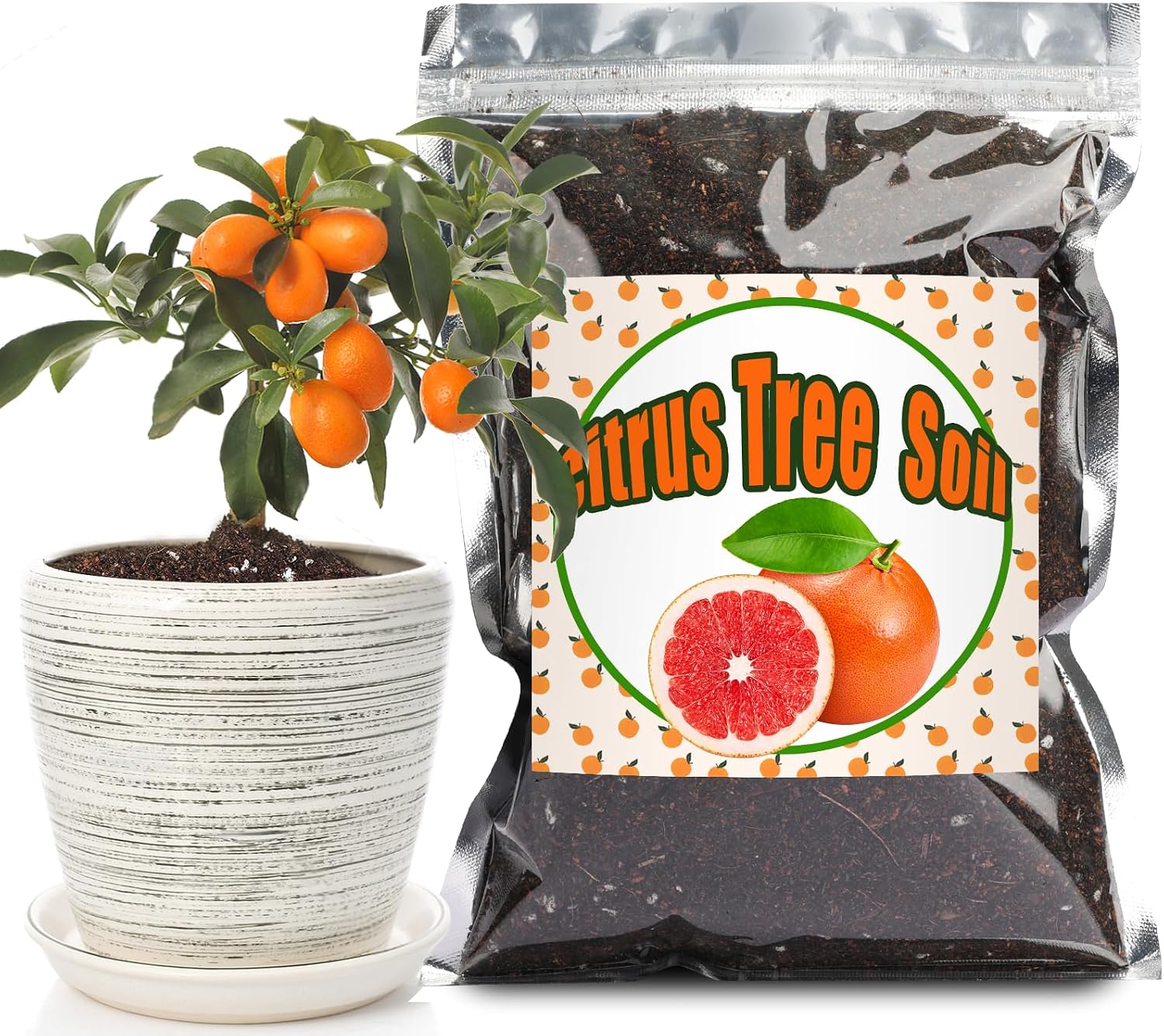
Doter Citrus Tree Potting Soil Mix (1 qt)
| Brand Name | Doter |
|---|---|
| Item Type Name | Garden soil |
| Volume | 1 quarts |
| Item Weight | 224 g |
This Doter citrus potting mix is a small, 1-quart, ready-to-use soil blend designed for container-grown lemon, lime, orange and other citrus trees. It mixes organic and mineral components to deliver a balanced nutrient profile and claims an ideal pH between 6.0 and 7.1, which helps citrus roots access nutrients. The formulation emphasizes drainage and aeration so pots do not stay waterlogged, and the bagged format makes it convenient for repotting seedlings or refreshing the top layer in containers. For budget-conscious gardeners the single-quart size is useful for small projects, trial runs, or blending into larger mixes, but you will likely need multiple bags for a single mature container tree. The product works best as a component or short-term potting medium rather than a sole long-term planting substrate for large trees. Expect good seedling establishment and faster drainage compared with generic garden soil, but plan to supplement with larger volumes or slow-release fertilizer for sustained feeding on mature citrus.
Best for: Gardeners looking for an inexpensive, small-batch citrus-specific soil to repot seedlings, top-dress containers, or trial a citrus blend before committing to larger quantities.
Less Ideal for: Growers with mature potted citrus or those who need large volumes for in-ground planting should choose bulk soils or custom mixes instead.
- Formulated pH between 6.0 and 7.1, suitable for citrus nutrient uptake
- Designed for improved drainage and aeration to reduce root rot risk
- Nutrient-rich blend of organic and mineral components to support growth
- Ready-to-use bag convenient for repotting seedlings and small containers
- Small 1-quart volume means multiple bags are required for larger pots or trees
- Not marketed as a long-term complete potting substrate for mature trees
Verdict: A convenient, budget-friendly small bag of citrus-specific potting mix ideal for repotting seedlings and topping up container citrus plants.
E.B. Stone Organics Citrus & Palm Mix Potting Soil, 1.5 cu ft

| Brand Name | E.B. Stone Organics |
|---|---|
| Unit Count | 1536 Ounce |
| Volume | 1.5 cubic feet |
| Style Name | Potting Soil |
E.B. Stone Organics Citrus & Palm Mix is a ready-to-use organic soil blend designed for container and in-ground planting of citrus, palms, avocados and tropical foliage. The mix pairs aged fir bark and pumice to keep the root zone well aerated and fast-draining so plants that dislike soggy feet avoid root rot, while added mycorrhizae improve nutrient and water uptake. It is intended to be used straight from the bag for potting or worked into beds when planting, which simplifies planting and repotting tasks. For gardeners seeking reliability, this blend delivers consistent structure and moisture retention without heavy amendments, and the organic base supports longer-term soil biology. Limitations are the single bag volume of 1.5 cubic feet, which means larger projects will require multiple bags and mixing on site, and it does not list N-P-K numbers or slow-release fertilizer content so supplemental feeding may be needed for heavy-feeding specimens.
Best for: Gardeners who prioritize reliable, low-maintenance potting media for citrus and tropical plants and want a ready-made organic blend that supports healthy roots.
Less Ideal for: People who need large volumes for landscaping projects or who prefer a potting mix with specified fertilizer content and tailored nutrient ratios.
- Formulated specifically for citrus, palms and tropicals to match their root needs.
- Aged fir bark and pumice provide good drainage and aeration to reduce risk of root rot.
- Contains beneficial mycorrhizae to enhance root nutrient and water uptake.
- Ready-to-use bag simplifies repotting or planting without on-site blending.
- Single bag is only 1.5 cubic feet so multiple bags are required for larger trees or beds.
- No detailed fertilizer analysis provided so additional feeding may be necessary for heavy feeders.
Verdict: Choose this mix when you want a consistent, ready-to-use organic soil that promotes healthy, well-aerated roots for citrus and tropical plants.
Miracle-Gro Indoor Potting Mix for All Plants, 6 qt., 2-Pack

| Number of Packs | 2 |
|---|---|
| Unit Count | 400.58 Ounce |
| Item Highlight | Feeds for up to 6 Months |
| Ingredients | Sphagnum Peat Moss, Coir, Perlite, Fertilizer, Wetting Agent |
This Miracle-Gro indoor potting mix is formulated as an all-purpose soil for indoor container plants and is sold in a two-pack of 6‑quart bags. It combines sphagnum peat moss, coconut coir, and perlite to create a lightweight, well-draining mix that holds moisture yet releases it to roots, which helps tropical houseplants like a Dragon Tree avoid waterlogged roots. The bagged mix includes a slow-release fertilizer meant to feed plants for up to six months so you do not need to amend immediately after potting. Notably the formula excludes bark and compost, which can reduce habitats for fungus gnats — useful when repotting indoor specimens. Use is straightforward: fill a pot with drainage, set the plant, backfill with mix, and water. Limitations are that the fertilizer schedule is fixed to the included feed and heavy feeders may need additional fertilizing after several months, and serious growers who want a custom cactus or orchid-style mix will find the texture too fine. For routine repotting of Dragon Trees and similar tropical houseplants this mix is convenient and consistent.
Best for: Buyers who want a reliable, low-effort potting mix for repotting tropical houseplants like Dragon Trees and prefer a product with built-in feeding and pest-reduction features.
Less Ideal for: Specialist growers who need custom texture blends for succulents, orchids, or aggressive feeders should choose purpose-formulated mixes or amend this product accordingly.
- Balanced blend of peat moss, coir, and perlite for good moisture retention and drainage
- Includes slow-release fertilizer that feeds up to six months for low-maintenance care
- Bark- and compost-free formula reduces places for fungus gnats to breed
- Ready-to-use bag makes repotting quick with no mixing required
- Fertilizer is fixed for about six months so additional feeding may be necessary for heavy feeders
- Texture may be too fine for plants that prefer very fast-draining or chunky mixes
Verdict: A convenient, low-maintenance indoor potting mix that keeps Dragon Trees healthy with good drainage and up to six months of built-in feeding.
Back to the Roots Organic Indoor Potting Mix, 6 Quart

| Unit Count | 192 Fluid Ounces |
|---|---|
| Item Type Name | Indoor Potting Mix 6qt |
| Item Highlight | Peat-free, 100% organic, made in the USA |
| Ingredients | Coconut Coir, Yucca, Mycorrhizae, Perlite, Horticultural Sand |
This Back to the Roots indoor potting mix is a ready-to-use, 6-quart blend designed for common houseplants such as pothos, monstera and ferns. It combines coconut coir, yucca extract, mycorrhizae, perlite and horticultural sand to improve moisture retention, drainage and root development without peat. In practice it feels light and friable, so it is easy to pot seedlings or repot mature plants and it reduces compaction that can suffocate roots. The added mycorrhizae helps young roots establish and take up nutrients more efficiently while yucca extract helps the mix hold water between waterings, which is convenient for forgetful or busy plant owners. Because it is peat-free and made in the USA, it is a more sustainable choice versus traditional peat-based mixes. Limitations are the small 6-quart size, which means frequent repurchasing for larger collections, and the bag does not include fertilizer so you will need to feed plants separately as they grow.
Best for: Buyers who prioritize low-risk, easy-care houseplant solutions and want an organic, ready-to-use potting mix that reduces watering hassles and supports healthy root growth.
Less Ideal for: Not ideal for gardeners who need large-volume soil for many pots or for those expecting a mix that includes built-in fertilizer for long-term feeding.
- Peat-free organic formula that reduces environmental impact
- Yucca extract improves moisture retention between waterings
- Contains mycorrhizae to support root development and nutrient uptake
- Light, well-draining texture suitable for repotting seedlings and houseplants
- Small 6-quart volume may require frequent repurchasing for larger plant collections
- Does not include fertilizer so additional feeding is necessary
Verdict: A compact, peat-free potting mix that simplifies indoor plant care by holding moisture and boosting root establishment.
Choosing the Right Potted Tree Soil: Key Factors to Consider
Drainage and Aeration
Good drainage prevents standing water around roots, which is one of the most common causes of decline in container trees. A mix that includes coarse components like bark, perlite, or pumice maintains pore space so oxygen can reach roots and excess water can move away.
Aeration affects root architecture and the activity of beneficial microbes. Overly fine, compacted soils will suffocate roots and promote root rot pathogens. When evaluating mixes, look for explicit mention of coarse aggregates and a consistency that feels crumbly rather than claylike.
Water Retention and Moisture Buffering
Containers dry faster than garden beds, so the soil must hold enough water to bridge intervals between waterings while still draining freely. Components such as coconut coir, composted bark, and certain organic matter types increase moisture-holding capacity without creating a perched water table.
Consider your local climate and watering schedule. In hot, windy locations, prioritize mixes with better moisture buffering. For very small pots, look for blends formulated to retain more moisture because small volumes lose water quickly.
Nutrient Content and Release Pattern
Trees in containers cannot forage for nutrients, so the soil should contain a balanced supply of organic matter and cation exchange capacity to hold nutrients between feedings. Some mixes include slow-release fertilizers or well-aged compost to provide steady nutrition.
Fast-releasing amendments give an early growth boost but can flush out quickly in frequent irrigation. Conversely, blends that rely only on inert substrates require more regular fertilization. Match the mix to how much ongoing feeding you plan to do.
Physical Structure and Weight
The ratio of coarse to fine materials affects both stability and handling. A heavier mix with mineral content like expanded shale or grit anchors larger specimens and resists tipping in wind. Lightweight mixes are easier to move but can dry faster and may need more frequent watering.
Think about the container material and placement. A balcony grower who occasionally needs to lift pots will prefer lighter blends, while a planted patio tree that stays put benefits from a denser, more stable mix.
Longevity and Resistance to Compaction
Soil in containers is subject to breakdown as organic pieces decompose and fine particles settle. A durable mix retains structure for multiple seasons so roots do not become suffocated by compaction.
Look for components known to resist rapid decomposition, such as aged bark, pumice, or expanded clay. Regular topdressing and periodic root inspection can extend the useful life of container soil.
pH, Microbial Support, and Salt Management
Most trees prefer a near-neutral pH, but some specimens have specific needs. The soil should not introduce extreme acidity or alkalinity and should permit adjustments through fertilization or amendments when necessary.
Good mixes support a healthy microbial community without excessive soluble salts. Avoid mixes that list high-salt fertilizers or uncomposted manure as primary components, because salts accumulate in containers. If you use a fertilizer program, monitor soluble salts and flush the pot periodically.
Matching Mix to Tree Size and Container Volume
Small and large container trees have different soil needs. Smaller pots benefit from mixes that hold more moisture and nutrients per volume because roots have less space to explore. Larger containers tolerate coarser, more mineral-rich mixes that provide stability and better long-term drainage.
When repotting, consider increasing coarse components proportionally to container size to avoid waterlogging in the root crown. Roots of larger trees also need a stable anchor, so adding more weight or structural materials can reduce tipping risk.
- Small pots: higher organic matter and moisture retention
- Medium pots: balanced mix of organics and coarse aggregate
- Large pots: more mineral content for stability and drainage
Adapting Soil to Local Climate
In hot, dry climates, prioritize moisture-holding components like coir and aged compost to reduce watering frequency. In cool, wet regions, increase coarse materials to prevent prolonged saturation.
Windy sites dry containers faster; place these pots in sheltered spots or use mixes with a greater moisture buffer. Consider mulching the surface to reduce evaporation while keeping the top layer free of materials that retain excess moisture and attract pests.
- Hot/dry: more organic moisture-holders
- Cool/wet: better drainage and coarser aggregates
- Windy locations: shelter or extra moisture buffering
Feeding and Fertilizer Strategy for Container Trees
Because container trees have limited soil, plan a feeding program matched to the mix. Blends with slow-release fertilizer reduce the need for frequent applications but still benefit from supplemental liquid feeding during active growth.
If you choose an inert-heavy mix, schedule regular feeding with a balanced fertilizer and monitor leaf color and growth. Flush containers occasionally to prevent salt buildup from fertilizers and irrigation water.
- Slow-release in-mix: good for low-maintenance setups
- Inert mixes: require routine liquid feeding
- Monitor and flush to manage salts
Repotting and When to Refresh Soil
Inspect roots annually for girdling or excessive matting. Most container trees benefit from a full or partial repot every 2 to 4 years depending on species, container size, and how quickly the mix decomposes.
If the soil is compacted, drains slowly, or shows poor growth response despite proper care, refresh the rootball. When repotting, avoid burying the trunk deeper and preserve as much healthy root mass as possible while replacing degraded mix.
- Check for root bound conditions each season
- Partial root pruning and topdressing can extend soil life
- Full repot when compaction or poor drainage persists
Surface Care and Mulching in Containers
A thin layer of mulch or decorative topdress reduces evaporation and stabilizes soil temperature. Use coarse bark or gravel rather than fine compost that can form a crust and impede water penetration.
Surface mulch also reduces splash and soil loss during watering. Replace or refresh the top layer when it decomposes to maintain appearance and function without altering the subsurface balance.
- Use coarse mulch to limit evaporation
- Avoid fine materials that crust and repel water
- Refresh topdress annually
How We Chose the Best Potted Tree Soil
We prioritized attributes that matter for trees grown in containers rather than in open ground. Key evaluation criteria included drainage and aeration to prevent waterlogging, water retention to buffer between irrigations, nutrient profile and release pattern suitable for slower-release feeding, physical structure and weight for root stability, and long-term stability so the mix does not compact excessively over a single growing season. We also checked pH neutrality and the presence of organic components that support microbial life without causing excessive nitrogen drawdown. Exclusions: we excluded mixes formulated exclusively for annuals, seed-starting, or indoor houseplants because those often lack the structure or nutrient balance container trees need. We also set aside proprietary blends without transparent component lists that prevent gardeners from assessing drainage and longevity. The final shortlist emphasizes readily describable components and predictable performance for outdoor and patio container trees.
FAQ
How often should I water a tree in a container?
It depends on pot size, mix, and weather. Small containers often need daily watering in hot weather while larger pots may need watering only every few days. Check moisture by feeling the top 2 to 3 inches of soil and water when it begins to dry but before the root zone becomes bone dry.
Can I use garden soil in a pot for trees?
Garden soil is usually too dense for containers and tends to compact, reducing aeration and drainage. If you mix in garden soil, combine it sparingly with coarse materials and organics to avoid a heavy, waterlogged medium.
Should I add slow-release fertilizer to the potting mix?
Slow-release fertilizers are useful for extending nutrient supply and reducing feeding frequency. They work well in mixes meant for seasonal stability, but you should still monitor growth and supplement with liquid feeds during active growth if needed.
How much drainage material should I add to the bottom of the pot?
Avoid creating a separate drainage layer of large stones, because it can create a perched water table. Instead, use a uniformly well-draining mix throughout the pot and ensure the container has adequate drainage holes.
When is the best time to repot a container tree?
Repot during the tree's dormant or early growth period to reduce stress. For many species that is late winter to early spring. Repotting in active growth can be done but usually requires careful aftercare to prevent transplant shock.
Final Verdict
Prioritize a mix that balances drainage with moisture retention and provides a steady nutrient-holding capacity. Match the physical structure and weight of the soil to your container size and location so the tree has both room to grow and anchor against wind. Focus on predictable components and a feeding plan that complements the mix. With the right soil choice and regular inspection, you can reduce common container problems and keep potted trees healthy for many seasons.
