

Note: This article contains affiliate links. If you click on these links and make a purchase, I may earn a small commission at no extra cost to you. This helps support my research and content. Read my full affiliate disclosure here.
If you want to extend the growing season, propagate plants, or give houseplants a stable microclimate, the right small indoor greenhouse makes a big difference. These compact units let you control light, humidity, and airflow in apartments, balconies, or small sunrooms where outdoor space is limited. We shortlisted seven top small indoor greenhouses that suit seedstarting, tropical houseplants, or busy winter windowsills. Below we evaluate each option on the features gardeners care about most so you can pick the best fit for your space and plants.
Top Picks at a Glance
| Best Quality Built to a higher standard if you want something more solid | Barrina LP600 5-Tier Indoor Greenhouse with 100W Full-Spectrum Grow Lights | 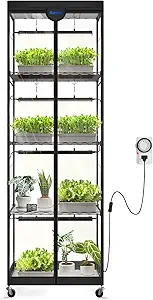 |
| Best Value The sweet spot between price and what you get | Meonum Mini Greenhouse with 15W Grow Light and Waterproof Mat |  |
| Best Budget The cheapest option that still gets the job done reliably | Nuanchu Mini Portable Greenhouse (single-piece) |  |
| Highest Rated A top-rated pick with lots of positive feedback | VELTRIS 3-Tier Mini Indoor Acrylic Greenhouse with Magnetic Door |  |
| Most Popular A crowd favorite that many people choose with confidence | Pure Garden 4-Tier Mini Greenhouse with PVC Cover and Wheels |  |
Barrina LP600 5-Tier Indoor Greenhouse with 100W Full-Spectrum Grow Lights

| Indoor Outdoor Usage | Indoor |
|---|---|
| Number of Doors | 1 |
| Number Of Vents | 4 |
| Cover Material | EVA |
| Frame Material | Aluminum |
The Barrina LP600 is a performance-focused indoor greenhouse designed to squeeze productive growing into a small footprint. It combines a 5-tier adjustable aluminum rack and transparent EVA cover with four 25W TX-S25 full-spectrum LED fixtures (100W total) that deliver high PPFD for efficient photosynthesis. Each light has its own on/off switch and the kit includes a mechanical timer and thermometer so you can automate light cycles and monitor conditions without add-on equipment. The roll-up zippered door, four vents and bottom cover help maintain a warm, tidy microclimate while making watering and cleanup easier. Built-in wheels and tool-less assembly let you reposition or set up the unit quickly. Limitations to expect are the compact shelf width and depth, which restrict pot size and plant spread, and the safety caution around exposed electrical parts during maintenance. For growers who prioritize reliable light output and controlled environmental staging in a small indoor space, this greenhouse delivers practical, high-performance features.
Best for: Serious small-space growers who want a turnkey, high-light indoor greenhouse to start seeds and grow compact ornamentals or edibles year-round with automated light control.
Less Ideal for: People who need wide shelving for large pots or sprawling plants or who prefer a fully hard-sided cabinet greenhouse for long-term heavy use.
- Integrated 100W full-spectrum LED lights with individual on/off switches for each tier
- Mechanical timer and thermometer included for straightforward light scheduling and monitoring
- Adjustable 5-tier shelving on an aluminum frame fits seedlings through mature small plants
- Transparent EVA cover with vents and bottom tray creates a warm, tidy microclimate
- Casters and tool-less assembly make the unit easy to move and set up
- Narrow shelf footprint limits pot diameter and horizontal plant spread
- Electrical components require unplugging before handling and careful assembly to avoid sharp edges
Verdict: If you need a compact, high-light indoor greenhouse that automates light cycles and maximizes photosynthesis for seedlings and small plants, this unit delivers performance in a small footprint.
Meonum Mini Greenhouse with 15W Grow Light and Waterproof Mat

| Light Source Wattage | 15 watts |
|---|---|
| Frame Material | Plastic |
| Inner Material | PVC |
This Meonum mini greenhouse is a tabletop-friendly grow tent designed to speed seed starting and protect small plants year-round. It combines a transparent PVC cover and plastic frame with a built-in 15W full-spectrum light strip that offers selectable brightness and a 3/6/12 hour timer so seedlings get consistent, stage-appropriate light without extra lamps. Setup is straightforward and the roll-up zipper door plus side vents make watering and airflow management easy, while the included waterproof bottom mat keeps floors and tabletops clean. The enclosure is best for seedlings, herbs, succulents and small vegetables rather than large plants, and its PVC shell provides useful protection from drafts, light rain and pests but is not a heavy-duty, permanent greenhouse. Expect a compact footprint that fits balconies, patios and indoor shelves but limits the number and size of pots you can use at once. For someone optimizing space and convenience, it delivers controlled light and humidity in a tidy, low-maintenance package.
Best for: Buyers who want an efficient, space-saving indoor greenhouse to start seeds and grow small edibles or ornamentals year-round with minimal setup and active lighting control.
Less Ideal for: Gardeners who need a durable, large-capacity greenhouse for full-size plants or permanent outdoor installation should look at larger, sturdier options.
- Built-in 15W full-spectrum LED with adjustable brightness and 3/6/12 hour timer for consistent lighting
- Transparent PVC cover maintains humidity and lets you monitor seedlings without opening
- Included waterproof bottom mat protects surfaces from soil and water
- Roll-up zipper door and side vents allow easy access and airflow control
- PVC and plastic frame are not designed for long-term heavy outdoor exposure
- Compact interior limits pot size and the number of plants you can grow simultaneously
Verdict: A compact, low-effort indoor greenhouse that combines a built-in full-spectrum light and timer to make seed starting and small-plant growing simple and tidy.
Nuanchu Mini Portable Greenhouse (single-piece)
| Indoor Outdoor Usage | Outdoor |
|---|---|
| Special Features | Portable, Weather Resistant, Lightweight, Frost Resistant |
| Closure Type | Zipper |
| Cover Material | Polyvinyl Chloride (PVC) |
| Frame Material | Plastic |
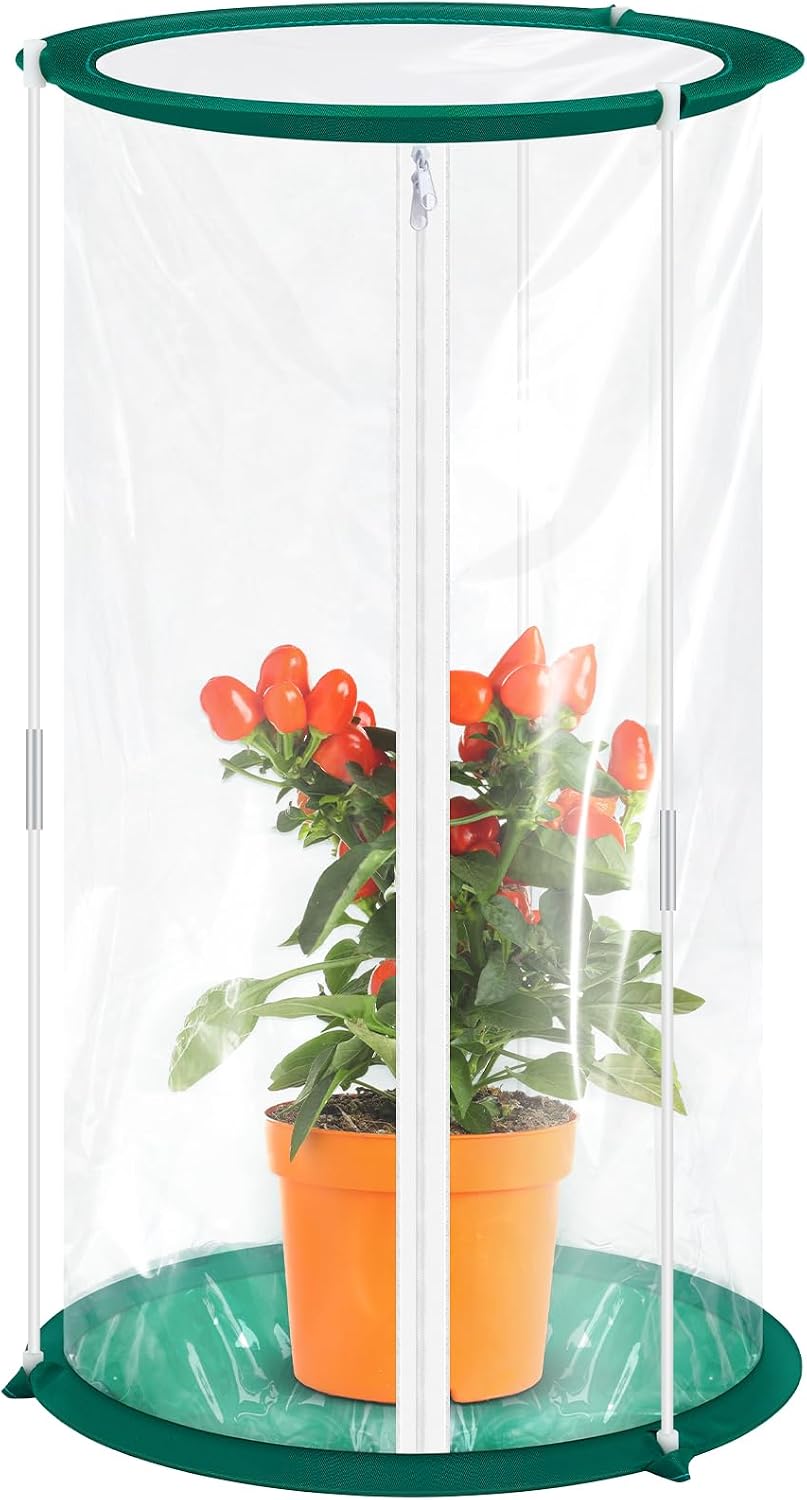
The Nuanchu Mini Portable Greenhouse is a small, no-frills shelter that creates a warmer, more humid microclimate for seedlings, cuttings, and potted plants. It assembles quickly by connecting plastic frame pieces and zipping on the clear PVC cover, then anchors to the ground with the included stakes for outdoor use. The clear PVC lets light through while the zipper closure makes accessing plants simple for watering and inspection. Its lightweight plastic frame and compact footprint are well suited to balconies, patios, and tabletops where space is limited. Because it is made from PVC and plastic, it is easy to move and inexpensive compared with larger models, but the materials mean it offers limited long-term UV resistance and lower structural strength in high winds. Expect this to extend growing windows and protect against light frost and drafts rather than replace a full-size greenhouse for heavy weather or large plants.
Best for: Buyers who want an inexpensive, space-saving way to start seeds or protect small potted plants on a balcony or indoors and prefer an easy-to-move, low-maintenance option.
Less Ideal for: Gardeners who need a heavy-duty, long-lived greenhouse for large plants or for use in very windy or snowy climates should consider sturdier, weatherproof alternatives.
- Compact footprint fits small balconies, patios, and tabletops
- Clear PVC cover provides good light transmission for seedlings
- Zipper closure allows easy access to plants
- Included ground stakes/anchors improve stability outdoors
- PVC cover can degrade with prolonged UV exposure and may need replacement over time
- Plastic frame is lightweight and not suited to heavy winds or snow loads
Verdict: A budget-friendly, compact greenhouse that reliably extends the growing season for seedlings and small potted plants in limited spaces.
VELTRIS 3-Tier Mini Indoor Acrylic Greenhouse with Magnetic Door

| Indoor Outdoor Usage | Indoor |
|---|---|
| Closure Type | Magnetic |
| Cover Material | Acrylic |
| Frame Material | Acrylic |
| Size | 3 Tier |
The VELTRIS 3-tier mini indoor greenhouse creates a stable, visible microclimate for seedlings, herbs, succulents, and small houseplants. Its clear acrylic panels trap warmth and humidity while allowing 360 degree visibility, which helps seeds germinate and cuttings root more consistently than open-air setups. Three adjustable, removable shelves make it easy to arrange plants by height and to move trays in and out for watering or inspection. The magnetic door gives quick access without disrupting internal humidity and the tool-free assembly means you can set it up in minutes and relocate it around a windowsill or countertop. Because the whole unit is acrylic it is lightweight and resists bending or tearing that cloth covers can suffer from, but the rigid panels also mean less airflow control than mesh or ventilated units, so you will need to monitor moisture to avoid mold in very humid conditions. Its tabletop footprint is best for small collections rather than larger propagation runs.
Best for: Buyers who prioritize a dependable, low-maintenance indoor propagation station that reliably preserves warmth and moisture for seedlings and cuttings in small spaces.
Less Ideal for: Not a good fit for growers needing large-capacity propagation, heavy-duty outdoor use, or precise airflow and temperature control for sensitive plants.
- Clear acrylic panels provide full visibility while retaining warmth and humidity for more consistent germination
- Three adjustable shelves accommodate varying plant heights and tray sizes
- Magnetic door allows quick, low-disruption access for watering and pruning
- Tool-free assembly makes setup fast and simple for immediate use
- No built-in ventilation or airflow controls, which can require manual monitoring to prevent excess humidity and mold
Verdict: Choose this compact acrylic greenhouse when you want a sturdy, easy-to-use indoor propagation unit that reliably holds warmth and humidity for small-scale seed starting and plant propagation.
Pure Garden 4-Tier Mini Greenhouse with PVC Cover and Wheels

| Number of Doors | 2 |
|---|---|
| Closure Type | Zipper |
| Cover Material | Polyvinyl Chloride (PVC) |
| Frame Material | Alloy Steel |
| Weight Capacity | Maximum weight: 24 pounds |
This compact greenhouse provides four shelves for seed starting, potting up seedlings, or housing small potted herbs and veggies indoors or on a sheltered patio. Assembly is tool-free and the tubular alloy-steel frame plus clear PVC cover create a warm, protected microclimate; the roll-up zippered door makes access simple while the cover helps guard against light frost and pests. Each shelf is rated for up to 24 pounds so it will hold multiple small pots or seed trays, and the included locking caster wheels let you wheel it into sunlight or lock it in place and remove the wheels for a permanent spot. Practical limitations are the modest overall size and PVC cover material, which is less durable than heavy-duty polycarbonate in prolonged sun or windy conditions and may require anchoring in breezy locations. For gardeners who want an inexpensive, moveable solution to extend the growing season or organize seedlings, this unit is straightforward and effective; for larger plants or long-term outdoor use, a heavier-duty structure is a better choice.
Best for: Gardeners who want an affordable, movable indoor greenhouse to start seeds, protect seedlings from light frost, and organize small pots in a compact space while relying on user reviews and practical performance.
Less Ideal for: Growers who need long-term outdoor protection for larger plants or a heavy-duty, permanent greenhouse solution.
- Four shelving tiers that maximize vertical growing space for seedlings and small pots
- Each shelf supports up to 24 pounds, suitable for multiple trays or clusters of small plants
- Portable design with locking wheels for easy repositioning and optional removal for fixed placement
- Zippered roll-up PVC cover provides a warm, protected microclimate and easy access
- PVC cover is less durable in prolonged sun and may degrade faster than rigid greenhouse panels
- Modest internal space limits use to seedlings, small pots, and low-profile plants
Verdict: A compact, easy-to-move greenhouse that gives small-space gardeners an inexpensive way to start seeds and extend the growing season.
Choosing the Right Small Indoor Greenhouse: Key Factors to Consider
Available Light and Placement
Where you place a small indoor greenhouse determines how much supplemental light you will need. South- or west-facing windows give the most natural light, but even then some covers and frames reduce usable light. Think about how the unit sits relative to the window glass and whether its cover diffuses or blocks light. If natural light is marginal, leave space for a grow light or select a greenhouse with highly translucent panels.
Placement also affects temperature swings. A unit immediately against cold window glass can get colder at night, so consider leaving a small air gap or using insulating backing during winter. Evaluate the daily path of sunlight so plants that need direct rays actually receive them inside the enclosure.
Ventilation and Airflow
Good ventilation prevents fungal problems and helps seedlings develop sturdy stems. Look for adjustable vents, roll-up panels, or mesh inserts that let you tune airflow without exposing plants to drafts. The ability to open or partially open panels is important when temperatures or humidity rise quickly on sunny days.
Consider how easy it is to create cross-flow ventilation in your space. Some compact greenhouses include zippered doors plus side vents that work together to exchange air quickly. If the unit will sit in a poorly ventilated room, plan for scheduled airing or a small clip fan to keep air moving.
Humidity Control and Drainage
Higher humidity benefits many tropical houseplants and cuttings but can harm seedlings if moisture is uncontrolled. Choose a greenhouse that allows you to vent excess moisture while retaining higher humidity when desired. Shelving with space below trays helps avoid water pooling and reduces root rot risk.
Also consider how the unit handles runoff from watering. Removable trays or slatted shelving that sheds water into a catch basin are useful design elements. For propagation trays, a shallow water reservoir can help maintain humidity without wetting foliage constantly.
Footprint, Shelving, and Storage Capacity
A small indoor greenhouse must balance interior capacity with the constraints of your space. Check actual internal shelf dimensions, not just external height, so pots and seed trays fit. Adjustable or removable shelving increases versatility for mixing seedlings, mature pots, and propagation domes.
Portability matters if you need to move plants seasonally or tuck the greenhouse away. Collapsible frames or light aluminum supports make relocation and storage easier. Consider how the door or cover accesses shelves-tight openings can make routine tasks like repotting awkward.
Material Quality and Assembly
Materials drive how long a small indoor greenhouse lasts and how well it protects plants. Sturdy frames resist bending when loaded with pots, while covers and panels should resist yellowing and tearing from repeated use or sunlight exposure. Zippers and fasteners that operate smoothly are a small detail that affects daily convenience.
Assembly should be straightforward, ideally without tools or with simple connectors that lock in place. Units that rely on fragile plastic clips or thin fabric can be harder to maintain. Look for replacement parts or modular designs that allow replacing a cover or shelf rather than discarding the whole unit.
Ease of Access and Maintenance
You will interact with your greenhouse frequently for watering, pruning, and monitoring. Wide doors, roll-up panels, or multiple access points reduce the risk of bumping plants or spilling soil when you reach in. Consider how easily you can clean interior surfaces and remove trays for cleaning.
Ease of maintenance also includes how simple it is to change covers or repair zippers, and whether materials resist mold and staining. A design that allows you to quickly remove and clean shelves or trays makes long-term care less tedious.
Sizing for Different Plant Goals
Think about what you want to grow before choosing a small indoor greenhouse. Seedstarting and cuttings need dense shelving and consistent humidity, while larger houseplants need vertical space and sturdier shelves. If you plan to move plants in and out seasonally, prioritize units with removable shelving and an interior layout that fits standard pot sizes.
Also consider future plans. A compact greenhouse that fits a few seed trays today might feel cramped if you expand your collection. Measure the pots and trays you use now and leave some margin for growth so the unit remains useful.
- Seedstarting: multiple shallow shelves, high humidity
- Propagation: easy access and stable humidity
- Mixed houseplants: adjustable shelves and taller clearance
Lighting Options and When to Add Supplemental Light
Natural window light is often enough for hardier seedlings and many houseplants, but growth can be slow in low-light apartments. Supplemental grow lights can be clipped to shelves or mounted inside the frame as long as the cover allows electrical cords and heat dissipation. Use full-spectrum LED strips or bars for even coverage without excessive heat.
Aim the light so it reaches the canopy evenly. Short-duration, intense light works differently from longer, lower-intensity light, so match duration to plant needs and keep a timer to maintain consistent daily light cycles.
- Clip-on LEDs for individual shelves
- Integrated LED strips for even coverage
- Timers prevent over- or under-lighting
Common Placement Mistakes to Avoid
Avoid placing a small indoor greenhouse directly on cold windowsills where nighttime temperature dips can stress plants. Also avoid cramped corners with no airflow, which increases disease risk. If you must place it near a window, leave a small air gap or add thin insulation behind the unit during cold months.
Do not place the unit where it receives only reflected or indirect light unless you plan to rely on supplemental lighting. Finally, avoid humid rooms without ventilation because persistent moisture buildup can lead to mold even with vents present.
- Do not block natural airflow around the unit
- Avoid cold glass contact at night
- Keep away from stagnant, overly humid rooms
Organizing Plants Inside a Small Unit
Use tiered organization to make the most of vertical space. Place seedlings and lower-light plants on the bottom shelves and sun-loving or taller plants above. Arrange pots so water drains into catch trays rather than onto lower shelves to reduce mess and disease spread.
Label trays and keep a simple watering schedule. Rotating plants periodically ensures even light exposure and prevents legginess on one side. For propagation, dedicate a small shelf to humidity-loving cuttings to keep them separate from established plants.
- Tiered arrangement for light gradients
- Dedicated shelf for propagation
- Use labeled trays to track dates and mixes
Seasonal Care and Winter Use
A small indoor greenhouse can be invaluable in winter for protecting tender plants or keeping seedlings going. Monitor humidity and temperature more frequently during seasonal shifts to avoid condensation buildup on cold nights. Use insulating covers or reduce ventilation temporarily during cold snaps, then reintroduce airflow as temperatures rise.
If you rely on supplemental lighting, consider shortening photoperiods to mimic seasonal changes for species that need dormancy. Regularly inspect for pests brought indoors and quarantine any new arrivals before adding them to the main unit.
- Adjust ventilation with outdoor temperatures
- Use insulation sparingly to avoid mold
- Quarantine new plants before mixing
How We Chose the Best Small Indoor Greenhouse
We focused on features that actually affect plant health and daily use in small indoor spaces. Key evaluation criteria included ventilation control, because adequate airflow prevents mold and strengthens seedlings; light access, to ensure translucent covers and frame designs let in usable light for photosynthesis; humidity management, which matters for tropical plants and propagation; footprint and portability, to fit narrow windowsills, balconies, or closets; durability of materials and ease of assembly, so units survive daily handling and seasonal storage; and shelving or tray compatibility, which affects how many plants you can grow at once. Products were excluded if they lacked basic ventilation options, used materials obviously unsuited to indoor light transmission, or offered no practical way to organize plants on shelves. We emphasized real-world usability over novelty features, prioritizing units that perform reliably in small interiors and that make maintenance, watering, and air exchange straightforward for home gardeners.
FAQ
Can I use a small indoor greenhouse in a south-facing window?
Yes. A south-facing window provides strong light, but you still need to monitor heat buildup. Use adjustable vents or partially open panels on bright days to prevent overheating and sunscald on tender foliage.
How often should I water plants inside a small indoor greenhouse?
Watering frequency depends on plant type, potting mix, and ventilation. Seedlings usually need more consistent moisture, while established houseplants may need less. Check soil moisture with your finger and allow surface drying where appropriate to avoid soggy roots.
Do I need a grow light with a small indoor greenhouse?
You often need supplemental light in low-light apartments or during winter months. If natural light is limited, a low-heat LED grow light can maintain healthy growth without overheating the enclosure.
How can I prevent mold and mildew inside the unit?
Good airflow, periodic airing, and avoiding constant leaf wetness are the main defenses. Use vents or open doors on dry, warm days and remove any plant material that shows persistent fungal symptoms to limit spread.
Are small indoor greenhouses suitable for tropical houseplants?
They can be excellent for tropical plants that like higher humidity, provided you manage ventilation to avoid stagnant air. Use shelves to separate young and mature plants and adjust humidity according to species needs.
What kind of maintenance do covers and zippers require?
Keep zippers clean and free of soil or debris and operate them gently to extend life. Wipe covers with a damp cloth to remove dust and check seams periodically for wear. Replaceable covers or modular panels make maintenance simpler.
Final Verdict
Choose a small indoor greenhouse by matching interior layout and ventilation options to your plant goals. Prioritize light access and adjustable airflow if you start seedlings or propagate cuttings, and favor sturdier frames and easy-access doors for mixed houseplant collections. Understand the tradeoffs between humidity control and airflow: tighter enclosures retain moisture but need planned venting to prevent disease. With the right footprint, shelving configuration, and basic supplemental lighting where needed, a compact greenhouse can extend growing opportunities and simplify plant care in small spaces.
