

Note: This article contains affiliate links. If you click on these links and make a purchase, I may earn a small commission at no extra cost to you. This helps support my research and content. Read my full affiliate disclosure here.
If you have a blazing south-facing bed, a hot rooftop garden, or containers baking on a patio, choosing succulents adapted to full hot sun matters. Plants that can tolerate sustained high temperatures and intense light will keep their color, avoid sunburn, and use water efficiently so you do not spend every afternoon babysitting irrigation. This guide shortlists seven heat-hardy succulents selected for real garden conditions: extreme summer heat, reflective surfaces, and limited supplemental water. We evaluated sun tolerance, drought performance, growth habit, and maintenance needs to help you pick specimens that suit beds, rock gardens, or hot containers. Read on for practical notes to match plants to your specific hot-site conditions.
Top Picks at a Glance
| Best Overall The best all-around choice for most situations | UIOTER Desert Rose (Adenium obesum) 2-Count Flowering Plants |  |
| Best Quality Built to a higher standard if you want something more solid | Altman Plants Deluxe Live Succulents 6-Pack (2 in pots) |  |
| Best Value The sweet spot between price and what you get | Sprout N Green 5-Pack Live Assorted Succulents in 2" Starter Pots |  |
| Best Budget The cheapest option that still gets the job done reliably | THE NEXT GARDENER.COM Succulent Plants 4-Pack, Fully Rooted in 2" Pots |  |
| Highest Rated A top-rated pick with lots of positive feedback | CitronellaKing Hesperaloe (Red Yucca) 2-Pack Starter Plants |  |
| Most Popular A crowd favorite that many people choose with confidence | Altman Plants Premium Live Succulent 20-Pack (2" Pots, Assorted Varieties) |  |
| Best Seller A high-volume bestseller chosen again and again | THE NEXT GARDENER Adolphi 'Firestorm' Sedum (4-inch) – Fully Rooted Succulent |  |
UIOTER Desert Rose (Adenium obesum) 2-Count Flowering Plants
| Sunlight Exposure | Full Sun |
|---|---|
| Moisture Needs | Moderate Watering |
| Unit Count | 2 Count |
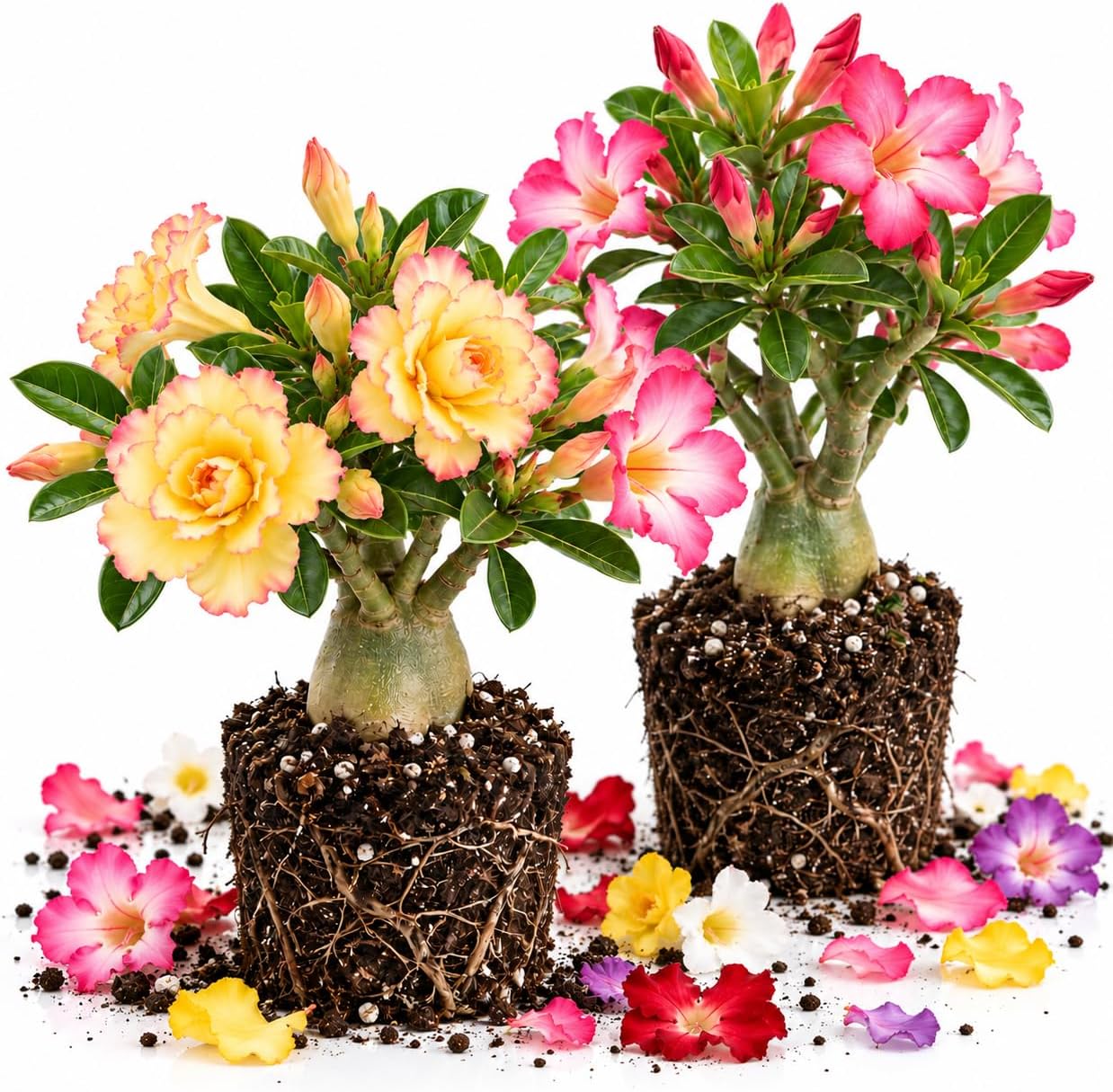
These two Desert Rose plants (Adenium obesum) are sold as a pair of flowering houseplants that do best in full sun and moderate watering. They arrive as small, 4–7 inch specimens and are commonly used in patio containers, warm-climate beds, or bright indoor spots where they can get strong light. The listing highlights that they are hardy in hot, dry conditions and suitable for USDA zones 10 to 11, which makes them a solid choice for gardeners in warm coastal and subtropical areas. Practical benefits include compact size for container culture, showy blooms when given enough light, and relatively low water needs compared with many flowering ornamentals. Limitations are that they require consistent high light to bloom well and will not tolerate cold climates, so growers outside warm zones must provide a heated environment or move plants indoors in winter. Also note pots are not included, and the plants may need repotting and acclimation on arrival. With attentive placement and light management these make attractive, low-effort additions to a sunny patio or bright indoor collection.
Best for: Gardeners in warm climates or indoor plant owners seeking a low-water, showy flowering succulent that performs in bright, sunny spots and container displays.
Less Ideal for: People in temperate or cold climates who cannot provide heated shelter or very bright light year-round should choose a more cold-tolerant flowering plant instead.
- Sold as a two-count pack for easy pairing in containers or garden beds
- Thrives in full sun and tolerates hot, dry conditions
- Moderate watering needs reduce maintenance compared with water-loving ornamentals
- Compact young plants are convenient for container culture and indoor bright spots
- Not cold-hardy and only suited to warm climates or protected indoor environments
- Pots are not included so repotting or container purchase is required
Verdict: Buy this two-pack if you want a compact, heat-tolerant flowering plant that blooms reliably in bright, sunny spots with minimal watering.
Altman Plants Deluxe Live Succulents 6-Pack (2 in pots)

| Indoor Outdoor Usage | Indoor |
|---|---|
| Other Special Features of the Product | Compact, Drought Tolerant, Low Maintenance |
| Expected Blooming Period | Year Round |
| Sunlight Exposure | Full Sun |
| USDA Hardiness Zone | 10, 9 |
These Altman Plants Deluxe succulents arrive as six individually potted, fully rooted 2-inch succulents chosen for variety in color, shape, and texture. They are intended for indoor displays, desks, terrariums, small container gardens, or wedding favors and are shipped dry to reduce transit rot. Typical use is bright, indirect to full sun with infrequent watering once the potting mix dries. Notable features include a curated mix of genera such as Kalanchoe, Crassula, Sedum, and Echeveria, compostable material notes, and seasonal variation so you get different specimens over time. Practical benefits are low-maintenance care, compact size that fits small spaces, and reliable starter plants for those building a collection. Limitations are the small 2-inch pots that will need repotting as plants grow, seasonal variation meaning you may not receive pictured varieties, and USDA hardiness listed for zones 9 to 10 which limits cold-hardiness for outdoor planting in cooler climates.
Best for: Buyers who want an easy, low-maintenance way to add a variety of healthy succulents to small indoor spaces and who prioritize immediate visual impact and simplicity over long-term mature specimens.
Less Ideal for: Gardeners seeking mature, landscape-ready succulents or cold-hardy outdoor plants for zones below 9 should look for larger, hardier specimens instead.
- Ready-to-grow, fully rooted plants suitable for immediate display
- Curated assortment across multiple succulent genera for visual variety
- Low-maintenance and drought-tolerant care suited to beginners
- Compact 2-inch pots ideal for desks, terrariums, and small planters
- Plants come in small pots and will require repotting to encourage larger growth
- Assortment is seasonal so specific varieties shown may not be guaranteed
Verdict: A simple, low-maintenance 6-pack that delivers a ready-to-display variety of healthy starter succulents for small indoor spaces.
Sprout N Green 5-Pack Live Assorted Succulents in 2" Starter Pots

| Indoor Outdoor Usage | Indoor, Outdoor |
|---|---|
| Other Special Features of the Product | Drought Tolerant, Low Maintenance |
| Sunlight Exposure | Partial Shade |
| Soil Type | Succulent & Cacti Soil Mix |
| Moisture Needs | Moderate Watering |
These five assorted succulents are sold as ready-to-display starter plants in 2-inch nursery pots with a succulent and cacti soil mix. They are intended for low-maintenance decoration on windowsills, desks, terrariums, or small patio arrangements and are tolerant of infrequent watering if you let the soil dry between waterings. The listing emphasizes partial shade to bright indirect light and suggests migrating plants outdoors for stronger color with seasonal light changes. Practical care notes include watering only when soil is mostly dry, using fast-draining gritty mix, and monthly feeding during the growing season. The plants are small and arrive as nursery-stock, so expect to repot within a few months if you want larger containers or to combine varieties. Packaging is prepared from a California grower and the set includes five plants, which makes it easy to use them as party favors, DIY projects, or grouped décor. If you want instant, large showy specimens this set is not appropriate, but for a low-effort collection of beginner-friendly succulents it covers the basics well.
Best for: A practical buyer who wants a low-maintenance set of starter succulents for indoor decor, small DIY projects, or to quickly populate a windowsill without fuss. They value plants that are easy to care for and can be used in grouped displays or handed out as favors.
Less Ideal for: Gardeners seeking large, mature specimens or collectors looking for specific rare cultivars should look elsewhere or plan to source individual plants later.
- Five different succulents provide immediate variety for displays or small projects
- Ships in ready-to-use nursery pots with a suitable succulent and cacti soil mix
- Low-water, low-maintenance plants suited to indoor windowsills or sheltered outdoor spots
- Compact size makes them useful for terrariums, favors, or grouped arrangements
- Plants are starter-size and will require repotting for larger containers or long-term growth
- Assorted varieties mean you cannot choose specific cultivars
Verdict: A convenient, low-maintenance 5-pack of starter succulents ideal for anyone wanting easy-to-care-for plants for small displays or DIY projects.
THE NEXT GARDENER.COM Succulent Plants 4-Pack, Fully Rooted in 2" Pots

| Indoor Outdoor Usage | Indoor |
|---|---|
| Expected Blooming Period | Fall |
| Sunlight Exposure | Partial Sun |
| Soil Type | Sandy Soil |
| Moisture Needs | Moderate Watering |
This 4-pack of succulents arrives fully rooted in 2-inch pots with a well-draining soil mix, making them an easy pick for adding greenery to small indoor spaces, windowsills, or starter succulent arrangements. Plants are hand-packed and shipped from the grower, so you get live specimens that only need occasional watering and partial sun. The listing emphasizes low maintenance and moderate watering needs, which suits busy households or first-time plant owners; each plant can stay healthy for long periods when allowed to dry between waterings. Because they come in small grower pots, they are convenient for potting up into decorative containers or grouping on a shelf. Limitations are the small pot size and minimal size variation inherent to 2-inch starters, so you should expect to repot within a few weeks if you want larger specimens, and individual varieties are not guaranteed. Use care when acclimating them to brighter light to avoid sun stress. Overall this is a practical, low-cost way to build a small succulent collection quickly.
Best for: Buyers looking to start a small, affordable indoor succulent collection or add low-maintenance greenery to tight spaces who prefer minimal ongoing care and quick setup.
Less Ideal for: Gardners seeking mature, display-size succulents or collectors who need exact named varieties and larger specimens should look elsewhere.
- Arrives fully rooted in grower pots so plants are ready to display or repot.
- Low maintenance care profile suitable for infrequent watering and partial sun.
- Hand-packed and shipped from the grower, increasing chance of healthy, live plants on arrival.
- Includes four plants, which is good value for starting a small collection or gifting.
- Plants are sold in 2-inch starter pots so you will likely need to repot for long-term growth.
- Specific varieties are not clearly guaranteed which may limit variety selection.
Verdict: A budget-friendly way to get four healthy, low-care succulents ready for potting or display.
CitronellaKing Hesperaloe (Red Yucca) 2-Pack Starter Plants

| Sunlight Exposure | Full Sun to Partial Shade |
|---|---|
| USDA Hardiness Zone | 5-11 |
| Expected Blooming Period | Spring, Summer, Fall |
| Soil Type | Well-Draining Soil |
| Moisture Needs | Moderate Watering |
These two Hesperaloe red yucca starter plants arrive in 3.5" nursery cubes and establish quickly when transplanted into well-draining soil. The plants form neat, grass-like rosettes of arching blue-green foliage and reliably produce tall coral-red flower spikes through spring to fall that attract hummingbirds and pollinators. They are typically used in xeriscapes, rock gardens, borders, or containers where low water requirements and architectural form are desired. Notable features include evergreen, drought- and cold-hardy performance across zones 5–11, minimal maintenance once established, and clear planting and care instructions for the transition period. Practical benefits are strong visual impact from long-lasting blooms, low irrigation needs, and resistance to common pests, which reduce ongoing care. Limitations are that mature width and flower spike height can require generous spacing and vertical clearance, and these are starter-size plants so they need a season or two to reach full ornamental scale.
Best for: Gardeners who prioritize reliable, low-maintenance perennial structure for drought-tolerant beds, borders, or large containers and want plants that establish and perform year after year.
Less Ideal for: Those with very small patios or tiny containers where the mature spread and tall flower spikes would overwhelm the space or low-light locations that lack full sun exposure.
- Attractive coral-red flower spikes that attract pollinators
- Drought-tolerant and cold-hardy across USDA zones 5–11
- Low-maintenance evergreen habit once established
- Arrives well-rooted in nursery cubes with basic care instructions
- Starter size means plants need time and space to reach mature height and spread
- Requires well-draining soil and full sun for best flowering
Verdict: A dependable, low-care perennial for xeriscapes and borders that delivers long-lasting coral-red blooms and year-round architectural form.
Altman Plants Premium Live Succulent 20-Pack (2" Pots, Assorted Varieties)

| Indoor Outdoor Usage | Indoor, Outdoor |
|---|---|
| Other Special Features of the Product | Air Purification |
| Expected Blooming Period | Year Round |
| Sunlight Exposure | Full Sun |
| Moisture Needs | Little To No Watering |
This 20-pack of 2-inch succulents from Altman Plants delivers a mixed collection of hardy, low-water succulents suitable for starting a collection, creating terrariums, or filling multiple small containers. Each pack contains 10 pairs of varieties such as Echeveria, Crassula, Sedum and others, chosen for diverse shapes and colors. The plants arrive in small plastic nursery pots and are described as drought tolerant, needing bright light and watering only when the soil is dry, which makes them easy to care for. Practical benefits include having multiple duplicates for propagation or gifting and a ready-made selection that reduces the guesswork when buying individual plants. Limitations are the small pot size at delivery, which means repotting to larger containers or grouping in arrangements soon after receiving them, and the specific varieties received can vary seasonally so you may not get every type pictured. These are best for buyers who want convenience and variety rather than a curated single-species purchase.
Best for: Buyers who want an easy, low-maintenance way to start or expand a succulent collection and prefer visibly varied plants they can arrange, share, or propagate.
Less Ideal for: Gardeners seeking large mature specimens, a single named cultivar, or who do not want to repot small nursery containers.
- Large assortment with 20 live plants provides instant variety for displays or propagation
- Low-maintenance care: bright light and infrequent watering suited to beginners
- Includes duplicate pairs of each variety which is useful for sharing or trying different placements
- Plants are delivered in nursery pots ready to grow or repot into containers
- Plants arrive in small 2-inch pots and will need repotting for long-term growth
- Exact varieties are seasonal and can vary so you may not receive specific named cultivars
Verdict: A convenient, low-care way to get 20 varied starter succulents ideal for beginners, gifting, and small container displays.
THE NEXT GARDENER Adolphi 'Firestorm' Sedum (4-inch) – Fully Rooted Succulent

| Indoor Outdoor Usage | Indoor |
|---|---|
| Expected Blooming Period | Winter to Spring |
| Sunlight Exposure | Partial Sun |
| USDA Hardiness Zone | 3 |
| Moisture Needs | Moderate Watering |
This Sedum Adolphi 'Firestorm' arrives fully rooted in a 4-inch grower pot and is meant as an easy-care tabletop or windowsill succulent. It performs best in bright indirect light with some morning or late afternoon sun, and the plant's coloring intensifies with stronger light. The listing highlights sandy, well-draining soil and a "soak-and-dry" watering approach, which suits people who prefer low-frequency watering and predictable care. It is hardy down to USDA zone 3 when protected and has a moderate watering need, so it recovers well from brief dry periods. Practical benefits include compact size for small indoor spaces, drought tolerance, and straightforward recovery tips for common shipping or cold damage. Limitations are the small pot size on arrival, which may require repotting within a season for faster growth, and the plant's appearance can vary with light exposure so it may not match every photo exactly. Buyers should expect a living plant with natural variation rather than a perfect specimen.
Best for: Buyers who want a low-effort, forgiving indoor succulent for a windowsill or tabletop and prefer a plant that tolerates occasional missed waterings and simple care routines.
Less Ideal for: Collectors seeking specimen-grade plants with exact coloration or gardeners who prefer mature, large container plants without the need to repot.
- Sold fully rooted in a grower pot ready to display or repot
- Low-maintenance variety suited to bright, indirect light
- Drought-tolerant so it requires infrequent watering
- Compact size works well on windowsills, desks, and small containers
- Comes in a small grower pot that may need repotting for faster growth
- Appearance and color vary noticeably with light exposure
Verdict: A compact, low-maintenance Sedum that makes a reliable, easy-care windowsill succulent for buyers who want a fuss-free living plant.
Choosing the Right Succulents for Full Hot Sun: Key Factors to Consider
Sun Exposure and Intensity
Not all "full sun" conditions are the same. Full hot sun implies prolonged direct light plus high ambient and surface temperatures. Plants that tolerate long morning sun but suffer in intense midday and afternoon rays will scorch or fade. Consider how many hours of direct sun your site receives and whether nearby walls or pavement reflect additional heat.
Choose succulents with thick leaves, reflective or glaucous coatings, or compact rosettes to reduce tissue overheating. Placement matters: give the hottest spots to the most heat-hardy forms and reserve slightly cooler or shaded microclimates for less tolerant specimens.
Soil Drainage and Potting Mix
In extreme heat, soil dries quickly but can still hold moisture around roots if drainage is poor. That trapped moisture combined with warm soil increases the risk of root rot. Use fast-draining mixes with coarse mineral components and avoid heavy, water-retentive soils in hot sites.
For containers, ensure multiple drainage holes and consider raised beds or gravelly in-ground mixes that shed water. Amending with pumice, coarse sand, or grit helps oxygenate the root zone, which is critical when temperatures accelerate microbial activity in the soil.
Watering Strategy for Hot Seasons
Water needs change in full hot sun. Many succulents enter conservative water use, but some still require occasional deep soakings to avoid chronic stress. Watering shallowly or too frequently encourages weak roots and increases disease risk when combined with heat.
Adopt a soak-and-dry approach: allow the substrate to dry between thorough waterings, and water deeply enough to reach the active root zone. Adjust frequency based on container size, soil mix, and microclimate. Mulches of gravel or coarse stone can reduce surface evaporation without holding moisture against stems.
Leaf and Stem Adaptations
Successful heat-tolerant succulents often share visible adaptations: thick succulent leaves for water storage, waxy or powdery coatings that reflect light, compact or low-growing forms that reduce wind and heat exposure, and small or reduced leaf surfaces. These traits help plants avoid tissue desiccation and sunburn.
When selecting varieties, inspect foliage for signs of natural sun protection and choose forms that match the intensity of your exposure. Plants with thin, translucent leaves may not be appropriate for prolonged intense sun.
Growth Habit and Placement
Consider how a succulent spreads and its mature size before placing it in a hot spot. Groundcover types will suppress weeds and protect the soil, but trailing forms in containers may desiccate more rapidly at the soil surface. Upright rosettes can funnel heat to lower leaves if planted too close to reflective surfaces.
Plan spacing to allow air flow and avoid overcrowding. Predictable habits reduce maintenance and the need to relocate stressed plants midseason.
Seasonal Color and Stress Responses
Many succulents change color in response to stress, turning red, purple, or bronze in high light. While this adds visual interest, extreme stress can cause permanent leaf drop or slowed growth. Evaluate whether you want plants that show stress coloration or those that maintain stable foliage under heat.
Understand that color changes are a natural response to strong light and heat and are not always a sign of poor health. However, persistent paling, transparent spots, or shriveling indicate damage rather than desirable coloration.
Matching Plants to Hot Microclimates
Hot microclimates vary: a sun-baked rock wall, a blacktop driveway edge, or a rooftop container will each present different challenges. Reflective heat from concrete or metal can push temperatures higher than ambient air, and wind exposure on rooftops increases transpiration.
Pick plants with robust leaf protection for the most extreme spots, and use slightly less tolerant succulents where there is periodic afternoon shade or less reflection. Group plants by water needs and exposure to simplify irrigation and reduce transplant shock.
- Give the most exposed positions to the thickest-leaved, most heat-hardy forms
- Use reflective mulch or light-colored gravel to reduce radiated heat where possible
- Place containers near structures that offer evening shade to cool roots overnight
Container Culture in Hot Conditions
Containers heat up faster than ground soil and often require different potting mixes and watering rhythms. Choose pots with ample drainage and use mixes that combine organic matter with mineral grit to prevent quick drying that stresses roots.
Select container materials thoughtfully. Light-colored, breathable pots and those that sit off the hot surface will keep root temperatures lower than dark, heat-absorbing vessels. Position containers on stands or pavers to minimize direct heat transfer from hot patios.
- Larger pots buffer temperature swings better than small ones
- Avoid saucers that trap water against pot bases in hot weather
- Group containers by irrigation needs to avoid overwatering some plants
Managing Pests and Disease in Hot Gardens
Heat-stressed plants can attract pests like scale and mealybugs, which seek weakened tissue. Inspect succulents regularly for sticky residue, cottony growth, or stationary bumps that indicate infestations.
Disease often results from the interaction of heat and moisture. Ensure fast-draining soil and avoid overhead watering that wets leaf surfaces in the heat of the day. Promptly remove damaged or rotting tissue to stop pathogens from spreading across a hot garden where microbial activity is accelerated.
- Inspect undersides of leaves and stem junctions where pests hide
- Use targeted spot treatments rather than broad wet sprays on hot days
- Remove badly damaged material to reduce secondary infections
Using Succulents in Mixed Xeric Beds
Succulents can anchor a xeric bed when matched with compatible perennials and grasses. In full hot sun, avoid pairing with plants that demand cooler or moister root zones.
Design beds with drainage gradients, placing the most drought-hardy succulents at the driest, most exposed edges and more moisture-tolerant plants where runoff accumulates. Use gravel paths and coarse mulches to maintain a consistent dry aesthetic while controlling weeds.
- Create drainage swales to divert excess water from succulent zones
- Select companion plants with similar thermal and water tolerances
- Plan for long-term spacing as succulents fill in over multiple seasons
Seasonal Care and Overwintering Notes
Even heat-hardy succulents may need altered care as seasons shift. In late summer and fall, reduce nitrogen and taper watering to prepare plants for dormancy cycles. Some heat-tolerant succulents are also frost sensitive, so know your local risk if temperatures drop.
Plan to protect container-grown succulents from cold snaps by moving them to sheltered locations. In-ground specimens in truly hot climates usually require less intervention but should be monitored for accumulated salt buildup from irrigation or fertilizers.
- Gradually reduce watering in late season to encourage dormancy
- Flush container soils occasionally to prevent mineral buildup
- Move vulnerable containers to frost-free microclimates when needed
How We Chose the Best Succulents for Full Hot Sun
We focused on traits that matter in long, hot summers and bright exposures. Primary evaluation criteria were sustained sun tolerance, drought resilience under summer heat, growth habit and form for placement, and maintenance needs in baked conditions. We assessed how well plants maintain foliage integrity and color under direct midday sun and high radiant heat. Root behavior and soil drainage needs were considered because poor drainage plus heat increases rot risk. Cold tolerance was deprioritized unless it affected overall survivability in mixed climates. Excluded items included succulents that only tolerate short, bright windows of sun or those requiring frequent shade periods during extreme heat. Also excluded were varieties known to need constant high humidity or nightly misting to avoid leaf desiccation. The shortlist emphasizes species and forms that demonstrably handle prolonged high light and temperature with minimal supplemental irrigation, low grooming needs, and predictable size and spread for planning beds and containers.
FAQ
Can succulents survive direct afternoon sun every day?
Many heat-adapted succulents can tolerate daily afternoon sun, but survival depends on species, soil drainage, and local extremes. Provide well-draining soil, monitor for scorch, and adjust placement if leaves become translucent or bleached.
How often should I water succulents in full hot sun?
Watering frequency depends on pot size, soil mix, and heat intensity. Generally use a soak-and-dry approach: water deeply, then let the soil dry before the next soak. Containers typically need more frequent checks than in-ground plantings.
Will reflective surfaces harm sun-loving succulents?
Reflective surfaces increase radiant heat and can push plants beyond their tolerance, causing sunburn. Use heat-hardy forms near reflective materials or add light-colored mulches and placement offsets to reduce direct radiation.
Do succulents need shade cloth in extreme heat?
Shade cloth can protect marginally tolerant varieties during heat waves, but the most suitable succulents for full hot sun should not require regular shading. Use temporary shade for young transplants until established.
Can I grow succulents in hot rooftop containers long-term?
Yes, with proper potting mixes, larger containers, and attention to root temperatures. Elevate pots, choose light-colored materials, and group plants by water needs to maintain health over multiple seasons.
Final Verdict
For blazing, consistently hot exposures, prioritize succulents with proven sun tolerance, thick protective foliage, and low water demands. Match plants to microclimates, provide fast-draining soil, and use conservative soak-and-dry watering to prevent chronic stress. Tradeoffs include less dramatic foliage in some heat-hardy types versus stress-coloring in showier but marginally tolerant varieties. Focus on predictable growth habit, root drainage, and leaf adaptations when choosing for full hot sun. Doing so will reduce maintenance and increase long-term success in the hottest parts of your garden or containers.
