

Note: This article contains affiliate links. If you click on these links and make a purchase, I may earn a small commission at no extra cost to you. This helps support my research and content. Read my full affiliate disclosure here.
If you garden in Zone 7, choosing succulents that survive winter lows and still look good through drought cycles matters. Plants that tolerate cold, work in diverse garden styles, and require limited watering make succulent gardening easier and more rewarding. This guide presents six shortlisted succulents suited to Zone 7 conditions. Each pick was evaluated for winter hardiness, sun tolerance, garden use, and ease of care so you can match a plant to a specific spot in your yard or container setup. Read on to compare traits gardeners care about and find plants that fit your landscape.
Top Picks at a Glance
| Best Overall The best all-around choice for most situations | Mountain Crest Gardens Sempervivum 25-Plant Pack (5 Varieties, 2" Pots) |  |
| Best Quality Built to a higher standard if you want something more solid | Sempervivum SuperSemps Onyx (Hens and Chicks) Live Perennial, Quart |  |
| Best Value The sweet spot between price and what you get | Mountain Crest Gardens Hardy Succulents 6-Pack (Live, Frost-Tolerant) |  |
| Best Budget The cheapest option that still gets the job done reliably | THE NEXT GARDENER Cremnosedum Little Gem 2-inch Potted Succulent |  |
| Highest Rated A top-rated pick with lots of positive feedback | AVERAR Red Yucca Live Plants (2) in 4" Pots |  |
| Best Seller A high-volume bestseller chosen again and again | THE NEXT GARDENER Sedum lucidum Obesum Succulent, 4-inch, Fully Rooted |  |
Mountain Crest Gardens Sempervivum 25-Plant Pack (5 Varieties, 2" Pots)

| USDA Hardiness Zone | 5 |
|---|---|
| Unit Count | 25 Count |
| Sunlight Exposure | Full Sun, Partial Sun |
| Moisture Needs | Moderate Watering |
| Material Features | Coconut coir soil; plastic nursery pots |
This 25-pack from Mountain Crest Gardens supplies five plants each of five Sempervivum varieties, delivered rooted in 2-inch nursery pots so you can plant or arrange immediately. These hens-and-chicks rosettes are cold-hardy to about -20°F (USDA Zone 5) and are intended for outdoor use in full or partial sun, making them a practical choice for rock gardens, borders, living roofs, and container groupings. The plants are grown in coconut coir and arrive established, which reduces setup time for landscapers or homeowners tackling a small- to medium-sized project. Care is straightforward: well-draining soil, deep watering only when dry, and protection from extreme heat or humidity in containers. Because the pack repeats five consistent varieties, it is easy to build balanced plantings without sourcing individual cultivars. Limitations are the small nursery pots that will need potting up for long-term container display and the moderate watering recommendation that still requires occasional attention in hot, dry spells. Shipping live plants requires handling during transplant to minimize shock.
Best for: Gardeners and small-scale landscapers who want a ready-to-plant, coordinated set of hardy outdoor succulents for rock gardens, borders, containers, or quick planting projects.
Less Ideal for: People seeking specimen-size plants or instant full-cover groundcover without additional planting and spacing; also not the best choice for tropical, high-humidity climates.
- Cold-hardy to about -20°F, suitable for outdoor landscaping in USDA Zone 5 and warmer
- Arrives rooted in 2-inch nursery pots for easy transplanting and quick project installation
- Coordinated selection with five of each variety simplifies creating balanced groupings or displays
- Low-maintenance, drought-tolerant once established, requiring deep watering only when soil is dry
- Plants come in small 2-inch pots and will need repotting or bed planting for long-term growth
- Not ideal for very hot, humid container environments without extra protection
Verdict: A practical, ready-to-plant 25-pack of cold-hardy Sempervivum that makes quick, consistent outdoor plantings easy.
Sempervivum SuperSemps Onyx (Hens and Chicks) Live Perennial, Quart

| Planting spacing | 12" apart |
|---|---|
| Mature height | 2-8" tall |
| Rosette size | 8" across |
| USDA Zones | 3-8 |
This Sempervivum SuperSemps Onyx arrives ready in a quart pot and produces very large rosettes that age to a deep mahogany-black, making it an eye-catching addition to rock gardens, alpine troughs, or mixed succulent containers. Typical use is planting the rooted pot outdoors in well-draining soil with full sun to light shade; spacing about 12 inches encourages mature rosette size and good air flow. Notable features include the oversized rosettes, winter hardiness across USDA zones 3 to 8, and a low-maintenance growth habit that reaches 2 to 8 inches tall. Practical benefits are strong cold tolerance, striking seasonal color, and minimal watering needs once established, which suits gardeners who want bold foliage without constant care. Limitations are that the listing notes seasonal dormancy and trimming when shipped in colder months, so appearance on arrival can vary, and larger spacing means it is better for focal plantings than very dense groundcover. Buyers should plan planting locations accordingly to let the rosettes reach full size.
Best for: Gardeners who prioritize strong, low-maintenance performance and want a hardy, dramatic succulent that establishes easily and provides season-long color in rockeries, containers, or focal beds.
Less Ideal for: Those seeking instant dense groundcover or uniform appearance year-round without seasonal dormancy should consider other planting choices.
- Very large rosettes provide strong visual impact in a single plant
- Hardy across USDA zones 3 to 8 for reliable outdoor performance
- Sold rooted in a quart pot for immediate planting
- Low watering and maintenance needs once established
- May arrive dormant or trimmed when shipped in winter months, affecting immediate appearance
- Best used with about 12 inch spacing, so not ideal for very dense groundcover plantings
Verdict: Choose this cultivar if you want a hardy, low-care succulent that delivers large, dramatic rosettes and immediate planting convenience.
Mountain Crest Gardens Hardy Succulents 6-Pack (Live, Frost-Tolerant)

| Indoor Outdoor Usage | Outdoor |
|---|---|
| Other Special Features | Cold-hardy succulents, Frost-tolerant to 0°F, Low Maintenance, Rooted in 2 inch pots |
| Sunlight Exposure | Full Sun, Partial Sun |
| USDA Hardiness Zone | Zone 7-10 |
| Moisture Needs | Low |
This 6-pack from Mountain Crest Gardens delivers a practical assortment of hardy succulents—sempervivum, sedum and other rosette and trailing forms—rooted in individual 2-inch nursery pots and ready to transplant into rock gardens, containers or landscape beds. The plants are marketed as frost-tolerant to around 0°F and suited to full or partial sun, which makes them a low-maintenance choice for outdoor displays in USDA zones 7–10. Care is simple: plant in well-draining, gritty soil and water only after the soil fully dries to avoid rot. Notable features include their cold-hardiness, varied textures and reusable plastic pots with coconut coir potting medium. Expect small plants that add seasonal color and groundcover interest rather than instant large specimens. If you need larger established plants or species outside the listed hardiness range, these starter-size succulents will require time to fill a bed or container. For routine outdoor landscaping and low-effort displays they perform well, but successful planting depends on providing gritty soil and good drainage.
Best for: Buyers who want hardy, low-maintenance outdoor succulents they can plant into rock gardens, containers or borders and who prioritize simple care and seasonal texture over instant size.
Less Ideal for: Gardeners who need mature, large specimens right away or who garden outside USDA zones 7–10 should consider larger nursery plants or different varieties.
- Cold-hardy varieties rated to about 0°F for outdoor use in USDA zones 7–10
- Arrive rooted in individual 2-inch nursery pots ready for transplanting
- Low water needs and simple care recommended for busy gardeners
- Varied forms and colors provide texture and seasonal interest in rock gardens and containers
- Plants are small starter specimens and will take time to fill larger containers or landscape areas
- Limited to the listed hardiness zones and outdoor uses specified by the grower
Verdict: A practical, low-care six-pack of frost-tolerant succulents ideal for gardeners who want hardy starter plants to establish rock gardens and container displays.
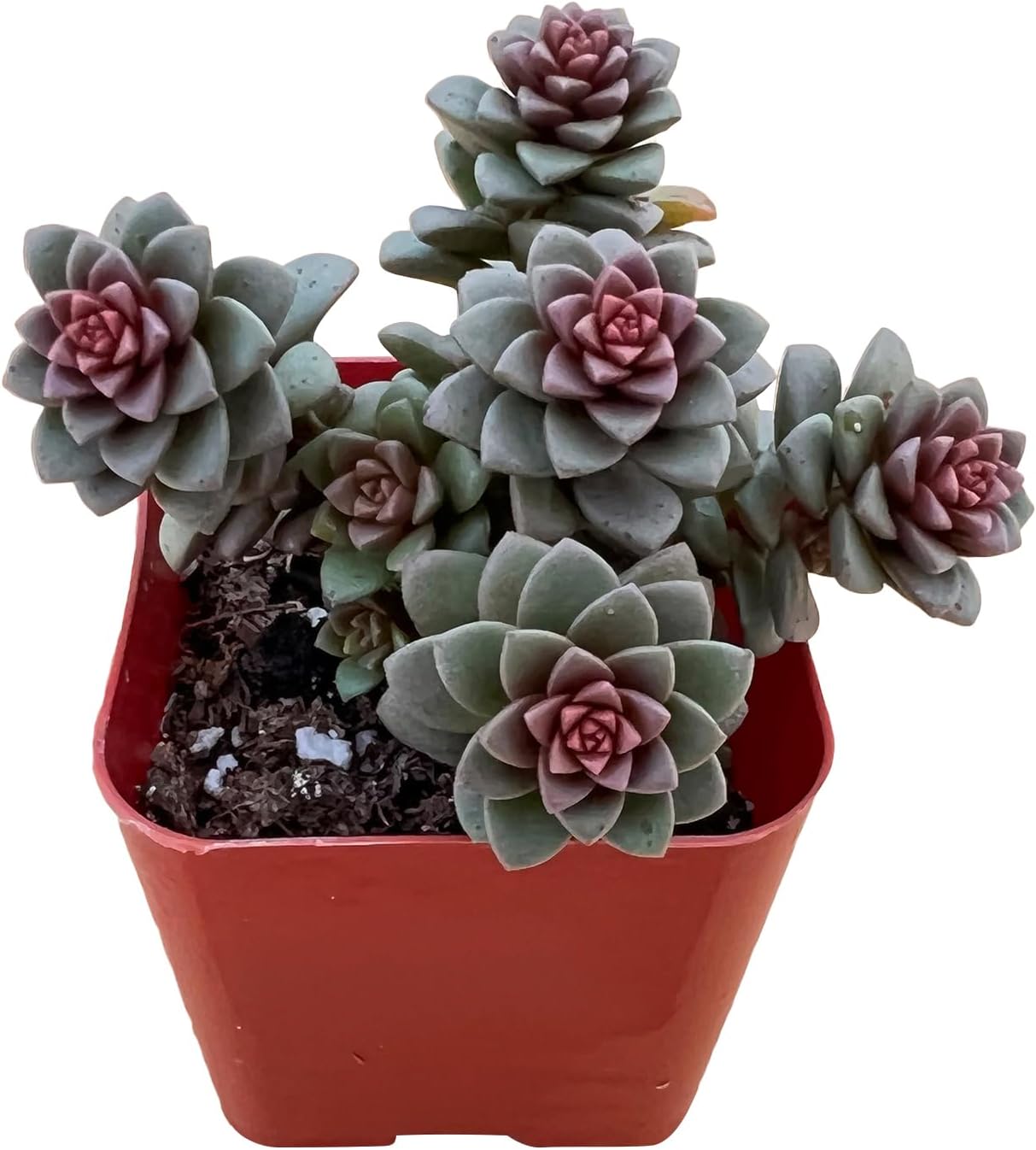
THE NEXT GARDENER Cremnosedum Little Gem 2-inch Potted Succulent
| Indoor Outdoor Usage | Indoor |
|---|---|
| Other Special Features of the Product | Drought Tolerant |
| Sunlight Exposure | Partial Sun |
| Moisture Needs | Moderate Watering |
| Material Features | Low Maintenance |
This 2-inch Cremnosedum Little Gem arrives fully rooted in a small grower pot and is aimed at simple indoor display on windowsills, desks, or tabletops. It performs as a classic easy-care succulent: water only after the soil fully dries using a soak-and-dry approach, give bright indirect light or partial sun, and expect minimal upkeep. The plant is drought tolerant and low maintenance, so it recovers well from brief neglect and tolerates the typical indoor light cycles that coax seasonal color changes. Because it is sold as a live plant in a 2-inch pot, you may need to repot within a season or two as it grows or to refresh soil for nutrients. Size limits its impact as a focal piece, but it is handy for starting a collection, gifting, or filling small decorative containers. Transit damage can occur with any live plant, so inspect leaves on arrival and trim any mushy tissue.
Best for: Buyers who want an inexpensive, low-effort indoor succulent for small spaces or to start a collection and prefer plants that tolerate occasional neglect.
Less Ideal for: People seeking a large statement plant or a mature specimen ready to fill a sizable planter should consider larger nursery sizes or mature plants instead.
- Arrives fully rooted in a grower pot ready for immediate display or potting
- Drought tolerant and low maintenance, suitable for irregular watering schedules
- Responds to light and seasonal changes with attractive color variations
- Small size makes it convenient for windowsills, desks, and gift use
- Comes in a 2-inch pot so it will need repotting or soil refresh within a short time
- Not large enough to serve as a standalone focal plant in bigger rooms
Verdict: A budget-friendly, low-maintenance succulent that makes an easy indoor starter plant or small decorative gift.
AVERAR Red Yucca Live Plants (2) in 4" Pots

| Expected Blooming Period | Spring to Fall |
|---|---|
| Sunlight Exposure | Full Sun |
| Moisture Needs | Moderate Watering |
| Unit Count | 2 Count |
These two Red Yucca plants arrive as established, 4–8 inch tall specimens in 4-inch pots that are ready to transplant into garden beds, rock gardens, or containers. Red Yucca is a drought-tolerant succulent that performs best in full sun and moderate watering, and these plants are noted to bloom from spring through fall with red or coral flower spikes. Practical benefits include low maintenance once established, good tolerance for dry sites and heat, and usefulness as a long-lived border or patio accent that reaches several feet at maturity. Because they are shipped small, you should plan for an initial acclimation period and protect young transplants from overwatering while roots expand. Also expect several seasons for plants to reach their mature height and spread. For buyers focused on reliable, low-effort landscape plants, these Red Yuccas offer predictable performance in USDA zones 5 to 10 when placed in appropriate sunny, well-drained locations.
Best for: Buyers who want dependable, low-maintenance ornamental succulents for sunny, water-wise landscapes and prefer plants that establish reliably with minimal ongoing care.
Less Ideal for: Gardners seeking instant large specimens or shaded-site plantings should consider larger transplants or shade-tolerant alternatives instead.
- Sold as a pair so you can plant a small grouping or create immediate symmetry
- Drought-tolerant once established, suitable for low-water gardens
- Full-sun blooming habit adds seasonal red or coral flower spikes
- Versatile for rock gardens, borders, patios, and containers
- Shipped small in 4-inch pots so it can take multiple seasons to reach mature size
- Requires sun and well-drained soil to avoid rot during establishment
Verdict: A reliable, low-water choice for sunny gardens that provides seasonal red blooms and long-term landscape presence.
THE NEXT GARDENER Sedum lucidum Obesum Succulent, 4-inch, Fully Rooted

| Indoor Outdoor Usage | Indoor |
|---|---|
| Other Special Features of the Product | Drought Tolerant |
| Sunlight Exposure | Partial Sun |
| USDA Hardiness Zone | 3 |
| Moisture Needs | Moderate Watering |
This 4-inch Sedum lucidum obesum arrives fully rooted in grower soil and is intended as an easy-care indoor succulent for windowsills, tabletops, or small containers. It performs the typical succulent routine of soak-and-dry watering, tolerates drought when you forget an occasional watering, and prefers bright light with some partial sun to maintain color. The listing highlights practical care guidance for recovering from cold, dry, or transit damage and notes the plant is shipped in well-draining soil so you can pot it into a decorative container right away. Expect a small, slow-growing trailing habit that adds texture to a shelf or desk but does not require frequent attention. Limitations are that it needs adequate light to keep good color and will suffer if left in heavy, waterlogged soil, and individual plants can vary in condition on arrival depending on transit. For someone seeking a low-effort houseplant this variety delivers immediate displayability and forgiving care, but it still benefits from sensible light and drainage management.
Best for: Buyers who want an easy-to-care indoor succulent for a windowsill or desk and prefer a low-maintenance plant that tolerates occasional neglect.
Less Ideal for: People who lack a bright spot for plants or who want a large showy flowering specimen rather than a small, foliage-focused succulent.
- Arrives fully rooted in grower pot and ready to display or repot
- Drought-tolerant and suited to a soak-and-dry watering routine
- Low maintenance with clear care guidance for recovery from common issues
- Compact 4-inch size fits windowsills, desks, and small planters
- Requires bright light to maintain color and compact form
- Can decline if kept in poorly draining or constantly wet soil
Verdict: A beginner-friendly, fully rooted 4-inch sedum that provides low-maintenance color and texture for bright indoor spots.
Choosing the Right Succulents for Zone 7: Key Factors to Consider
Cold Tolerance and Microclimates
Hardiness to winter lows is the single most important factor for Zone 7 succulents. Look for plants rated to survive typical winter minimums for your area, but also account for microclimates created by south-facing walls, reflective pavement, or sheltered beds. Those microclimates can raise local temperatures and improve survival of marginally hardy succulents.
Also plan for extreme events. A succulent that tolerates average winters may still suffer during prolonged freezes or heavy wet snow. Assess how much winter protection you can provide, such as mulch, temporary covers, or moving containers to sheltered spots.
Soil Drainage and Winter Wet
Succulents need fast-draining soil year-round, but in Zone 7 the combination of cold and winter wet is often fatal. Poor drainage lets water sit around roots during freezes and causes rot. Choose planting sites with gritty, well-draining mix or amend beds with coarse sand and grit to improve porosity.
For containers, use potting blends formulated for succulents and avoid heavy garden loam. Elevate pots on feet or gravel to keep bottoms from sitting in frozen, saturated soil during cold spells.
Sun Exposure and Seasonal Shifts
Light needs for succulents can vary widely. Many hardy varieties prefer full sun for best color and compact form, but some tolerate part shade and actually avoid leaf scorch when summer sun is intense. Consider how seasonal sun angles change and whether a chosen spot gets harsh afternoon sun or filtered light.
Placement also affects winter survival. Sites that receive winter sun can help plants dry and warm, while shaded, damp corners increase risk of rot and winter damage.
Size, Habit, and Landscape Use
Growth habit determines how you can use a succulent in the garden. Low, mat-forming succulents are excellent between stepping stones or as groundcover, while upright rosettes and clumping types provide architectural height in borders. Predict mature size so plants do not overcrowd neighbors or outgrow containers.
Also consider whether a plant spreads aggressively. Some hardy succulents form dense colonies and are useful for erosion control, while others stay tidy for container culture.
Propagation and Long-Term Maintenance
Ease of propagation matters for gardeners who like to expand plantings or replace winter losses. Many succulents propagate readily from cuttings or offsets, making them economical and forgiving. Plants that root quickly allow you to nurse replacements in greenhouses or indoors if needed.
Maintenance routines like occasional division, removing spent leaves, and seasonal light feeding help keep succulents healthy with minimal effort. Consider how much time you want to invest in these tasks.
Pest and Disease Resistance
Resistance to common garden pests and diseases reduces the need for interventions. Watch for susceptibility to mealybugs, scale, fungal root rot, and slugs depending on site conditions. Plants with thicker leaves or tighter rosettes sometimes shed pests more readily than loose-leaved types.
Good cultural practices such as air circulation, avoiding overhead watering, and prompt removal of decaying material are often more effective than treatments in preventing problems in Zone 7 gardens.
Site Preparation for Winter Success
Preparing the planting site before you install succulents reduces winter losses. Improve drainage by incorporating coarse grit, pumice, or sharp sand into bed soil to create a fast-draining root zone.
Raised beds and mounded planting areas help water move away from roots during cold, wet periods. For in-ground plantings, avoid low spots that collect runoff and remain damp through winter.
- Amend soil with coarse materials to increase porosity
- Use raised beds or mounds to prevent winter saturation
- Choose sites with some winter sun where possible
Protective Strategies for Harsh Winters
Temporary protection can make marginally hardy succulents survive occasional extreme events. Lightweight fabric covers or burlap screens block wind and trap a small insulating layer of air over plants without holding excessive moisture.
Apply a shallow layer of dry organic mulch around the root zone after the ground freezes to reduce freeze-thaw heaving. Avoid piling mulch directly against foliage as that can trap moisture and promote rot.
- Use breathable covers for short cold snaps
- Mulch roots lightly once soil is frozen
- Move containers to sheltered spots before hard freezes
Container Culture Tips
Pots are convenient but expose roots to colder swings than in-ground plantings. Choose containers with good drainage and a gritty, fast-draining potting mix. Ceramic and terracotta pots dry faster than plastic but can be more vulnerable to cracking in freeze-thaw cycles.
During winter, group containers near walls or under eaves for extra warmth and wind protection. Elevate pots off cold concrete to reduce heat loss through conduction.
- Use raised pot feet or a bench to reduce cold transfer
- Select frost-resistant containers when possible
- Avoid overwatering in winter; let mix dry between waterings
Seasonal Care Calendar
Follow a seasonal routine to keep succulents healthy in Zone 7. In spring, check for winter damage, remove dead tissue, and ease plants into increased sun to prevent scorch. Late spring is also a good time for light feeding after the first flush of new growth.
In summer, monitor for heat stress and provide afternoon shade if leaves show bleaching. Reduce water in late summer to encourage dormancy. Prepare for winter by stopping fertilization several weeks before expected frost and by identifying which plants may need extra protection.
- Spring: inspect, prune, and feed lightly
- Summer: watch for sun scorch and adjust exposure
- Autumn: reduce watering and plan winter protection
Design Uses in Zone 7 Landscapes
Hardy succulents add texture and seasonal color to rock gardens, mixed borders, and containers. Use low mats as living mulch to suppress weeds and showy rosettes as focal points. Combine succulents with drought-tolerant grasses and perennials to create layered interest.
Think about contrast in leaf shape and color to highlight individual plants. Grouping succulents with similar moisture and sun needs simplifies care and reduces stress-related losses.
- Use mats between stepping stones for groundcover
- Pair rosettes with ornamental grasses for texture contrast
- Group plants by water needs to simplify irrigation
How We Chose the Best Succulents for Zone 7
We focused on traits that matter for gardeners who want succulent color and structure without losing plants to winter cold or poor site selection. Primary filters were documented hardiness to at least Zone 7 winter lows and demonstrated tolerance of cold snaps when planted in garden soil or protected microclimates. We prioritized plants with low irrigation needs once established and those that tolerate a range of light from full sun to part shade, because exposure varies across yards and containers. Other evaluation criteria included growth habit and size so plants can be used in mixed beds or containers, pest and disease resistance under typical garden conditions, and ease of propagation for gardeners who like to expand plantings. We excluded strictly tropical succulents and plants that require greenhouse protection or overwintering indoors. Plants with strong regional track records from experienced gardeners and botanical sources were favored. The result is a list focused on hardy, adaptable succulents that perform reliably in Zone 7 landscapes and patios.
FAQ
Can all succulents survive outdoors in Zone 7?
Not all succulents are suitable for Zone 7. Many popular tropical succulents lack the hardiness to tolerate winter lows. Choose species known for cold tolerance or plan to protect or overwinter less hardy types indoors.
How should I water succulents during winter in Zone 7?
Water sparingly in winter and only when the soil has dried well. Excess moisture combined with cold increases the risk of root rot. For in-ground plants, natural rainfall may be sufficient; for containers, reduce watering frequency and avoid wetting foliage.
Is mulch helpful or harmful for succulents in winter?
A light layer of mulch around roots after the ground freezes can reduce heaving and moderate soil temperature. Avoid heavy mulch against stems or leaves because trapped moisture can lead to rot. Use breathable, well-draining materials and keep mulch shallow.
Will moving containers indoors improve survival?
Moving containers indoors or into an unheated garage can protect marginally hardy succulents from severe freezes. However, reduced light and higher humidity indoors can cause stretching or pest problems. Provide bright light and ventilation if you move plants inside for winter.
How can I tell if winter damage is permanent?
Wait until growth resumes in spring before making final judgments. Some leaves may die back but crowns or roots can remain viable. Gently scratch stems to check for green tissue and monitor new growth before deciding to replace plants.
Final Verdict
Prioritize winter hardiness and drainage when selecting succulents for Zone 7, then match plants to the light and space you have available. Accept tradeoffs between showy color and absolute cold tolerance by choosing plants that fit your ability to provide microclimate protection or container shelter. With sensible site preparation, seasonal care, and attention to drainage, you can enjoy a diverse succulent palette in Zone 7 landscapes.
