

Note: This article contains affiliate links. If you click on these links and make a purchase, I may earn a small commission at no extra cost to you. This helps support my research and content. Read my full affiliate disclosure here.
Window boxes in full sun can be one of the easiest ways to add color and curb appeal, but they also create a tough microclimate. Heat, reflected light from siding, and fast-drying soil make plant selection the key to long-term success. This guide looks at six carefully shortlisted sun tolerant plants for window boxes that are compact, drought-tolerant, and suited to shallow containers. We evaluated options based on how they perform in strong sunlight and small soil volumes, with attention to watering needs, seasonal interest, and maintenance. Below are the top picks and the factors that matter when choosing sun-loving plants for confined, sunny planters.
Top Picks at a Glance
| Best Quality Built to a higher standard if you want something more solid | CitronellaKing Irene Lantana Live Plants, 3-Pack (2.5" Nursery Cubes) |  |
| Best Value The sweet spot between price and what you get | Wivolibe Dwarf Dahlia Mix Seeds (300+), Non-GMO Heirloom |  |
| Best Budget The cheapest option that still gets the job done reliably | BuggyBeds Double Dwarf Petunia Seeds (300+), Mixed Colors |  |
| Highest Rated A top-rated pick with lots of positive feedback | ELLA'S HOMES Lantana Live Plants (2-Pack) |  |
| Most Popular A crowd favorite that many people choose with confidence | KVITER Mix Moss Rose (Portulaca grandiflora) Heirloom Flower Seeds — Double Moss Rose Mix |  |
| Best Seller A high-volume bestseller chosen again and again | HOME GROWN Thumbelina Zinnia (3,000 Seeds) |  |
CitronellaKing Irene Lantana Live Plants, 3-Pack (2.5" Nursery Cubes)

| Unit Count | 3 Count |
|---|
These Irene lantana plants are sold as a set of three in 2.5-inch nursery cubes and are designed for straightforward transplanting into window boxes or containers. The plants produce two-tone magenta and yellow flowers from spring through frost, attracting pollinators and keeping color in sunny exposures. They are compact enough for low hedges or narrow boxes and are promoted as heat- and drought-tolerant, which reduces watering and upkeep in hot, sunny locations. Because they arrive small, expect a few weeks of establishment before reaching a fuller, flowering look in your window box. The nursery cubes make handling and planting simple, but you will want to remove the cube and check roots when potting up to avoid overcrowding. These are practical for gardeners who prioritize reliable, season-long performance and low maintenance in full sun, though aggressive pruning may be needed to keep them neatly contained in very tight boxes.
Best for: Gardeners who need reliable, low-maintenance, sun-tolerant flowering plants for window boxes and want strong seasonal performance with minimal fuss.
Less Ideal for: Those who want instant, full planting displays without waiting for establishment or gardeners seeking large specimen plants for beds rather than containers.
- Continuous, season-long blooms that maintain color from spring to frost
- Heat and drought tolerance suited to sunny, low-water sites
- Compact habit works well for window boxes and containers
- Includes three live plants in nursery cubes for easy transplanting
- Plants are small on arrival and need time to fill out and flower fully
- Sold in small 2.5" cubes which may require repotting to avoid root crowding
Verdict: A compact, sun-tolerant three-pack of Irene lantana that delivers season-long color with low-maintenance performance for window boxes.
Wivolibe Dwarf Dahlia Mix Seeds (300+), Non-GMO Heirloom

| Unit Count | 1 Count |
|---|---|
| Number of Pieces | 300 |
| Sunlight Exposure | Full Sun |
| Expected Blooming Period | Summer |
| Material Features | GMO Free, Organic |
These Wivolibe dwarf dahlia seeds are aimed at gardeners who want a dense display of colorful, compact flowers suitable for borders and containers. The packet contains over 300 seeds of a curated multicolor mix of open-pollinated, non-GMO heirloom varieties that are described as cold-hardy and drought-tolerant. In practice they are sown in spring for summer blooms, used in window boxes, patio pots, or as mid-border fillers where plants around 12 to 18 inches tall are preferred. Practical benefits include a high germination rate, the ability to save seeds from selected plants, and a low-maintenance habit once established thanks to drought resilience. Because the mix is compact it fills small spaces without overwhelming them and attracts pollinators for added garden interest. Limitations are inherent to seed packs: germination and bloom timing depend on sowing technique and local climate, and you will need to thin or transplant seedlings for best-looking container plantings. Expect a bit of season-to-season variability common with heirloom seed mixes.
Best for: Gardeners who prioritize getting abundant, compact summer blooms for small spaces and want resilient plants that perform reliably in containers and window boxes.
Less Ideal for: Buyers who need instant mature plants or precise, uniform flower color should choose nursery-grown transplants or single-variety plugs instead.
- Large seed count (300+) provides many plants for full window boxes or multiple containers
- Non-GMO heirloom seeds allow seed saving from healthy blooms
- Described drought-tolerant and low-maintenance once established
- High germination rate claimed, improving likelihood of good stands
- As a seed product, results depend on sowing skill and local conditions
- Color and form vary by mix so exact flower appearance is not guaranteed
Verdict: A high-count pack of compact, drought-tolerant heirloom dahlia seeds designed to deliver abundant summer color for window boxes and small containers.
BuggyBeds Double Dwarf Petunia Seeds (300+), Mixed Colors
| Indoor Outdoor Usage | Indoor, Outdoor |
|---|---|
| Expected Blooming Period | Summer |
| Sunlight Exposure | Full Sun |
| Moisture Needs | Moderate Watering |
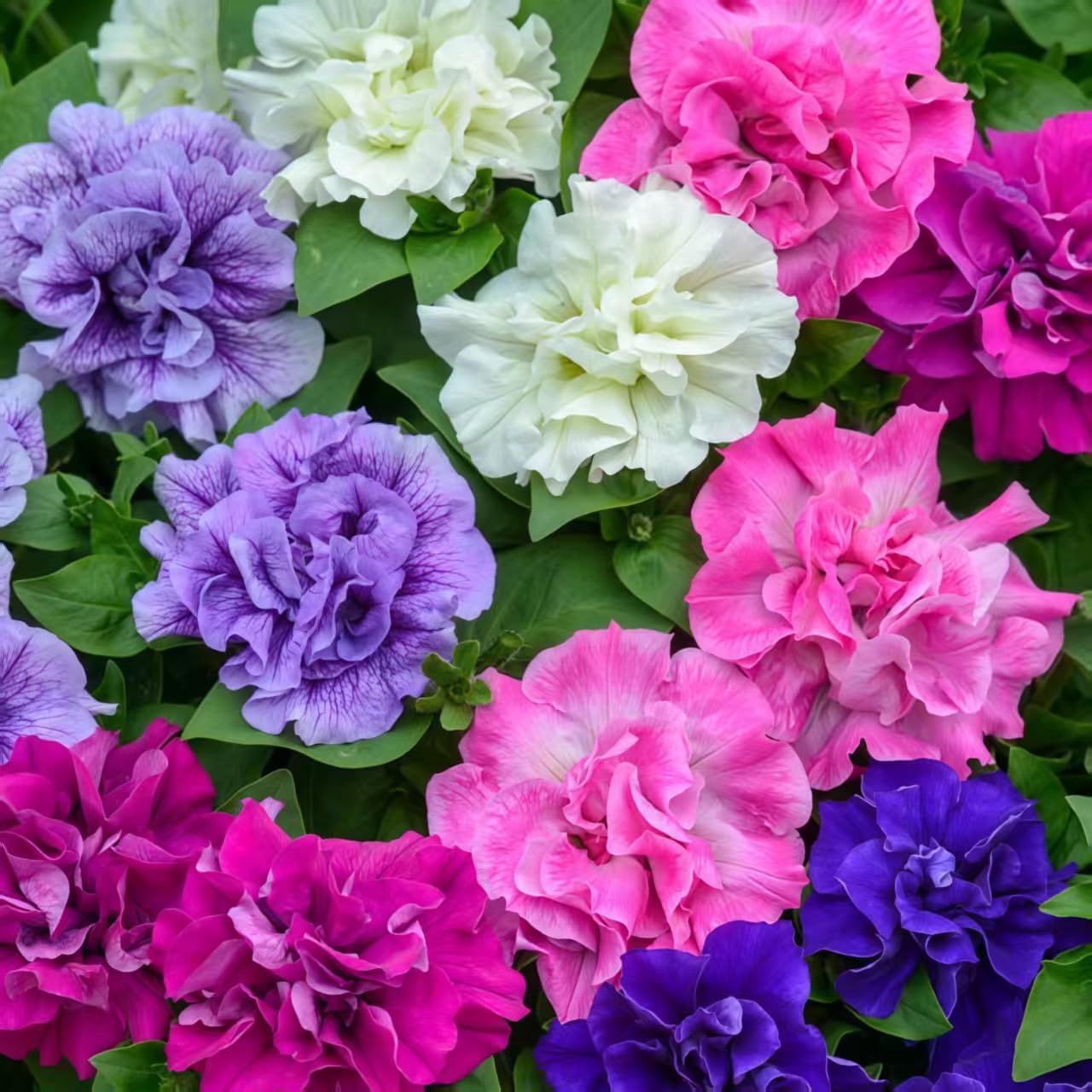
These BuggyBeds double dwarf petunia seeds produce a profusion of compact, colorful blooms well suited to hanging baskets, window boxes, and small container gardens in full sun. They are typically sown indoors or directly in containers, then transplanted or thinned so each plant has room to spill and fill a basket. The mix includes reds, pinks, purples, and whites and is described as heat and sun tolerant, which helps maintain steady flowering through spring and summer with moderate watering and routine feeding. The plants have a compact habit that keeps baskets full without overwhelming small spaces, and their flowers attract pollinators so they add both color and garden life. Limitations are that germination and color distribution can vary seed to seed and that these are a seasonal annual choice that needs replanting each year; performance also depends on good drainage and regular deadheading or trimming for the longest bloom period.
Best for: Gardeners who want an easy, colorful hanging-basket solution for full-sun locations and prefer starting many plants from seed to fill multiple containers affordably.
Less Ideal for: People seeking instant, uniform mature plants or a no-maintenance perennial solution should consider nursery-grown transplants or perennial alternatives instead.
- Large seed count (300+), enough to populate multiple hangers or containers
- Compact double-dwarf habit ideal for filling hanging baskets and small planters
- Heat and full-sun tolerance supports reliable summer flowering in sunny spots
- Attracts pollinators such as bees and butterflies
- Seed-grown variability means colors and bloom timing are not uniform
- As annuals, plants must be replanted each year to maintain displays
Verdict: A high-count packet of compact, sun- and heat-tolerant petunia seeds that fills hanging baskets with continuous summer color when started and cared for properly.
ELLA'S HOMES Lantana Live Plants (2-Pack)

| Unit Count | 2 Count |
|---|---|
| Plant Type | Perennial Flower Plant |
| Sun Exposure | Full sun |
| Size at Shipment | 5-12 Inches Tall |
This 2-pack of Lantana live plants arrives ready to transplant into pots or garden beds and is aimed at straightforward, low-maintenance summer color. Each plant is described as well-rooted and 5 to 12 inches tall, with random blooming colors that provide mixed orange, yellow, red, and purple clusters. In practice these lantanas perform best in full sun and are valued for long bloom periods and drought tolerance once established, making them a reliable option for sunny patios and containers. The plants are perennial where climate allows but go dormant in winter, so they are best used as outdoor seasonal or multi-year accents depending on your zone. Limitations are the random color selection and modest initial size, so buyers who need specific color schemes or instant large specimens may want larger or labeled starts. For gardeners seeking fuss-free, sun-loving container plants, these lantanas are an easy way to add sustained bloom without heavy care requirements.
Best for: Buyers who want dependable, low-effort full-sun container plants that provide long-lasting color on patios and in sunny beds.
Less Ideal for: Gardeners who need specific flower colors on demand or immediate large displays should consider larger nursery specimens or labeled varieties.
- Ready-to-transplant, well-rooted plants for quick establishment
- Long-blooming, colorful flower clusters that thrive in full sun
- Low maintenance and drought-tolerant once established
- Sold as a two-pack for easy pairing in pots or beds
- Color is random so exact flower shades are not guaranteed
- Plants are small on arrival and may take a season to reach full size
Verdict: A simple, dependable two-pack of sun-loving lantanas that delivers long-lasting color with minimal care.
KVITER Mix Moss Rose (Portulaca grandiflora) Heirloom Flower Seeds — Double Moss Rose Mix

| Indoor Outdoor Usage | Outdoor |
|---|---|
| Other Special Features of the Product | Drought Tolerant, Growing Guide Included, High Germination Rate, Made in the USA |
| Expected Blooming Period | Late Spring to Fall |
| Sunlight Exposure | Full Sun |
| USDA Hardiness Zone | 2-12 |
KVITER Mix Moss Rose seeds provide a straightforward way to establish a low, flowering ground cover that blooms from late spring through fall. The packet contains heirloom, non-GMO seeds of Portulaca grandiflora selected for double, ruffled blooms in pinks, reds, yellows and oranges; the included growing guide and high germination rate make direct sowing into warm, well-drained soil simple. These plants thrive in full sun and minimal water, so they are ideal for hot, dry spots, rocky borders, edging and shallow containers where you want continuous pink and mixed-color flowers without much care. Expect compact succulent foliage that spreads to form a colorful mat and attracts pollinators. Limitations are that moss rose prefers sandy or loamy, very well-drained soils and will not do well in shade or waterlogged conditions, and the low height means it is decorative rather than structural. Seed mix variability means color distribution is not uniform, so the result is a blended, natural look rather than a single solid block of pink.
Best for: Gardeners who want an easy, low-maintenance flowering ground cover for sunny, dry areas and who prioritize continuous seasonal color with minimal watering.
Less Ideal for: People seeking tall or structural plants, dense single-color lawns of pink flowers, or gardeners with shady, poorly drained sites should look elsewhere.
- Heirloom non-GMO seeds with high stated germination for reliable sprouting
- Drought tolerant and thrives in full sun, suited to hot, dry sites
- Large unit count suitable for covering substantial ground or many containers
- Includes step-by-step growing guide to simplify direct sowing for beginners
- Performs poorly in shade or wet soils so site selection is important
- Seed mix produces a varied color blend rather than uniform pink-only coverage
Verdict: A simple, low-water choice to create a long-blooming, low pink-and-mix ground cover in hot sunny spots.
HOME GROWN Thumbelina Zinnia (3,000 Seeds)

| Indoor Outdoor Usage | Indoor, Outdoor |
|---|---|
| Expected Blooming Period | Summer to Fall |
| Sunlight Exposure | Full Sun |
| USDA Hardiness Zone | 2-11 |
| Material Features | GMO Free, Heirloom |
These Thumbelina zinnia seeds are a beginner-friendly way to fill window boxes and small containers with continuous, colorful blooms from summer through the first frost. Direct-sow after the last frost or start indoors; seeds germinate fast (4–10 days) at warm soil temperatures and the pack is selected for high germination so you get dense stands without excessive re-sowing. Plants stay compact and bushy, producing many 1–2 inch semi-double and double flowers in mixed colors that attract bees and butterflies while resisting deer. They perform best in full sun and average well-drained soil and become fairly drought tolerant once established, which reduces watering for sunny window boxes. Because these are open-pollinated, non-GMO heirloom seeds you can save seed from season favorites for next year. Note that they are annuals and need deadheading to maximize bloom duration, and like most zinnias they can develop mildew if foliage stays wet in humid conditions.
Best for: Gardeners who want a low-risk, high-yield flower for sunny window boxes and containers and value reliable germination and easy seasonal color that can be saved seed-to-seed.
Less Ideal for: Those looking for permanent plants or low-maintenance plantings that never require renewal across seasons should choose perennials instead.
- Huge seed count — enough to densely fill multiple window boxes or containers
- Heirloom, open-pollinated non-GMO seeds that allow you to save seed for future plantings
- Fast and reliable germination (4–10 days) with a reported high germination rate
- Compact Thumbelina habit produces continuous small blooms ideal for small spaces and edging
- Attracts pollinators and is deer resistant, supporting wildlife-friendly plantings
- Annuals that must be replanted each year
- Susceptible to foliar mildew if foliage remains wet in humid climates
Verdict: If you need dependable, compact annual color for window boxes that germinates quickly and lets you save seed, this Thumbelina zinnia pack delivers.
Choosing the Right Sun Tolerant Plants for Window Boxes: Key Factors to Consider
Sun and Heat Exposure
Window boxes in full sun receive prolonged light and heat that can quickly dry the potting mix. Plants rated for high sun handle stronger light without leaf scorch and can continue photosynthesis under hotter conditions. Heat-tolerant species often have adaptations such as smaller or thicker leaves, reflective hairs, or waxy cuticles that reduce water loss.
Choosing plants that match the actual sun exposure of the box matters. South- or west-facing locations will demand higher heat tolerance than an east-facing morning sun site. Consider afternoon shade or reflected heat from walls when judging how much stress a plant will face.
Rooting Depth and Container Volume
Window boxes typically offer shallow soil depth and limited volume, which restricts root growth and water storage. Plants that establish shallow but dense root systems tend to perform better than deep-rooted species in these planters. Compact cultivars and dwarf varieties are often bred specifically for containers and will use the available volume efficiently.
A plant's ability to tolerate tighter root space influences how often you need to water and how quickly the soil temperature fluctuates. Choosing specimens adapted to small containers reduces transplant shock, lowers watering frequency, and helps maintain steady vigor through hot spells.
Watering Frequency and Drought Response
Shallow window boxes dry faster than in-ground beds. Even sun-loving plants vary in drought tolerance: some survive short dry periods but suffer reduced flowering, while others enter a conservative, low-growth state until rehydrated. Look for plants that either store water in foliage or those that maintain flowering on reduced water.
Consider how often you can realistically water. If you travel or prefer low-maintenance plantings, emphasize species that tolerate occasional missed waterings and recover quickly when rewatered. Mulch at the soil surface and choose coarser potting mixes to help retain moisture without waterlogging roots.
Size, Habit, and Seasonal Interest
Window boxes are visible and often in a small scale, so plant size and growth habit directly affect aesthetic success. Choose upright, mounding, or trailing forms depending on whether you want spillover or a more contained look. Compact, well-branched plants give fuller coverage sooner, while trailing types add movement and soften box edges.
Also weigh seasonal interest. Some sun-tolerant choices provide long bloom runs, while others offer strong foliage color or texture that carries through between blooms. Selecting a mix of habits and timing can extend visual interest across the season.
Maintenance and Pest Resilience
Plants in window boxes are exposed and accessible to pests, and stressed plants are more vulnerable. Low-maintenance options require minimal deadheading, feeding, and pruning to look their best. Species with natural pest resistance or those less attractive to common container pests reduce time spent on treatments.
Also consider how tolerant a plant is of occasional neglect. Robust perennials or hardy annuals that rebound after heat stress will outperform more fussy choices in an urban or vacation-prone household.
Fertilizer Needs and Soil Management
Limited soil in window boxes becomes depleted faster than garden beds. Sun-loving plants that have modest nutrient demands or that respond predictably to regular light feeding are easier to manage. Slow-release fertilizers or regular liquid feeds help maintain bloom without encouraging weak leggy growth.
Potting mixes designed for containers with good drainage and some moisture-retentive components will keep plants healthier in full sun. Refreshing the top layer of soil annually and checking pH for nutrient availability also supports sustained performance.
Designing a Sun-Filled Window Box
Decide on a visual goal before planting: compact cohort, mixed textures, or spillover drama. Arrange plants by habit so taller elements sit toward the back of the box and trailing varieties are placed at the front edge to cascade naturally.
Balance bloomers with foliage-focused plants so the box still looks good between peak flowering. Choose a consistent color palette and repeat plant forms to create cohesion across multiple boxes on a facade.
- Place heat-tolerant foliage at the back for structure.
- Use one or two trailing plants to soften the box edge.
- Repeat a color or texture every few feet for continuity.
Soil Mix and Watering Techniques for Shallow Containers
Use a container mix that drains quickly but retains some moisture. Incorporate components like compost and water-retentive but airy amendments to prevent rapid drying while avoiding waterlogged roots.
Water deeply and less frequently rather than light surface wetting. Soak until water runs from the drainage holes, then allow the top inch to dry before watering again. In extreme heat, check soil moisture twice daily and consider morning watering to reduce evaporation losses.
- Top-dress with fresh mix annually to replenish nutrients.
- Consider self-watering inserts or a moisture meter for very shallow boxes.
Combining Annuals and Perennials
Mixing annuals and perennials in window boxes gives versatility. Perennials provide structure and reliable foliage, while annuals fill in gaps and add abundant, season-long blooms. Replace tired annuals midseason if you need a refreshed look.
Choose perennials that stay compact and will not outgrow the box over multiple seasons. Plan the planting to allow easy removal of spent annuals without disturbing perennial roots.
- Use perennials as anchors and annuals for seasonal color.
- Plant annuals in front or around perennials to avoid root competition.
Managing Heat Spikes and Urban Microclimates
Urban settings can produce heat spikes from reflected light and nearby pavement. Provide temporary shade cloth during heatwaves or shift more sensitive containers to a slightly shadier location if possible. Small adjustments like adding a light mulch layer can reduce soil temperature fluctuations.
Group boxes with similar watering needs together so you can water efficiently and avoid over- or under-watering specific containers.
- Use light-reflective paints or backdrops sparingly to avoid increasing heat load.
- Add a thin organic mulch layer to preserve moisture and moderate root temperatures.
Winter Care and Overwintering Strategies
Many sun-tolerant plants are annuals in colder climates and will need replacement each year, but some compact perennials can overwinter in situ with proper protection. Reduce watering after growth slows and trim back dead foliage to limit pest and disease issues.
For regions with hard freezes, consider bringing boxes indoors when possible or insulating the outside of the box. Alternatively, lift perennial rootballs into a larger insulated container for winter storage in an unheated garage.
- Drain and store metal or plastic boxes where freeze-thaw cycles can damage them.
- Cut back perennials and apply a light mulch if leaving them in place over winter.
How We Chose the Best Sun Tolerant Plants for Window Boxes
We prioritized plants that are demonstrably tolerant of strong, sustained sunlight and that thrive in the constrained conditions of window boxes. Selection emphasized species and varieties that maintain compact habit, resist leaf scorch, and require minimal daily watering when established. We also favored plants that offer continuous or repeat bloom, attractive foliage, or both, to keep narrow containers appealing throughout the season. Evaluation criteria included heat and drought tolerance, container root volume adaptation, maintenance and pruning needs, and seasonal display longevity. Plants with invasive spread or those that need deep soil to succeed were excluded. We also filtered out specimens that require frequent shade, heavy fertilization, or complex winter protection in typical temperate climates. The final list balances visual impact with practical handling for gardeners who want reliable, low-fuss window-box plantings.
FAQ
How often should I water sun-loving window box plants?
It depends on temperature and box depth, but generally water deeply when the top inch of soil is dry. Shallow boxes in hot weather may need daily checks and watering, while larger volumes can go longer between soakings.
Can I mix plants with different sun needs in the same box?
Mixing is possible if the micro-site provides consistent light. Avoid pairing shade-preferring plants with full-sun subjects because the shaded items will underperform in bright exposure.
Will window boxes need fertilizer more often in full sun?
Yes. High light and frequent watering can leach nutrients faster, so plan light regular feeding with a balanced liquid feed or a slow-release formula designed for containers.
What is the best soil depth for sun-tolerant window box plants?
Aim for the deepest box you can accommodate, but many suitable plants do fine in 6 to 8 inches of quality container mix. Deeper boxes give more buffer against heat and reduce watering frequency.
How do I prevent root overheating in sunny locations?
Use mixes with good organic content to retain moisture, add a thin mulch layer, and avoid dark, heat-absorbing boxes directly on reflective surfaces. Morning watering also helps cool the root zone.
Are trailing plants better than upright ones for window boxes?
Both have roles. Trailing plants soften the box edge and hide soil, while upright or mounding plants provide structure and height. Combining habits gives the best seasonal display.
Final Verdict
Choosing sun-tolerant plants for window boxes means balancing heat resilience, container rooting habits, and how much maintenance you want to do. Prioritize species and cultivars that stay compact, tolerate shallow soil, and either hold water well or bloom reliably with less frequent watering. Accept tradeoffs between longest bloom and lowest care. If minimal attention is your priority, emphasize drought-adapted foliage plants and compact varieties. If maximum seasonal color matters, plan for light feeding and occasional refreshes to keep blooms strong.
