

Note: This article contains affiliate links. If you click on these links and make a purchase, I may earn a small commission at no extra cost to you. This helps support my research and content. Read my full affiliate disclosure here.
A good trellis for beans changes how your vines grow, harvests, and how much space you need. Whether you have a small raised bed, a patio with containers, or a larger vegetable patch, the right support reduces broken stems, improves air flow, and makes picking pods faster. This guide covers seven top trellis options shortlisted for bean-growing situations and evaluates them by the criteria gardeners care about: load-bearing strength, ease of setup and teardown, material durability, and how friendly they are for harvesting and maintenance. Read on to find the trellis style that fits your garden space and planting habits.
Top Picks at a Glance
| Best Overall The best all-around choice for most situations | MQHUAYU Adjustable Heavy-Duty A‑Frame Trellis, 50 x 17 inches |  |
| Best Quality Built to a higher standard if you want something more solid | HIHADUUM 2-Pack Adjustable A-Frame Metal Trellis (17"–50") |  |
| Best Value The sweet spot between price and what you get | K-Brands 50 x 50" A‑Frame Vegetable Trellis with Netting |  |
| Best Budget The cheapest option that still gets the job done reliably | 7Queen Adjustable A‑Frame Garden Trellis with Climbing Net and Plant Clips |  |
| Highest Rated A top-rated pick with lots of positive feedback | Thealyn 32" Metal Plant Trellis, 4-Pack |  |
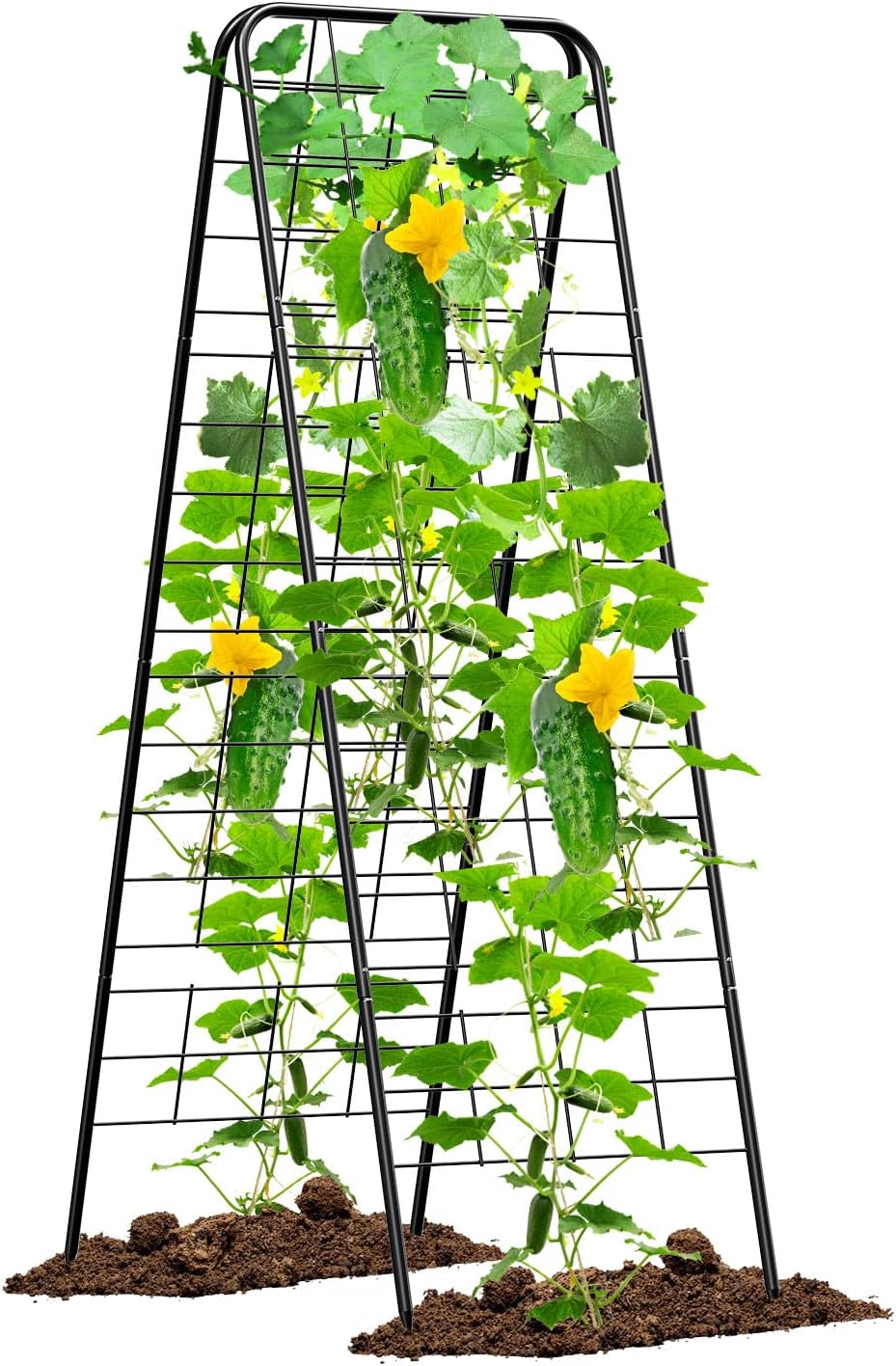
MQHUAYU Adjustable Heavy-Duty A‑Frame Trellis, 50 x 17 inches
| Material Type | Galvanized Metal, Steel |
|---|---|
| Finish Type | Powder Coated |
| Adjustable Height | 17" to 50" |
| Style | Heavy Duty |
This MQHUAYU A-frame trellis is a sturdy, tool-free support for peas and other vining crops in raised beds or containers. The preassembled panels unfold and hand-tighten in minutes, letting you set the trellis anywhere without digging or complicated assembly. Its dense galvanized steel mesh and a 1cm thickened frame create a rigid grid that resists sagging under heavy yields and holds vines upright as they climb. The factory-fused hinge and included ground stakes improve wind stability, while the powder-coated, rust-resistant finish lets it stay outdoors across seasons. The trellis adjusts from 17 to 50 inches tall, so it works for early seedlings and mature pea plants; when the season ends the panels fold flat for compact storage. Limitations to note: the 17-inch width is narrow, so it is best for single-row beds or narrow planters rather than wide double-rows, and it is a fixed A-frame rather than a free-standing tall obelisk for very large trellis layouts.
Best for: Gardeners who want a reliable, low-maintenance trellis that installs fast and holds heavy pea crops in raised beds or narrow containers.
Less Ideal for: Growers planning wide double-row plantings or large-span trellis systems who need broader or taller single-plane supports.
- Tool-free, quick assembly with hand-tighten bolts for fast seasonal setup
- Dense galvanized steel mesh and thick frame reduce sagging under heavy vine loads
- Factory-fused hinge and ground stakes improve wind resistance and overall stability
- Powder-coated, rust-resistant finish suitable for multi-season outdoor use
- Narrow 17" width limits coverage per unit, requiring multiple trellises for wider rows
- A-frame shape is not ideal for creating very tall single-plane trellis runs
Verdict: If you need a compact, no-tools trellis that keeps pea vines upright and resists sagging, this heavy-duty adjustable A-frame is a dependable choice.
HIHADUUM 2-Pack Adjustable A-Frame Metal Trellis (17"–50")

| Material Type | Iron, Metal |
|---|---|
| Finish Type | Powder Coated |
| Adjustable Height | 17" to 50" |
| Number of Items | 2 |
This two-pack of HIHADUUM A-frame trellises is built for gardeners who push vines to perform. Each panel adjusts from a low 17 inches up to 50 inches, so you can start seedlings low and raise the support as beans and cucumbers climb. The frames are powder-coated iron with reinforced outer tubing and a dense 3.15"×3.94" grid that spreads fruit and vine weight across the structure, reducing sag on heavy pole beans. A one-piece forged hinge and pre-assembled panels cut assembly time to a few minutes and the kit includes clips, twist ties, and tape so you can secure plants immediately. Because the trellis stacks flat and is rust-resistant, it stores easily between seasons. Limitations to note are that the A-frame footprint is relatively narrow compared with long single-row trellises, so it works best in or along raised beds rather than for very long rows, and maximum height is 50 inches which may be short for the tallest varieties of indeterminate climbers.
Best for: Gardeners who prioritize sturdy, performance‑oriented supports for raised beds and want a quick, durable solution to grow heavy pole beans and other climbing vegetables.
Less Ideal for: Growers planning long continuous rows or those needing trellises taller than 50 inches should consider longer or taller linear supports instead.
- Reinforced 1.2 cm outer frame and dense grid distribute weight and resist sag on heavy vines
- Adjustable height from 17" to 50" allows staged support as plants grow
- Powder-coated steel construction for rust resistance and season-to-season durability
- Includes plant clips, twist ties, garden tape and gloves so you can install and secure plants immediately
- Narrow A-frame footprint is less suited to very long single rows
- Maximum 50" height may be short for the tallest pole bean varieties
Verdict: If you need rugged, quick‑to‑assemble trellises that keep heavy pole beans upright in raised beds, this reinforced adjustable A‑frame two‑pack delivers dependable performance.
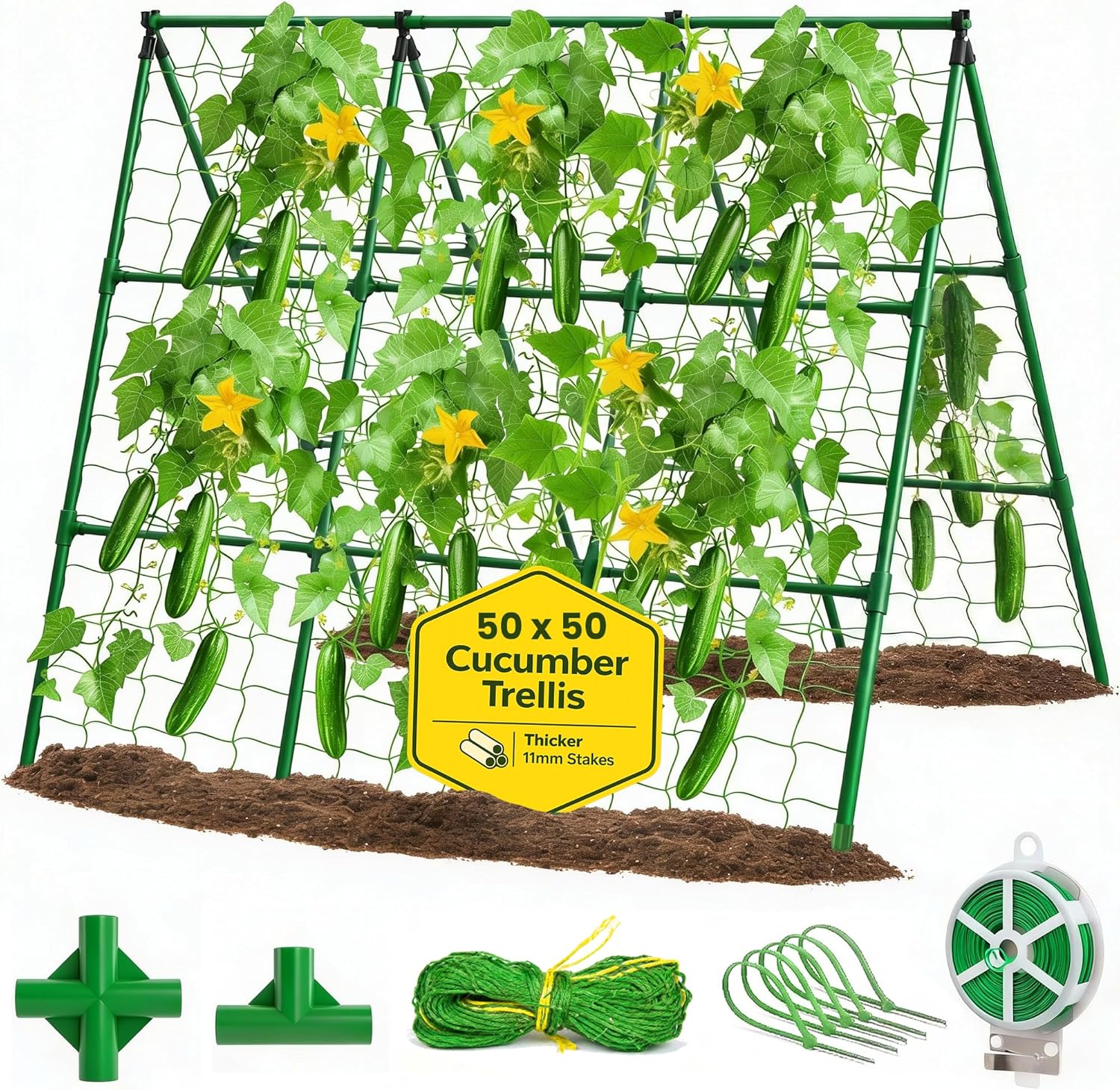
K-Brands 50 x 50" A‑Frame Vegetable Trellis with Netting
| Material Type | Metal, Plastic |
|---|---|
| Finish Type | Powder Coated |
| Product Style | Classic |
| Shape | A-Shape |
| Unit Count | 1 Count |
This A-frame trellis provides a quick way to add vertical support to a raised bed or large container. The kit snaps together without tools using easy-connect joints and includes heavy-duty netting, twist ties and zip ties so you can install it and train vines the same day. Powder-coated steel tubing resists rust and the A-frame shape gives a stable two-sided support that works well for pole beans and lighter vining crops. The trellis is compact enough to fit inside raised beds while still offering generous vertical area for multiple plants. Because it is relatively lightweight, it can be moved or repositioned during the season but should be secured in windy locations. The included netting and ties simplify setup, though very heavy fruiting vines may need additional anchoring or stronger supports as they mature. Sharp edges are noted in the safety info, so handle assembly with care.
Best for: Gardeners who want a practical, no‑fuss trellis to maximize vertical space in raised beds or containers and prefer ready-to-use kits that minimize extra purchases and setup time.
Less Ideal for: Growers planning to support very heavy fruiting vines or large pumpkins who need heavier, permanent structures should consider sturdier, anchored supports.
- Tool-free, quick assembly with easy-connect joints
- Powder-coated steel frame for rust resistance
- Includes netting and multiple ties so no extra purchases are required
- A-frame design offers two-sided support and fits well inside raised beds
- Lightweight frame may need extra anchoring for very heavy or mature vines
- Sharp edges reported so careful handling during assembly is required
Verdict: A fast, ready-to-use A-frame trellis that saves bed space and gets beans and other vining vegetables up and off the soil with minimal fuss.
7Queen Adjustable A‑Frame Garden Trellis with Climbing Net and Plant Clips

| Brand | 7Queen |
|---|---|
| Finish Type | Galvanized Steel |
| Net Size | 0.9×1.8meter |
| Unit Count | 1 Count |
This 7Queen A-frame trellis is a low-cost, ready-to-assemble support system for climbing vegetables that ships with metal stakes, connector pipes, A-shaped connectors and a 0.9 x 1.8 m plant net. It is typically used in raised beds or directly in soil to train beans, cucumbers, peas and small tomato vines upward, freeing bed space and improving air circulation. The galvanized steel finish and included clips help keep plants secured while resisting routine outdoor exposure. Assembly is straightforward and the A-frame design can be resized using the T-shaped connectors to fit different bed widths. Because it is lightweight and simple, it is easy to move or store between seasons. Limitations are that the structure is basic and best for light- to medium-weight vines rather than heavy, fruit-laden tomato indeterminate varieties, and users seeking a heavy-duty permanent trellis may prefer thicker tubing or welded frames.
Best for: Gardeners who want an inexpensive, easy-to-install trellis to add vertical growing space for beans and other light- to medium-weight climbers in raised beds or small plots.
Less Ideal for: Growers who need a permanent, heavy-duty support for large indeterminate tomatoes or heavy fruit loads should choose a sturdier, commercial-grade frame.
- Includes stakes, connector pipes, A-frame connectors and a 0.9 x 1.8 m climbing net for a complete kit
- Galvanized steel finish provides basic corrosion resistance for outdoor use
- Adjustable A-frame design can be resized to fit different raised bed widths
- Lightweight and easy to assemble or reposition during the season
- Not engineered for very heavy or large fruiting vines and may bend under sustained heavy load
- Basic connector system is less rigid than welded or thicker-framed trellises
Verdict: A very affordable, easy-to-assemble A-frame trellis that quickly creates vertical space for beans and similar climbing vegetables.
Thealyn 32" Metal Plant Trellis, 4-Pack

| Material Type | Metal |
|---|---|
| Finish Type | Powder Coated |
| Item Type Name | Metal trellis |
| Number of Items | 4 |
These Thealyn trellises are welded metal, powder-coated supports sold in a set of four and built for easy, no-tools use. Each fan-shaped trellis is intended to be pushed into potting soil or garden beds to guide vines upward, which makes them well suited for training pole beans, peas, clematis and other climbers in containers or small plots. The powder-coating and solid iron construction make them more weather resistant and stiffer than thin wire stakes, so they hold stems without bending under normal loading. Because they are single-piece and require no assembly you can install multiple supports quickly across a row of beans or in individual pots. Limitations to note are their 32-inch height and relatively narrow width, which means taller or heavy-fruited bean varieties will eventually need taller, stronger support or layered trellises, and the fan shape gives less continuous mesh for very young seedlings that prefer denser twine or netting. For gardeners who prioritize dependable, low-maintenance plant support in planters or compact beds these trellises are a practical, durable choice.
Best for: Gardeners who want dependable, low-maintenance supports for container-grown or short to medium-height climbing beans and prefer ready-to-use metal trellises over DIY netting.
Less Ideal for: Growers planning to train tall or heavy-yielding pole bean varieties long into the season or those who need full-coverage netting for seedling support.
- Powder-coated solid iron construction resists rust and adds stiffness
- No assembly required so supports can be installed quickly by one person
- Set of four provides multiple supports for rows or several pots
- Fan-shaped profile helps spread and tidy climbing stems
- At 32 inches tall they are too short for taller bean varieties or long-season growth
- Open fan pattern does not provide continuous mesh for very young seedlings that need tighter support
Verdict: A durable, no-assembly metal trellis set that reliably supports container and short to mid-height bean plants with minimal fuss.
Choosing the Right Trellis for Beans: Key Factors to Consider
Structural Strength
Beans can become surprisingly heavy once vines are laden with foliage and pods. A trellis must resist sagging and bending so the plants stay upright and stems are not stressed. Look for designs that distribute load across multiple attachment points or that use rigid uprights anchored firmly in the soil or container.
Stronger structures also reduce the risk of collapse in wind or after rain. That matters in exposed beds and containers where a fallen support can crush plants or break stems. Consider how the trellis connects to the ground and whether extra stakes or anchoring hardware are needed for your soil type.
Ease of Setup
You'll use the trellis at least once each season, often more if you move it between beds or into storage. Simpler assembly and fewer tools mean quicker installation and less chance of incorrect setup that weakens the support. Clip-and-lock systems, foldable panels, and single-piece frames are faster to deploy than complex multi-part rigs.
Ease of setup also includes how the trellis is attached to containers. For balcony or container gardeners, look for models that secure to rims or insert into the potting mix without requiring heavy hardware. Clear instructions and replaceable fasteners add convenience over time.
Durability and Weather Resistance
Garden supports face sun, rain, wind, and sometimes frost. Materials that resist rust, rot, and UV breakdown last longer and maintain structural integrity over several seasons. Metal with protective coatings, rot-resistant wood, and weatherproof plastics each have tradeoffs in lifespan and maintenance.
Durability affects long-term cost and reliability. If you plan to reuse the trellis year after year, prefer finishes and materials designed for outdoor exposure. Also check for corrosion-prone joints and connections that might loosen with repeated assembly.
Harvest Accessibility
How easy it is to reach pods matters for both yield and plant care. A trellis should present vines so you can see and pick beans without stepping into beds or disturbing neighboring plants. Open-grid or spaced-rod designs let you reach through the framework, while dense netting can hide pods and complicate harvest.
Accessibility also affects pruning, pest scouting, and training new growth. Consider whether the trellis can be moved slightly to access plants, or whether individual panels can be folded away for fruiting and maintenance.
Space Efficiency
Gardeners with small plots or container setups need trellises that maximize vertical growing area while minimizing ground footprint. Slim, tall supports or A-frame structures can give ample climbing room without taking much planting space. The trellis footprint should match row spacing and allow companion planting at the base.
Think about storage space too. Collapsible or flat-folding trellises save room in sheds and garages between seasons. Also evaluate how the trellis height and depth suit pole bean varieties versus bush beans that may still appreciate partial support.
Material and Maintenance
Different materials require different care. Metal frames with coatings resist pests and fungal growth but may need occasional touch-up if the finish chips. Natural wood offers a pleasing aesthetic and biodegrades over time, which is fine if you accept a limited lifespan and occasional preservative treatment. Synthetic fibers and plastic grids are low-maintenance but can become brittle under intense sun.
Maintenance considerations include whether the trellis can be cleaned easily between seasons to reduce disease carryover, whether replacement parts are available, and how simple it is to repair bent or broken elements without replacing the whole unit.
Trellis Shapes and How They Affect Growth
The shape of a trellis determines how vines climb and how you manage space. A flat vertical panel gives plants a single plane to climb and is ideal for narrow rows or against fences. A-frame and tunnel shapes increase climbing surface and can support denser plantings without extending the footprint.
Consider a trellis that matches your planting layout. Tall narrow panels work for sidewalks and balcony edges. Wider grid-style panels suit in-ground beds where you want multiple plants trained together. The chosen shape also affects light penetration and airflow through the canopy, which influences disease risk and pod development.
- Vertical panels: best for narrow spaces and single-row planting
- A-frames: good for two-sided planting and stronger load support
- Arches and tunnels: allow walk-through access and high-density planting
Anchoring and Stabilization Techniques
Proper anchoring prevents sagging and uprights pulling out of soft soil or light potting mix. For in-ground installations, drive stakes or rebar at an angle for extra pull resistance and use durable ties at multiple heights. In containers, heavier bases or buried supports that reach into larger soil volume improve stability.
When winds are a factor, add guy-lines or secondary stakes and check connections periodically. For removable or seasonal trellises, use sleeves or sockets set beside the bed to make placement repeatable and secure without disturbing roots.
- Use angled stakes or rebar to resist uplift
- Anchor container trellises into the potting mix with deep stakes
- Add guy-lines for exposed sites
Training Beans to the Trellis
Start guiding stems early when plants are young. Gently wrap tendrils around the nearest support or use loose ties to encourage upward growth. Regularly train side shoots to the structure to prevent tangling and to distribute weight evenly across the trellis.
For dense plantings, thin weak seedlings to reduce competition. Check for vines that are twisting around each other and separate them so each has room to climb. Early attention produces neater canopies that are easier to harvest and less prone to disease.
- Begin training when plants are a few inches tall
- Use soft ties to avoid stem damage
- Separate tangled vines to improve airflow
Container and Balcony Considerations
On patios and balconies, trellis selection must account for pot stability and limited soil depth. Shorter, stiffer supports anchored into the container or attachable to railings reduce the chance of tipping. Choose materials that withstand close proximity to living spaces and that are easy to collapse for storage.
Also think about maintenance access. Lightweight panels that detach from containers let you move the structure for watering, pest control, and picking without disturbing root systems.
- Anchor into the container base for stability
- Prefer collapsible designs for easy storage
- Ensure trellis height matches pot depth and plant variety
Seasonal Care and Storage
After harvest, clean the trellis to remove plant debris and reduce disease carryover. Metal frames benefit from a quick inspection of joints and touch-up of any exposed metal. Synthetic nets and ropes should be stored dry to avoid mildew.
Foldable and modular trellises are easier to store, but even rigid supports can last longer if protected from prolonged ground moisture during winter. Label and keep small hardware together so reassembly next season is straightforward.
- Clean and dry supports before storage
- Inspect and replace damaged ties or fasteners
- Store collapsed or elevated to prevent moisture damage
How We Chose the Best Trellis for Beans
We selected trellises for beans by prioritizing the practical needs gardeners face when training climbing legumes. Our evaluation focused on structural strength under a loaded vine canopy, how straightforward each design is to install and remove, and how the material holds up outdoors across a growing season. We also considered how accessible the plants are for harvesting and routine care, and whether the design fits constrained spaces like balcony containers or narrow rows. Exclusions included temporary or novelty supports not intended for repeated seasonal use and systems meant only for lightweight vining plants. In practice we filtered for durable materials, simple but effective attachment points, clear instructions for securing in soil or containers, and versatility for both pole and bush varieties that benefit from vertical training. These are the dimensions that determined which trellises made the shortlist and that inform the scoring criteria used on each product card.
FAQ
What height should a trellis for beans be?
Height depends on the bean variety. Pole beans usually need 6 to 8 feet of support while shorter varieties can do well on 3 to 4 foot structures. Also factor in how accessible you want pods to be for harvesting.
Can I use a trellis in a container?
Yes. Use a trellis that anchors deeply in the potting mix or that secures to the container rim. Heavier containers and deeper soil improve stability and reduce tipping risk as vines mature.
Is netting or rigid rod better for beans?
Both have merits. Netting is lightweight and gentle on stems, making it good for delicate tendrils. Rigid rods or panels provide stronger support for heavy loads and are easier to access for harvesting. The right choice depends on plant vigor and expected pod load.
How soon after planting should I put up a trellis?
Install the trellis at or shortly after planting so young vines can climb immediately. Setting support early prevents root disturbance later and encourages upward growth rather than sprawling.
How do I secure beans to a trellis without damaging stems?
Use soft ties, twine, or plant clips that give the stem room to expand. Avoid tight knots and check ties periodically, especially as plants thicken, to prevent girdling and stem damage.
Final Verdict
Choose a trellis by balancing strength, access, and the space you have available. If you need tall, heavy-duty support for prolific pole beans prioritize structural strength and durable materials. For patio or container setups pick compact, well-anchored designs that are easy to install and store. Prioritize the factors most important to your gardening style – whether that is harvest accessibility, minimal maintenance, or maximum vertical space – and accept the tradeoffs. With the right trellis you will improve airflow, reduce broken stems, and make harvesting easier across the season.
