

Note: This article contains affiliate links. If you click on these links and make a purchase, I may earn a small commission at no extra cost to you. This helps support my research and content. Read my full affiliate disclosure here.
When you need to keep a lawn tidy, the right weeding tool makes targeted removal fast and reduces stress to surrounding grass. A good lawn weeder pulls roots cleanly, resists slipping, and leaves a small hole that closes quickly so the turf recovers without bare patches. This guide shortlists the top options for lawn care and explains how each was judged on ergonomics, extraction effectiveness, and turf safety. Read on to find the style of tool and features that suit your lawn size and the kinds of weeds you face.
Top Picks at a Glance
| Best Overall The best all-around choice for most situations | WILFIKS Stand-Up Weed Puller Tool with Bamboo Handle and 4-Claw Steel Head |  |
| Best Quality Built to a higher standard if you want something more solid | Fiskars 39" Deluxe Stand-Up 4-Claw Weed Puller | 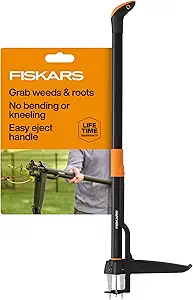 |
| Best Value The sweet spot between price and what you get | NICOFPHY 60" Long-Handle 2-in-1 Weed Puller Rake and Hoe |  |
| Best Budget The cheapest option that still gets the job done reliably | GOXAWEE 45" Stand-Up Weed Puller Tool |  |
| Highest Rated A top-rated pick with lots of positive feedback | Linatikou Stainless Steel Stand-Up Dandelion Weeder with Ergonomic Handle |  |
| Most Popular A crowd favorite that many people choose with confidence | Grampa's Weeder Original Stand-Up Weed Puller with Bamboo Handle |  |
WILFIKS Stand-Up Weed Puller Tool with Bamboo Handle and 4-Claw Steel Head

| Item Weight | 3.12 pounds |
|---|---|
| Manufacturer | WILFIKS |
| Item model number | 6172 |
| ASIN | B0DWBQWX5S |
This stand-up weed puller is a straightforward tool for removing individual weeds from lawns, beds, and paths while you remain upright. It uses a four-claw steel head that grips roots and a quick-release mechanism to free the plant after extraction, and the 44-inch bamboo handle gives a natural, comfortable grip for repeated use. Typical use is simple: position the claws around the weed stem, step on the foot platform to close the jaws, then pull up and release the weed with the quick-release. The tool reduces back strain and is especially helpful for spot weeding and areas where chemical control is undesirable. Notable features are the foot platform for added leverage and the quick-release for tidy disposal. Because it is a manual single-plant tool, it is best for small- to medium-sized yards or targeted weeding rather than clearing large areas quickly. Users should expect slower progress than with powered equipment and occasional difficulty with very deep or woody-rooted plants.
Best for: Buyers who want a simple, no-fuss standing weeder to reduce bending and handle routine spot weeding in lawns, beds, and paths while prioritizing comfort and ease of use.
Less Ideal for: People who need to clear large expanses of weeds quickly or who routinely battle very deep or woody-rooted plants should choose motorized or heavy-duty digging tools instead.
- Allows upright weeding to reduce bending and back strain
- Four-claw steel head designed to grip and extract roots
- Foot platform provides leverage for easier jaw closure
- Quick-release mechanism makes disposing pulled weeds tidy
- Manual operation is slow for large areas
- May struggle with deep taproots or very woody perennial roots
Verdict: A comfortable, easy-to-use stand-up weeder that removes individual weeds without bending, ideal for balanced home gardeners who want efficient spot weeding.
Fiskars 39" Deluxe Stand-Up 4-Claw Weed Puller

| Head Material | Stainless Steel |
|---|---|
| Handle Material | Aluminum |
| Grip Material | Thermoplastic Elastomer (TPE) |
| Number of Items | 1 |
The Fiskars 39" Deluxe Stand-Up Weeder is built for fast, permanent removal of dandelions, thistles, and other deep-rooted weeds without kneeling or herbicides. You position the head over the weed, step on the reinforced foot pedal to drive four serrated stainless-steel claws into the soil, pull back to extract the root, then use the easy-eject mechanism to clear the head. The long aluminum shaft and offset handle reduce back and wrist strain for longer sessions, while the viewing window in the pedal helps accurate placement. It performs best in moist or recently watered soil; in hard, compacted, or clay-heavy ground you will need to pre-soften the area for the claws to penetrate fully. The tool is light enough for extended use yet feels sturdy when you step down, and the stainless blades are made to stay sharp through repeated use. If you want a durable, ergonomically designed manual weeder that prioritizes effective root removal and less physical strain, this is a practical choice.
Best for: Buyers who want an efficient, ergonomic hand tool to remove broadleaf and taproot weeds by the root while avoiding bending and repeated chemical treatments.
Less Ideal for: Gardeners who need a tool for cutting large woody roots, heavy-duty excavation, or frequent use in hard, compacted clay without pre-wetting the soil should consider more heavy-duty or powered options.
- Long 39-inch shaft and offset handle reduce bending and wrist strain for extended use
- Four serrated stainless-steel claws grab roots for thorough removal
- Reinforced foot pedal and viewing window enable confident placement and penetration
- Easy-eject mechanism clears pulled weeds quickly for faster repetition
- Requires moist or softened soil to penetrate compacted or clay-heavy ground effectively
- Not suited for very large woody roots or extremely dense turf
Verdict: Choose this weeder if you want a durable, ergonomic stand-up tool that reliably extracts weeds by the root with minimal bending.
NICOFPHY 60" Long-Handle 2-in-1 Weed Puller Rake and Hoe

| Head Material | Cast Steel |
|---|---|
| Handle Material | Metal |
| Item Weight | 0.83 kg |
| Head Size | 6 inches |
This NICOFPHY 60-inch weed puller is designed to let you stand while removing weeds and doing light soil work. The tool ships as a head with four stainless-steel poles that screw together to reach 60 inches or shorter lengths, so you can use it from a comfortable upright position. One side of the head has six sharp tines for levering out deep-rooted weeds like dandelions and crabgrass while the broad, sharpened shovel side doubles as a hoe for loosening soil, leveling small patches, and scraping away larger areas of growth. The cast-steel head and welded construction make the working end feel solid and resistant to bending, and the metal handle/grip keeps things simple and durable. Expect to use it for beds, lawns, and small yards where you need to remove roots or tidy soil without kneeling. The tool is practical and low-maintenance, though the all-metal grip may be less comfortable on long jobs and the screw-together poles add a little setup time compared with a one-piece shaft.
Best for: Gardeners who prioritize efficient, back-friendly weeding and want a durable, no-frills tool to remove roots and tidy small lawns or beds without kneeling.
Less Ideal for: People who need cushioned handles for extended use or who prefer a single-piece shaft with no assembly.
- 60-inch adjustable pole lets you work standing up and reduce bending
- Two-head design (six tines plus broad hoe) handles both deep-rooted weeds and surface weeding or soil leveling
- Cast steel head and welded construction provide strength and resistance to deformation
- Screwed pole connections allow compact storage and adjustable length
- All-metal grip offers little cushioning for long sessions
- Screw-together poles require assembly and can loosen over heavy use
Verdict: Choose this tool if you want a sturdy, stand-up 2-in-1 weeder that removes deep roots and also works as a hoe for quick soil work.
GOXAWEE 45" Stand-Up Weed Puller Tool

| Material | 100% steel |
|---|---|
| Handle lengths | 33 and 45 inches (adjustable) |
The GOXAWEE stand-up weed puller is a simple, steel-bodied tool that lets you extract weeds while standing to reduce back strain. It uses a four-claw steel head that grips roots; you press the tool into the soil and lift to pull out taproots rather than just snapping off foliage. The handle adjusts between two lengths for different users and the all-metal construction means there are no plastic weak points to break under regular garden use. Practical benefits include faster removal compared with hand-pulling, less kneeling or bending for people with joint issues, and compact disassembly for storage. Important limitations are its basic manual operation that still requires foot or upper-body force on dense or deeply rooted weeds and the relatively heavy all-steel build that may feel bulky for prolonged use. It works best on lawns, beds, and small to medium plots where you need repeated root removal but is not a substitute for powered tools on very large areas.
Best for: Buyers who want an affordable, durable long-handle weeder that minimizes bending and removes roots cleanly for routine garden maintenance.
Less Ideal for: People managing very large lawns or commercial areas who need powered weed removal or lighter tools for extended continuous use.
- All-steel construction for durability and resistance to breakage
- 45-inch adjustable long handle reduces bending and back strain
- Four-claw head designed to grab and remove roots for cleaner weed removal
- Breaks down for compact storage and easy assembly
- Manual operation can be tiring on dense, deep-rooted weeds
- Heavier steel build may be tiring during long sessions
Verdict: A budget-friendly, heavy-duty stand-up weeder that pulls roots while letting you work upright, ideal for routine home garden maintenance.
Linatikou Stainless Steel Stand-Up Dandelion Weeder with Ergonomic Handle

| Material Type | Plastic, Stainless Steel |
|---|---|
| Blade Material | Stainless Steel |
| Handle Material | Plastic |
| Grip Type | Ergonomic Rubber |
This Linatikou weed puller is a simple hand tool aimed at removing deep-rooted weeds like dandelions by driving its V-shaped fork into the soil and levering out the root. It is typically used for spot weeding in lawns, flower beds, cracks in patios, and around delicate plants where a powered tool would be too aggressive. Notable features include a stainless steel blade and fork for rust resistance and strength, a curved ergonomic rubber handle for a non-slip comfortable grip, and a compact profile that lets you work accurately in narrow spaces. In practice it pulls whole roots when used with a short twisting and rocking motion, reducing regrowth compared with surface cutting. The tool is lightweight and easy to store, making it handy for regular maintenance sessions. Limitations are that it is a manual tool so larger infestations require time and physical effort, and it is best for individual plants rather than clearing large areas quickly.
Best for: Buyers wanting an inexpensive, no-frills hand weeder for spot removal and routine lawn or bed maintenance who prefer simple, durable tools over powered equipment.
Less Ideal for: People who need to clear large expanses of weeds quickly or prefer motorized solutions for heavy-duty yard work should consider larger or powered options.
- V-shaped stainless steel fork extracts deep roots to reduce regrowth
- Ergonomic rubber handle provides a secure, comfortable grip for extended use
- Compact design reaches tight spaces, cracks, and around plants with precision
- Manual operation is time-consuming for large areas and heavy infestations
Verdict: A dependable, budget-friendly hand weeder that pulls deep roots and is ideal for targeted spot weeding around the yard.
Grampa's Weeder Original Stand-Up Weed Puller with Bamboo Handle

| Handle Material | Bamboo |
|---|---|
| Head Material | Alloy Steel |
| Item Weight | 2.3 pounds |
| Head Size | Small |
Grampa's Weeder is a simple, hand-operated stand-up tool that uses a 4-claw alloy steel head and a long bamboo handle to pinch and extract weeds by their roots. To use it you press the footpad into soft or recently watered soil, lean the handle toward the footpad so the forks close around the weed, then lift to remove the root. The lightweight bamboo handle and footpad make repeated weeding less strenuous on the back and knees than traditional hand pulling or kneeling. The steel claws are effective on dandelions, crabgrass, and similar taproot weeds in softer soils but the tool is not intended for very hard clay or rocky ground. Its straightforward design requires no power, so it is quiet and chemical-free, and the lifetime guarantee reflects a confidence in build quality. If you have compacted soil or deep-rooted tough perennial weeds you may need additional leverage or a different tool, but for routine weeding in beds and lawns after watering this is a durable, low-effort solution.
Best for: Gardeners who value proven, low-effort hand tools and want a durable, chemical-free way to remove common taproot weeds while protecting their back and knees.
Less Ideal for: People who need to clear large weedy areas quickly or who work primarily in compacted clay or rocky ground should consider heavier-duty or powered alternatives.
- Stand-up design reduces bending and kneeling for gentler, ergonomically easier weeding
- 4-claw alloy steel head grips and pulls taproots effectively in soft or recently watered soil
- Bamboo long handle keeps the tool lightweight while providing comfortable reach
- Simple mechanical operation requires no power or chemicals and is easy to maintain
- Performance drops on hard clay or rocky soil where forks cannot penetrate easily
- Small head size can be slow for very large infestations or broad areas
Verdict: A lightweight, reliable stand-up weeder that removes taproot weeds without bending, ideal for routine gardening in soft or watered soil.
Choosing the Right Weeding Tool for Lawns: Key Factors to Consider
Root Extraction Effectiveness
How deeply a tool reaches and how securely it grips the taproot or fibrous root mass determines whether a weed returns. Many lawn weeds have a small but tenacious root ball; a tool that extracts the entire root system reduces follow-up weeding and chemical use.
Depth capacity also matters for different species. Shallow scrapers work for surface weeds but will fail on dandelions and similar taprooted plants. Choose a tool whose shaft length and tip design match the common weeds in your lawn.
Turf Impact and Hole Size
Removing a weed inevitably leaves a hole, but the size and shape of that hole affect recovery. Narrow, deep extractions tend to close up faster and are less visible than wide gouges. Tools that lever or pry can tear surrounding grass if poorly designed.
Consider how your lawn is used after weeding. High-traffic yards benefit from tools that make small, clean holes so the grass can re-knit quickly. For ornamental lawns you will want the least visible repair footprint.
Ergonomics and Repetitive Use Comfort
Lawn weeding often involves many quick, repetitive motions. A comfortable handle, balanced weight, and a shaft length that lets you work without bending excessively reduce fatigue and lower-back stress. Handle grip shape affects control and can prevent slipping in wet conditions.
For larger lawns, longer-handled or stand-up designs save time and strain. For tight spots around trees or garden features, a compact hand-held tool offers more precision.
Durability and Weather Resistance
Tools used outdoors face moisture, soil acidity, and knocks against rocks or pavement. Stainless or properly coated steel resists rust and keeps a sharp edge longer. Joints, fasteners, and grips should tolerate repeated wetting and drying.
A durable tool may cost more up front but avoids frequent replacements. Also review how easily replaceable any wear parts are, like rubber grips or small fasteners.
Ease of Cleaning and Maintenance
Soil, sap, and root fragments stick to blades and sockets, reducing effectiveness and increasing corrosion risk. Tools that have smooth, open profiles are easier to rinse and scrape clean. Designs that allow a quick wire-brush pass or hose-down mean less downtime during longer sessions.
Routine maintenance like drying, oiling metal parts, and tightening connections extends life and performance. Consider whether the tool design makes these basic tasks simple.
Suitability for Lawn Size and Weed Types
A tool that excels on a small suburban lawn may be impractical for an acreage and vice versa. Match the tool to both the scale of your lawn and the predominant weed species. For example, scattered individual weeds call for precise hand tools, while heavy infestations may be better addressed with long-handled extractors that speed work.
Think about storage and transport as well. Light, compact tools are easier to carry when you are moving between zones of a larger property.
Hand Tools Versus Stand-Up Extractors
Hand-held weeders give fine control around delicate turf, letting you work very close to blades of grass without damaging them. They are ideal for small lawns, tight corners, and for gardeners who prefer kneeling or using a kneeling pad.
Stand-up extractors reduce bending and speed work across larger areas. They use a levering action and often have a foot plate to push the shaft into the soil, making them useful for deeper taproots. However, they can leave slightly larger holes and require more storage space.
- Hand tools: precision, smaller holes, better for tight spots
- Stand-up extractors: less bending, faster across wide lawns, larger repair footprint
Materials and Finish That Withstand Lawn Conditions
Steel type and protective finishes influence longevity. Stainless steel or powder-coated carbon steel resists rust from moist soil and early-morning dew. Solid forged heads are less likely to bend when meeting hidden rocks.
Handles come in wood, aluminum, or fiberglass. Wood gives a traditional feel and can be refinished, while fiberglass and aluminum are lighter and resist the elements better. Choose a combination that balances weight and durability for your typical work sessions.
- Look for corrosion-resistant metals
- Choose handle materials based on weight and weather exposure
Using the Tool Without Damaging Grass
Extract weeds along their growth angle where possible and pull straight up to minimize tearing. For tools with a forked tip, insert the prongs next to the root crown, then wiggle gently to loosen soil before levering out the root mass. This approach reduces the chance of uprooting surrounding grassroots.
After extraction, press turf edges toward the hole with the sole of your foot or a gloved hand to speed recovery. For visible depressions, a small pinch of topdressing or soil and a light tamp will help the area settle and green over faster.
- Insert beside the crown, loosen first, then lift
- Press turf edges after removal to promote quick healing
When to Use Mechanical Versus Manual Control
Manual extraction is the most precise and least disruptive for isolated weeds. For larger infestations, mechanical or stand-up tools save time but may need follow-up spot treatments to catch incomplete removals. Avoid aggressive mechanical methods that scalp the lawn when your goal is neatness.
If you are dealing with recurring weeds in a localized area, address underlying causes like compacted soil, thatch, or drainage before repeating mechanical removals. Improving lawn health reduces weed pressure and makes each removal more effective.
- Manual for precision and minimal disturbance
- Mechanical for speed on many plants, expect follow-up
Seasonal Timing and Lawn Recovery
Weeding is easiest when soil is moist but not waterlogged. After rain or light irrigation the soil yields better, letting roots come out intact. Avoid weeding during drought-stressed periods when pulling may break roots and increase plant stress.
Plan weeding sessions to allow a few weeks of growth for the turf so that small holes close naturally. For lawns that see heavy foot traffic, schedule removals earlier in the season when recovery is quicker.
- Work after light rain for easier root removal
- Allow recovery time before heavy use
How We Chose the Best Weeding Tool for Lawns
We focused on features and behaviors that matter when removing weeds from turf rather than garden beds. Key evaluation criteria included extraction depth and root grip, because incomplete removal lets many lawn weeds resprout. We tested for turf impact and hole size, assessing how much surrounding grass was disturbed and how quickly the hole resembled normal turf after removal. Ergonomics and handling were examined to reduce wrist and lower-back strain during repeated use across a lawn. Durability and corrosion resistance were considered for tools left outdoors or used in damp conditions. Finally, maintenance and ease of cleaning were judged since sap and soil build-up slow work during long sessions. We excluded broad garden hoes and edging tools that are intended for beds or hard edges; only tools designed to work in turf and remove individual weeds were considered. The final short list reflects tools that balance clean root extraction with low turf damage and reliable, comfortable use.
FAQ
What is the best time of year to pull weeds in a lawn?
Often the best time is in spring and fall when the soil is moist and grass is actively growing. Moist soil allows cleaner root removal, and active turf recovers faster from small holes.
Will using a weeding tool damage my grass?
It depends on the tool and technique. Tools designed for lawns make small, narrow extractions. Using them correctly-inserting beside the root and lifting gently-minimizes damage and speeds turf recovery.
How can I remove deep taproot weeds without leaving holes?
Deep taproots often require a tool that reaches the full root length. Expect a small hole; close it by pressing turf edges together and light topdressing. Regular lawn care reduces deep-rooted weed establishment over time.
Are long-handled weeders better for large lawns?
Long-handled or stand-up weeders reduce bending and speed coverage, making them suitable for larger lawns. They may leave a slightly larger footprint, so balance speed with how visible repairs will be.
How should I maintain a weeding tool used in turf?
Rinse off soil after use, dry metal parts, and oil exposed steel surfaces to prevent rust. Sharpen or straighten tips when needed and replace worn grips to keep handling comfortable.
Final Verdict
Prioritize a tool that pulls the whole root while keeping the hole small and easy to repair. For small lawns and precise work choose a hand-held weeder with a narrow tip; for larger areas consider a stand-up extractor to save time and your back. Balance ergonomics, corrosion resistance, and cleaning ease to match how often and how intensively you will weed. With the right tradeoffs prioritized, you can keep turf intact and weeds under control without repeated rework.
