

Note: This article contains affiliate links. If you click on these links and make a purchase, I may earn a small commission at no extra cost to you. This helps support my research and content. Read my full affiliate disclosure here.
If you need to grow plants in a small apartment, closet, or spare corner, the right mini grow tent makes a big difference. A well-chosen tent gives you control over light, odor, and airflow without taking over valuable space. This guide looks at seven shortlisted mini grow tents that perform well in constrained footprints and explains the features that matter for reliable indoor gardening. We evaluate light-proofing, ventilation options, build quality, and ease of use so you can match a tent to your available space and intended crops.
Top Picks at a Glance
| Best Overall The best all-around choice for most situations | VIVOSUN P224 PRO 2×2 Grow Tent (24" x 24" x 48") |  |
| Best Quality Built to a higher standard if you want something more solid | Spider Farmer 2x2x6 (24x24x72) Master Grow Tent |  |
| Best Value The sweet spot between price and what you get | VIVOSUN Small Mylar Grow Tent (20" x 14" x 21") |  |
| Best Budget The cheapest option that still gets the job done reliably | MELONFARM 24 x 16 x 24 in Mini Grow Tent with Double Viewing Door and Floor Tray |  |
| Highest Rated A top-rated pick with lots of positive feedback | AC Infinity CLOUDLAB 422 Advance Grow Tent (24 x 24 x 48) |  |
| Most Popular A crowd favorite that many people choose with confidence | VIVOSUN 30 x 18 x 36 in Mylar Small Grow Tent |  |
| Best Seller A high-volume bestseller chosen again and again | MELONFARM 2×2 Grow Tent with Observation Window and Floor Tray |  |
VIVOSUN P224 PRO 2×2 Grow Tent (24" x 24" x 48")
| Capacity | 16 cubic feet |
|---|---|
| Frame Material | Alloy Steel |
| Inner Material | Polyethylene Terephthalate (PET) |
| Outer Material | 2000D Oxford canvas |
| Weight Capacity Maximum | 400 pounds |
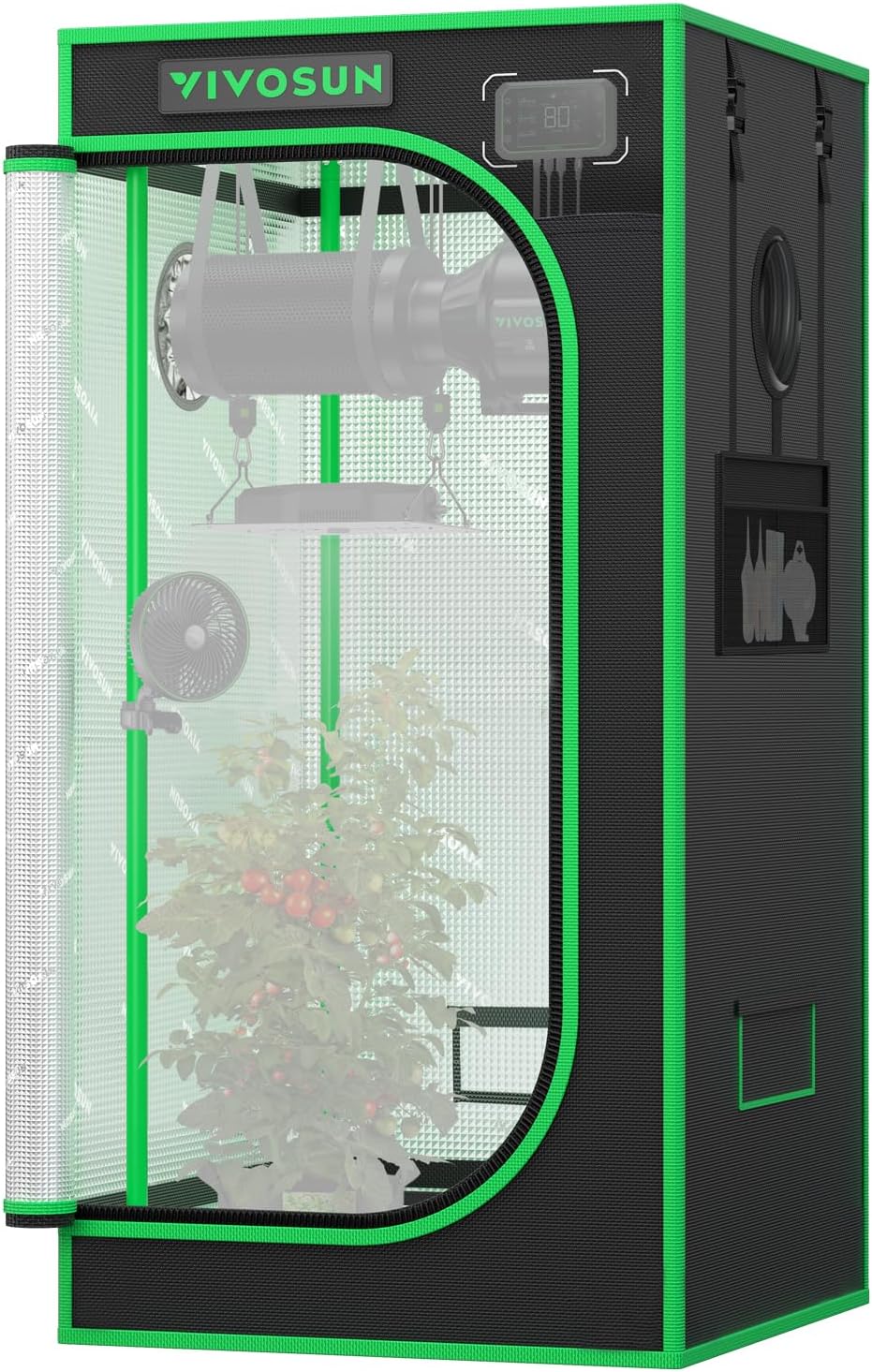
The VIVOSUN P224 PRO is a 2×2 foot grow tent intended for one to two plants in small pots and for growers who need a sturdy, lightproof micro grow space. It uses thick 2000D Oxford canvas with a PE lining and 100% reflective Mylar to reduce light leaks and boost light efficiency, while 22mm alloy steel poles and included hanging bars create a stable frame that can handle heavy equipment. The larger observation window and removable door make checking plants easy without disturbing the environment, and cable management slots plus a floor tray keep the interior tidy. This tent ships with CFM support poles and extra hanging bars for stable rigging of lights, filters, and trellis gear. Limitations are the compact interior, which restricts plant count and pot size to small setups, and the P224 model does not include the brand's high CFM kit that some larger Pro models offer. Assembly is straightforward but requires a bit of space to lay out poles and fabric before standing the tent upright.
Best for: Growers who want a durable, lightproof mini grow tent for a compact, controlled indoor setup and who value sturdiness and neat organization over maximum plant capacity.
Less Ideal for: People needing a larger multi-plant system, taller vertical space, or a tent that includes advanced fan stabilization accessories out of the box.
- Heavy-duty 2000D Oxford canvas with PE lining and reflective Mylar for excellent light containment and reflection
- Reinforced 22mm alloy steel poles and multiple hanging bars for strong, stable rigging
- Large observation window allows plant checks without entering the tent
- Thoughtful cable management slots and included floor tray for cleaner setup and easier maintenance
- Limited internal space suitable only for 1–2 small plants or compact setups
- High CFM support kit is not included for this 2×2 PRO model
Verdict: A rugged, lightproof 2×2 Pro grow tent that gives small-space growers a stable, well-organized environment for one to two plants.
Spider Farmer 2x2x6 (24x24x72) Master Grow Tent

| Frame Material | Metal |
|---|---|
| Inner Material | Metal |
| Outer Material | Oxford canvas or heavy-duty polyester |
| Chamber Volume | 24 cubic feet |
| Weight Capacity Maximum | 120 pounds |
The Spider Farmer 2x2x6 Master Grow Tent is a compact, performance-focused enclosure for single-plant or small multi-plant setups. It uses thick 1680D Oxford canvas with diamond mylar lining and heavy-duty SBS zippers to reduce light leaks and boost internal reflectivity. The hardened steel poles and reinforced corner adapters create a stable frame rated to support up to 120 pounds so it will handle a full-size LED fixture and a small carbon filter without sagging. Practical touches include an 11.8" observation window, multiple cable passthroughs and controller hooks for tidy smart‑grow integration, plus a removable waterproof floor tray for easy cleaning. Setup is tool-free and quick, which helps get a grow running fast in a living room, basement, or balcony. The tent’s small footprint limits plant count and working space compared with larger tents, so it is best for growers who prioritize light control and build quality over workspace or large yields.
Best for: Growers focused on tight light control and a robust, long-lasting mini setup who want pro-grade construction and tidy integration with smart controllers and LED fixtures.
Less Ideal for: Those who need space for multiple large plants, frequent hands-on training, or a highly portable tent for moving between locations should consider larger or lighter alternatives.
- Heavy 1680D Oxford canvas and reflective mylar maximize light retention and distribution
- Reinforced metal frame supports up to 120 pounds for heavy lights and filters
- Multiple cable passthroughs, controller hooks, and observation window simplify smart gear integration
- Removable waterproof floor tray and durable zippers make maintenance and access easy
- Small interior limits number of plants and working room compared with larger tents
- Higher-density materials add weight and reduce portability for frequent moves
Verdict: A compact, pro‑grade mini grow tent that prioritizes light control, stability, and tidy smart‑grow integration for performance‑oriented small indoor grows.
VIVOSUN Small Mylar Grow Tent (20" x 14" x 21")

| Chamber Volume | 97.2 liters |
|---|---|
| Frame Material | Metal |
| Inner Material | Mylar |
| Item Type Name | Grow Tent |
This VIVOSUN small grow tent creates a controlled, lightproof microclimate for one or two small plants or an Aerogarden-style setup. It uses a highly reflective diamond mylar lining to boost light efficiency and a sealed bottom plus SBS zippers to keep light and odors contained. The metal frame with fiberglass poles and upgraded connectors plus 600D Oxford fabric gives the tent reasonable durability for frequent access and moves. A mesh ventilation window and cable port let you add a small fan, filter, or power cables while maintaining airflow and tidy routing. Because the tent is compact it is quick to assemble and fits on balconies, in closets, or near a windowsill, making it a practical choice for year-round indoor growing. Limitations are its small internal volume, which restricts plant size and the number of devices you can install, and the metal outer listed in specs suggests the frame may be lighter-duty than larger professional tents. Overall it performs well for focused, space-conscious grows where efficient light use and portability matter.
Best for: Buyers who need a compact, efficient tent to run a single small hydroponic unit or a couple of young plants in limited indoor space and who prioritize easy setup and light containment.
Less Ideal for: Growers planning multi-plant setups, large pots, or heavy lighting and filtration should choose a larger, heavier-duty tent instead.
- Highly reflective mylar interior increases usable light for small setups
- Sealed bottom and smooth SBS zippers provide an effective lightproof enclosure
- Compact size assembles quickly and fits into tight indoor spaces
- Mesh ventilation window and cable port allow basic ventilation and equipment routing
- Small chamber volume limits plant size and the number of added devices
- Frame and materials are scaled for small grows and not suited to heavy equipment
Verdict: A compact, lightproof mini tent that maximizes small-space light efficiency for single-unit or starter hydroponic grows.
MELONFARM 24 x 16 x 24 in Mini Grow Tent with Double Viewing Door and Floor Tray
| Frame Material | Iron |
|---|---|
| Inner Material | Polyethylene Terephthalate (PET) |
| Capacity | 7.68 cubic feet |
| Chamber Volume | 125.85 cubic inches |
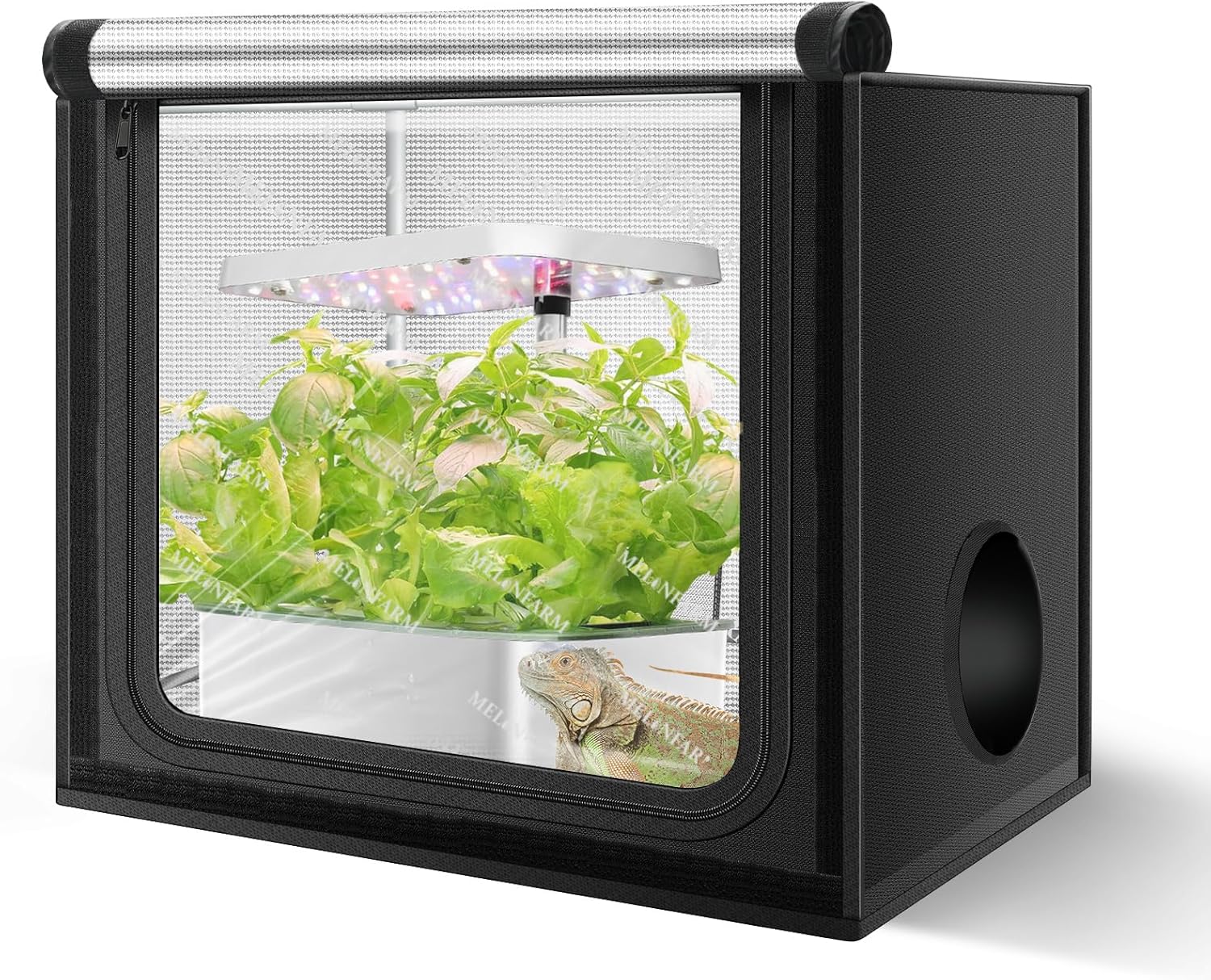
This MELONFARM mini grow tent creates a controlled microclimate for seedlings, small houseplants, or a single mature plant where space is limited. It uses a reinforced iron frame and heavy canvas shell with a highly reflective PET lining to boost light distribution from grow lamps, and a included floor tray and zipper door make routine watering and plant access straightforward. The double-layer observation door lets you check plants through a clear panel without disturbing the environment while a full fabric flap adds privacy and extra insulation. Assembly is tool-free and aimed at quick setup in closets, dorms, or balconies. Limitations are its small interior volume, which restricts plant count and pot size, and the lightweight components mean it is best for gentle, low-impact setups rather than heavy equipment or larger ducting. For a budget mini tent it balances reflective lining and simple features well, but users needing larger or heavy-duty grow rooms will need a bigger, sturdier option.
Best for: Buyers wanting an inexpensive, space-saving grow solution for a few plants or starters who need a simple controlled environment in apartments, closets, or small indoor spaces.
Less Ideal for: Gardeners planning multi-plant grows, large pots, or setups requiring heavy exhaust fans and complex ducting should choose a larger, more robust tent instead.
- Highly reflective PET lining improves light utilization for grow lights
- Reinforced iron frame and double-stitched canvas for basic durability
- Double-layer observation door allows viewing without opening the tent
- Included floor tray keeps the floor clean and simplifies maintenance
- Small internal volume limits number and size of plants
- Not designed for heavy equipment or large ventilation setups
Verdict: A compact, budget-friendly mini grow tent that boosts light efficiency and keeps a small indoor grow tidy and easy to manage.
AC Infinity CLOUDLAB 422 Advance Grow Tent (24 x 24 x 48)

| Chamber Volume | 16 cubic feet |
|---|---|
| Capacity | 150 pounds |
| Frame Material | Alloy Steel |
| Inner Material | Mylar |
| Outer Material | Oxford canvas |
The AC Infinity CLOUDLAB 422 is a compact grow tent engineered for reliable single-plant grows in small indoor spaces. It uses 1-inch alloy steel poles and a thick 2000D Oxford canvas with lab-tested mylar lining for high light reflectivity, which helps keep light inside and improves canopy light distribution. Practical touches include larger viewing windows with SBS zippers, multiple duct ports and a controller mounting plate with lightproof cable passthrough for neat equipment integration, plus extra hanging bars and a stain-resistant catch tray for easier maintenance. Assembly and daily use are straightforward and the reinforced corners and robust poles give a sense of long-term durability. Important limitations are the small internal volume and one-plant capacity, so it is best for starts, clones, or a single 5-gallon pot rather than multi-plant setups. The tent prioritizes build quality and light control over footprint, so expect limited headroom and growing area compared with larger tents.
Best for: Buyers who prioritize a durable, no-nonsense mini grow tent for a reliable single-plant or seedling setup and want easy integration of environmental controls.
Less Ideal for: Growers planning multi-plant grows, larger pots, or those who need generous vertical space should consider larger tents instead.
- Sturdy 1" alloy steel pole frame for strong structural support
- 2000D canvas with lab-tested mylar lining for high light reflectivity
- Multiple duct ports and controller mount for tidy equipment integration
- Large zipper window and SBS zippers for easier access and viewing
- Reinforced corners and catch tray simplify maintenance and improve durability
- Limited internal space suitable for a single 5-gallon plant or small setups
- Lower headroom and footprint restrict larger lighting and canopy arrangements
Verdict: Choose this tent if you want a compact, heavy-duty mini grow tent built for dependable light control and long-term durability.
VIVOSUN 30 x 18 x 36 in Mylar Small Grow Tent

| Brand Name | VIVOSUN |
|---|---|
| Frame Material | Metal |
| Inner Material | Polyethylene Terephthalate (PET) |
| Light Source Wattage | 100 watts |
The VIVOSUN 30"x18"x36" grow tent is a small, self-contained environment for starting seedlings, growing herbs, or running a one- to two-plant setup in tight spaces. It uses a reinforced 600D Oxford outer fabric with a 100% reflective mylar interior to keep light inside and maximize reflected light to plants. Assembly is tool-free: metal poles and corner connectors snap together and a top hanging bar supports up to 100 lb for lights or filters. Practical touches include heavy-duty SBS zippers, multiple duct and cord ports, a clear observation window with hook-and-loop closure, and a removable floor tray for easy cleaning. The tent is waterproof and tear resistant, so it holds up to regular indoor use and can fit in closets, balconies, or garages. Limitations are its small footprint and lower internal volume, so it is best for compact setups rather than larger multi-plant grows, and taller equipment or full-size inline fans may not fit comfortably inside this size. Expect simple setup and reliable light containment for starter and space‑constrained growers.
Best for: Buyers wanting a compact, reliable grow space for one to two plants or seedlings who value easy assembly, strong light containment, and simple maintenance guided by extensive user feedback.
Less Ideal for: Growers planning multi-plant or larger canopy setups, or those who need tall vertical space for big fixtures or multi-tier systems.
- 100% reflective mylar interior to boost light efficiency
- Sturdy metal frame with tool-free corner connectors for quick assembly
- Observation window and removable floor tray for easy monitoring and cleaning
- Multiple duct and cord ports plus hanging bar rated to support heavy equipment
- Durable 600D Oxford fabric with waterproof, double-stitched construction
- Small internal volume limits number and size of plants and equipment
- Not suitable for taller lights or larger inline ventilation without careful planning
Verdict: A dependable small grow tent that delivers strong light containment and easy setup for space‑constrained growers looking to run one to two plants.
MELONFARM 2×2 Grow Tent with Observation Window and Floor Tray

| Frame Material | Metal |
|---|---|
| Inner Material | Polyethylene Terephthalate (PET) |
| Outer Material | Oxford Cloth |
| Light Source Wattage | 24 watts |
This MELONFARM 2×2 grow tent creates a light-proof, reflective microenvironment for one to a few plants in a small indoor space. It is lined with highly reflective PET mylar and wrapped in heavy-duty 600D Oxford canvas, which helps contain light and maintain stable temperatures when used with a small LED and an inline fan. The kit includes a sturdy metal pole frame that supports lights and ventilation hardware and a removable floor tray to protect floors from spills. Two observation windows let you check plants without opening the main door and disturbing the climate. Assembly is straightforward and tool-free, so setup in a closet or corner is quick. Limitations are its small footprint and modest height, which restricts plant count and tall varieties, and the tent does not include lighting or fans so you must add compatible equipment separately. For conservative buyers this tent emphasizes durability and predictable environmental control rather than extras or large-scale capacity.
Best for: Buyers who want a reliable, low-risk way to start indoor growing in tight spaces and value durable construction and easy setup over large capacity.
Less Ideal for: Gardeners planning to grow many plants, tall varieties, or a full multi-light setup should choose a larger tent or a taller model.
- Durable 600D Oxford canvas and double-stitched seams for light-proofing and tear resistance
- Highly reflective PET inner lining to improve light distribution and efficiency
- Metal pole frame rated to support grow lights and small inline fans
- Observation windows let you inspect plants without opening the main door
- Removable floor tray protects flooring from water and nutrient spills
- Small internal volume limits the number and height of plants you can grow
- No included lighting, fans, or ducting so you must purchase ventilation and light separately
Verdict: A compact, well-built tent that delivers predictable light control and easy setup for cautious indoor growers starting small.
Choosing the Right Mini Grow Tent: Key Factors to Consider
Tent Footprint and Internal Grow Area
Measure the actual usable floor space and how tall the interior is. Small tents often advertise external dimensions that include the frame and fabric overlap; focus on the internal planting area to know how many pots or what size of shelving will fit. A tent that is too shallow or narrow will limit plant spacing, stunt canopy development, and make routine tasks like watering and pruning awkward.
Consider the vertical clearance for your chosen lighting and plant height. Many compact tents leave only limited headroom once a light, ballast, or filter is mounted. If you plan to grow taller varieties or to run vertical training methods, prioritize extra height or a tent model designed with higher internal clearance.
Light Proofing and Seams
Complete darkness is essential for many photoperiod-sensitive plants and for preventing light pollution in living spaces. Inspect how the fabric meets at the seams and around zipper assemblies. Double-stitched seams, overlapping flaps at zipper lines, and internal light baffles reduce the chance of leaks that can undermine plant cycles.
Also consider the zipper design and flap length. Frequent access points increase the risk of light intrusion unless the tent uses offset zippers and internal storm flaps. For nocturnal or flowering stages, any stray light can be disruptive, so prioritize tents with visible seam reinforcement and tested zipper layouts.
Vent Ports and Ventilation Layout
Vent placement determines how easily you can fit an inline fan, carbon filter, and ducting. Large, well-positioned ports near the top and sides minimize sharp bends in duct runs and support efficient exhaust. Multiple intake and exhaust options are helpful when setting up passive intake or when using small axial fans inside the tent.
Port diameter matters because using undersized or awkwardly located vents forces adapters that restrict airflow. Also evaluate whether ports have removable sleeves or pre-cut openings with clips that make sealing and duct attachment easier. Good ports reduce noise, increase fan efficiency, and help maintain stable temperature and humidity.
Interior Reflective Lining
A high-quality reflective lining spreads light evenly across the canopy, improving light-use efficiency and reducing hot spots. Look for dense, uniform reflectivity rather than thin or patchy coatings. A better lining lets you get more light into lower leaves and can reduce the need to increase lamp power.
Reflective materials should also be durable and resistant to peeling under humid conditions. If the lining delaminates, it can create irregular light patterns and make cleaning harder. For compact tents where every lumen counts, reflectivity is a critical factor for maximizing yield per square foot.
Frame Design and Hardware Quality
Frame strength directly affects the tent's ability to hold lights, filters, and trellises. Sturdy metal poles with secure corner joints reduce sagging and twisting that can stress zippers and fabric. Check for reinforced joints, thicker-walled poles, and reliable locking mechanisms when evaluating structural quality.
Hardware such as metal hangers, straps, and support bars should accept the weight of lights and any hanging filters. Lightweight or plastic connectors may work for seedlings but can fail under heavier loads. For durability and safety in small spaces, prioritize frames rated for the loads you plan to suspend.
Access, Maintenance, and Portability
Easy access zippers, observation windows, and removable floor trays make routine maintenance quicker and cleaner. In tight spaces you will be opening and working inside the tent frequently, so smooth zipper action and thoughtful door placement reduce wear and accidental light exposure.
Portability is also important if you plan to move the tent between rooms or disassemble it seasonally. Tents that pack down small, use modular poles, and include a carrying bag are easier to store. Consider how simple it will be to clean internal surfaces and to replace accessories like filters or ducting while working in a limited area.
Sizing Strategies for Small Spaces
Start by mapping the available footprint and clearance you can dedicate to a tent. A small difference in width or height can change what plants you can grow and how easy it is to access the interior.
If you have only vertical space, consider taller narrow tents and use vertical shelving or stacked pots to maximize yield. If floor area is the limiting factor, focus on wider but shorter tents and choose low-profile lighting to preserve internal headroom.
- Measure doorways and hallways for transport and setup.
- Allow extra clearance for cable runs and ducting.
- Factor in space for an exhaust fan and filter outside the tent if noise or heat are concerns.
Lighting Options and Mounting in Mini Tents
Choose lighting that fits the tent height and heat tolerance. Many growers prefer low-heat LED fixtures for compact tents because they reduce the need for high-volume exhaust and allow lights to be mounted closer to the canopy.
Pay attention to mounting points and weight limits. Use adjustable hangers and avoid overloading a single anchor point by distributing fixtures across multiple supports when possible.
- Consider full-spectrum LED panels sized to the tent's square footage.
- Use adjustable ratchet hangers for precise light height control.
- Keep lights centered to avoid uneven canopy development.
Controlling Heat and Humidity in a Compact Grow
Compact spaces heat up faster and can trap humidity, which encourages mold and pest problems. A properly sized exhaust fan and passive or active intake are essential to maintain stable temperatures and to refresh CO2.
Small oscillating fans inside the tent help strengthen stems and reduce boundary layer humidity on leaves. Use a hygrometer and thermometer to monitor conditions and adjust ventilation as plants grow.
- Match fan CFM to tent size and expected light heat output.
- Use a clip fan for gentle internal air movement.
- Check for condensation on the tent fabric after lights-off to catch high humidity early.
Noise, Odor, and Neighbor-Friendly Setup
Noise and smell are common concerns in small living spaces. Place the exhaust fan on vibration-damping mounts and use insulated ducting to reduce mechanical noise. Positioning the fan outside the living area and running ducting through cavities can also help.
For odor control, select a filter that fits the tent's port layout and maintain it regularly. Even in mini setups, proper sealing and a modest carbon filtration setup reduce complaints and keep the room livable.
- Mount fans on rubber pads or suspension straps to cut vibration.
- Seal light leaks around ports and zippers to avoid odor escape.
- Replace filters on a schedule to maintain airflow and scent control.
Organizing Tools and Supplies in Tight Grow Areas
In small setups, organization saves time and prevents damage. Use wall hooks, slim shelving outside the tent, and labeled containers for nutrients, pH testers, and trimming tools. Keep frequently used items near the tent entrance to minimize time inside the grow area.
Plan cable routing and power placement before setup to avoid tripping hazards and tangled cords. A single surge-protected outlet outside the tent with extension leads routed neatly into ports is safer and tidier.
- Store consumables in stackable bins to maximize space.
- Use dedicated trays for watering to contain spills.
- Keep a basic pest kit and pruning shears accessible for quick interventions.
How We Chose the Best Mini Grow Tent
We shortlisted mini grow tents based on criteria that matter for small-space indoor gardening. Structural rigidity and frame strength were evaluated because collapsible frames that flex or sag cause light leaks and unstable hanging points. Light containment and interior reflective lining were judged to ensure plants get uniform illumination and to prevent stray light that disrupts photoperiod-sensitive crops. Ventilation compatibility and port placement were checked so tents can accept common inline fans, filters, and ducting without awkward bends that limit airflow. Access and usability were considered by testing zipper quality, observation windows, and access points for tending plants and running cables. Material durability and seam construction were reviewed to estimate how well a tent will stand up to repeated assembly and humid conditions. We excluded any options that were clearly intended for large commercial use or that required custom fabrication to be functional in typical home setups. The final selection focuses on tents sized and configured for closets, small cabinets, and compact grow corners where footprint, light control, and ventilation matter most.
FAQ
What size mini grow tent do I need for a single plant or for multiple seedlings?
A small tent designed for one to four plants is usually sufficient for seedlings and single plant projects. If you plan multiple stages of growth or want room to train plants, choose a slightly larger footprint to allow spacing and access. Consider internal shelving for seedlings to multiply usable area without increasing floor space.
Can I use a mini tent without an inline fan or carbon filter?
You can run a mini tent passively for short stages like seed starting, but active ventilation is recommended once plants get larger or lights produce heat. A carbon filter helps control odor but is less critical for seedlings. Lack of proper airflow increases humidity and pest risk over time.
How important is reflective lining in a mini grow tent?
Reflective lining is important in small tents because it maximizes light distribution and reduces wasted lumens. Good reflectivity helps lower the amount of light you need to run and evens out canopy exposure, which is especially valuable when space and light fixture size are limited.
How do I manage heat in a tent that sits inside a small room?
Match your exhaust capacity to the combined heat output of lights and room insulation. Use lower-heat lighting like LEDs and provide active exhaust with routed ducting to the outside if possible. Monitor temperatures during peak light periods and add internal circulation fans to reduce hotspots.
Are mini grow tents easy to move or store?
Many mini tents are designed to be portable and pack down into a bag. Ease of movement depends on frame design and how permanently you mount accessories like lights and filters. Disassemble hardware and pack fabric carefully to extend the tent's life if you plan seasonal storage.
Final Verdict
When choosing a mini grow tent, prioritize internal usable space, reliable light containment, and ventilation layout. Tradeoffs are common: a taller tent eases training but increases footprint, while a shorter tent saves ceiling height but limits plant size. Focus on sturdy frames, quality seams, and ports that match your ventilation plan to avoid retrofit headaches. With the right tent matched to your space and crop goals, you can maintain stable conditions and harvest consistently even in the smallest indoor setups.
