

Note: This article contains affiliate links. If you click on these links and make a purchase, I may earn a small commission at no extra cost to you. This helps support my research and content. Read my full affiliate disclosure here.
If you have a bright patio, balcony, or rooftop that bakes in afternoon sun, choosing plants that actually thrive in full light makes all the difference. Full sun container plantings demand species that tolerate heat, higher evaporation, and variable watering without sulking. This guide focuses on the best full sun plants for containers and shortlists seven options suited to hot, exposed containers. We evaluated selections for sun tolerance, drought resilience, container adaptability, and ornamental impact so you can pick plants that stay healthy and attractive with realistic care. Read on to compare strengths and match plants to your growing conditions.
Top Picks at a Glance
| Best Overall The best all-around choice for most situations | Southern Living Obsession Nandina 2 Gal. Shrub |  |
| Best Quality Built to a higher standard if you want something more solid | Proven Winners Red Pillar Hibiscus (2 Gal.) |  |
| Best Value The sweet spot between price and what you get | Green Promise Farms Rudbeckia fulgida 'Goldsturm' (Black-Eyed Susan) – Live Perennial |  |
| Best Budget The cheapest option that still gets the job done reliably | Carpet Creeping Lantana camara Seeds (199 Count) |  |
| Highest Rated A top-rated pick with lots of positive feedback | ELLA'S HOMES Lantana Live Plants (2-Pack) |  |
| Most Popular A crowd favorite that many people choose with confidence | Plants by Mail Star Jasmine (Large Leaf) 2.5 Quart Live Outdoor Vine |  |
| Best Seller A high-volume bestseller chosen again and again | Plants for Pets Euphorbia 'Crown of Thorns' (4" pot) |  |
Southern Living Obsession Nandina 2 Gal. Shrub

| USDA Hardiness Zone | 6, 7, 8, 9, 10 |
|---|---|
| Sunlight Exposure | Full Sun to Part Shade |
| Soil Type | Loam Soil |
| Moisture Needs | Moderate Watering |
| Other Special Features | Deer Resistant |
The Southern Living Obsession Nandina is an evergreen shrub grown for its year-round bright red foliage and compact habit. It is typically used as a container specimen or grouped in a planting bed where its color contrast can be seen close up. The plant is rated for USDA zones 6 to 10, tolerates full sun to part shade, and prefers loam with moderate watering; the listing recommends water twice weekly until established then weekly afterwards. Notable features for container growers are its small mature size (about 48 inches) and deer resistance, which make it manageable in patio pots and low-maintenance borders. Because it does not produce notable blooms, its primary ornamental value is foliage color rather than flowers. Expect a low-care shrub that adds seasonal color to containers but plan on routine watering during hot weather and occasional pruning to keep the shape compact in pots.
Best for: Gardeners who want a low-maintenance, color-focused shrub for patio containers or small beds and prefer a compact evergreen that performs in full sun to part shade.
Less Ideal for: Buyers seeking a flowering centerpiece or fast-growing privacy hedge should consider flowering shrubs or larger cultivars instead.
- Striking bright red evergreen foliage for season-long color
- Suitable for containers and small landscapes due to compact mature size
- Tolerates full sun to part shade, flexible placement on patios
- Deer resistant, reducing damage in outdoor spaces
- Does not produce showy blooms so value is primarily foliage-based
- Requires regular watering until established and weekly irrigation in hotter months
Verdict: A compact, low-maintenance evergreen with vivid red foliage that makes an attractive, dependable container specimen for patios and small gardens.
Proven Winners Red Pillar Hibiscus (2 Gal.)

| Sunlight Exposure | Full sun to partial shade |
|---|---|
| USDA Hardiness Zone | 5,6, 7, 8, 9 |
| Expected Blooming Period | Summer to Fall |
| Moisture Needs | Regular Watering |
The Proven Winners Red Pillar hibiscus is a columnar Rose of Sharon selected to deliver big red blooms in a very narrow habit, making it easy to use where horizontal space is limited. It is typically planted in containers or against walls and will flower from spring into fall when grown in full sun to part shade. Notable features include its compact upright form, drought and heat tolerance, and attractiveness to pollinators such as bees and hummingbirds. Practical benefits for container gardeners are obvious: the narrow profile lets you put strong flowering presence on patios, entryways, or small courtyard corners without crowding, and its low-maintenance care requires regular watering and spring fertilization rather than constant fuss. Limitations to consider are its mature height potential which can become tall if left unchecked and the need to plant in USDA zones 5–9; in containers you will need to monitor watering and provide periodic pruning to keep the size manageable. The plant ships dormant and may be trimmed, so expect a winter/spring planting with initial establishment time before full flowering.
Best for: Container gardeners and homeowners who want a high-impact flowering shrub in tight spaces and prioritize strong seasonal performance with minimal daily care.
Less Ideal for: Those seeking a low-growing groundcover or people who do not want to manage periodic pruning or monitor container soil moisture over the growing season.
- Columnar habit fits narrow spaces and containers without spreading
- Long bloom period from spring through fall for sustained color
- Heat, drought, and salt tolerance suitable for sunny exposed sites
- Attracts pollinators including bees, butterflies, and hummingbirds
- Can reach significant height if not regularly pruned when grown long-term
- Ships dormant so initial establishment and foliage take time before full display
Verdict: Choose Red Pillar when you need long-lasting, showy red blooms from a narrow, container-friendly shrub that performs well in full sun.
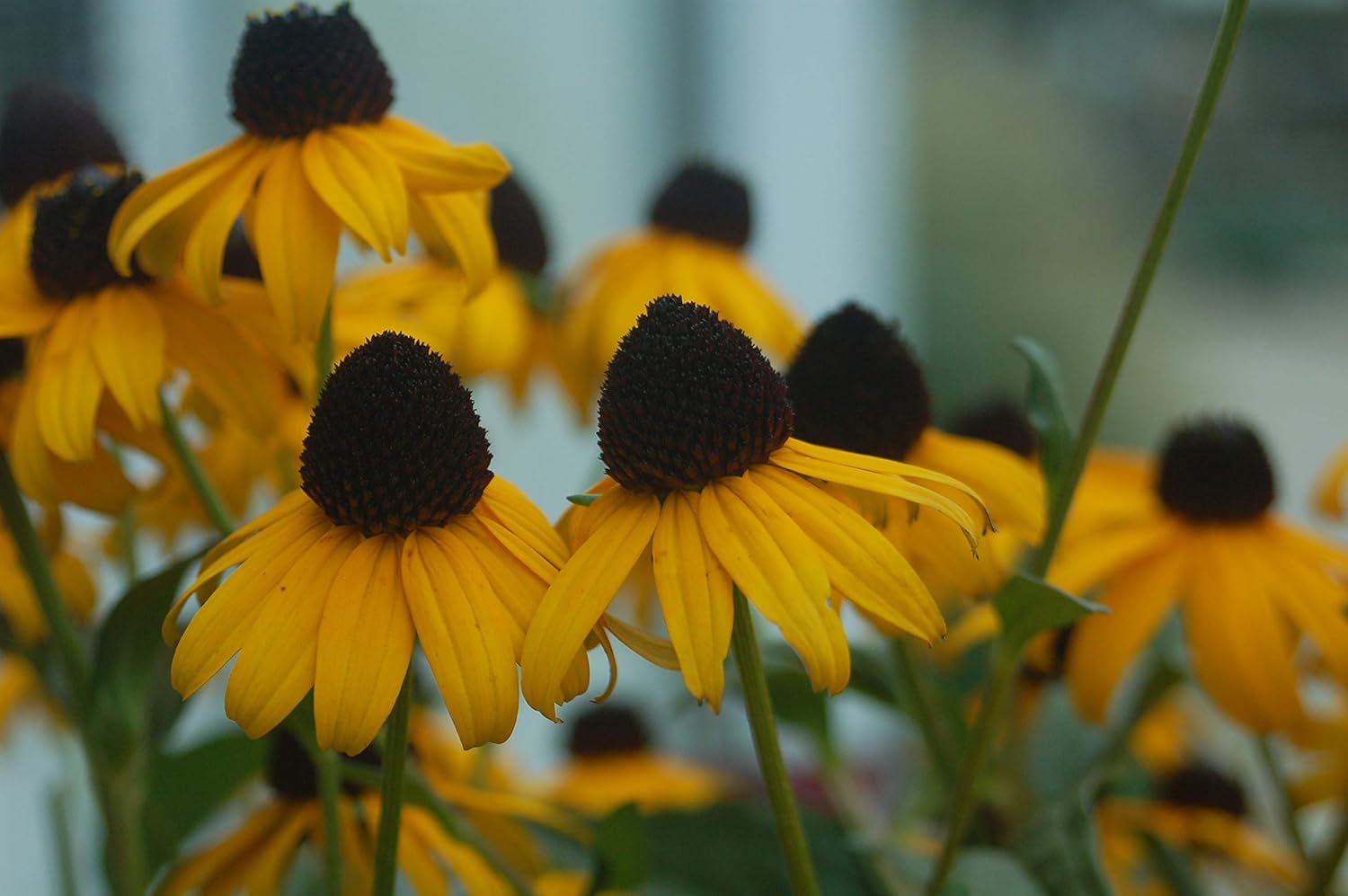
Green Promise Farms Rudbeckia fulgida 'Goldsturm' (Black-Eyed Susan) – Live Perennial
| Expected Blooming Period | Summer to Fall |
|---|---|
| Sunlight Exposure | Full Sun |
| USDA Hardiness Zone | 4 |
| Soil Type | Loam Soil |
| Product Care Instructions | moist soil |
This Rudbeckia fulgida 'Goldsturm' arrives in a #1 container and is meant to be planted immediately into full sun where it will produce golden 3–4 inch daisy-like blooms from summer into fall. It is typically used as a low-maintenance flowering perennial in beds, borders, or full-sun containers where steady moisture and loam soil are available. Notable features include long bloom time, strong color contrast with a dark central cone that attracts butterflies and songbirds, and an easy-care habit that made it Perennial Plant of the Year in 1999. Practical benefits for container gardeners are its showy continuous flowers for months and straightforward planting from a rooted pot. Limitations are that it prefers moist soil so containers will need more frequent watering than drought-tolerant choices and the mature spread can become wide, which may require periodic division or larger pots to avoid crowding. Expect a hardy, reliable summer-to-fall bloomer for sunny container displays if you can commit to routine watering and occasional maintenance.
Best for: Gardeners who prioritize straightforward, reliable flowering in full-sun containers and want a low-fuss perennial that provides long-lasting color and wildlife interest.
Less Ideal for: People seeking drought-tolerant container plants or those with very small pots who cannot accommodate a plant that spreads over time.
- Long bloom period from summer into fall for extended container color
- Attractive flowers that draw butterflies and songbirds
- Ready-to-plant container stock simplifies establishment
- Tolerant of full sun conditions common for containers
- Requires consistently moist soil, increasing watering frequency in containers
- Mature plants can spread wide and may need division or larger pots
Verdict: A dependable, long-blooming full-sun perennial that gives months of container color and wildlife attraction when kept consistently moist.
Carpet Creeping Lantana camara Seeds (199 Count)

| Indoor Outdoor Usage | Indoor, Outdoor |
|---|---|
| Expected Blooming Period | Summer to Fall |
| Sunlight Exposure | Full Sun |
| USDA Hardiness Zone | 9 |
| Unit Count | 199 Count |
These seeds provide an economical way to grow Lantana, a sun-loving, heat-tolerant flowering shrub that blooms from late spring to frost. Typical use is starting seeds indoors or in a warm spot after a 24-hour soak to break the hard seed coat, then pressing them onto moist seed-starting mix without burying and keeping temps near 70 to 75°F; expect slow germination over 6 to 8 weeks. Notable features include a high seed count (199) for repeat plantings, heirloom/GMO-free seed stock, and plants that attract pollinators and tolerate drought once established. For container gardeners working in full sun, lantana performs well in sandy or loamy, well-drained potting mixes and offers long bloom periods that draw butterflies and hummingbirds. Limitations are that seeds germinate slowly and require patience and some heat to start; in cooler climates lantana behaves as an annual and will not survive frost. Seed quality can vary with inexpensive bulk lots, so plan to sow extra and stagger plantings for reliable container displays.
Best for: Budget-minded container gardeners who want an easy-care, long-blooming annual or perennial for hot, sunny pots and are willing to start seeds and be patient through slow germination.
Less Ideal for: Gardeners who need instant, guaranteed container color without waiting for seed germination or those in cold climates seeking a hardy perennial that survives frost.
- Large 199-count packet suitable for multiple containers or successive sowings
- Heirloom and GMO-free seeds for traditional varieties
- Plants are heat and drought tolerant once established, good for hot, sunny containers
- Long bloom period that attracts pollinators and provides continuous color
- Germination is slow and benefits from a 24-hour soak and warm starting conditions
Verdict: If you want an affordable way to fill full-sun containers with long-blooming, pollinator-friendly color, this high-count lantana seed packet is a practical choice.
ELLA'S HOMES Lantana Live Plants (2-Pack)

| Unit Count | 2 Count |
|---|---|
| Plant Type | Perennial Flower Plant |
| Light Requirement | Full sun |
| Size at Delivery | 5 to 12 Inches |
These two Lantana live plants arrive well rooted and ready to transplant into containers or garden beds. They are a full-sun, low-maintenance perennial known for long-lasting clusters of colorful blooms that typically show mixed colors across the pack. In practice you pot them into a sunny container with well-draining soil, water until established, then reduce frequency as they tolerate heat and dry spells; they also go dormant in winter. Notable features are the plant size range at delivery and the fact they come as established young plants rather than seeds, which speeds flowering. Limitations are the unpredictable bloom color since the pack is described as random and the plants will need regular deadheading in containers to prolong bloom. These are a straightforward choice if you want reliable, heat-tolerant color for sunny patios without fuss, but expect seasonal dormancy and the usual container care like pruning and watering adjustments during hot periods.
Best for: Gardeners who want dependable, low-effort flowering plants for sunny containers and prioritize plants that establish and bloom quickly without complex care.
Less Ideal for: Buyers seeking precise, single-color blooms for a curated container palette or those wanting a year-round flowering container without seasonal dormancy.
- Sold as well-rooted live plants for quicker establishment and earlier blooms
- Low maintenance and heat tolerant once established, suited to full-sun locations
- Long-blooming perennial habit provides season-long color in containers
- Compact size on arrival fits most medium containers and mixed pots
- Bloom color is random so you cannot guarantee a specific color scheme
- Plants will go dormant in winter and are not a year-round container display
Verdict: A simple, reliable way to add long-blooming, heat-tolerant color to full-sun containers with minimal fuss.
Plants by Mail Star Jasmine (Large Leaf) 2.5 Quart Live Outdoor Vine

| Expected Blooming Period | Spring to Summer |
|---|---|
| Sunlight Exposure | sun to partial shade |
| USDA Hardiness Zone | 9 |
| Moisture Needs | Moderate Watering |
| Soil Type | Loam Soil |
This large-leaf Star Jasmine (Trachelospermum jasminoides) is a vigorous evergreen vine prized for its glossy foliage and intensely fragrant white flowers in late spring and summer. It climbs quickly on trellises, arbors, or fences and can also be grown in a deep container to train as a small espalier or patio climber. The plant prefers full sun to partial shade and rewards sunnier sites with heavier bloom; moderate watering and occasional fertilizer during the growing season keep it vigorous. Notable features include fast twining growth, suitability for many garden styles, and strong fragrance that attracts pollinators. Limitations to consider are climate sensitivity since it is listed for warmer zones and will need winter protection or indoor overwintering in cooler areas, plus regular pruning when grown in containers to control size and encourage denser growth. Buyers should also be prepared to follow the supplied care regimen for establishment and understand that live-plant condition at delivery affects success.
Best for: Gardeners who want a fragrant, fast-climbing evergreen for containers or small trellises in sunny locations and who value visual impact and pollinator attraction.
Less Ideal for: Anyone in consistently cold climates who cannot provide winter protection or indoor overwintering for container plants.
- Fragrant, showy white flowers that attract pollinators and scent outdoor seating areas
- Fast-growing vine habit that quickly covers trellises or fills a large container
- Glossy evergreen foliage provides year-round structure in warm climates
- Recommended for warmer USDA zones so it may need protection or overwintering in cooler regions
Verdict: Choose this Star Jasmine when you want a fragrant, fast-growing evergreen vine that performs well in full sun containers and quickly adds fragrant blooms and structure to a patio or trellis.
Plants for Pets Euphorbia 'Crown of Thorns' (4" pot)

| Indoor Outdoor Usage | Indoor, Outdoor |
|---|---|
| Other Special Features of the Product | Drought Tolerant |
| Sunlight Exposure | Full Sun |
| Soil Type | Loam Soil |
| Moisture Needs | Moderate Watering |
The Plants for Pets Crown of Thorns is a small, flowering euphorbia sold ready to plant in a 4-inch nursery pot and suited to sunny containers or sheltered patios. It produces clusters of pink bracts most of the year in mild climates and has thick, water-storing stems that make it reliably drought tolerant. Typical use is as a decorative container specimen on a sunny balcony, patio, or sunny windowsill where its compact habit fits into limited space. Practical benefits include low watering needs, resistance to common garden pests, and long flowering periods that add color without constant maintenance. Important limitations are the plant's spiny stems and caustic white sap, which can irritate skin and is toxic if ingested, so it must be placed out of reach of children and pets and handled with gloves. Also the 4" nursery pot means it will need repotting within a season or two if you want a larger container specimen.
Best for: Buyers who want a low-maintenance, sun-loving container plant that provides steady color without frequent watering and prefer reliable, mainstream choices that perform predictably.
Less Ideal for: Not a good choice for households with curious children or pets that can access the plant, or for buyers who want a soft, handleable houseplant.
- Compact size fits small containers and tight spots
- Drought tolerant due to water-storing stems, reducing watering frequency
- Long-lasting pink bracts provide season-long color in full sun
- Naturally resistant to common garden pests for low-maintenance care
- Contains caustic sap that can irritate skin and is toxic if ingested
- Sharp spines make handling and placement near foot traffic or children risky
Verdict: A compact, easy-care full-sun container plant that delivers long-lasting color with minimal watering needs.
Choosing the Right Full Sun Plants for Containers: Key Factors to Consider
Sun Tolerance and Exposure
How much direct light a plant truly needs and can endure affects survival in a container where roots heat up faster than in the ground. Full-sun container plants should tolerate at least six to eight hours of direct sun and remain responsive rather than wilting or dropping foliage. Consider whether the planting location hits intense afternoon sun or milder morning light; some plants labeled 'full sun' do better with a bit of afternoon shade in the hottest climates.
Exposure also interacts with container color and material. Dark pots absorb heat and can raise root temperatures, so the same plant might behave differently in terracotta versus light-colored plastic. Choose species with documented resilience to the specific sun intensity you have.
Drought Resistance and Watering Frequency
Containers hold limited soil and dry out quickly, so drought resistance is a crucial trait for full-sun plants. Some species have physiological adaptations such as waxy leaves, hairy foliage, or deep but compact root systems that slow water loss and tolerate intermittent drying. These plants reduce the need for hourly watering in summer and recover faster after brief misses.
Even drought-tolerant plants need regular checks; pot size, soil mix, and wind exposure change watering frequency. Plan for a watering routine rather than assuming a plant is 'no-care.' Mulching the soil surface and using a well-draining potting mix help retain moisture while preventing root rot.
Root Space and Container Size
The available root volume in a container determines how long a plant can grow before needing repotting or frequent watering. Plants with dense or shallow root systems are usually better in small to medium pots, while vigorous plants require larger containers to avoid stress. Consider expected mature size and whether you want a single specimen or a mixed container.
Root space also affects feeding and overwintering. Small pots need more frequent fertilization and can freeze or overheat faster in extreme weather. Match container dimensions to the plant's growth habit to minimize maintenance and transplant shock.
Heat and Humidity Tolerance
High daytime temperatures combined with dry air or high humidity present different stresses. Some full-sun plants excel in hot, dry Mediterranean conditions while others survive heat but need good air circulation to avoid fungal problems in humid climates. Think about your local summer temperature extremes and typical humidity.
Plants that tolerate heat in dryer climates may still require more careful siting or airflow in muggy regions. Choose species whose native ranges or cultivation history align with your local summer pattern.
Growth Habit and Aesthetic Role
Decide whether you want a focal specimen, a trailing spiller, or compact fillers in your container design. Growth habit influences container arrangement, pruning frequency, and how long a planting looks composed. Upright or clumping plants may need staking if tall, while trailing varieties can soften container edges and hide pot rims.
Consider seasonal interest too. Some plants offer dramatic summer blooms but little structure in fall, while others provide evergreen or architectural foliage that carries the container through multiple seasons.
Maintenance and Seasonal Care
Maintenance needs for full-sun container plants range from near-zero to regular grooming. Some species require deadheading to extend bloom, routine pruning to control size, and periodic repotting to refresh soil. Fertilizer schedules also vary; flowering plants often need regular feeding to sustain repeat blooms in constrained soil.
Think about overwintering if you live in a cold climate. Some sun-loving plants are perennial in warm zones but must be treated as annuals or brought indoors where freeze is possible. Balance the maintenance you are willing to do against the look you want to achieve.
Designing a Sunny Container Composition
When arranging plants for a full-sun container, plan with the thriller, filler, spiller approach to get balanced visual interest. Choose a structural central plant for height, add compact or mounded fillers for color and texture, and include a trailing spiller to soften edges and create movement.
Pay attention to leaf textures and bloom timing to avoid a container that peaks and then looks sparse. Mixing drought-tolerant foliage with seasonal bloomers gives continuity: foliage can carry the design between flowering flushes, while bloomers provide periodic color bursts.
- Place taller plants at the center or back of the container depending on viewing angle.
- Mix leaf shapes and bloom sizes to maintain interest through the season.
- Use a consistent water and feeding schedule to keep mixed-species containers harmonious.
Potting Mix and Drainage for Hot Sites
Good potting mix for full-sun containers balances moisture retention with rapid drainage. A loose, well-aerated mix with organic matter and added grit or perlite prevents waterlogging while giving roots enough air. In very hot locations, adding chunky compost or water-retentive granules near the root zone helps during heatwaves.
Ensure containers have adequate drainage holes and consider elevating pots slightly to allow water to exit freely and air to circulate under the base. For terracotta pots that wick moisture, increase watering frequency or line the inside with a thin plastic barrier if the pot dries too fast.
- Use a commercial potting mix formulated for containers rather than garden soil.
- Add perlite or grit for extra drainage in small pots.
- Top-dress with a thin layer of mulch to reduce surface evaporation.
Watering Strategies in Full Sun
Watering full-sun containers requires observation rather than a fixed schedule. Check the top inch of soil for moisture and consider midday heat: a morning soak that allows foliage to dry by evening reduces disease risk. In very hot spells, containers may need watering twice a day, but routine should respond to pot size and substrate.
Use deep, infrequent watering to encourage roots to explore the whole pot, but balance that with the risk of rapid evaporation in shallow pots. Self-watering containers or moisture sensors can help maintain consistency when you are away or during extreme heat.
- Water in the morning to reduce fungal risk and heat stress.
- Soak thoroughly until water drains from the bottom to encourage deep rooting.
- Adjust frequency based on pot size, material, wind exposure, and recent rainfall.
Managing Fertility and Feeding Schedules
Plants in containers exhaust nutrients faster than those in garden beds. For flowering full-sun plants, a regular fertilizing routine supports repeat blooms and robust foliage. Consider slow-release formulations incorporated at potting time and supplement with liquid feed during the growing season for sustained performance.
Be mindful of fertilizer strength and frequency. Overfeeding can produce lush foliage at the expense of flowering or stress roots in small pots. Follow label guidance and reduce feeding in the cooler months when growth slows.
- Use a balanced slow-release fertilizer at potting, then feed monthly with diluted liquid food during peak season.
- Flush containers occasionally to prevent salt buildup from fertilizers.
- Reduce or stop feeding as plants enter dormancy or cooler weather.
Overwintering and Seasonal Rotation
If your climate has winter freezes, plan for seasonal changes. Some full-sun plants are tender perennials and must be moved indoors or treated as annuals. Others are hardy but benefit from root insulation or larger pots that buffer temperature swings.
Rotate container displays for seasonal interest. Swap out tired summer bloomers for autumn-hardy varieties or evergreen fillers to keep containers attractive beyond peak summer months.
- Move tender plants to sheltered microclimates or inside during freezes.
- Consider pot size upgrades for plants you want to overwinter outside.
- Replace summer-only plants with cool-season bloomers as temperatures drop.
How We Chose the Best Full Sun Plants for Containers
We started by focusing on plants that are documented to tolerate sustained direct sun and the microclimate stresses typical of containers. Our filters prioritized species that show reliable flowering or foliage interest in full sun, plus traits that reduce failure risk in pots: drought tolerance, compact or controlled growth habit, and heat-resistant foliage. We favored plants that establish well in container potting mixes and respond predictably to container watering routines. Concrete evaluation criteria included measured sun tolerance under afternoon exposure, drought resilience in container conditions, ease of routine care (pruning and deadheading), and suitability for common container sizes. We excluded varieties that require ground planting, excessive root space, frequent cool microclimates, or specialized greenhouse conditions. We also ruled out plants known for invasive root behavior or species that routinely need grafting or heavy structural support in containers. The result is a practical shortlist of plants that balance visual impact with manageable maintenance for gardeners who need reliable, full-sun container options.
FAQ
Can full-sun plants survive in small pots?
They can, but small pots dry out faster and limit root development. Choose compact, drought-tolerant species and increase watering frequency or use a moisture-retentive mix to keep plants healthy in smaller containers.
How often should I water containers in hot, sunny weather?
Watering frequency depends on pot size, mix, and wind exposure. Expect daily checks during heatwaves and deep watering when the top inch of soil is dry; some small pots may need twice-daily watering in extreme heat.
Are there full-sun plants that need very little maintenance?
Yes, several sun-loving species are low-maintenance due to drought-resistant foliage and compact habits. They still require occasional pruning and feeding, but they are more forgiving of inconsistent watering and brief neglect.
Should I use darker pots to warm the root zone in cool climates?
Darker pots do warm root zones, which can be beneficial in cool regions, but they also increase drought stress in hot weather. Balance pot color choice with expected summer temperatures and monitor soil moisture more closely if pots absorb extra heat.
How do I prevent fungal problems when watering in humid areas?
Water in the morning so foliage dries during the day, ensure good air circulation around containers, and avoid overwatering by checking the soil before adding water. Well-draining mixes and spacing pots apart also reduce humidity buildup.
Final Verdict
Choosing the right full-sun container plants means balancing heat tolerance, root volume, and the level of care you can commit to. Prioritize species that match your microclimate and container size, and use well-draining mixes plus sensible watering to reduce stress. Focus on drought resilience and container suitability first, then layer in the flowering and aesthetic traits you want. With those tradeoffs in mind, you can create sunny container displays that stay vibrant through the hottest months with manageable upkeep.
