

Note: This article contains affiliate links. If you click on these links and make a purchase, I may earn a small commission at no extra cost to you. This helps support my research and content. Read my full affiliate disclosure here.
Choosing the right plants for outdoor pots matters more than picking something pretty. Pots limit root volume and change soil temperature and moisture, so the wrong plant can quickly struggle while the right one thrives. This guide focuses on plants that are good in pots outside and highlights options that tolerate confined roots, variable watering, and seasonal weather on patios, balconies, and small yards. We shortlisted seven reliable container plants and evaluated them for sun tolerance, water habits, and overall container vigor. Below you will find practical notes on placement, pot size, and maintenance to help you pick plants that perform well in outdoor containers.
Top Picks at a Glance
| Best Overall The best all-around choice for most situations | Perfect Plants Peach Drift Rose, 1 Gallon Live Flower Plant |  |
| Best Quality Built to a higher standard if you want something more solid | Southern Living Obsession Nandina Shrub (2 Gal) |  |
| Best Value The sweet spot between price and what you get | Plants for Pets Hesperaloe parviflora (Red Yucca) live succulent, 1-gallon |  |
| Best Budget The cheapest option that still gets the job done reliably | Perfect Plants Autumn Bonfire Encore Azalea, 1 Gallon, Live Shrub |  |
| Highest Rated A top-rated pick with lots of positive feedback | CitronellaKing Hesperaloe Red Yucca Plants (2 pack) |  |
| Most Popular A crowd favorite that many people choose with confidence | Perfect Plants Confederate Jasmine (2-Pack), Star Vine, 1 Gal |  |
| Best Seller A high-volume bestseller chosen again and again | KVITER Rainbow Coleus Seeds — 1,600 Heirloom Coleus (Plectranthus scutellarioides) |  |
Perfect Plants Peach Drift Rose, 1 Gallon Live Flower Plant

| Indoor Outdoor Usage | Outdoor |
|---|---|
| Sunlight Exposure | Full Sun |
| Other Special Features of the Product | Drought Tolerant |
| Expected Blooming Period | Winter |
| Moisture Needs | Moderate Watering |
The Peach Drift rose is a compact, groundcover-style rose sold as a 1-gallon live plant intended for outdoor planting in full sun. It produces peach-colored blooms for much of the year and is offered with plant food to help establishment. Typical uses are massing along walkways, in pots on sunny patios, or as a low hedging/groundcover where a 1 to 2 foot plant height and spreading habit are desired. Notable features listed are drought tolerance, winter hardiness across multiple USDA zones, and moderate water needs, which together make it forgiving for busy gardeners and suitable for containers that drain well. Practical benefits include long bloom periods, attractive low-maintenance form, and easy placement in full-sun spots. Limitations are that it ships as a small 1-gallon specimen so it will take a season or two to fill a space, and it is not suitable for shady locations or climates outside the listed hardiness zones.
Best for: Buyers who want a low-maintenance, sun-loving container plant or groundcover that provides long-lasting color with minimal fuss and proven customer satisfaction.
Less Ideal for: Gardeners seeking an instant, mature specimen or plants for shady locations should look elsewhere.
- Long bloom period with peach-colored flowers for seasonal interest
- Drought tolerant and winter hardy across several USDA zones for low-maintenance care
- Compact, groundcover growth habit works well in pots or mass plantings
- Includes easy-to-use plant food to support establishment
- Arrives as a 1-gallon plant so it needs time to reach mature spread and height
Verdict: An easy-care, sun-loving rose that delivers long-lasting peach blooms in containers or mass plantings for gardeners who prioritize reliable performance.
Southern Living Obsession Nandina Shrub (2 Gal)

| Sunlight Exposure | Full Sun to Part Shade |
|---|---|
| USDA Hardiness Zone | 6, 7, 8, 9, 10 |
| Moisture Needs | Moderate Watering |
| Expected Planting Period | Year Round |
The Southern Living Obsession Nandina is a 2-gallon evergreen shrub prized for intense red foliage that holds color through much of the year. It is marketed for outdoor beds and containers, and performs in full sun to part shade across USDA zones 6 to 10. Typical use is as an accent in mixed borders, a colorful container specimen on a patio, or a low hedge where a 3- to 4-foot mature height is acceptable. Practical benefits include low maintenance, deer resistance, and moderate water needs once established; the plant is described as organic and suited to loam soils with well-drained conditions. Limitations to consider are that it does not produce notable blossoms and requires routine watering while establishing; it will also reach about 48 inches, so plan placement or pruning accordingly. For container use, choose a generous pot and monitor soil moisture to keep foliage vibrant in hot, sunny sites.
Best for: Gardeners who want a low-maintenance, colorful evergreen for patio containers or small landscape accents and value year-round foliage interest.
Less Ideal for: People seeking a showy flowering shrub or those who need a very small dwarf variety for tight spaces should consider other options.
- Bright red evergreen foliage provides season-long color
- Suitable for containers or landscape beds thanks to compact mature size
- Tolerates full sun to part shade across USDA zones 6–10
- Low maintenance and described as deer resistant
- Does not produce significant blossoms for floral interest
- Requires consistent watering until established
Verdict: Choose this nandina when you want an easy-care, brightly colored evergreen that performs well in pots and small garden settings.
Plants for Pets Hesperaloe parviflora (Red Yucca) live succulent, 1-gallon

| Indoor Outdoor Usage | Outdoor |
|---|---|
| Expected Blooming Period | Summer |
| Sunlight Exposure | Full Sun |
| USDA Hardiness Zone | 7 |
| Moisture Needs | Moderate Watering |
This live red yucca (Hesperaloe parviflora) is a hardy, yucca-like succulent intended for outdoor sun exposure; each order arrives in a 1-gallon nursery pot ready to go into a sunny balcony container or landscape bed. It produces arching blue-green leaves and coral-red tubular flowers on tall stalks in summer through fall, and it tolerates heat, drought, poor soils and cold down to around 0°F once established. Typical use is planting in a large pot or in-ground in full sun where occasional summer irrigation will encourage blooms. Notable features include its perennial habit, flowering showiness, and adaptability to sandy or poor soils. Practical benefits are low daily care, strong visual impact on a sunny balcony, and resilience through seasonal extremes. Limitations are that mature plants can reach several feet across and tall flower stalks may need space or pruning each spring, and a 1-gallon size means it will need repotting or time to reach full ornamental size.
Best for: A buyer who prioritizes a dependable, low-maintenance sun-loving plant for a sunny balcony or patio and wants reliable seasonal blooms with minimal daily care.
Less Ideal for: Not a great fit for shoppers wanting an instant small-screen ornamental or those with only deep shade balconies; also avoid if you need a permanently compact container specimen.
- Drought tolerant and heat loving so it survives hot, sunny balcony conditions with minimal watering.
- Flowers on tall stalks in summer to fall, giving strong seasonal color without extra fuss.
- Adaptable to poor, sandy soils so it performs well in lightweight container mixes.
- Evergreen foliage provides year-round architectural interest in a balcony planting.
- Sold in a 1-gallon pot so it requires repotting or time to grow to its mature size.
- Can produce 3–6 ft flower stalks that need room or annual pruning to control height.
Verdict: Choose this red yucca when you want a dependable, low-care flowering succulent that thrives in full sun and delivers seasonal color on a sunny balcony.
Perfect Plants Autumn Bonfire Encore Azalea, 1 Gallon, Live Shrub

| Indoor Outdoor Usage | Outdoor |
|---|---|
| Expected Blooming Period | Spring to Fall |
| Sunlight Exposure | Full Sun |
| USDA Hardiness Zone | 10, 6, 7, 8, 9 |
| Moisture Needs | Regular Watering |
The Autumn Bonfire Encore Azalea is a compact, performance-focused flowering shrub that delivers repeat red blooms and year-round evergreen foliage. Typically used as a mass planting, accent shrub, or in larger containers, it flowers from spring through fall and tolerates some drought while resisting common pests and deer. Notable features include its semi-double and single funnel-shaped flowers, suitability for USDA zones 6 to 10, and low-maintenance needs with only occasional fertilizing. In practical use it prefers 4 to 6 hours of sun with some afternoon shade and moist, well-drained slightly acidic soil; this makes it a strong choice for sunny window boxes that can supply regular watering. Limitations are that it will need consistent moisture and slightly acidic soil to thrive in containers, and its compact mature spread (listed as up to 3 feet in description) means it is better for medium window boxes rather than very small sill boxes. Expect reliable seasonal color and minimal pest fuss when placed in the right light and soil conditions.
Best for: Gardeners who prioritize dependable seasonal performance and low-maintenance color in sunny to part-shade window boxes and want a compact evergreen that flowers repeatedly through the growing season.
Less Ideal for: Those who need a tiny sill-plant or want a no-water, drought-only container solution should choose a smaller or more drought-specialized species instead.
- Repeat bloomer with bright red semi-double and single flowers from spring to fall
- Evergreen foliage provides year-round visual interest
- Pest resistant and deer resistant for lower maintenance
- Performs across a wide range of climates (USDA zones 6–10)
- Requires regular watering and slightly acidic, well-drained soil to perform well in containers
- May be too large for very small or narrow window boxes when mature
Verdict: Choose this compact evergreen azalea when you want reliable, repeat red blooms and year-round foliage for sunny window boxes that receive regular watering.
CitronellaKing Hesperaloe Red Yucca Plants (2 pack)

| USDA Hardiness Zone | 5-11 |
|---|---|
| Sunlight Exposure | Full Sun to Partial Shade |
| Expected Blooming Period | Spring, Summer, Fall |
| Soil Type | Well-Draining Soil |
| Moisture Needs | Moderate Watering |
These two Hesperaloe red yucca starter plants arrive ready to plant in nursery cubes and are meant to provide low-maintenance vertical interest in drought-tolerant landscapes. They form neat, arching rosettes of narrow foliage and send up tall coral-red flower spikes that attract pollinators through spring to fall. Use them in full sun to partial shade beds, rock gardens, or large containers on well-draining soil; water sparingly after establishment and keep the top inch of soil dry between waterings. Notable features include broad USDA hardiness (zones 5–11), evergreen foliage, and strong drought and cold tolerance, which reduce seasonal chores and replacement risk. As starter plants they require transplanting and some early-season attention to settle in, and they will take a season or two to reach the reported mature height and bloom potential. If you need instant, full-size impact you will need to supplement with larger specimens, but for reliable, low-effort long-term structure in low-water designs these are a practical choice.
Best for: Buyers who prioritize reliable, low-maintenance perennial plants for drought-tolerant landscapes and want long-term structural interest with minimal ongoing care.
Less Ideal for: Gardeners seeking immediate large specimens, instant screening, or plants for heavily shaded locations should consider alternatives.
- Drought-tolerant and cold-hardy across USDA zones 5–11 for dependable outdoor performance
- Evergreen, architectural foliage with tall coral-red flower spikes that attract hummingbirds
- Low maintenance once established and suited to xeriscapes, rock gardens, borders, and containers
- Arrives as ready-to-plant nursery cubes that simplify initial planting and establishment
- Starter size means several seasons of growth are needed to reach full height and spread
- Not a quick fix for instant privacy or immediate large-scale impact
Verdict: A dependable, low-care choice for adding architectural form and long-lasting coral-red blooms to drought-tolerant gardens and containers.
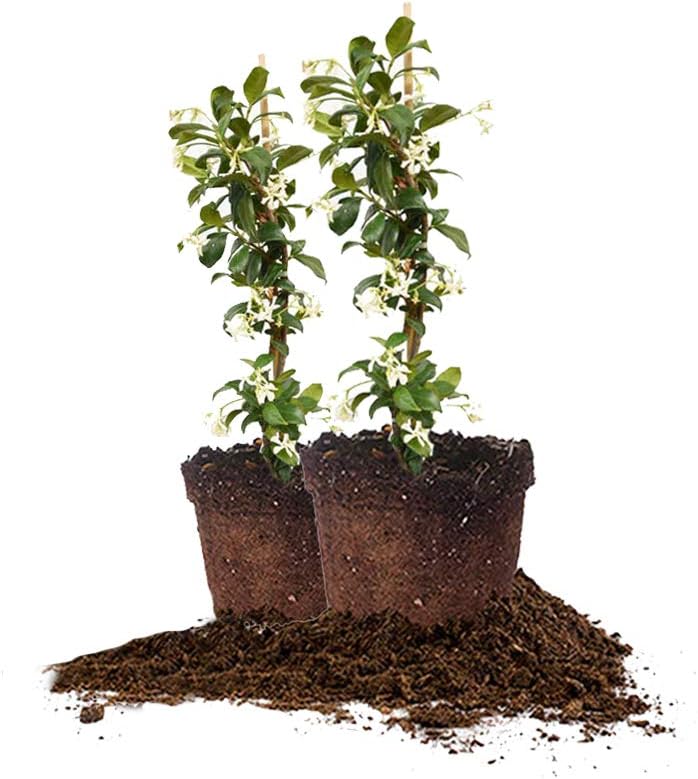
Perfect Plants Confederate Jasmine (2-Pack), Star Vine, 1 Gal
| Indoor Outdoor Usage | Outdoor |
|---|---|
| Expected Blooming Period | Spring |
| Sunlight Exposure | Full Sun, Partial Shade |
| Moisture Needs | Moderate Watering |
| Unit Count | 1 Count |
These two Confederate jasmine vines arrive in individual 1‑gallon nursery pots and are meant to be trained on fences, trellises, railings or other supports to form a fragrant, evergreen screen. They perform best in full sun to part shade and are rated for USDA zones 7–11, so on a shaded porch they will tolerate lower light but bloom most reliably where they get some sun. The plants are described as easy to establish; new arrivals need deep watering every day or two for the first two weeks and can drop some leaves while roots settle. Notable features are the glossy evergreen foliage, sweet white pinwheel flowers in spring and early summer, and organic plant material. Limitations include that each order contains small 1‑gallon pots so expect a period of growth before reaching the listed mature height, and some variability between the two plants. Buyers should plan to provide a structure and basic training to get a neat coverage and to monitor moisture while the plants establish.
Best for: Gardners who want a fragrant, evergreen climbing vine to train on a porch trellis or railing and who prefer a low‑maintenance plant that establishes quickly with basic watering.
Less Ideal for: Those seeking instant privacy or mature coverage right away or gardeners unwilling to train or support vines as they grow.
- Two evergreen vines per order for quicker coverage when planted together
- Fragrant white spring blooms that add scent to a porch area
- Tolerates full sun to partial shade, making it adaptable to sheltered porches
- Ships in 1‑gallon nursery pots so plants are ready to plant immediately
- Described as easy to establish with straightforward watering guidance
- Plants are small 1‑gallon specimens so visual impact takes time as they grow to mature height
- Some leaf drop and minor shipping damage to stems is possible during establishment
Verdict: A practical choice for porch gardeners who want a fragrant, adaptable evergreen vine they can train for seasonal blooms and long‑term screening.
KVITER Rainbow Coleus Seeds — 1,600 Heirloom Coleus (Plectranthus scutellarioides)

| Unit Count | 1600 Count |
|---|---|
| USDA Hardiness Zone | 4-10 |
| Sunlight Exposure | Partial Shade |
| Material Features | GMO Free, Heirloom |
| Moisture Needs | Regular Watering |
These KVITER Rainbow Coleus seed packets deliver a high-count mix of heirloom, non-GMO coleus seeds designed for easy container and border planting. The seeds are billed for part-shade locations and come with a step-by-step growing guide on every packet, which helps take the guesswork out of starting indoors 6–8 weeks before the last frost or sowing directly into pots and trays. Coleus produces colorful foliage rather than showy flowers and reaches about a foot tall, making it well suited to outside pots, hanging baskets, and shaded patio corners. The seeds are labeled low-maintenance and shade resistant, so once established they respond well to regular watering and occasional pinching to encourage bushier growth. Because this is a bulk 1,600-count pack, it is best for gardeners who want to fill several containers or create repeated plantings through the season. Expect germination within 7–14 days under good light; results can vary with local soil and care. The package focuses on starter guidance rather than advanced cultivation details, so experienced growers may want more specific spacing or fertilization notes.
Best for: Gardeners who prefer low-risk, easy-to-follow planting and want colorful, shade-tolerant foliage for multiple outside pots or shaded patio containers.
Less Ideal for: Buyers who only need a few plants for a single small pot or who want edible or flowering plants rather than foliage-focused coleus.
- Very large 1600-seed count is suitable for filling many pots or repeating plantings
- Heirloom, non-GMO seeds with a step-by-step growing guide on each packet
- Shade-tolerant foliage plant that performs well in part-sun/part-shade container locations
- Low-maintenance habit and responds to pinching for bushier growth
- Bulk quantity may be more than needed for casual single-pot gardeners
- Limited cultivation details on fertilizing and advanced care provided
Verdict: A risk-averse choice for filling multiple shaded pots with colorful, low-maintenance coleus foliage thanks to a large heirloom seed pack and clear growing instructions.
Choosing the Right Plants That Are Good in Pots Outside: Key Factors to Consider
Light Requirements
Light exposure determines what will thrive in a pot. Some plants need full sun to produce blooms and compact growth, while others tolerate or prefer part shade. Assess the hours of direct sun your pot location receives and match plants to those conditions.
Light also interacts with pot temperature. Containers in full sun heat up quickly, increasing water demand and stressing shallow-rooted plants. Selecting a plant with appropriate light tolerance prevents leggy growth, scorched foliage, or weak flowering in a container setting.
Watering Needs and Drought Tolerance
Pots dry out faster than garden beds because they hold less soil and warm up more quickly. Choose plants whose watering rhythm matches the attention you can provide. Drought-tolerant species survive intermittent watering and are forgiving for busy gardeners, while moisture-loving plants need more consistent checks and possibly a saucer or self-watering setup.
Consider how rainfall, pot material, and size influence moisture retention. Pair water-needy plants with larger pots and moisture-retentive mixes, and reserve smaller, porous pots for species that prefer to dry between waterings.
Root Growth Habit and Pot Size
Plants vary in root architecture. Some have shallow, fibrous roots that adapt well to shallow containers, while others develop deep taproots or become root-bound quickly. Pick plants with root habits suited to the pot depth and width you can provide. Overpotting or underpotting can both cause stress: very large pots hold excess moisture, and tiny pots limit growth and flowering.
Plan for eventual root restriction by choosing manageable growers or selecting a pot size that allows at least a single season of growth before repotting. Understand whether the plant tolerates being root-bound or needs annual repotting for vigor.
Cold and Heat Tolerance
Containers experience temperature extremes more intensely than in-ground plantings. Roots in pots can freeze faster in winter and overheat in summer. Select plants with hardiness that matches your local climate or be prepared to move pots to protected spots seasonally.
For marginal climates, prioritize plants that tolerate a range of temperatures or can be shifted indoors during cold snaps. Heat-tolerant plants withstand hot afternoons on a sunny balcony without significant decline in flowering or leaf health.
Soil, Feeding, and Maintenance Rhythm
Container soil needs differ from garden soil. Good potting mix drains well yet holds enough moisture and nutrients. Plants in pots require regular feeding because nutrients leach with frequent watering. Choose species whose feeding schedule you can maintain; heavy feeders demand more frequent fertilizer applications and attention.
Also consider pruning and deadheading needs. Some container plants bloom prolifically but require routine deadheading to sustain flowering, while others offer long-lasting foliage with minimal upkeep. Match plant maintenance demands to the time you want to spend.
Visual Habit and Function
Think about the role the plant will play in the container composition. Will it be a focal specimen, a spiller that softens edges, or a background thriller for height? Plants that perform well in pots often have predictable habits that let you compose containers with seasonal interest.
Consider bloom timing, foliage texture, and color contrast when selecting container plants. A balanced composition reduces the need for frequent rearranging and creates a cohesive look suited to patios, balconies, or entryways.
Matching Plants to Pot Types and Materials
Different pot materials affect moisture and temperature. Terra cotta breathes and cools but dries faster, making it suitable for drought-tolerant species. Plastic and glazed ceramic retain moisture longer and work well for moisture-loving plants. Metal pots heat up quickly in sun and may stress roots unless shaded or lined.
Consider pot shape and depth relative to root habit. Shallow saucers suit low-growing, fibrous-rooted plants, while deep planters are better for larger perennials and shrubs with more extensive roots. Drainage holes are essential for almost all outdoor container plants.
- Match pot depth to the plant's root system.
- Use liners or insulation for metal pots to moderate temperature.
- Choose saucers or trays for moisture catchment only when appropriate for the plant.
Seasonal Care and Overwintering in Containers
Containers need different care as seasons change. Reduce feeding and watering for many plants in cooler months and protect frost-tender containers by moving them to sheltered locations or grouping pots to create microclimates. Insulating pots with bubble wrap or mulch around the root ball can help in marginal regions.
Decide in advance whether you will bring plants indoors for winter or treat them as annuals. Some plants can be cut back and protected in place, while others need full-season indoor shelter to survive.
- Group pots to raise humidity and reduce freezing risk.
- Use mulch or straw for extra root insulation in winter.
- Reduce fertilizer in off-season to slow growth.
Composing Containers for Continuous Interest
Design containers with contrast in height, texture, and bloom time. Use a tall specimen for vertical interest, a mounding or trailing plant for mid and lower layers, and a low filler for edge definition. This approach keeps containers looking full and balanced from spring through fall.
Plan for staggered bloom periods so the container never looks empty. Include at least one low-maintenance foliage plant to carry the composition when blooms fade.
- Select plants with complementary watering and light needs.
- Use a mix of annuals and perennials appropriate for containers.
- Rotate or replace spent plants without disturbing the whole composition.
Troubleshooting Common Container Problems
Yellow leaves, wilting, and poor flowering are often signs of mismatched water needs or root crowding. Check drainage and potting mix first. Overwatering and compacted soil are frequent causes of root rot in containers.
Pests and nutrient deficiencies appear faster in pots because the growing medium is limited. Inspect plants regularly, flush pots to remove salt buildup when necessary, and refresh potting mix or repot when root-bound conditions limit growth.
- Ensure pots have adequate drainage holes.
- Repot when roots circle the pot or growth slows despite care.
- Test for salt buildup and leach with thorough watering if needed.
Low-maintenance Container Strategies
If you want a low-effort planter, choose drought-tolerant species, larger pots, and moisture-retentive mixes. Mulch the surface of the potting mix to slow evaporation and reduce the frequency of watering. Self-watering pots or drip irrigation with a timer can make container gardening nearly hands-off.
Pair plants that share feeding and water needs to avoid conflicting care routines. Use slow-release fertilizer at planting to reduce the need for frequent feeding.
- Choose matching-care plants for mixed containers.
- Consider self-watering systems for balcony or vacation care.
- Use larger pots to lengthen the interval between waterings.
How We Chose the Best Plants That Are Good in Pots Outside
We selected plants based on traits that matter for life in a container rather than in-ground performance. Primary evaluation criteria included sun and shade tolerance, drought and watering responsiveness, root growth habit and pot friendliness, ease of seasonal upkeep, and visual payoff in bloom or foliage. Each plant had to demonstrate resilience to temperature swings common in pots and show predictable maintenance demands for small-space gardeners. We excluded species that require deep in-ground rooting, aggressive space or nutrient demands, or complex seasonal protection not typical for casual container gardeners. We also set aside cultivars that need specialized soils or hard-to-find growing media. The final picks focus on broadly available, well-documented plants that balance appearance with container adaptability, so gardeners can choose reliably based on practical performance rather than novelty.
FAQ
How often should I water plants in outdoor pots?
Watering frequency depends on pot size, material, and the plant's needs. Small, unglazed pots in hot sun may need daily checks in warm weather, while larger glazed pots can go several days between waterings. Check soil moisture by finger testing the top inch before watering and adjust based on the plant's drought tolerance.
What potting mix is best for container plants?
Use a well-draining commercial potting mix designed for containers rather than garden soil. A mix with compost, peat or coir, and perlite or coarse sand balances water retention and drainage. Tailor additives to the plant: add more drainage material for succulents and more organic matter for moisture-loving species.
Can I grow perennials in pots year after year?
Many perennials do fine in containers for multiple seasons if given adequate pot size, periodic repotting, and appropriate winter protection. Smaller root systems adapt well to pots, but larger perennials may need pruning or division to remain healthy in confined space.
How do I prevent pots from overheating in full sun?
Choose heat-tolerant plants and use lighter-colored or insulated pots to reduce heat absorption. Position pots where they get morning sun and afternoon shade when possible. Lining the inside of metal containers and providing extra watering during heat waves helps protect roots.
When should I repot container plants?
Repot when you see roots circling the pot, slow growth despite good care, or soil that dries out very quickly. Typically repotting every one to three years refreshes nutrients and gives roots room to grow. Increase pot size gradually rather than jumping to a massively larger container.
Final Verdict
Potted plants succeed when you match species traits to the constraints of containers. Prioritize light tolerance, watering rhythm, and root habit when selecting plants that are good in pots outside. Tradeoffs are inevitable: showier bloomers may need more feeding and water, while low-maintenance foliage plants offer longevity with less effort. Decide how much time you will spend on seasonal care and choose container-friendly plants that fit that routine. With attention to pot material, soil, and placement, you can confidently select plants that deliver strong performance and visual interest in outdoor containers.
