

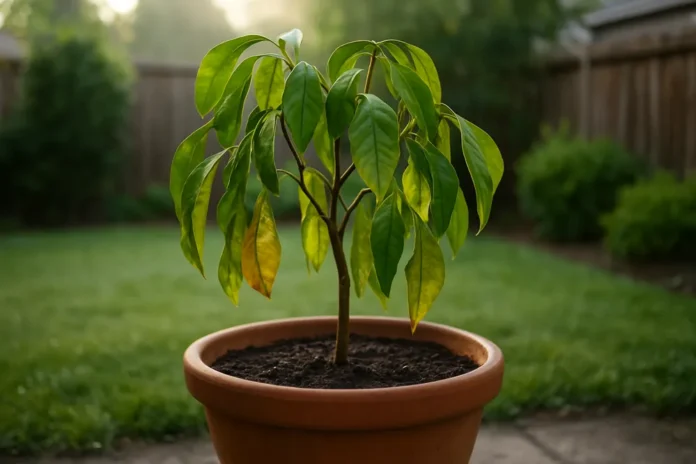
Lemon tree leaves usually droop because the plant is stressed by watering problems, root damage, temperature swings, or pests. In many cases, overwatering and poor drainage are the most common reasons.
A lemon tree with limp, hanging leaves can look alarming fast, especially if it seemed fine just a few days ago. In my experience, lemon tree leaves drooping is one of those symptoms that can mean several different things, but most of them trace back to stress around roots, moisture, temperature, or sap-sucking insects.
The good news is that drooping leaves do not always mean your tree is dying. Citrus often reacts dramatically to environmental changes, and a lemon tree will show strain in its foliage long before the problem becomes severe. If you look at the soil, recent weather, container drainage, and whether the leaves are also yellowing, curling, or falling, you can usually narrow the cause down pretty quickly.
Below, I will walk through the most common reasons lemon leaves droop, what each one tends to look like, and which fixes are most likely to help without making the problem worse.
What Drooping Leaves Usually Mean on a Lemon Tree
Drooping is a loss of leaf firmness and posture. Instead of holding themselves out and slightly up, the leaves hang downward and may look soft, tired, or folded. That usually means the tree cannot maintain normal water pressure inside its tissues, or it is reducing stress by limiting transpiration.
On lemon trees, that loss of firmness can happen for opposite reasons. A tree can droop because it is too dry and short on available water, or because it is too wet and the roots are struggling to absorb oxygen. Heat, cold snaps, transplant stress, salt buildup, and pests can all produce a similar wilted look.
- Leaves droop but stay green: often watering stress, heat, or recent transplanting
- Leaves droop and turn yellow: often overwatering, poor drainage, or root decline
- Leaves droop and curl inward: often drought, hot wind, or low humidity stress
- Leaves droop with sticky residue or distorted new growth: often aphids, scale, or mites
- Leaves droop after a cold night: often temperature shock or cold injury
When I diagnose a drooping citrus tree, I pay more attention to new growth versus older leaves than people expect. If only the newest leaves are limp after a weather swing, the issue is often temporary stress. If the whole canopy looks dull and heavy, I start thinking root trouble first.
Overwatering and Poor Drainage Are Common Causes
Many home gardeners assume drooping means the tree is thirsty, but with potted lemons especially, the opposite is often true. Citrus roots need both moisture and oxygen. When the potting mix stays wet too long, air spaces fill with water, fine roots weaken, and the tree can no longer take up water normally even though the soil is damp.
That is why an overwatered lemon can look wilted in much the same way as an underwatered one. The leaves droop, the tree looks dull, and growth may slow. If the problem continues, leaves often begin to yellow and fall, and the soil may smell sour or stale.
Signs Overwatering Is the Likely Problem
- Soil feels wet several inches down for days at a time
- The pot is heavy long after watering
- Leaves droop even though you watered recently
- Lower or older leaves begin yellowing
- The container has poor drainage or a saucer that stays full
- The tree sits in dense soil that dries slowly
In the ground, overwatering often happens with frequent shallow irrigation, heavy clay soil, or low spots where water collects. In containers, it commonly happens when a decorative pot has no drain holes, when a nursery pot sits inside a cachepot, or when the soil mix has compacted into a dense, peat-heavy mass.
What to Do if the Soil Is Staying Too Wet
Let the top portion of the soil dry before watering again, but do not leave the tree bone dry for an extended period. Empty saucers after watering. If the mix is dense and slow draining, repot into a gritty citrus-friendly mix with good airflow around the roots. For in-ground trees, cut back irrigation frequency and make sure water is soaking deeply rather than being applied lightly every day.
If you are unsure whether to water, lift the pot first if it is container-grown. I trust pot weight more than the surface appearance of the mix, because the top inch can look dry while the root zone is still soggy.
Underwatering and Heat Stress Can Make Leaves Hang Fast
A dry lemon tree also droops, often suddenly. In hot weather, the leaves may hang by afternoon, especially on patio trees in black pots, trees near reflective walls, or specimens exposed to dry wind. When roots cannot keep up with moisture loss through the leaves, the canopy softens and sags.
Unlike overwatering, drought stress often comes with dry, crumbly soil, leaf edge curl, and sometimes crispy margins if the problem has been going on for a while. Fruit may also drop early, and the newest growth may look especially limp.
Clues Your Lemon Tree Is Too Dry
- Soil pulls away from the sides of the pot
- Water runs straight through without soaking in well
- Leaves perk up noticeably after a thorough watering
- Leaf edges feel dry or brittle
- The tree wilts most during the hottest part of the day
Container lemons dry faster than many gardeners expect. Wind, full sun, root-bound pots, and lightweight potting mixes can turn a normal watering schedule into an inadequate one almost overnight in summer.
How to Correct Drought Stress
Water slowly and thoroughly until excess drains out the bottom of the container or, for in-ground trees, until the soil is moistened deeply in the root zone. If the potting mix has become hydrophobic and shrinks away from the sides, soak it gradually or water in stages so the root ball can rehydrate fully.
After that, adjust the schedule based on how quickly the soil actually dries rather than watering by calendar alone. During heat waves, potted citrus may need water far more often than usual.
Root Problems Can Keep the Tree From Taking Up Water
If the leaves droop for days and the tree does not improve after careful watering adjustments, root trouble becomes more likely. Damaged roots cannot absorb enough moisture or nutrients, so the canopy acts thirsty even when the soil seems adequate.
Root issues can come from rot, circling roots in a pot, compacted soil, recent repotting damage, or planting too deeply. Lemon trees are not especially forgiving when roots stay stressed for long.
Possible Root-related Reasons for Drooping
- Root rot from persistently wet conditions
- A root-bound container that dries unevenly and struggles to support top growth
- Compacted soil that excludes oxygen
- Mechanical damage during transplanting
- Buried root flare or mulch piled against the trunk
Root rot is especially serious because it can mimic both overwatering and underwatering at different stages. The tree may droop, yellow, shed leaves, and stall out all at once. If roots are brown, mushy, or have a foul smell, the problem has moved beyond simple watering correction.
A root-bound lemon can also droop because the crowded root mass dries rapidly and repels water. You may notice water racing down the edges of the pot while the center stays dry.
Temperature Shock Is a Frequent Trigger for Droopy Citrus
Lemon trees respond strongly to sudden temperature changes. A move from indoors to full outdoor sun, a surprise cold night, hot pavement radiating heat into the canopy, or a blast of dry air from heating or air conditioning can all leave leaves hanging.
Cold stress tends to show up after nights below the tree's comfort range, especially if the plant was actively growing. Heat stress usually appears on very bright, hot afternoons and is often worse in containers, where roots warm up quickly.
Situations That Often Cause Temperature-related Drooping
- Moving a wintered indoor lemon straight into full sun
- A late spring cold snap
- An outdoor tree placed against a heat-reflecting wall
- Indoor trees near furnace vents or drafty doors
- Rapid changes between day and night temperatures
Mild temperature stress often improves once conditions moderate, though some leaf drop may follow. More severe cold injury may also bring blackened tips, pale patches, or leaves that eventually dry out and fall.
Pests Can Cause Drooping, Especially on New Growth
Sap-sucking pests weaken citrus foliage by feeding on tender tissue and disrupting normal growth. Aphids, scale, spider mites, and citrus leafminers do not always cause full-canopy wilt, but they can make leaves hang, curl, distort, or feel thin and limp.
When pests are involved, drooping often shows up with other clues. You might see sticky honeydew, ants crawling over the stems, fine webbing, pale stippling, or deformed new leaves.
How Pest-related Drooping Tends to Look
- Newest leaves are most affected
- Leaves may twist, cup, or pucker
- Sticky residue appears on foliage or nearby surfaces
- Small insects cluster on undersides of leaves or stems
- Fine webbing appears in hot, dry conditions
A heavy pest load can compound watering stress because a weakened tree loses vigor and has a harder time recovering from heat or inconsistent moisture.
If the drooping is concentrated on fresh flushes of growth while older leaves look relatively normal, I inspect for aphids and mites before I assume a root problem. Citrus pests love tender new leaves, and the damage pattern is often uneven rather than tree-wide.
Nutrient Issues, Salts, and Transplant Stress Can Also Play a Role
Drooping by itself is not the classic first sign of a nutrient deficiency, but poor nutrition can contribute to weak growth that wilts more easily. Lemon trees short on nitrogen, magnesium, or other essentials often show yellowing first, then reduced vigor and less resilient foliage.
Salt buildup is another overlooked cause, especially in containers. Repeated fertilizer applications, hard water, and inadequate flushing can leave excess salts in the soil. That interferes with water uptake and can produce droop, browning tips, or leaf burn.
Transplant stress can create a temporary drooping phase too. If you recently repotted, moved, or planted your lemon tree, the roots may need time to reestablish. A bit of droop after a move is common, especially if the light, temperature, or humidity changed at the same time.
When These Secondary Causes Are More Likely
- The tree was recently fertilized heavily
- White crusts are visible on the soil or pot rim
- The tree was repotted or planted in the last few weeks
- Leaves show burn at the tips along with drooping
- Growth is generally pale and weak, not just limp
How to Tell Which Cause Is Most Likely
Because drooping has several causes, the best diagnosis comes from the pattern rather than the symptom alone. Look at the soil, the recent weather, where the tree is growing, and whether the whole canopy or just certain leaves are affected.
Questions That Narrow It Down Quickly
- Is the soil wet, evenly moist, or dry several inches down?
- Did the problem start right after watering, a hot day, a cold night, or a move?
- Are leaves only drooping, or are they also yellow, curled, sticky, spotted, or crispy?
- Is the entire tree affected or mainly new growth?
- Does the pot drain freely, or does water collect at the bottom?
- Has the tree been fertilized, repotted, or treated recently?
If the leaves perk up after a deep watering and the soil was truly dry, underwatering was likely the main issue. If they stay limp in wet soil, overwatering or root trouble moves to the top of the list. If only young growth is deformed or sticky, pests are more likely. If symptoms started after a weather event, temperature stress may be the trigger.
What to Do Right Now for a Drooping Lemon Tree
The safest approach is to correct the most likely stress without piling on extra changes. Lemon trees often recover well when the root zone and environment are stabilized, but they can decline faster if you respond with panic watering, heavy fertilizer, or aggressive pruning.
- Check soil moisture below the surface before watering.
- Water deeply only if the root zone is actually drying out.
- Improve drainage if the mix stays soggy or the container traps water.
- Move the tree out of extreme afternoon heat or cold drafts if needed.
- Inspect leaf undersides, stems, and new growth for pests.
- Hold off on strong fertilizer until the tree resumes healthy growth.
- Remove only clearly dead leaves or twigs, not stressed but still living growth.
Do not expect every drooping leaf to stand back up immediately. With citrus, recovery is often judged by how the tree behaves over several days and by whether new leaves emerge normally. Existing damaged leaves may never look perfect again even after the problem is fixed.
When Drooping Is Temporary and when It Is Serious
Some drooping is temporary. A lemon tree may sag a bit during extreme afternoon heat and look much better by evening. It may also droop lightly after being moved, repotted, or exposed to a brief weather swing. If color stays good and the tree rebounds quickly, the stress is often manageable.
More serious cases involve drooping that persists for days, spreading yellowing, leaf drop, foul-smelling soil, blackened stems, or a tree that continues to decline despite careful watering. Those signs suggest a deeper root or disease issue that needs prompt attention.
If a container lemon is collapsing fast, the trunk feels soft near the soil line, or roots appear rotten when inspected, treat it as urgent. The sooner you correct drainage and root problems, the better the odds of saving the tree.
FAQ
Should I Water My Lemon Tree as Soon as I See Drooping Leaves?
Not automatically. Drooping can come from both dry soil and overly wet soil, so watering without checking first can make the problem worse. Feel the soil below the surface or judge the weight of the pot before deciding.
Can a Lemon Tree Recover From Overwatering?
Yes, if the roots have not been badly damaged. Many lemon trees recover once excess moisture is reduced and drainage improves. Recovery is slower if root rot has already set in.
Why Are My Potted Lemon Tree Leaves Drooping More than an In-ground Tree?
Containers heat up, dry out, and stay waterlogged more easily than garden soil, so root stress happens faster. Potted lemons are also more likely to become root-bound or trapped in poor-draining mixes.
Will Drooping Lemon Leaves Perk Back Up After Watering?
If drought is the cause, they often improve within hours to a day after a thorough watering. Leaves damaged by rot, cold, or pests may not fully recover even if the tree itself improves.
Can Too Much Sun Make Lemon Leaves Droop?
Yes, especially when a tree is moved suddenly into intense sun or when roots are already stressed. Heat and strong afternoon exposure can cause temporary wilting even when the plant is otherwise healthy.
Do Drooping Leaves Mean My Lemon Tree Has Root Rot?
Not always. Root rot is one possibility, but simple underwatering, heat stress, transplant shock, and pests can all cause drooping too. Root rot becomes more likely when the soil stays wet, leaves yellow, and the tree declines steadily.
Should I Fertilize a Drooping Lemon Tree?
Usually no, at least not right away. If the tree is drooping from watering stress or damaged roots, fertilizer can add more pressure. It is better to restore normal moisture and wait for signs of renewed growth.
Need help fixing citrus problems fast? Read our lemon tree care and treatment guides to choose the right soil, fertilizer, pest control, and watering setup before your tree declines further.
