

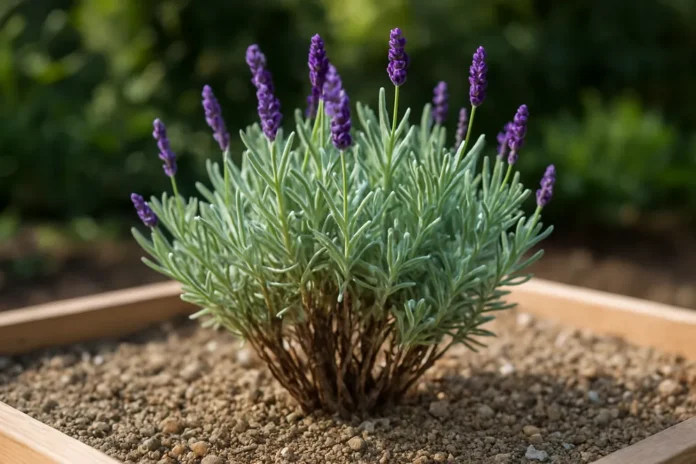
Lavender stems often turn brown because older growth becomes woody with age, but browning can also mean rot, cold injury, drought stress, or pruning problems. The cause depends on whether the stems are dry and firm or soft, dark, and dying back.
If your lavender stems turning brown have you worried, the first thing I want to say is that not all browning is bad news. Lavender is a small shrub, not a soft-stemmed annual, so mature plants naturally develop a woody brown base over time. In many cases, that tan-to-brown lower framework is exactly what a healthy older plant should have.
The problem is that unhealthy browning can look similar at first glance. Root rot, winter burn, overwatering, fungal dieback, and harsh pruning can all cause stems to brown in ways that signal decline instead of normal aging. I usually start by looking at where the browning began, what the stem feels like, and whether the leaves attached to it are still green, silvery, and firm.
Once you know the pattern, lavender becomes much easier to read. Lavender woody stems are normal when they are dry, firm, and supporting new growth, while soft, blackened, hollow, or brittle dead stems usually point to a problem that needs attention.
When Brown Lavender Stems Are Normal
Lavender naturally becomes woodier as it matures. The lower and inner stems often shift from green to tan or brown, especially on plants that are two or more years old. This woody structure helps support the plant and is a normal part of its growth habit.
Healthy woody browning usually appears near the base of the plant first. The stem feels hard and dry, not mushy, and the outer growth still produces fresh silver-green leaves and flower spikes in season. If the plant is blooming well and the browning is limited to older interior wood, you are likely looking at age rather than disease.
- Normal woody stems are usually light brown to gray-brown
- They feel firm and dry when you press them
- New green shoots still emerge from the outer parts of the plant
- The crown is not black, mushy, or collapsing
- Leaf drop is limited to older inner growth, not the entire plant
When I check lavender, I do not panic over a brown base alone. I worry when the browning moves into the crown or when whole branches lose leaves and never push fresh side growth.
Signs the Browning Points to a Real Problem
Problem browning looks different from normal woodiness. Instead of a stable, woody base, you may see stems turning dark brown or black, leaves yellowing or crisping, and branch tips dying back. In severe cases, the plant opens up in the center, collapses outward, or develops a dead patch that spreads.
Texture matters as much as color. Soft stems often suggest rot or crown damage. Brittle dead stems with no buds may point to winter kill, drought, or an older branch that never recovered after stress. If browning is happening fast over a few days or weeks, I look for water issues first because lavender declines quickly in damp soil.
- Stems are soft, blackened, or mushy at the base
- Leaves turn yellow, gray, or brown and fall off rapidly
- Only one side of the plant dies back after wet weather or cold
- The crown looks dark and shrunken instead of pale and woody
- No green tissue appears when you lightly scratch the stem
- The plant smells sour or rotten near the roots
Overwatering and Root Rot Are Common Causes
The most common reason I see unhealthy brown lavender stems is too much moisture around the roots. Lavender evolved in dry, fast-draining soils and struggles when planted in heavy clay, low spots, or containers that stay wet for long periods. Excess moisture can lead to crown rot and root rot, which often begin below the soil line before the stems show obvious distress.
With rot, the browning often starts at the base and works upward. Leaves may fade from green to dull gray or yellow, then dry out even though the soil is wet. That combination confuses gardeners because the plant looks thirsty while the roots are actually suffocating.
What Rot-related Browning Usually Looks Like
- Dark brown or black stems at the crown
- Soft or collapsing lower growth
- Sudden dieback after rainy periods or frequent watering
- Wilted foliage that does not perk up
- A plant in dense or poorly drained soil
If you suspect rot, reduce watering immediately and inspect the planting site. Lavender needs soil that drains quickly after rain, not soil that stays damp for days. In containers, empty saucers after watering and make sure the pot has large drainage holes. In the ground, the best long-term fix is often replanting in a raised mound or a sharper-draining spot.
If I am unsure whether lavender is too dry or too wet, I dig a few inches down before watering. Dry surface soil can fool you, but soggy soil below the top layer tells the real story.
Poor Drainage and Heavy Soil Can Brown Stems Even Without Frequent Watering
Some lavender plants brown at the base even when the gardener is not overwatering. The culprit is often the soil itself. Heavy clay holds water around the roots, especially in winter and spring, and that constant moisture is enough to stress or rot the crown.
This is especially common in areas with humid summers or rainy winters. Even drought-tolerant gardeners get caught by this because lavender can look fine through one season, then decline after a wet stretch when the roots never fully dry between storms.
Site Conditions That Make Stem Browning More Likely
- Clay soil that compacts tightly
- Low areas where runoff collects
- Beds mulched heavily against the crown
- Containers filled with moisture-retentive potting mix
- Sites with limited sun and slow evaporation
Lavender does best in full sun and gritty, lean soil. If your bed stays wet in winter, add coarse mineral material when replanting and keep mulch pulled back from the crown. Organic mulch piled against the stems traps moisture where lavender most needs air.
Cold Damage and Winter Injury Can Leave Stems Brown
Brown stems after winter often come from cold exposure, freeze-thaw cycles, or drying winter winds. Some lavender varieties handle cold much better than others, and plants are more vulnerable if they went into winter too wet, too lush, or recently pruned.
Winter-injured stems are usually dry and brittle rather than soft. The branch tips may remain brown while lower portions still hold a little green tissue under the bark. In spring, it can take time for surviving parts of the plant to show what is truly alive.
How Winter Browning Differs From Rot
- Damaged stems are dry, not mushy
- Browning may be worse on exposed sides of the plant
- The crown is not always black or soggy
- Damage appears after cold snaps, not after overwatering alone
- Some green tissue may still be present lower on the stem
Wait until active spring growth begins before removing too much wood. Once new shoots appear, prune back only to living tissue. If the entire crown remains brown and lifeless after the growing season starts, the plant may not recover.
Pruning Mistakes Can Cause Stem Dieback
Lavender responds well to regular trimming, but it does not like being cut hard into old, leafless wood. When gardeners shear too deeply, especially into the thick brown framework with no visible green growth, those stems often fail to resprout. The result is a patchy plant with permanent brown stubs or sections that die back.
Timing also matters. Pruning too late in fall can encourage tender growth that gets damaged in winter. On the other hand, never pruning at all leads to a large woody center that stops producing fresh shoots. The healthiest plants are shaped lightly and consistently while some green growth remains on each stem.
Safer Pruning Habits for Lavender
- Trim after flowering or in early spring, depending on your climate
- Leave green leafy growth on the stems you cut
- Avoid cutting into bare, thick wood with no buds
- Remove dead stems separately instead of shearing the whole plant too low
- Shape the plant into a soft mound to reduce splitting
I have found that gardeners often call normal woodiness a problem, then accidentally create a real one by cutting too hard. If a stem is brown but still supports healthy green shoots farther out, I leave the old wood alone and trim only the living tips.
Drought Stress and Heat Can Brown Outer Stems
Although lavender loves dry conditions, newly planted or container-grown lavender can still suffer from drought stress. When roots stay too dry for too long, branch tips may brown and leaves can become crisp, faded, or sparse. This usually affects newer growth first rather than causing a blackened crown.
Heat reflected off walls, pavement, or rock can intensify the problem, especially for container plants that dry out quickly. In these cases, stems feel dry and brittle, not soft. The soil will also be dry several inches down rather than cool and damp.
For established in-ground lavender, deep but infrequent watering is better than frequent shallow watering. For young transplants and pots, the goal is a cycle of thorough watering followed by enough drying time that the roots still get oxygen.
Pests and Disease Can Cause Localized Browning
Lavender is not usually a pest magnet, but it can occasionally develop stem browning from fungal disease, crown infections, or physical damage that allows pathogens in. One branch may brown first, or a wedge-shaped dead section may appear while the rest of the plant still looks decent.
Spittlebugs, sap-feeding insects, and stem injuries rarely kill established lavender by themselves, but they can add stress. More serious fungal issues are usually tied to too much moisture, poor airflow, or crowded planting. If stems show cankers, black lesions, or sudden dieback on multiple branches, remove the worst growth and improve conditions around the plant.
- Prune out clearly dead or infected stems with clean tools
- Do not compost badly diseased material if you suspect fungal problems
- Increase spacing and airflow around the plant
- Water at the base, not over the foliage
- Avoid high-nitrogen feeding that pushes weak, lush growth
How to Tell Which Stems Are Alive and Which Are Dead
A simple scratch test can help you judge whether a brown stem still has life in it. Use your fingernail to gently scrape a small section of outer bark on a questionable branch. If you see green beneath, that section is still alive. If it is tan, dry, and brittle all the way through, that part is dead.
Start near the tip and work downward until you find living tissue. This helps you know where to prune without removing healthy wood. Be careful not to overdo the test on many stems at once, since repeated scraping can damage already stressed branches.
What to Look for During a Quick Stem Check
- Check whether the browning is at the base, tips, or throughout the plant
- Feel the stem for firmness or softness
- Scratch a small spot to look for green tissue
- Examine the crown right at soil level
- Notice whether the soil is wet, dry, compacted, or sour-smelling
- Look for fresh buds or side shoots along the stem
What to Do Next Based on the Cause
The right fix depends on whether your lavender is simply aging, staying too wet, suffering from cold, or struggling with drought. Brown woody lower stems with healthy outer growth usually need no treatment beyond sensible pruning. Plants with a soft, dark crown need much faster action because rot can spread.
If the Browning Is Normal Woodiness
- Leave the woody base alone
- Trim green growth lightly after flowering
- Maintain a mounded shape to reduce splitting
- Do not try to force regrowth from bare old wood
If the Plant Is Too Wet or Rotting
- Stop watering until the soil dries appropriately
- Remove obviously dead stems
- Pull mulch away from the crown
- Improve drainage or move the plant to a drier site
- Replace severely rotted plants rather than nursing them for too long
If Winter Damage Is the Issue
- Wait for spring growth before heavy pruning
- Cut back only to green living tissue
- Choose a cold-hardy variety if losses repeat
- Avoid late fall pruning in colder climates
If Drought Stress Caused the Browning
- Water deeply, then let the soil dry between waterings
- Monitor containers more often in hot weather
- Trim clearly dead tips once the plant stabilizes
- Use a fast-draining mix rather than heavy moisture-holding media
How to Prevent Brown Stem Problems in the Future
Most serious lavender stem problems become much less likely when the plant starts in the right place. Full sun, excellent drainage, modest fertility, and pruning that preserves some green growth solve the majority of issues before they begin. Lavender is much tougher when its roots stay airy and the crown stays dry.
I also like to think about lavender as a Mediterranean shrub, not a thirsty cottage perennial. Gardeners often love it to death with rich soil, frequent watering, and snug mulch. A little restraint usually grows a better plant.
- Plant in at least six to eight hours of direct sun
- Use sharply drained soil or raised planting areas
- Water deeply but infrequently once established
- Keep mulch and dense groundcovers away from the crown
- Prune regularly but never deep into bare old wood
- Choose a variety suited to your winter climate and humidity
If you garden in humid or clay-soil areas, growing lavender on a slight berm or slope can make a bigger difference than any fertilizer or spray. Getting the crown a little higher and drier is often the turning point.
FAQ
Is It Normal for Lavender to Have Brown Woody Stems at the Bottom?
Yes. Mature lavender naturally forms a woody brown base, especially after the first couple of years. If the stems are firm and the plant is still producing healthy green growth, that lower browning is usually normal.
Can Brown Lavender Stems Turn Green Again?
Truly woody or dead brown stems do not turn green again. However, if a stem still has living tissue, it may produce new shoots from greener sections or from nearby growth.
Should I Cut Off All the Brown Stems on My Lavender?
No. Remove stems that are clearly dead, brittle, or diseased, but keep the normal woody framework that still supports healthy growth. Cutting deeply into bare old wood can make the plant look worse and may prevent regrowth.
How Do I Know if My Lavender Has Root Rot?
Root rot usually shows up as dark or blackened lower stems, a soft crown, yellowing or wilting leaves, and soil that stays wet too long. The plant may look dry even though the roots are actually drowning.
Can Overwatering Kill Lavender?
Yes. Lavender is very sensitive to soggy soil, and repeated overwatering can cause crown rot and root rot. This is one of the fastest ways to lose an otherwise healthy plant.
Why Did Only One Side of My Lavender Turn Brown?
One-sided browning can happen from winter wind exposure, localized root damage, disease affecting one branch system, or uneven watering. It is common when part of the plant experienced a different level of stress than the rest.
Will Lavender Come Back After Winter Stem Browning?
Sometimes. If there is still green tissue lower on the stems or fresh growth begins from the base in spring, the plant may recover. If the entire crown stays brown and lifeless after growth resumes elsewhere in the garden, it may be lost.
What Is the Best Soil for Preventing Brown Stems on Lavender?
Lavender prefers lean, fast-draining soil with plenty of air around the roots. Sandy or gritty soil, raised beds, and slopes are usually much better than heavy clay or moisture-retentive planting mixes.
Want healthier lavender with fewer dieback problems? Read our guide to the best soil mixes, pruning tools, and cold-hardy lavender varieties so you can replant or revive with confidence.
