

Note: This article contains affiliate links. If you click on these links and make a purchase, I may earn a small commission at no extra cost to you. This helps support my research and content. Read my full affiliate disclosure here.
Pharaoh ants behave and nest differently than common outdoor species, so the bait you pick affects how quickly and thoroughly you control an infestation. You need a product that draws workers from satellite nests, sustains feeding long enough to reach the queen, and fits into kitchens, bathrooms, and other indoor hiding places without creating new hazards. This guide covers the top shortlisted ant baits for Pharaoh ants and explains the practical differences between bait formulations, station designs, and placement strategies. We evaluate each option on attractant strength, bait persistence, and indoor safety to help you choose the right solution for your home. Read on for a clear explanation of how these baits behave in real indoor environments and what matters most when using them.
Top Picks at a Glance
| Best Overall The best all-around choice for most situations | BASF Advance 360A Dual Choice Ant Bait Stations, 72 Pack (18 packs of 4) |  |
| Best Quality Built to a higher standard if you want something more solid | Advance 375A Select Granular Ant Bait, 8 oz |  |
| Best Value The sweet spot between price and what you get | Syngenta Advion Ant Gel Bait, 4 x 30 g Tubes with Plungers and Tips |  |
| Best Budget The cheapest option that still gets the job done reliably | BASF Advance 360A Dual-Choice Ant Bait Stations, 4 Pack |  |
| Highest Rated A top-rated pick with lots of positive feedback | Maxforce FC Ant Bait Stations (24 Count) by Envu |  |
| Best Seller A high-volume bestseller chosen again and again | Maxforce Quantum Liquid Ant Bait Tube with 10 Refillable Stations (4.23 oz) | 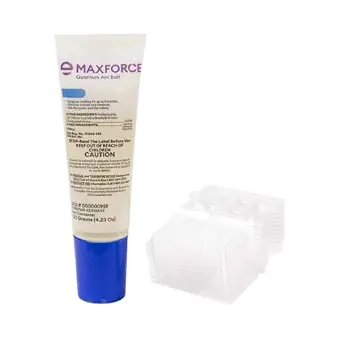 |
BASF Advance 360A Dual Choice Ant Bait Stations, 72 Pack (18 packs of 4)

| Included Components | 18 packs (4 ant bait station per pack) |
|---|---|
| Item Form | Granules |
| Target Species | Ants |
| Active Ingredients | Abamectin 0.011% |
This BASF Advance 360A pack contains prefilled bait stations that present ants with two separate attractants—a protein blend and a carbohydrate/oil blend—so picky species like Pharaoh ants will feed and take bait back to the colony. Each station uses granules with 0.011% abamectin, an active ingredient that disrupts insect nervous systems and helps reduce entire colonies including queens when placed correctly. The kit is intended for indoor and outdoor use in places where ants are a problem and comes in a multi-pack for treating multiple rooms or repeat placements. Practical benefits include the dual-choice formulation for better uptake by mixed ant populations and a tamper-resistant station design that reduces accidental access by children and pets. Limitations are that the product requires following label directions closely because it is a pesticide and that multiple stations and repeat monitoring are usually necessary for heavy infestations to ensure colony elimination.
Best for: Buyers who want a professional-style bait that targets colonies rather than just killing foraging workers and who are prepared to place multiple stations and follow safety directions.
Less Ideal for: People looking for an immediate spray-style knockdown or those unwilling to use a chemical pesticide in or around living spaces.
- Dual-compartment stations provide both protein and carbohydrate/oil attractants to appeal to different ant preferences
- Contains abamectin 0.011%, a slow-acting active ingredient effective at reaching and affecting colony members
- Designed for indoor or outdoor placement with a tamper-resistant station to limit accidental access
- Sold in a large multi-pack suitable for treating multiple rooms or repeated placements
- Contains a pesticide that requires careful handling and strict adherence to label safety instructions
- Will typically need multiple stations and follow-up monitoring for heavy or established infestations
Verdict: Choose this dual-choice, professional-style bait if you need a colony-targeting solution that increases uptake by picky species like Pharaoh ants.
Advance 375A Select Granular Ant Bait, 8 oz

| Unit Count | 8 Ounce |
|---|---|
| Item Form | Granules |
| Target Species | Ants |
| Active Ingredients | Abamectin 0.011% |
Advance 375A Select is an 8 ounce granular ant bait formulated with 0.011% abamectin that targets entire ant colonies by relying on foragers to carry bait back to the nest. You apply it in small amounts around mounds, along trails, at structure perimeters, or inside bait stations when treating carpenter and other household ants. The granule mix includes multiple grit sizes so a variety of species will pick it up, and the active ingredient has a delayed effect that promotes food sharing before ants die. Practical benefits include flexible placement options for perimeter, mound, or broadcast treatments and suitability for both indoor use in protected areas and outdoor site perimeter work. Important limitations are that it is a toxic pesticide that must be used exactly per label directions and it poses hazards to fish, wildlife, pets, and people if misused, and granular bait can be less precise than contained station baits in high-traffic areas. For balanced, routine ant control around structures this product is a useful tool but it should be part of an integrated approach and handled with care.
Best for: Homeowners and property managers seeking a practical, flexible bait that targets colonies rather than just individual workers and who want a product they can apply around structures or in bait stations.
Less Ideal for: People who need a non-chemical or pet-safe ant control method or those who prefer pre-baited containment stations for precise indoor placement.
- Designed to eliminate colonies by using delayed-action abamectin that allows bait transfer
- Granule blend with multiple grit sizes improves uptake by different ant species
- Versatile application: usable in stations, around perimeters, as mound or broadcast treatment
- Formulation suitable for indoor and outdoor placement when label directions are followed
- Contains a toxic active ingredient and requires careful handling to avoid harm to people, pets, and wildlife
- Granular form can be less targeted than contained bait stations in busy or exposed areas
Verdict: A flexible granular bait that uses delayed-action abamectin to eliminate entire ant colonies, making it a solid choice for balanced, routine carpenter ant control around structures.
Syngenta Advion Ant Gel Bait, 4 x 30 g Tubes with Plungers and Tips

| Item Form | Gel |
|---|---|
| Target Species | ant |
| Active Ingredients | Indoxacarb |
| Specification Met | EPA |
Advion Ant Gel is a concentrated, non-repellent gel bait intended for targeted ant control. It is applied in small spots or lines along active trails, in cracks and crevices, and beneath appliances where foragers feed and carry the bait back to the nest. The 0.05% indoxacarb formulation is designed to be highly attractive to sugar-seeking ants and to pass through worker-to-worker and worker-to-queen transfer for broader colony suppression. Syringes include plungers and tips for precise placement, making it easy to reach concealed areas without excess mess. Practical benefits include suitability for indoor and outdoor use and a bait matrix that encourages feeding rather than repelling ants, which speeds up colony-level control when ants accept it. Limitations are that it targets foraging ants specifically so success depends on correct placement and continued monitoring, and it is not a residual spray substitute for broad perimeter treatments.
Best for: Buyers who prioritize fast, colony-level control and will place bait strategically and monitor results; good for homeowners or pros focused on targeted treatments rather than broad sprays.
Less Ideal for: People wanting a one-time broad residual treatment or those unwilling to inspect and reapply bait as needed should consider other treatment formats.
- Non-repellent indoxacarb formula encourages foragers to feed and transfer bait into the colony
- Includes plungers and application tips for precise, low-mess placement
- Suitable for both indoor and outdoor use so you can treat trails and nests in multiple locations
- Gel form lets you place small doses in cracks, crevices, and other hidden spots
- Effectiveness depends on correct placement and ant species feeding preferences
- Requires monitoring and reapplication for complete control of large or multiple nests
Verdict: Choose Advion Ant Gel when you want a professional-strength, non-repellent bait that encourages worker feeding to eliminate entire ant colonies.
BASF Advance 360A Dual-Choice Ant Bait Stations, 4 Pack

| Unit Count | 4 Count |
|---|---|
| Target Species | Ant |
| Power Source | Manual |
BASF Advance 360A is a professional-style ant bait station that places two separate bait matrices—one protein blend and one carbohydrate/oil blend—inside a single tamper-resistant housing to appeal to different ant feeding preferences. It is typically used indoors and outdoors around baseboards, corners, plumbing, and other ant pathways; instructions recommend 3–4 stations per average room and more for heavy infestations. The active ingredient, abamectin 0.011%, is designed to be taken back to the nest so it can reach queens and collapse colonies rather than only killing foragers. The clear, low-profile stations are kid- and pet-resistant when placed correctly and the dual-choice design improves effectiveness against picky species like Pharaoh ants. Limitations are that this is a bait-only approach so results can take days to weeks and it requires careful placement and keeping baits accessible to ants until colony effects appear. Also follow safety directions because the bait is toxic if handled improperly.
Best for: Homeowners who want a cost-effective, bait-based solution focused on eliminating Pharaoh ant colonies by attracting varied feeding preferences and collapsing nests rather than quick surface sprays.
Less Ideal for: People needing immediate knockdown of visible ants or those unwilling to set and monitor bait stations; not suitable as a lone option for structural infestations that require professional treatment.
- Dual-compartment design offers both protein and carbohydrate/oil baits to attract different ant preferences
- Contains abamectin formulated to be carried back to the nest to target queens and entire colonies
- Clear, tamper-resistant stations can be placed along ant trails and are designed to reduce accidental access by children and pets
- Sold as a 4-pack so you can place multiple stations for room-by-room coverage
- Active ingredient is low-percentage and bait-only control can take several days to weeks to eliminate a colony
- Requires correct placement and undisturbed access for ants to be effective
Verdict: Choose these dual-choice bait stations when you want an affordable, colony-directed solution that targets Pharaoh ants by offering both protein and carbohydrate baits.
Maxforce FC Ant Bait Stations (24 Count) by Envu

| Unit Count | 24 Count |
|---|---|
| Target Species | Insects |
| Active Ingredient | 0.01% Fipronil |
| Number of Pieces | 24 |
Maxforce FC Ant Bait Stations are ready-to-use, child-resistant stations prefilled with a slow-acting fipronil bait designed to be placed along ant trails, cracks, and entry points. In practice you set the small clear stations where you see worker ants; they feed on the bait, return to the nest, and transfer the active ingredient to other colony members which can lead to colony elimination rather than just killing foragers. The stations are odorless and contained, so they are easy to use in kitchens and living areas without spills or strong smells, and the clear housing makes it simple to monitor activity. The formulation is labeled effective against common household species including pharaoh ants, making this pack useful for treating multiple rooms or ongoing activity. Important limitations are that results are not immediate since the bait relies on worker transfer and that success depends on correct placement and continued monitoring; very large or heavily infested nests may require professional follow up.
Best for: Buyers who prioritize dependable colony-level control and want a low-maintenance, contained option for treating pharaoh ants and other household species inside and around the home.
Less Ideal for: People needing immediate knockdown of visible ants or those unwilling to place multiple stations and monitor activity may prefer contact sprays or professional services instead.
- Prefilled, child-resistant stations for safe indoor placement and easy monitoring
- Slow-acting fipronil formula designed to be carried back to the nest for colony-level control
- Odorless, contained design prevents spills and makes indoor use practical
- 24 stations provide enough placements for multiple rooms or ongoing treatments
- Action is slow because control depends on worker ants taking bait back to the colony
- Effectiveness depends on correct placement and ant feeding preferences which may require some trial and error
Verdict: Use these prefilled, child-resistant bait stations when you want a practical, colony-focused solution for persistent pharaoh ant problems.
Maxforce Quantum Liquid Ant Bait Tube with 10 Refillable Stations (4.23 oz)

| Item Form | Tube |
|---|---|
| Target Species | Insects |
| Active Ingredient | Imidacloprid 0.03% |
Maxforce Quantum is a liquid gel ant bait sold with refillable stations for targeted indoor and outdoor use. The gel is dispensed from a needle-tip tube so you can place tiny spots or thin lines into cracks, crevices, and bait stations along ant trails. Its formula is hygroscopic so it stays attractive longer than typical gels, which manufacturers say can keep bait effective for up to three months. That makes it useful for slow, persistent infestations such as sugar-preferring species like Pharaoh ants. The product is clear and low-odor, which helps with discreet placement in kitchens and food-handling areas when used according to label directions. Practical benefits include the ability to dilute the gel for very large infestations and to refill stations for repeated treatments. Important limitations are the active ingredient (imidacloprid 0.03%), which means it is specific to ants that feed on sweet baits and will not control carpenter ants or fire ants, and the need to avoid killing foragers immediately so the bait is carried back to the colony.
Best for: Buyers who prioritize a cautious, methodical approach to household ant control and need a discreet, long-lasting bait for sugar-preferring species like Pharaoh ants.
Less Ideal for: Homeowners facing carpenter ant or fire ant infestations or those who need a broad-spectrum insecticide rather than a targeted ant bait.
- Long-lasting hygroscopic gel stays attractive longer than standard gels
- Needle-tip tube allows precise placement in cracks, crevices, and bait stations
- Clear, low-odor formula suitable for discreet indoor use
- Includes refillable stations for organized placement and cleanup
- Contains imidacloprid so it only works on ants attracted to sweet carbohydrate baits and is ineffective against non-sugar-feeding species
- Requires careful application strategy (do not kill foragers) to achieve colony elimination
Verdict: Choose Maxforce Quantum when you need a long-lasting, discreet sugar-based bait to eliminate Pharaoh ant colonies by delivering poison back to the nest.
Choosing the Right Ant Bait for Pharaoh Ants: Key Factors to Consider
Attractant Type and Palatability
Pharaoh ants shift food preferences during colony cycles, so the chemical class of the bait matters. Sugary formulations work well when workers forage for carbohydrates, while protein- or lipid-based baits may be necessary when larvae demand protein. A bait that matches the colony's current preference increases uptake from worker ants and improves the chances of carrying the toxicant back to satellite nests and the queen.
Consider that palatability can vary with indoor conditions. High humidity or competing food sources in kitchens and pantries can reduce bait attractiveness, so choose a bait known to remain appealing in typical household settings.
Bait Persistence and Stability
How long a bait remains attractive affects how many foraging trips are needed to affect the colony. Some liquid or gel baits dry out or crystallize in low-ventilation spaces, which reduces uptake. Conversely, overly fast-acting toxicants can kill foragers before they transfer bait, so look for a formulation with delayed mortality and stable texture under indoor temperatures.
Persistence also matters when you cannot access every nesting site at once. A bait that retains palatability for weeks increases the chance that workers from satellite colonies will find and consume it over multiple foraging cycles.
Station Design and Safety
Secure stations prevent accidental contact by children and pets and help retain bait where ants can access it easily. Look for designs that protect bait from spills and contamination, allow ants to enter and feed without obstruction, and are low-profile for placement along baseboards or behind appliances.
A well-designed station also limits exposure to household occupants while keeping the bait protected from cleaning activity or competing food sources. Consider stations with tamper-resistant closures and those that keep liquid baits from leaking onto surfaces.
Placement Flexibility and Size
Pharaoh ants nest in wall voids, under appliances, and inside cabinets, so the physical size and placement options of a bait station matter. Slim, flat stations fit into tight gaps and along trim, while bulkier units may only work on countertops or closets. The right size helps you distribute the recommended number of stations without creating visual clutter or obstructing normal household use.
Also think about how many stations you can reasonably deploy. Larger infestations often require more units placed in transit corridors between nest sites and food sources to intercept foragers effectively.
Safety of Active Ingredient and Delayed Action
The toxicant's mode of action matters for both effectiveness and safety. Delayed-action active ingredients allow workers to return to the nest and share bait through trophallaxis, increasing colony-level impact. However, the active ingredient must also have an indoor safety profile suitable for households with children, pets, or food preparation areas. Balance delayed action with an ingredient that is intended for contained bait use and follow label instructions for placement.
Consider whether a bait leaves residues or odors that could affect food prep surfaces and whether the active ingredient requires special disposal once spent.
Ease of Monitoring and Replenishment
Practical use depends on how easy it is to check bait uptake and replace spent bait. Clear or visible bait windows reduce guesswork, and refillable designs save trips and waste. If you must crawl into tight spaces, smaller single-use stations can be easier to deploy but create more waste and require more frequent replacements.
Think about how often you can realistically inspect stations. If monitoring is difficult, choose a bait with longer persistence or a station that indicates when bait is low so you can maintain continuous control.
How Pharaoh Ant Biology Changes Bait Strategy
Pharaoh ants form multi-nested colonies with many satellite nests and frequent budding. That means killing visible workers around a food source rarely eliminates the problem. Instead, the goal is to get workers to carry toxicant back to hidden nest sites where queens and brood are located. Because of their indoor habits, placement along ant trails, near moisture sources, and behind appliances is often more important than scattering stations randomly around a room.
- Pharaoh colonies contain many queens and split easily, so avoid agitation that scatters nests.
- Target transit corridors between food and nest sites for best bait access.
- Monitor several locations over weeks since workers may find bait at different times.
Safe Indoor Placement Tips
Place stations where ants are active but out of reach of children and pets. Baseboards, behind appliances, and inside cupboards are common transit routes. Avoid putting stations directly on food prep surfaces or where cleaning sprays or spills can contaminate bait. If you have pets that investigate tight spaces, use tamper-resistant stations or mount them behind fixtures where animals cannot reach.
Use thin stations for gaps under appliances and low-profile designs for narrow voids. For bathrooms and utility rooms, target warm humid areas where Pharaoh ants often forage.
- Keep stations away from areas that are regularly wiped or sprayed with cleaning products.
- Record locations with a photo or simple map to track uptake over time.
- Replace or relocate stations if you see no activity after several days.
Integrating Hygiene and Exclusion
Baiting works best alongside sanitation. Remove accessible food residues, store dry goods in sealed containers, and fix leaking pipes or other moisture sources that attract foraging workers. Sealing obvious entry points and gaps around pipes reduces the number of nests that can establish indoors, making baiting more efficient.
Use nonchemical exclusion measures first where possible, then place baits to intercept the remaining foragers. Remember that heavy cleaning can temporarily reduce bait uptake if it removes scent trails, so coordinate cleaning and baiting for best results.
- Store pet food off the floor and inside sealed containers during treatment.
- Fix dripping faucets and reduce standing moisture to make baits comparatively more attractive.
- Seal gaps around utility penetrations to limit new nest sites.
When to Reassess Your Strategy
If you see persistent ant activity after two to three weeks of continuous bait uptake, reassess placement and bait type. Ant preference can shift, and a colony with many queens may require sustained bait availability. Consider switching attractant class if you get zero uptake, and increase the number of stations along active trails rather than piling multiple stations in one spot.
If activity intensifies or workers scatter, avoid aggressive spraying. Disturbing nests can prompt budding and make control harder. Instead, move stations to new transit corridors and maintain sanitation while monitoring.
- If bait is consumed rapidly but ants remain, expand station coverage to other rooms.
- Switch bait attractant type if you see no interest in deployed stations after several days.
- Avoid sprays that could fragment colonies and create more nests.
How We Chose the Best Ant Bait for Pharaoh Ants
We focused on features and behaviors that matter for controlling Pharaoh ants in indoor settings. Evaluation prioritized attractant chemistry and palatability, because Pharaoh ants often prefer specific carbohydrate or protein sources depending on colony stage. Station design and child or pet safety were treated as a separate dimension, since secure containment reduces accidental contact and maintains bait availability. Persistence and formulation stability were measured to estimate how long a bait remains attractive under indoor humidity and temperature conditions. Ease of placement and refillability were considered because many infestations require multiple stations across kitchens, bathrooms, and wall void access points. Finally, compatibility with integrated pest management strategies was assessed to ensure options fit with non-chemical sanitation and exclusion measures. We excluded broad outdoor broadcast products and insecticidal sprays intended for perimeter treatment, focusing only on contained baits and stations suitable for use inside homes. Options that relied on surface residue application or required professional-only equipment were not considered. The final list reflects these filters and favors baits that balance attractant uptake with safe, long-lasting delivery under typical household conditions.
FAQ
How long should a station remain in place to control Pharaoh ants?
Leave stations in place until there is no visible foraging activity for at least two weeks. Because colonies can be multi-nested, longer monitoring and periodic checks are often necessary to catch late-arriving workers.
Can I use outdoor ant bait inside my home?
Outdoor broadcast baits and granular perimeter products are not designed for indoor use and may not be safe in kitchens or near children and pets. Use baits and stations labeled for indoor application and follow placement guidance.
Will cleaning remove bait effectiveness?
Cleaning can remove scent trails and surface residues that attract foragers, which may reduce immediate bait uptake. Coordinate cleaning and bait placement so stations remain available in protected locations while you clean high-contact surfaces.
What if the ants ignore the bait?
Ant preference can change with colony needs. Try moving stations to active trails, switch attractant types between sugar and protein-based formulas, and ensure there are no competing food sources nearby. Increasing the number of stations across transit routes can also help.
Are bait stations safe around pets and children?
Tamper-resistant stations designed for indoor use reduce accidental exposure risk, but no bait is risk-free. Place stations out of reach of children and pets, use secure mounting when needed, and choose enclosed designs where possible.
Final Verdict
Choose an ant bait strategy that matches Pharaoh ant biology and the realities of your indoor space. Prioritize attractant type and bait persistence so workers will carry toxicant back to hidden nests, and pick stations that offer safe, discreet placement in kitchens, bathrooms, and behind appliances. Balance delayed-action active ingredients with secure station design to maximize colony-level impact while minimizing household exposure. If you maintain sanitation and monitor placements, you will be able to adapt bait type and station distribution based on observed uptake. Focus on placement and persistence rather than rapid knockdown to achieve reliable control of Pharaoh ant infestations.
