

Note: This article contains affiliate links. If you click on these links and make a purchase, I may earn a small commission at no extra cost to you. This helps support my research and content. Read my full affiliate disclosure here.
Choosing the right natural plant food changes how your garden responds to feeding, from slower-release fertility for containers to more immediate support for in-ground beds. You want a product that matches your plants, watering routine, and soil biology so nutrients are available when roots need them and not wasted. This guide covers seven top shortlisted natural plant food options for a range of garden situations and explains the practical tradeoffs between nutrient sources, application frequency, and ease of use. Below we summarize the evaluation criteria used and what to expect from each type before the product list.
Top Picks at a Glance
| Best Overall The best all-around choice for most situations | Grow Queen Organic Liquid Indoor Plant Food 5-5-5 with Sea Kelp, 8 oz | 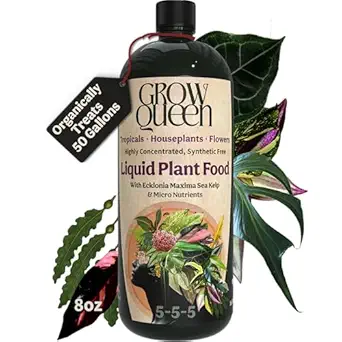 |
| Best Quality Built to a higher standard if you want something more solid | FoxFarm Big Bloom Liquid Plant Food, 16 fl oz |  |
| Best Value The sweet spot between price and what you get | Purived All-Purpose Liquid Houseplant Fertilizer, 16 fl oz (Makes 50 Gallons) |  |
| Best Budget The cheapest option that still gets the job done reliably | True Organic All Purpose Liquid Plant Food (16 fl oz) |  |
| Highest Rated A top-rated pick with lots of positive feedback | Pegmapri Organic Liquid Plant Food, 8.45 fl oz Concentrated |  |
| Most Popular A crowd favorite that many people choose with confidence | TPS NUTRIENTS Indoor Plant Food Liquid Fertilizer, 8 fl oz |  |
| Best Seller A high-volume bestseller chosen again and again | TPS NUTRIENTS Indoor Plant Food Liquid Concentrate, 32 fl oz |  |
Grow Queen Organic Liquid Indoor Plant Food 5-5-5 with Sea Kelp, 8 oz

| Item Form | Liquid |
|---|---|
| Mixing Ratio | 1:1 |
| Specific Uses For Product | Plant Growth |
| Application Method | Watering |
| Target Species | Plants |
Grow Queen's 8 oz concentrated liquid plant food is a balanced 5-5-5 organic fertilizer designed for regular use on houseplants, tropicals and container gardens. You mix one capful (about 4 ml) per gallon of water and either drench the soil or apply as a foliar mist every one to three weeks, which makes it straightforward to fold into a weekly watering routine. The formula includes Ecklonia maxima sea kelp and trace micronutrients, which help support greener foliage, stronger stems and root development without the burning risk of high-strength synthetic feeds. At the stated dilution the bottle treats up to 50 gallons so it will last a small collection for months. It is also labeled safe for aerated hydroponic systems when reservoirs are changed regularly, though it can form a film in stagnant water so fresh mixes are recommended. The product has an earthy ocean scent from real kelp and excludes perfumes and dyes, but that natural smell may bother some users. Directions are simple and the fertilizer pairs well with slow-release feeds for longer-term nutrition.
Best for: Buyers who want a simple, one-bottle solution to feed a mixed collection of houseplants regularly and prefer organic ingredients and seaweed benefits.
Less Ideal for: Growers who need precision nutrient formulas for specific flowering or high-yield vegetable crops or those who require ready-to-use sprays without mixing.
- Balanced 5-5-5 NPK suitable for general indoor plant feeding
- Concentrated formula stretches up to 50 gallons from an 8 oz bottle
- Contains sea kelp and micronutrients to promote foliage color and root strength
- Safe for regular use at recommended dilution with low burn risk
- Natural kelp scent may be noticeable indoors
- Can form a film in standing water so not ideal for non-aerated reservoirs
Verdict: A concentrated, easy-to-use organic 5-5-5 liquid fertilizer with sea kelp that provides straightforward, all-purpose nutrition for indoor plant collections.
FoxFarm Big Bloom Liquid Plant Food, 16 fl oz

| Item Form | Liquid |
|---|---|
| Specific Uses For Product | Organic |
| Application Method | watering can, sprayer, or drip system |
| Liquid Volume | 16 fluid ounces |
| Mixing Ratio | 4 |
Big Bloom is a concentrated liquid bloom fertilizer aimed at boosting flowers and fruit by supplying readily available organic nutrients. It mixes into water (manufacturer recommends 4 tablespoons per gallon) and can be applied with a watering can, sprayer, hose-end siphon, or through drip systems, so you can feed potted plants, beds, or containers without changing your routine. Notable features are its OMRI listing for organic use and the inclusion of bat guano and earthworm castings, which provide phosphorus and organic matter to encourage blooms and seed set. Because it is liquid and fast-acting, you can expect visible perk-up within a short time after feeding, and it is suitable for regular use at watering times to extend flowering. Limitations to consider are the small 16 fl oz size for larger gardens and the presence of phosphorus, which may be restricted in some locales and requires careful application to avoid runoff.
Best for: Gardeners focused on maximizing blooms and fruit who want an organic, fast-acting feed they can add to routine watering for container and bed-grown flowering plants.
Less Ideal for: Large-scale landscapers or very large perennial beds who need bulk fertilizer solutions or want to avoid phosphorus-based products due to local regulations.
- OMRI-listed organic formula with natural inputs like bat guano and earthworm castings
- Liquid concentrate allows fast nutrient uptake and flexible application methods
- Works with watering cans, sprayers, hose-end siphons, and drip systems for easy integration
- Small 16 fl oz bottle may require frequent repurchasing for larger flower beds
- Contains phosphorus so local restrictions on phosphorus fertilizers may apply
Verdict: Choose Big Bloom when you want an OMRI-listed, easy-to-apply liquid fertilizer that delivers fast organic nutrients to boost flowering and fruiting.
Purived All-Purpose Liquid Houseplant Fertilizer, 16 fl oz (Makes 50 Gallons)

| Item Form | Liquid |
|---|---|
| Application Method | soil drench, foliar feed, full & semi hydroponics |
| Target Species | Houseplants |
| Mixing Ratio | 320:1 |
Purived All-Purpose Liquid Houseplant Fertilizer is a concentrated 16 fl oz bottle that mixes 1 cap per gallon to treat up to 50 gallons of water. It is formulated for indoor potted plants and supports multiple application methods including soil drench, foliar spray, and full or semi-hydroponics, so you can use the same product whether you water, mist, or run nutrient solutions. The formula lists primary macronutrients and a range of micronutrients, which helps correct common deficiencies and supports steady growth when used at the recommended dilution. Practical benefits include an easy-to-follow mixing ratio, an odorless solution that is simple to store, and broad compatibility with different feeding routines. Important limits are that the label gives no N-P-K percentages, so precise nutrient planning for sensitive seedlings or specialty plants is not possible, and safety precautions mean you must handle and store it carefully. For new plants, start at or below the recommended dilution and observe growth before increasing frequency.
Best for: Buyers who want a versatile, no-fuss fertilizer for establishing and maintaining new houseplants and who value a single product that works across watering, misting, and basic hydroponic setups.
Less Ideal for: Growers who need exact N-P-K formulations for seedlings, specialty plants, or strict hydroponic nutrient regimens should consider a product with full nutrient breakdown and concentration details.
- Very concentrated so one bottle treats up to 50 gallons, reducing repurchase frequency
- Suitable for multiple application methods: soil drench, foliar feed, and hydroponics
- Includes a range of micronutrients in addition to primary NPK components
- Simple, clear mixing ratio (320:1) that is easy to follow
- No N-P-K ratio listed on the product information, limiting precise nutrient management
- Requires careful handling and storage due to safety warnings
Verdict: A concentrated, easy-to-use all-purpose fertilizer that covers feeding, foliar, and basic hydroponic needs for new houseplants.
True Organic All Purpose Liquid Plant Food (16 fl oz)

| Item Form | Liquid |
|---|---|
| Specific Uses For Product | Agriculture, Gardening |
| Coverage | Full |
| Mixing Ratio | 2 fl oz per gallon, every two weeks |
True Organic All Purpose Liquid Plant Food is a ready-to-mix liquid fertilizer intended for regular feeding of vegetables, herbs, flowers and houseplants. You shake and dilute 2 fl oz per gallon of water and soak the soil every two weeks during the growing season, which makes it easy to add into an existing watering routine. The formula uses farm-grade organic inputs such as fish solubles, kelp extract and molasses designed to supply macronutrients and support microbial activity in soil rather than synthetic salts. The bottle size and mixing rate suit small beds, containers or indoor collections where you need frequent light feedings. Because it is concentrated and OMRI listed for organic gardening, it is a good choice for gardeners who prioritize organic inputs. Expect slower, steadier nutrient release compared with fast-release synthetic fertilizers and plan for repeated applications to see sustained results across a season.
Best for: Gardeners who want an easy-to-use, certified organic liquid fertilizer for containers, small beds, or indoor plants and who prefer steady, biology-friendly feeding.
Less Ideal for: Large-scale vegetable plots or landscapers who need bulk, fast-release fertilizers for one-off applications should consider higher-volume or synthetic options.
- OMRI listed and made with organic inputs suitable for organic gardens
- Concentrated liquid formula is easy to mix and apply with a regular watering schedule
- Contains multiple nutrient sources and kelp to support both plants and soil biology
- Made in the USA with farm-grade ingredients and clear mixing instructions
- Smaller 16 fl oz bottle requires frequent repurchasing for larger gardens
Verdict: A concentrated, OMRI-listed liquid fertilizer that makes regular organic feeding simple for containers and small garden plots.
Pegmapri Organic Liquid Plant Food, 8.45 fl oz Concentrated

| Item Form | Liquid |
|---|---|
| Specific Uses For Product | Plant Growth, Root Development, Seed Development, Soil Conditioning |
| Application Method | Watering can, Drip irrigation, Soil drenching |
| Target Species | Houseplants |
| Liquid Volume | 8.45 fluid ounces |
This Pegmapri liquid plant food is a small, concentrated bottle designed to stretch into multiple gallons of ready-to-use nutrient solution for houseplants, herbs, vegetables, and flowers. You use it by diluting the concentrate in water for routine watering, soil drenching, drip irrigation, or hydroponic feedings. Notable features include an all-purpose organic nutrient blend, fast root uptake compared with granular slow-release feeds, and a low-residue formula meant to avoid clogging pumps and lines. In practice it provides quick, visible green-up and supports root and stem development when applied at regular intervals. The compact, leak-resistant bottle is convenient for storage and precise pouring. Limitations are that the product listing does not show an NPK breakdown or specific dosing chart on the product page, so users should follow included directions carefully or start at reduced strength to avoid overfeeding sensitive plants.
Best for: Buyers who prioritize a dependable, easy-to-use feed for routine indoor container gardening and want a concentrated organic option that works across watering and hydroponic systems.
Less Ideal for: Growers who require exact nutrient formulations for advanced fertilization schedules or commercial-scale nutrient management should consider products with full lab-verified analyses and detailed dosing charts.
- Concentrated formula that dilutes to feed multiple gallons, saving shelf space
- Organic nutrient blend suitable for indoor and outdoor container plants
- Water-soluble and low-residue so it works with watering cans, drip systems, and hydroponics
- Fast root uptake to encourage quicker green-up and root development
- No explicit NPK ratio or full ingredient breakdown provided in the product details
Verdict: A compact, concentrated organic liquid fertilizer that reliably feeds indoor container plants and hydroponic setups for steady growth and stronger roots.
TPS NUTRIENTS Indoor Plant Food Liquid Fertilizer, 8 fl oz

| Item Form | Liquid |
|---|---|
| Specific Uses For Product | Plant Food |
| Application Method | Watering can |
| Mixing Ratio | 2:1 (oz/gallon) or 1:64 (tbsp/gallon) |
TPS NUTRIENTS Indoor Plant Food is a concentrated liquid fertilizer made for regular use with houseplants. You mix the measured dose into water and apply it with your usual watering can; the label gives an easy mixing ratio for household use. Its kelp-enriched formula is pitched at improving leaf color, encouraging steady new growth, and supporting root health, so expect glossier foliage and more frequent leaf production when plants are fed consistently. The 8 fl oz bottle is portable and fits on a plant shelf or utility area, and the liquid form dissolves readily for even application. It is intended for medium coverage and labeled as gentle for weekly feeding, which simplifies care for busy owners. Important limitations are that this is a small bottle meant for regular top-up feedings rather than long-term bulk use, and it assumes you will follow dilution directions to avoid overfeeding. Keep it away from children and pets and avoid skin or eye contact when handling.
Best for: Plant owners who want a simple, low-effort weekly fertilizer to keep indoor foliage vibrant and encourage steady new leaf growth. Good for people who prefer an easy liquid mix applied during regular watering routines.
Less Ideal for: Gardeners needing a bulk or multi-season fertilizer for outdoor beds or large collections should consider larger-capacity or specialized products instead.
- Liquid concentrate mixes easily for even application with a watering can
- Kelp-enriched formula aimed at improving foliage color and encouraging new growth
- Gentle enough for weekly feedings according to product guidance
- Clear mixing instructions for home use
- Small 8 fl oz volume limits how many plants you can feed before repurchasing
- Not formulated or labeled for outdoor or large-scale garden use
Verdict: A convenient kelp-enriched liquid concentrate that makes weekly feeding easy for anyone who wants healthier, more vibrant indoor foliage.
TPS NUTRIENTS Indoor Plant Food Liquid Concentrate, 32 fl oz

| Item Form | Liquid |
|---|---|
| Application Method | Watering can |
| Target Species | houseplants, indoor plants |
| Liquid Volume | 32 fluid ounces |
| Mixing Ratio | 1 tablespoon per 32 oz water |
This TPS NUTRIENTS indoor plant food is a liquid concentrate intended to be mixed with water and applied through a watering can for routine feeding of houseplants. It is designed for weekly to monthly use and the label recommends 1 tablespoon per quart of water with applications every 2 to 4 weeks. The formula emphasizes kelp enrichment and claims to support greener, glossier leaves, steady new growth, and stronger roots — practical benefits for common indoor varieties like pothos, philodendron, snake plant, and fiddle leaf fig. As a liquid, it is easy to dose and integrates into normal watering so you do not need special equipment. The product includes clear directions and safety guidance, which suits buyers who prefer predictable, low-risk plant care. Limitations are that it is a general-purpose fertilizer rather than a plant-specific formula and the provided mixing ratio means you must measure rather than use a pre-diluted spray; heavy or specialized feeding needs may require different products.
Best for: Buyers who want a safe, easy-to-follow weekly or monthly feeding routine for everyday houseplants and value predictable, low-risk plant care.
Less Ideal for: Growers needing species-specific blends, concentrated bloom boosters, or a ready-to-use spray option should consider specialist products instead.
- Liquid concentrate mixes easily with water for straightforward application using a watering can
- Kelp-enriched formula marketed to improve leaf color, new growth, and root health
- Clear mixing ratio and directions reduce guesswork for routine feeding
- Suitable for a wide range of common houseplants
- General-purpose formula may not address specific nutrient needs of flowering or high-demand specimens
- Requires measuring and mixing before each use rather than a ready-to-use spray
Verdict: A simple, kelp-enriched liquid fertilizer that makes regular feeding of common houseplants easy and reliable.
Choosing the Right Natural Plant Food: Key Factors to Consider
Nutrient Profile and Ratios
The primary reason to choose one natural plant food over another is the nutrient profile. Look at the reported nitrogen, phosphorus, and potassium ratios and any listed secondary nutrients such as calcium, magnesium, or iron. Different plants and growth stages need different balances. For example, leafy vegetables and foliage plants benefit from higher nitrogen early on, while flowering or fruiting plants need extra phosphorus and potassium later.
Also consider whether the product lists readily available nutrient forms. Some natural amendments provide nutrients bound in organic matter that must be broken down by soil microbes before plants can use them. That delays availability but supports soil life. If you need a quick green-up, choose a product with more immediately bioavailable nitrogen sources.
Release Rate and Feeding Schedule
Natural plant foods vary from fast-acting liquid feeds to slow-release granular blends that rely on microbial activity. Release rate determines how often you must reapply and affects the risk of nutrient loss. Quick-release feeds are useful for addressing deficiencies or stimulating rapid growth, but they may require frequent applications and careful dosing to avoid burn.
Slow-release options supply a steadier nutrient flow and are forgiving in container and in-ground use because they reduce leaching and support steady growth. Match release rate to your routine: frequent watering and containers often work well with slow-release or controlled-release formulations to avoid nutrient washout.
Form and Application Method
Natural plant food comes as powders, granules, pellets, liquid concentrates, or compost-based blends. Each form behaves differently in the garden. Liquids let you feed quickly through foliar sprays or root drenches and are easy to dose for houseplants. Granules and pellets are convenient for top-dressing beds and containers and offer longer feeding intervals.
Consider compatibility with your application tools. If you prefer drip irrigation or fertigation, choose a water-soluble or liquid option. If you want minimal maintenance, a one-time granular top-dress in spring may be more suitable.
Soil and Plant Compatibility
A natural product that benefits one planting may harm another if pH or salt load is not considered. Some organic amendments can temporarily raise pH or introduce salts that sensitive seedlings and ericaceous plants do not tolerate. Consider your existing soil texture, drainage, and pH before selecting a feed.
If you maintain containers, remember they are more prone to salt buildup and frequent feeding side effects. Amending growing media with slow-release organics and periodically leaching containers can prevent nutrient imbalances and accumulation of unwanted residues.
Support for Soil Biology
Part of the value of natural plant foods is their ability to feed soil microbes as well as plants. Products that include organic matter or microbial inoculants help maintain a living soil that cycles nutrients naturally. This can reduce long-term fertilizer needs and improve soil structure.
However, not all natural products equally support biology. Highly concentrated extracts may provide nutrients without much organic substrate. If building long-term soil health is a goal, prioritize products that add carbon and microbial food, such as composted amendments and pelletized manures.
Environmental Impact and Sourcing
Examine ingredient sourcing and manufacturing impacts. Natural does not automatically mean low footprint. Some organic inputs are mined or transported long distances. Locally sourced composts, plant-based meals, and byproducts from sustainable agriculture have a lower environmental cost.
Packaging also matters for gardeners trying to reduce waste. Look for recyclable containers or bulk options. Choosing responsibly sourced natural plant food helps maintain ecological benefits while meeting your garden's fertility needs.
How to Match Feed Type to Garden Situations
Different garden setups need different feeding strategies. Containers and hanging baskets dry and leach nutrients faster than in-ground beds, so they typically benefit from either more frequent liquid feeding or a stable slow-release granular. Raised beds with good drainage can handle faster-release organics if you monitor growth and top-dress seasonally.
For houseplants, low-dose, regular liquid feeding is easiest to control and reduces the chance of salt buildup. For large landscape trees and shrubs, granular natural feeds or deep root applications that feed slowly are more practical than frequent liquid applications.
- Containers: slow-release granules or dilute liquid feed every few weeks
- Annual vegetables: combination of quick feeds during growth and compost top-dress
- Perennials and shrubs: single spring application of granular organic followed by mulch
Timing Feeds Through the Growing Season
Plan feed timing to support plant growth stages. Apply higher nitrogen feeds in early vegetative stages for leafy growth, then switch to blends with more phosphorus and potassium as buds and fruit develop. For slow-release products, apply at planting and again midseason if growth indicates need.
Avoid heavy feeding during dormancy or extreme heat. In cooler climates, early spring applications jump-start growth, but in warm regions a late winter feed may be more appropriate.
- Start-of-season: light application to encourage root and shoot growth
- Midseason: boost flowering and fruiting with phosphorus and potassium
- End-of-season: reduce nitrogen to encourage hardening-off
Combining Natural Plant Foods with Compost and Mulch
Natural plant foods work best alongside good soil management. Regular applications of compost supply a broad array of micronutrients and improve soil structure, while mulch conserves moisture and moderates soil temperature so nutrients remain available for longer.
When adding concentrated natural feeds to compost-amended beds, spread evenly and incorporate lightly if possible to avoid localized salt or nutrient concentrations. Use mulch to reduce surface runoff and leaching after application.
- Use compost annually to build baseline fertility
- Top-dress with slow-release feed before mulching
- Allow compost teas and liquid feeds to soak into soil, not just sit on the surface
Application Safety and Preventing Burn
Although natural plant foods are gentler than many synthetic fertilizers, concentrated extracts or animal-based meals can still burn roots if overapplied. Always follow label directions for dilution and application frequency. When in doubt, err on the side of underfeeding and observe plant response.
Rinse foliage if foliar sprays are applied at full strength during hot sun to avoid scorch. For seedlings and transplants use lower doses and increase only once plants show robust growth.
- Start with half recommended dose for young plants
- Water in granular feeds to distribute nutrients and minimize surface salts
- Store natural feeds in a dry place to prevent spoilage
Adjusting Feeds for Specific Plant Types
Different plant groups need tailored approaches. Leafy greens and lawns favor higher nitrogen ratios. Flowering ornamentals and fruiting crops need balanced feeds with more phosphorus and potassium. Acid-loving plants such as blueberries and azaleas require fertilizers that do not raise soil pH.
Test soil or potting mix periodically to identify nutrient gaps. Tissue tests or simple soil pH kits can guide adjustments and help you pick a natural feed that corrects specific deficiencies rather than adding unnecessary nutrients.
- Leafy vegetables: higher nitrogen, regular but moderate feeding
- Flowering/fruiting plants: balanced N-P-K with extra potassium late season
- Acid-lovers: choose low-pH compatible organic feeds
How We Chose the Best Natural Plant Food
We focused on practical, garden-tested characteristics that matter for natural plant food rather than marketing claims. Criteria included nutrient composition and bioavailability to judge whether a product supplies the right ratios of nitrogen, phosphorus, and potassium plus secondary minerals in forms plants can access. We evaluated feed timing and release profile so gardeners know whether a product is immediate, slow-release, or relies on microbial breakdown. Ease of application was measured by how simple the product is to apply across garden beds, containers, and houseplants. Soil and environmental compatibility considered pH impact, salt load, and suitability for organic or no-till systems. Sustainability of source and packaging was reviewed where information was available, favoring responsibly sourced ingredients and recyclable packaging. We excluded synthetic fertilizers, laboratory blends that are not labeled as natural, and any product lacking clear ingredient or feeding instructions. The final shortlist balances nutrient needs, gardener convenience, and ecological compatibility.
FAQ
How often should I apply natural plant food to containers?
Containers usually need more frequent attention because nutrients wash out with watering. Slow-release granules can be applied once at planting and again midseason, while liquid feeds are commonly used every two to four weeks at a diluted rate depending on concentration.
Can natural plant food burn plants like synthetic fertilizer can?
Yes, concentrated natural feeds and animal-based meals can cause root or foliage burn if overapplied. Follow dilution instructions, start with lower rates for young plants, and water in granular products to reduce surface salt buildup.
Is it safe to use natural plant food on edible crops?
Many natural plant foods are suitable for edibles when labeled for that use. Choose products with food-safe sourcing, follow withholding periods if specified, and use compost and balanced feeds to avoid excessive salt or heavy metal accumulation.
Will natural plant food improve poor soil structure?
Products that add organic matter, such as composted materials and pelletized manures, help improve soil structure over time by increasing pore space and feeding soil life. Concentrated liquid nutrients alone will not change texture but can support healthier roots while you rebuild soil.
Can I mix different natural plant foods together?
Mixing is often possible, but compatibility depends on form and concentration. Avoid combining strong concentrates without diluting and apply different feeds on alternating schedules to prevent nutrient imbalances. When using liquid feeds with compost teas or microbial inoculants, check manufacturer guidance for compatibility.
Final Verdict
Natural plant food choices require balancing immediate plant needs with long-term soil health. Prioritize a nutrient profile and release rate that match your planting style, whether that is frequent watering in containers or season-long support for beds and borders. Factor in soil compatibility and the product's support for soil biology to reduce future inputs. With the right priorities, you can select a natural feed that delivers reliable growth while strengthening the garden ecosystem.
