

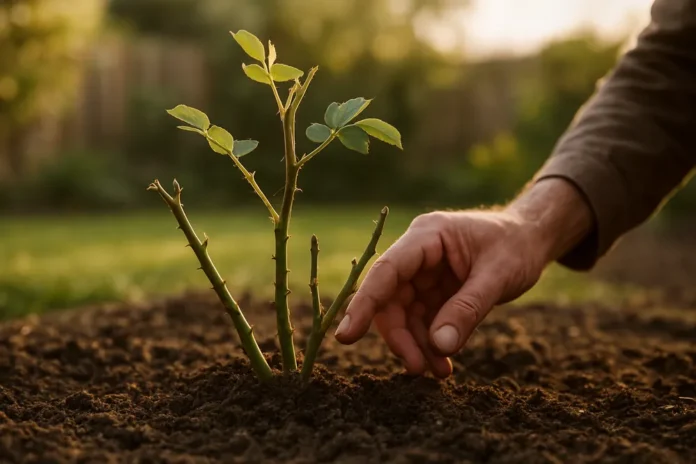
A rose plant usually stops growing because it is stressed by too little sun, poor watering, root problems, nutrient imbalance, pests, or disease. Newly planted roses can also pause while they settle in and rebuild roots.
A rose that looks alive but refuses to put on new canes, leaves, or buds can be frustrating. When a rose plant not growing becomes the problem, the cause is usually not mysterious. Roses are heavy-performing plants, and when one basic need is off, growth slows quickly.
In most home gardens, stalled growth comes down to sunlight, moisture, soil quality, drainage, root stress, feeding mistakes, or damage from insects and disease. Sometimes the plant is simply young, recently transplanted, or recovering from winter injury. The good news is that roses often respond well once the main source of stress is corrected.
This guide walks through the most common reasons roses stop growing, how to tell which one fits your plant, and what usually helps it start growing again.
What Normal Rose Growth Should Look Like
Healthy roses do not grow at exactly the same speed all season, but they should show clear signs of progress during active growth. In spring and early summer, most roses produce fresh leaves, extend new canes, and begin forming buds. Even repeat bloomers may slow between flushes, but they usually keep adding some new growth if conditions are good.
A rose that is not growing may stay the same size for weeks, produce tiny leaves, hold pale or distorted foliage, or fail to push new stems from the crown and canes. If the plant is green but inactive, think stress. If stems are shriveling, blackening, or dying back, think root or cane damage.
- Normal slowdown: brief pause after planting, after a bloom cycle, or during very hot weather
- Concerning slowdown: no new leaves or stems for several weeks during the growing season
- Serious decline: dieback, severe yellowing, leaf drop, or mushy roots
Too Little Sunlight Is One of the Most Common Causes
Roses are sun-loving plants. Most need at least 6 hours of direct sun each day, and many perform best with 8 hours or more. A rose in shade may survive, but it often grows slowly, makes weak stems, and blooms poorly.
This problem is especially common when nearby trees leaf out in spring, when shrubs have matured around the rose bed, or when a rose planted near a fence or wall no longer gets enough direct light.
- Long, thin stems stretching toward light
- Few buds or no flowers
- Small leaves and sparse foliage
- Slow growth despite regular watering and feeding
If shade is the issue, the best fix is usually more light. Pruning back surrounding plants may help. If the site stays shaded most of the day, transplanting during the proper season is often the most effective long-term solution.
Water Stress Can Stop Growth in Either Direction
Underwatering
A rose that stays too dry will conserve energy by slowing growth. Dry soil limits nutrient uptake and causes tender new growth to stall first. In hot weather, container roses and newly planted roses dry out especially fast.
- Crisp leaf edges
- Drooping in the heat that does not recover well
- Buds that fail to open
- Hard, dry soil several inches down
Overwatering and Poor Drainage
Too much water can be even more damaging because roots need oxygen as well as moisture. In soggy soil, roots suffocate and may begin to rot. When roots fail, top growth slows or stops.
- Yellowing leaves that drop easily
- Soil that stays wet for days
- Wilting even when the ground is moist
- Blackened roots or a sour smell in severe cases
Roses usually do best with deep, thorough watering followed by a slight drying period near the surface, not frequent shallow sprinkling. Containers need drainage holes, and in-ground roses need soil that drains well after rain.
Poor Soil and Nutrient Imbalance Can Stunt Roses
Roses are not the fussiest plants, but they do perform best in fertile, well-drained soil with plenty of organic matter. If the soil is compacted, exhausted, highly sandy, or very heavy clay, roots struggle and growth slows.
Nutrient problems can also mimic many other issues. Too little nitrogen often causes pale leaves and weak growth. Low phosphorus may reduce root development and flowering. Potassium shortages can lead to generally poor vigor. At the same time, too much fertilizer can burn roots and create a different kind of growth stall.
Signs the Soil May Be Part of the Problem
- Water runs off instead of soaking in
- The ground is brick-hard when dry or sticky when wet
- Leaves are pale without obvious pest damage
- Growth remains weak even with enough sun and water
A soil test is the clearest way to confirm nutrient imbalances and pH issues. Roses generally prefer slightly acidic soil, roughly in the 6.0 to 6.5 range. If pH is far outside that range, nutrients may be present but unavailable to the plant.
Roots May Be Crowded, Damaged, or Planted Incorrectly
When a rose is not growing soon after planting, root stress is high on the list. New roses spend a lot of energy establishing roots before they push top growth. Bare-root roses, recently transplanted roses, and roses moved in hot weather often pause while adjusting.
If the rose has been in the ground or pot for a while, compacted roots, circling roots, or physical root damage may be the issue. Container roses can become root-bound, leaving little room for new growth. In the ground, roots may struggle if the planting hole was too small or if the surrounding soil is dense and poorly amended.
Planting Depth Matters
A rose planted too deep may sit in overly wet soil around the crown. A rose planted too high may dry out too quickly. Grafted roses also need proper placement of the bud union based on local climate. In colder regions, gardeners often set it a bit below the soil line for winter protection. In warmer areas, it may sit at or slightly above grade.
- Newly planted rose has green canes but little top growth
- Container rose dries out quickly and roots circle the pot edge
- Plant rocks easily in the soil because roots have not anchored
- Cane tips die back after transplanting
Too Much Fertilizer Can Be as Harmful as Too Little
Gardeners often respond to slow growth by feeding more, but excess fertilizer can worsen the problem. Strong synthetic fertilizer, especially when applied to dry soil, may burn roots and shut down growth. Salt buildup is a common issue in containers where nutrients are not flushed by rainfall as well.
A rose with fertilizer burn may show brown leaf edges, sudden wilting, or stalled growth shortly after feeding. The soil surface may even develop a white crust in pots.
If overfeeding is suspected, stop fertilizing for a while and water deeply to help dilute salts, as long as the pot or bed drains well. Once the plant recovers, switch to a measured feeding schedule rather than frequent extra doses.
Pests Can Quietly Drain Energy From a Rose
Some roses stop growing because insects are feeding on new shoots, leaves, or roots. A heavy pest load weakens the plant and redirects energy away from new growth and flowers.
Common Rose Pests Linked to Poor Growth
- Aphids clustered on tender tips can distort new growth and sap plant energy.
- Spider mites cause stippling, bronzing, and gradual weakening, especially in hot, dry weather.
- Rose slugs and other chewing pests remove leaf tissue that the plant needs for photosynthesis.
- Japanese beetles skeletonize leaves and damage blooms in many parts of the U.S.
- Root-feeding grubs can reduce vigor if they are present in large numbers.
Pest damage is often easier to spot early in the morning when insects are active and new growth is easiest to inspect. The rose may not look dramatically sick at first, but repeated feeding can leave it stagnant.
Disease May Be Slowing the Plant Down
Fungal and bacterial problems reduce the amount of healthy leaf area available to fuel growth. A rose fighting disease often survives, but it puts more energy into stress response than into new canes and flowers.
Diseases That Commonly Reduce Vigor
- Black spot causes yellowing and leaf drop, which weakens the whole plant.
- Powdery mildew can distort tender shoots and stunt new growth.
- Rust damages foliage and lowers plant vigor over time.
- Canker may kill sections of cane, preventing normal development.
- Rose rosette disease causes abnormal, excessive, and often distorted red growth, followed by decline.
If the plant loses leaves repeatedly, growth naturally slows because there is less foliage to gather energy. Good spacing, watering at the soil line, and prompt cleanup of infected leaves can reduce disease pressure. Severe rose rosette disease usually requires removing the entire plant because it does not have a cure.
Pruning Mistakes, Winter Damage, and Seasonal Timing Can Delay Growth
Roses do not grow steadily every week of the year. Timing matters. A plant may still be emerging from dormancy, recovering from a hard freeze, or resting between bloom flushes. In colder climates, some roses leaf out later than expected, especially after a rough winter.
Improper pruning can also slow things down. Cutting too hard at the wrong time, removing too much healthy cane, or leaving damaged wood in place may delay strong regrowth. On the other hand, failing to remove dead or crossing wood can reduce airflow and keep the plant weak.
- Brown or black cane tips after winter often indicate cold injury
- A recently hard-pruned rose may take time to rebuild
- Some once-blooming old garden roses should not be pruned heavily in spring
- Heat waves can cause a temporary summer pause even in healthy plants
Container Roses Have a Few Extra Challenges
If your rose is growing in a pot, the problem may be less about the variety and more about the container setup. Pots heat up faster, dry out faster, and run out of nutrients faster than garden beds. At the same time, poorly draining potting mix can stay too wet around the roots.
A rose in a small pot may stay stunted because the root zone simply cannot support much top growth. Dark containers in full summer sun can also overheat roots, especially in southern climates.
- Use a container large enough for mature root growth
- Make sure drainage holes stay open
- Refresh old potting mix when it becomes compacted
- Water deeply, but do not let the pot sit in standing water
- Feed on a moderate schedule since nutrients wash out faster in pots
How to Help a Rose Start Growing Again
The fastest recovery usually comes from correcting the biggest stress factor first rather than trying several strong treatments at once. Roses often rebound when light, root health, and consistent moisture are restored.
- Make sure the plant gets enough direct sun each day.
- Water deeply and adjust frequency based on weather, soil, and whether the rose is in a pot or the ground.
- Check drainage. Improve heavy soil with organic matter or move the plant if the site stays soggy.
- Inspect leaves, buds, and stems for pests and disease.
- Prune out dead, blackened, or obviously damaged canes back to healthy tissue.
- Feed only if the rose is actively growing and the soil is reasonably moist.
- Add compost or other organic matter around the root zone without piling it against the canes.
- Give newly planted roses time. Root establishment often comes before visible top growth.
If nothing improves after several weeks in the active growing season, consider a soil test and a closer inspection of the roots. Persistent failure to grow can point to root rot, chronic drainage problems, viral disease, or a site that simply does not suit roses well.
When a Non-growing Rose Is Probably Beyond Saving
Sometimes a rose is not just slow. It is declining past the point of recovery. A plant with dead canes all the way to the crown, mushy or foul-smelling roots, severe crown damage, or confirmed rose rosette disease is unlikely to rebound.
If the rose has struggled for multiple seasons despite decent care, replacement may be more practical than continued rescue efforts. Choosing a disease-resistant variety suited to your USDA zone and local humidity can make a big difference in long-term performance.
FAQ
Why Is My Rose Alive but Not Getting Bigger?
That usually means the plant is surviving but under stress. The most common causes are not enough direct sun, inconsistent watering, crowded roots, poor soil, or ongoing pest or disease pressure.
How Long Does It Take a Newly Planted Rose to Start Growing?
Many newly planted roses need several weeks to focus on root establishment before top growth becomes obvious. The timeline depends on season, temperature, watering, and whether the plant was bare-root, potted, or transplanted from another spot.
Will Epsom Salt Make My Rose Grow?
Not usually unless the soil is actually low in magnesium. Roses need balanced care more than one add-on treatment, and unnecessary supplements can distract from the real issue.
Should I Fertilize a Rose That Is Not Growing?
Only if you are confident the roots are healthy and the plant is not stressed by drought, soggy soil, or disease. Feeding a stressed rose can sometimes do more harm than good, especially in hot weather or dry soil.
Can Too Much Water Make a Rose Stop Growing?
Yes. Constantly wet soil deprives roots of oxygen and can lead to root rot, which quickly slows or stops new growth.
Why Does My Potted Rose Stay Small?
Container roses often stay small when the pot is too tight, the potting mix is exhausted, watering is inconsistent, or the roots overheat. Pots also lose nutrients faster than garden beds.
Does Pruning Help a Rose Grow Faster?
Proper pruning can improve vigor by removing dead or weak wood and directing energy into healthy canes. Heavy or poorly timed pruning, however, can temporarily slow growth.
Can a Rose Recover After Not Growing for Months?
Yes, if the cause is something reversible such as poor light, watering problems, or a mild nutrient issue. Recovery is less likely when roots are badly rotted, the crown is dead, or the plant has a serious disease such as rose rosette.
Want a stronger, healthier rose this season? Read our rose care and fertilizer guides to choose the right feeding plan, pruning approach, and disease control products for faster growth and better blooms.
