

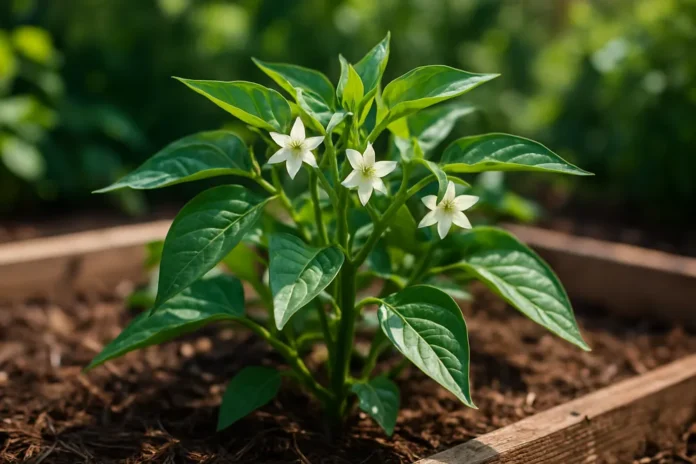
Pepper plants usually fail to fruit because temperatures are too hot or too cool, pollination is poor, or the plant is putting energy into leafy growth instead of peppers. Sometimes the plant is healthy but simply not mature enough yet.
It is frustrating to grow a beautiful pepper plant full of leaves and even flowers, only to end up with no peppers. In home gardens, this usually comes down to a handful of common issues rather than one mysterious problem. Peppers are productive plants, but they can be picky about temperature, feeding, and timing.
When I troubleshoot a pepper plant not fruiting, I start by asking a few simple questions. Is the plant flowering at all? Are blossoms dropping? Is it lush and dark green but not setting fruit? Is the weather running especially hot, cool, or humid? The pattern usually points to the cause pretty quickly.
The good news is that most fruiting problems are fixable, especially if the plant still looks generally healthy. Once you know whether the issue is temperature, pollination, nutrition, stress, or simple immaturity, you can make changes that help the next wave of flowers turn into peppers.
What Normal Pepper Fruiting Should Look Like
Before assuming something is wrong, it helps to know the usual sequence. Pepper plants first build stems and leaves, then begin flowering, and finally set fruit after those flowers are pollinated. Some varieties move quickly, while others take their time, especially larger bells and thick-walled sweet peppers.
Hot peppers often start producing earlier than bell peppers, and container plants may fruit a bit later if root growth has been limited. A young transplant that looks healthy but has only been in the ground a few weeks may simply be focusing on vegetative growth first.
- Small-fruited hot peppers often fruit sooner than large sweet types.
- Transplants can stall briefly after planting while roots reestablish.
- A plant with buds or flowers but no fruit points to pollination, stress, or weather.
- A plant with only leaves and no flowers usually points to age, light, or excess nitrogen.
The Most Common Reasons Pepper Plants Do Not Fruit
Temperature Stress Stops Fruit Set
Peppers are warm-season plants, but there is a sweet spot. When daytime temperatures climb into the mid 90s for stretches, or nights stay very warm, flowers may drop instead of setting fruit. Cool conditions can do the same thing. If nights regularly fall below about 55°F, pollination and fruit development slow down or stop.
This is one of the biggest reasons gardeners see lots of blossoms but no peppers. The plant may look vigorous, yet the weather is preventing successful fruit set. In many regions, peppers pause during intense summer heat and start producing again when temperatures ease.
When I see healthy pepper plants blooming heavily in a heat wave but dropping every flower, I do not rush to add fertilizer. In many cases, the plant is telling you the weather is the problem, not the soil.
Poor Pollination Keeps Flowers From Turning Into Peppers
Pepper flowers are self-pollinating, but they still need a little movement or insect activity to transfer pollen well. Still, heavy humidity, extended rain, very hot weather, and lack of airflow can interfere. In protected spots like greenhouses, covered patios, or very sheltered raised beds, flowers sometimes do not pollinate well enough to hold and develop.
If flowers open and then fall cleanly without swelling into tiny peppers, pollination is worth suspecting. This is especially common during stretches of still, damp weather.
Too Much Nitrogen Leads to Leaves Instead of Peppers
Nitrogen pushes leafy growth. That is useful early on, but too much can leave you with a big, lush, dark green pepper plant that seems healthy yet produces very few flowers or fruit. This often happens when peppers are fed lawn fertilizer, fish emulsion too often, or rich manure-heavy mixes that keep driving top growth.
A balanced fertilizer or one slightly lower in nitrogen and a bit higher in phosphorus and potassium is usually better once the plant is established. Peppers do not need to be overfed to produce well.
Not Enough Sunlight Limits Flowering
Peppers want full sun, ideally at least 6 to 8 hours a day, with more usually being better. A plant can survive in bright partial shade, but fruiting may be sparse. If nearby tomatoes, trellises, fences, or shrubs have started casting more shade than they did earlier in the season, the light level may have dropped below what the plant needs for strong bloom and fruit set.
The Plant May Still Be Immature
This is easy to overlook, especially with slower varieties. Bell peppers and many sweet types can take much longer than impatient gardeners expect. If you started late, bought a small transplant, or had a cold spring that slowed early growth, the plant may just not be at the fruiting stage yet.
Flowering Without Fruit Usually Points to a Specific Problem
A pepper plant that makes flowers but no peppers narrows the diagnosis. The plant is mature enough to reproduce, so the issue is usually with pollination, temperature, inconsistent moisture, or stress that causes blossom drop.
Blossom Drop From Heat, Cold, or Water Swings
Pepper flowers are sensitive. If the soil goes very dry, then suddenly very wet, the plant may abort blossoms. The same happens when the weather turns sharply hot or cool. You may notice flowers drying up, falling off, or tiny forming fruits yellowing and dropping shortly after they appear.
- High heat can make pollen less viable.
- Cool nights can stop successful fertilization.
- Dry soil stresses the plant and triggers flower drop.
- Overwatering can stress roots and reduce fruit set too.
Humidity and Still Air Reduce Pollination
In very humid weather, pollen can clump instead of moving effectively. In enclosed spaces, the lack of breeze also matters. Outdoor plants usually benefit from wind and visiting insects, but patio plants tucked into corners may need more airflow than they are getting.
If a pepper is blooming but not setting fruit, I like to compare morning flowers with afternoon ones. Flowers that look fresh early but drop soon after hot afternoons often point to heat stress faster than any soil test will.
Water, Soil, and Fertilizer Problems That Reduce Pepper Production
Peppers grow best in evenly moist, well-drained soil. They dislike both drought stress and soggy roots. When moisture swings wildly, the plant has trouble supporting flowers and young fruit, even if the leaves do not immediately show dramatic symptoms.
Underwatering Causes Stress and Flower Drop
Dry soil can make peppers stop trying to reproduce. The plant shifts into survival mode and may shed blossoms. Container peppers are especially prone to this because pots heat up and dry out quickly in summer.
Overwatering Weakens Roots
Peppers need oxygen around their roots. Constantly saturated soil can reduce nutrient uptake and create a sluggish plant that flowers poorly. In containers, poor drainage is a common hidden reason for weak fruit set.
Nutrient Imbalances Can Delay or Suppress Fruiting
Excess nitrogen is the classic mistake, but other imbalances matter too. Very low fertility can leave a pepper too weak to support blossoms, while deficiencies in phosphorus or potassium can reduce flowering and fruit development. That said, gardeners often assume every fruiting issue is a deficiency when the real culprit is weather.
- Lots of large leaves and few flowers often suggests excess nitrogen.
- Pale, slow growth with weak flowering may suggest underfeeding.
- Container plants may need regular but moderate feeding because nutrients wash out more quickly.
- Fresh manure and high-nitrogen soluble feeds are common causes of leafy but unproductive peppers.
Container and Garden Bed Issues That Can Hold Peppers Back
Where a pepper is growing matters almost as much as how it is fed. Root restriction, reflected heat, poor drainage, and crowding can all affect flowering and fruit set.
Small Pots Limit Root Growth
A pepper plant can survive in a small container but may not perform well there for long. Root-bound plants dry faster, heat up faster, and have a harder time supporting a steady fruit load. Large productive varieties need more root space than many gardeners expect.
Black Containers and Hot Patios Intensify Heat Stress
Even when air temperatures are merely warm, a dark pot on concrete can get much hotter around the root zone. That extra heat stress can contribute to blossom drop. This is why container peppers sometimes struggle more than identical plants in the ground during midsummer.
Crowding Reduces Light and Airflow
If peppers are packed tightly among tomatoes, basil, or other summer crops, the canopy can become dense enough to limit sun and airflow. That encourages poor pollination and keeps plants more humid than ideal.
I have seen two pepper plants of the same variety act completely different just because one sat against a hot south-facing wall in a dark pot. The plant looked lush, but its root zone was running hotter than the in-ground plant beside it.
Pruning, Transplant Shock, and Other Stress Factors
Pepper plants are fairly resilient, but they do not always fruit well when stressed. A setback earlier in the season can delay production for weeks.
Transplant Shock Can Delay Flowering
If seedlings were planted out too early, chilled, root-bound, or disturbed heavily at transplanting, they may pause growth before resuming. During that pause, fruiting gets pushed back. Sometimes gardeners think the plant has a serious problem when it is just recovering slowly from a rough start.
Heavy Pruning Removes Energy and Flower Sites
Unlike tomatoes, peppers usually do not benefit from aggressive pruning. Removing lots of branches or leaves can reduce the plant's ability to photosynthesize and may remove developing buds. Light cleanup is fine, but hard pruning often delays production rather than improving it.
Pests and Disease Can Interfere with Fruiting
A pepper under attack from aphids, spider mites, thrips, or disease may have enough stress to hold back on fruiting. Thrips are especially troublesome because they can damage flowers directly. Viral diseases can also distort growth and reduce or eliminate fruit set.
- Aphids cluster on new growth and flower stems.
- Spider mites often cause fine stippling and webbing in hot, dry conditions.
- Thrips can scar blossoms and young fruit.
- Diseased plants may show mottling, distortion, or stunted growth along with poor fruiting.
How to Help a Pepper Plant Start Producing Again
Once you have a likely cause, the goal is to support steady new growth and better flower retention. Existing dropped blossoms will not come back, so focus on helping the next round of blooms succeed.
- Keep soil evenly moist, especially during flowering and early fruit set.
- Switch away from high-nitrogen feeding if the plant is leafy and green but not productive.
- Make sure the plant gets full sun whenever possible.
- Improve airflow around crowded plants.
- Be patient during heat waves and watch for production to resume when temperatures moderate.
- Use a larger container if the plant is badly root-bound or constantly drying out.
- Avoid heavy pruning while the plant is trying to flower and set fruit.
If pollination seems to be the issue, a little natural movement can help. Outdoors, wind often handles this. In very still locations, gently shaking the plant or brushing flowers lightly can sometimes improve set, but it works best when temperatures are already in a suitable range.
Do not expect instant results. Judge success by what the new flowers do over the next couple of weeks, not by the blossoms that already dropped.
When Not Fruiting Is Just a Timing Issue
Some pepper plants simply need more time. This is especially true in cooler northern gardens, during late starts, or with varieties that naturally mature slowly. A plant that is healthy, green, and steadily growing may still reward you later than expected.
I often remind gardeners that peppers are less eager than bush beans and less forgiving than cherry tomatoes. They can look beautiful for weeks before they decide conditions are right for fruiting. If the plant has no major symptoms and the season still has time left, patience may be part of the solution.
FAQ
Why Does My Pepper Plant Have Flowers but No Peppers?
That usually means the plant is mature enough to bloom but conditions are preventing fruit set. Heat stress, cool nights, poor pollination, and uneven watering are the most common causes.
Can Too Much Fertilizer Stop Peppers From Fruiting?
Yes. Too much nitrogen often makes pepper plants grow lots of leaves and stems while reducing flowers and fruit. This is a common problem with rich fertilizers and overfeeding.
Will Peppers Fruit in Partial Shade?
They can, but production is usually lower. Peppers fruit best in full sun, and reduced light often means fewer flowers and slower ripening.
Do I Need Two Pepper Plants for Pollination?
No. Pepper flowers are self-pollinating, so one plant can produce fruit on its own. Still, airflow, insect activity, and favorable temperatures help pollination happen more reliably.
Why Are My Pepper Flowers Falling Off?
Blossom drop is commonly caused by high heat, cool nights, drought stress, overwatering, or sudden weather swings. The flowers form, but the plant does not keep them long enough to make fruit.
Should I Prune My Pepper Plant to Make It Fruit?
Usually no, at least not heavily. Light cleanup is fine, but aggressive pruning can delay fruiting by removing leaves and flower sites the plant needs.
How Long Does It Take for Peppers to Start Producing?
It depends on the variety and growing conditions. Small hot peppers often produce sooner, while bell and other large sweet peppers can take significantly longer, especially after a cool spring or late planting.
Can Extreme Summer Heat Stop Pepper Production?
Yes. Peppers like warmth, but prolonged high heat can reduce pollen viability and cause blossoms to drop. Many plants resume fruiting when temperatures become more moderate.
Want more peppers and fewer setbacks this season? Read our guide to the best pepper fertilizers and fruit-boosting care products so you can choose the right fix fast.
