

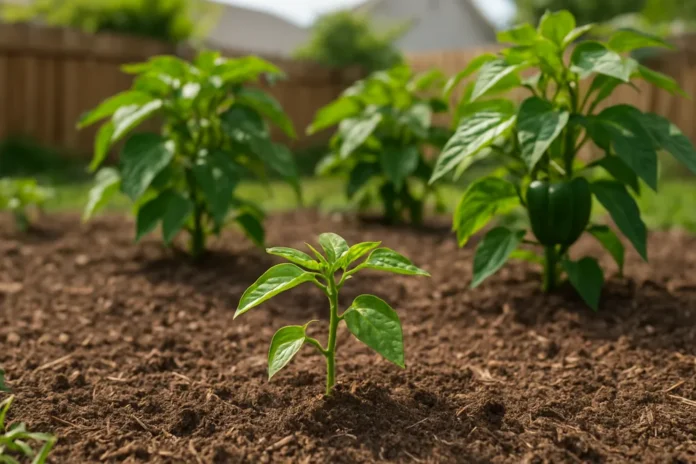
Pepper plants usually stop growing because they are too cold, not getting enough sun, stressed at the roots, or out of balance on water and nutrients. They can also stall after transplanting or when pests and disease weaken the plant.
A pepper plant that just sits there can be frustrating, especially when the leaves stay small, the stem looks thin, or the plant seems frozen in place for weeks. In my experience, pepper plants are productive once they settle in, but they are also slower and fussier than tomatoes when something in their environment is off.
Most stalled peppers are not failing for just one mysterious reason. Stunted growth usually comes from temperature, light, roots, watering, nutrition, or transplant stress, and the clues are often right in front of you if you look at the whole plant instead of one leaf. The good news is that peppers can recover well when you correct the main bottleneck and give them a little time.
What Normal Pepper Growth Looks Like
Before assuming something is wrong, it helps to know that peppers naturally grow more slowly than many summer vegetables. Young seedlings can seem to pause after transplanting, and mature plants often hold steady during cool spells even if they do not look damaged. A healthy pepper should still be adding some new leaves, thickening its stem, and gradually filling out over time.
If your plant has not produced meaningful new growth for two to three weeks during warm weather, that is when I start troubleshooting. I look for whether the newest leaves are small, pale, curled, or missing altogether, because new growth tells you more than older leaves do.
When I diagnose a stalled pepper, I pay most attention to the top third of the plant and the weather from the last 10 days. Older leaves show past stress, but the newest leaves reveal whether the plant is still struggling right now.
Cool Temperatures Are a Very Common Reason Peppers Stall
Peppers love warmth, and they often stop growing when nights stay cool. Even if the plant survives, it may sit still when temperatures are below its comfort zone. Days under about 70 degrees Fahrenheit and nights below 55 degrees can slow growth noticeably, and colder conditions can shut it down almost completely.
This is one of the most common issues in spring. Gardeners often transplant peppers when tomatoes seem fine, then wonder why the peppers remain tiny. The plant is not necessarily diseased. It may simply be waiting for steady heat before it starts building roots and new foliage again.
- Growth stopped soon after transplanting outdoors in late spring
- Leaves look dull or slightly purplish after cool nights
- The plant remains alive but does not size up
- Flowers drop without setting fruit during fluctuating weather
If cool weather is the problem, growth usually resumes once soil and overnight temperatures warm up. Black plastic mulch, a protected south-facing bed, or large containers that heat up faster can help peppers more than people expect.
Not Enough Sunlight Can Keep Peppers Small
Pepper plants need full sun to grow well. They can survive in partial shade, but survival is not the same thing as vigorous growth. If your plant gets less than six to eight hours of direct sun, it may stay short, make fewer leaves, and struggle to support fruit later.
Shady peppers often look thin rather than obviously sick. The stems may stretch a bit, the leaves may be smaller than expected, and the whole plant can appear stalled because it does not have enough energy to do much more than maintain itself.
- Nearby fences, shrubs, or tomato plants block afternoon light
- Container peppers are placed on a porch with bright but indirect light
- Plants started indoors were not transitioned well into stronger outdoor sun
- Crowded garden spacing causes self-shading as summer progresses
If a container pepper is underperforming, I move it before I change fertilizer. A simple shift into a spot with stronger afternoon sun often helps more than feeding a plant that cannot use the nutrients efficiently.
Watering Problems Can Stunt Both Roots and Shoots
Overwatering Slows Roots
Peppers dislike constantly soggy soil. When roots stay wet too long, they do not get the oxygen they need, and top growth slows down. The plant may look droopy even though the soil is wet, and leaves may turn pale or yellowish as the root system struggles.
This happens often in containers without good drainage, in heavy clay soil, or when gardeners water on a schedule rather than by feel. If the soil stays damp several inches down day after day, the plant can remain stuck in place.
Underwatering Interrupts Growth
On the other side, peppers that repeatedly wilt from dry soil also stop growing. The plant shifts into survival mode and stops investing in new leaves or roots. Repeated drought stress can leave the plant short and sparse even after it perks back up.
- Wet soil plus drooping leaves suggests root stress from excess water
- Dry, hard soil plus midday wilting suggests the plant is running out of moisture
- Containers may swing between too dry and too wet much faster than in-ground beds
- Mulch helps keep moisture more even and reduces stress swings
The goal is evenly moist soil, not wet soil. Let the top layer dry slightly, then water deeply enough to moisten the root zone. That steady rhythm usually supports better growth than frequent shallow watering.
Poor Soil and Nutrient Imbalance Can Hold Peppers Back
Pepper plants do best in loose, fertile soil with steady nutrition, but they do not like extremes. If the soil is depleted, compacted, or very low in organic matter, the plant may stay small because it cannot build a strong root system. If fertilizer is overdone, especially with high nitrogen, you can also create stress or imbalance.
Too Little Fertility
A nutrient-starved pepper often looks pale overall and fails to make much new growth. The leaves may be small and the stem weak. In exhausted garden beds or old potting mix, the plant may simply not have enough available nutrition to move forward.
Too Much Fertilizer or the Wrong Kind
Excess fertilizer can burn roots, raise salt levels in containers, and interfere with water uptake. In some cases, the plant may have dark leaves but little balanced growth because nutrients are out of proportion. I see this a lot when gardeners keep adding plant food every few days, hoping to force a stalled pepper to speed up.
- Pale leaves and weak growth can point to low fertility
- Crusty white residue on potting soil may suggest fertilizer salt buildup
- Compacted soil limits root expansion even when nutrients are present
- A soil pH that is far outside roughly 6.0 to 6.8 can reduce nutrient uptake
If your soil has not been amended in a long time, compost and a balanced vegetable fertilizer usually help more than repeated random feeding. In containers, replacing worn-out potting mix can make a dramatic difference.
Root Stress After Transplanting Can Freeze a Pepper in Place
Pepper plants are famous for transplant shock. If roots were disturbed, the plant was set out too early, or it moved from a protected indoor space into wind and sun too quickly, growth may pause while the plant tries to recover. This is especially common with leggy seedlings, rootbound starts, and plants hardened off too fast.
A pepper in transplant shock may hold its leaves stiffly, look unchanged for a week or two, or drop a few lower leaves. As long as the stem is sound and new growth eventually resumes, the plant can recover. The real problem comes when shock is followed by cold soil, poor watering, or root damage from compacted planting holes.
- The plant stalled immediately after moving outdoors
- Roots were tightly circling the pot at planting time
- Leaves were sunscalded or windburned after transplanting
- The root ball was planted into soil very different from the potting mix and never settled in
A shocked pepper can look dead still for longer than most gardeners expect. If the stem stays firm and the newest bud remains green, I usually give it time instead of digging it up and stressing it all over again.
Containers Can Quietly Create Growth Problems
Pepper plants grow well in pots, but containers magnify every mistake. Small pots dry too fast, dark pots can overheat roots, and old mix can become compacted or depleted. A rootbound pepper may also stop sizing up because there is simply no room left to expand.
For most full-size pepper varieties, I prefer containers at least 3 to 5 gallons, with drainage holes and fresh potting mix that drains well but still holds moisture. A pepper squeezed into a tiny decorative pot often survives, but it rarely thrives.
- Roots circling densely inside the pot
- Water running straight through without soaking in well
- Soil shrinking away from the container sides
- Plants drying out by midday during warm weather
- Very small pots for large bell or poblano types
Pests and Disease Can Slow Growth Even Without Dramatic Damage
A pepper plant does not have to be covered in holes to be affected by pests. Aphids, spider mites, thrips, and broad mites can sap energy from tender new growth, leaving the plant stunted or distorted. Some insects are easy to spot, while others are so tiny that gardeners only notice the symptom pattern.
Disease can also stall growth, especially if roots or the vascular system are affected. Root rot, bacterial leaf spot, and viral issues may cause a pepper to stay small, look off-color, or produce twisted new growth. With viral problems, recovery is unlikely, so the pattern matters.
Signs to Watch For
- Sticky leaves or clusters of tiny insects on stems and leaf undersides
- Fine webbing and stippled leaves from spider mites
- Misshapen new growth that stays tiny or puckered
- Spots, lesions, or general decline combined with warm, wet weather
- A plant that lags far behind identical peppers growing nearby
When one plant looks weak while others in the same bed are growing normally, I get more suspicious of pests, disease, or root injury than a broad environmental issue.
Too Much Fruit Too Early Can Slow Vegetative Growth
Sometimes a small pepper plant starts flowering or setting fruit before it has built enough size. Once that happens, the plant may put its limited energy into a few early peppers instead of producing more stems and leaves. The result is a plant that stays smaller than it should for much of the season.
This happens most often with stressed seedlings, compact varieties in pots, or plants that experienced early temperature swings. It is not always a crisis, but it can explain why the plant seems to have stopped growing even though it is technically producing.
- A small plant carries flowers or fruit before it has branched much
- Growth slows noticeably after first fruit set
- The stem remains thin while fruit enlarges
- Cool spring weather followed by sudden heat can trigger uneven development
How to Figure Out the Most Likely Cause
The fastest way to diagnose a slow pepper is to match the symptom with the growing conditions instead of guessing from one issue alone. Ask what changed before growth stopped. Think about temperature, sun exposure, watering rhythm, soil, and whether the plant was recently transplanted.
- Check recent weather, especially overnight lows.
- Measure actual direct sun hours, not just whether the spot looks bright.
- Feel the soil several inches down before watering.
- Look closely at the newest leaves for distortion, pests, or color changes.
- Gently assess whether the plant is rootbound or sitting in dense, poorly draining soil.
- Notice whether only one plant is affected or all peppers are lagging.
Usually the answer becomes clearer once you connect the symptom pattern with the environment. A whole row of peppers stalling after cool nights points one direction. One pot-bound pepper in partial shade points another.
What Helps Peppers Start Growing Again
Peppers recover best when you remove the main stress and then leave the plant alone long enough to respond. They rarely bounce back overnight. If the root zone warms up, watering becomes more consistent, and light improves, you should judge progress by fresh new growth, not by whether damaged older leaves suddenly look perfect.
- Wait for warmer nights or protect plants from late cold snaps
- Move container peppers into stronger full sun
- Water deeply but only when the soil begins to dry at the surface
- Improve drainage or repot plants in fresh mix if roots are staying too wet
- Feed lightly with a balanced fertilizer if fertility is low
- Scout for aphids, mites, and distorted new growth
- Remove severe early stress factors before expecting rapid growth
Try not to stack too many corrections all at once. If you repot, fertilize heavily, prune, and change watering at the same time, it gets harder to tell what helped and what created new stress. Steady conditions are often the real fix.
I treat peppers like they need consistency more than intensity. One solid week of warm soil, even moisture, and full sun often does more than a shelf full of rescue products.
FAQ
How Long Can a Pepper Plant Stay Dormant or Stalled After Transplanting?
A pepper plant can pause for one to three weeks after transplanting, especially if nights are cool or the roots were disturbed. If the stem stays firm and the growing tip remains green, it may simply be recovering.
Will Epsom Salt Make My Pepper Plant Grow Faster?
Not usually. Epsom salt only helps if the plant truly has a magnesium deficiency, and that is not the most common cause of stalled pepper growth. Using it without a real need can distract from the actual problem.
Why Is My Pepper Plant Flowering but Not Getting Bigger?
A small pepper plant may put energy into flowers and early fruit before it has built enough leaves and branches. Stress, cool weather, or a compact root system can trigger that imbalance.
Can Peppers Recover From Cold Damage?
Yes, mild cold stress can be reversible if the plant was not frosted hard and the roots remain healthy. Once warm weather returns, new growth often improves, though badly damaged leaves may not recover.
Do Pepper Plants Need Bigger Pots to Grow Well?
Often yes. Small containers restrict roots, dry out quickly, and run out of nutrients faster. Most full-size peppers perform better in a pot at least 3 to 5 gallons.
Why Is Only One Pepper Plant Not Growing when the Others Are Fine?
When one plant lags behind the rest, I would suspect transplant shock, root damage, a rootbound plant, pests, or a variety-specific difference before blaming the entire bed. Isolated problems usually point to the individual plant.
Should I Prune a Pepper Plant That Is Not Growing?
Usually no. A stalled pepper needs healthy leaves to gather energy, and pruning adds more stress unless you are removing damaged or diseased parts. Fix the growing conditions first.
Want your peppers to rebound faster? Read our guide to the best fertilizers, potting mixes, and pest treatments for pepper plants so you can choose the right fix with confidence.
