

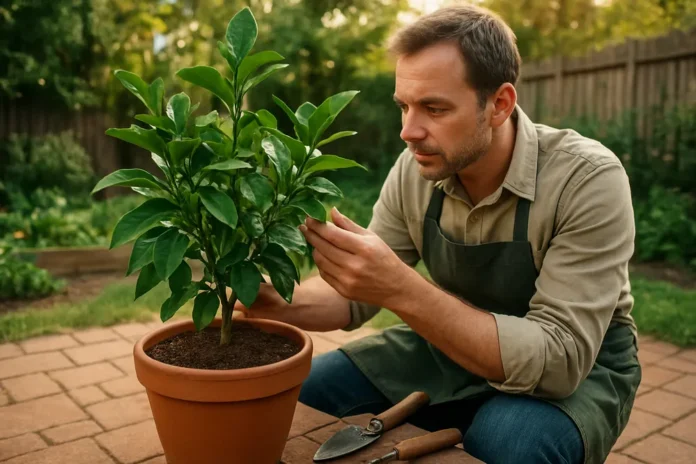
A lemon tree usually fails to produce fruit because it is too young, not getting enough direct sun, or putting its energy into leaf growth instead of flowering and fruit set. Stress from cold, pruning, watering problems, or poor pollination can also stop lemons from forming.
A lemon tree with no fruit can be frustrating, especially when it looks healthy enough to your eye. I have seen plenty of lemon trees grow glossy leaves and long stems for years while giving their owners little more than hope. In most cases, the tree is telling you that one basic growing condition is off, not that it is hopeless.
With lemons, fruit production depends on a mix of maturity, sunlight, temperature, nutrition, and flowering conditions. If one piece of that puzzle is missing, the tree may bloom lightly, drop blossoms, or skip fruiting altogether. The good news is that once you narrow down the reason, lemon tree fruit problems are often very fixable.
This guide walks through the most common reasons a homegrown lemon tree does not produce and what each one typically looks like in a yard, patio, or indoor growing setup.
Start With Tree Age and Variety
One of the most overlooked reasons a lemon tree is not producing fruit is simple immaturity. Lemon trees grown from seed can take many years to flower and fruit, sometimes 7 to 15 years depending on variety and growing conditions. Grafted nursery trees are much faster and often begin producing within 2 to 5 years.
If your tree is still young, healthy, and steadily growing, patience may be the real answer. A small tree often needs time to build enough canopy, roots, and stored energy before it can support fruit. This is especially common with potted lemons that grow more slowly than trees planted in the ground.
- Seed-grown lemon trees usually take the longest to fruit.
- Grafted trees fruit earlier because the top growth comes from mature wood.
- Dwarf varieties in containers may produce sooner, but only if light and feeding are strong.
- A recently planted tree may delay fruiting while it settles its roots.
When I am troubleshooting a non-fruiting lemon, I always ask whether it was grown from seed or bought as a grafted tree. That one detail can save a gardener from chasing problems that are really just a matter of the tree not being old enough yet.
Too Little Sun Is One of the Biggest Causes
Lemon trees are sun-loving citrus. They need abundant direct light to make enough energy for flowers, fruit set, and ripening. A tree can survive in bright conditions that are still too dim for good fruit production, which is why many lemons look alive and leafy but refuse to set fruit.
For best results, lemon trees need at least 6 to 8 hours of direct sun a day, and more is often better. Outdoor trees shaded by fences, larger trees, roof lines, or neighboring buildings may produce poorly. Indoor lemons near a window often do not get enough intensity, especially in winter or in northern states.
- Sparse blooming or no blooming at all
- Long, stretched growth with wider gaps between leaves
- A canopy that leans strongly toward the brightest side
- Healthy green leaves but very little reproductive growth
If your tree is in a pot, moving it to a sunnier patio, driveway edge, or south-facing location can make a major difference. If it lives indoors year round, supplemental grow lights are often necessary for reliable flowering.
Blooming Problems Lead to Fruiting Problems
A lemon tree cannot make fruit without first making flowers. If you are not seeing blooms, focus on what is preventing flower formation. If you are seeing lots of flowers but no fruit, then the issue is usually pollination, stress, or blossom drop.
When the Tree Does Not Bloom
Poor blooming often points to low light, excessive nitrogen, hard pruning, or a tree that never experienced the mild seasonal cues that help trigger flowering. Indoor trees sometimes stay in a constant growth pattern with warm temperatures and stable moisture, which encourages leaves but not blossoms.
When Flowers Appear but Fall Off
Some flower drop is normal. Lemon trees often bloom more heavily than they can actually support. But if nearly every blossom dries up and falls without swelling into tiny fruit, the tree may be under water stress, temperature stress, or pollination may be poor. Sudden changes in location can also trigger blossom loss in container trees.
When Tiny Fruit Starts and Then Drops
Small fruit drop can happen when the tree is correcting an overload, but heavy drop suggests a deeper issue. Inconsistent watering, nutrient imbalance, root restriction, heat spikes, or cold nights are common triggers. A tree that tries to set fruit before it has enough strength will also abort much of that crop.
Judge your progress by what the next flush does, not by trying to save every current bloom. Citrus often responds slowly, so improved care shows up first as better flowering and stronger fruit set later on.
Pollination Can Matter More in Containers and Indoors
Most lemon trees are self-fertile, which means a single tree can produce fruit on its own. Even so, flowers still need pollen to move effectively within the blossom. Outdoors, bees and other insects usually handle that. Indoors, on screened patios, or in very still conditions, pollination may be incomplete.
If your lemon tree blooms indoors and the blossoms simply dry up without forming tiny lemons, poor pollination can absolutely be part of the problem. This is especially common for container trees that flower before they are moved outside in spring.
- Outdoor trees usually need little help if pollinators are active nearby.
- Indoor flowering trees may benefit from gentle hand pollination with a small brush.
- Avoid spraying insecticides on blooming outdoor citrus if you want bees to visit.
- Good airflow can help pollen move, but strong drafts can stress blossoms.
Pollination is rarely the only issue if the tree is also weak, shaded, or poorly fed, but it can be the missing link when a healthy-looking potted lemon flowers beautifully and still produces nothing.
Too Much Nitrogen Can Push Leaves Instead of Lemons
Fertilizer can help fruiting, but too much of the wrong kind can do the opposite. High-nitrogen feeding encourages vigorous leafy growth. That sounds good at first, yet a lemon tree that is constantly pushed into soft green growth may delay or reduce flowering.
This often happens when citrus is planted near a lawn that is regularly fertilized, or when gardeners use general-purpose plant food too often. The tree becomes lush and attractive, but not productive.
What Balanced Citrus Nutrition Looks Like
Lemon trees need nitrogen, but they also need phosphorus, potassium, and trace nutrients like magnesium, iron, manganese, and zinc. A fertilizer labeled for citrus is usually a better choice than a generic high-nitrogen product. Feeding should match the season and the tree's growth cycle rather than happen randomly.
- Lots of leaves and stems but very few flowers can signal excess nitrogen.
- Yellowing between leaf veins may suggest a micronutrient deficiency.
- Weak flowering can happen when potassium and phosphorus are too low.
- Container lemons need regular feeding because nutrients wash out faster from potting mix.
I get suspicious when a lemon tree looks almost too perfect, with dark glossy foliage and constant shoot growth but no blooms. In my experience, that pattern often points to overfeeding rather than underfeeding.
Watering Stress Can Stop Fruit Before It Starts
Lemon trees dislike two extremes: staying bone dry for too long and sitting in soggy soil. Either one can interfere with flowering and fruit development. Citrus prefers deep watering followed by some drying at the surface, not constant shallow moisture.
In the ground, a tree with irregular irrigation may drop blossoms or tiny fruit during hot weather. In containers, roots can swing from very dry to very wet quickly, especially in summer. That inconsistency is a major reason potted lemons bloom but do not hold fruit.
Signs of Underwatering
- Leaf curl or droop during warm afternoons
- Dry potting mix pulling away from the container edge
- Blossom drop during hot spells
- Small fruit shriveling before it grows
Signs of Overwatering or Poor Drainage
- Yellowing leaves and slow growth
- Persistently wet or sour-smelling soil
- Moss or algae on the soil surface
- Leaf drop without obvious drought stress
The goal is consistent moisture in a well-draining root zone. For container trees, that means a pot with drainage holes and a citrus-friendly mix that does not stay compacted for long.
Cold, Heat, and Weather Swings Affect Fruit Set
Lemon trees are productive in warm climates, but they are more sensitive to cold than some other citrus. Chilly nights, frost damage, or sudden temperature swings can wipe out flowers and young fruit. On the other end, extreme heat and dry wind can also cause heavy blossom drop.
A tree may survive winter and still fail to fruit well if its flower buds were damaged. Likewise, a lemon in a container that is moved abruptly from indoors to strong outdoor sun and wind can react by shedding blooms. Stress does not always show up as dead leaves. Sometimes it shows up as no crop.
- Frost can injure flower buds before they ever open.
- Cold nights during bloom can reduce fruit set.
- Hot dry wind can desiccate blossoms and young fruit.
- Rapid changes in light and temperature can stress patio and indoor trees.
Pruning and Root Restriction May Be Working Against You
Many gardeners prune lemon trees with good intentions and accidentally remove the wood most likely to flower. Citrus generally needs less pruning than many fruit trees. If you cut it back hard every year to control size, you may be delaying bloom and fruit set.
Container lemons can also become root-bound. When roots circle tightly inside the pot and the mix breaks down, the tree struggles to support flowers and fruit. It may still leaf out, but its overall vigor and water balance suffer.
Pruning Mistakes That Reduce Fruiting
- Removing too much canopy at one time
- Shearing for shape instead of selectively thinning
- Pruning right before or during flowering
- Cutting off short productive branches with buds
Container Issues to Watch For
- Roots circling densely around the pot edge
- Water running straight through without soaking well
- The tree drying out much faster than it used to
- Stalled growth despite regular feeding
If a potted lemon has not been repotted in years, fresh mix and a slightly larger container may help restore healthy growth and future fruiting.
Pests, Disease, and Stress Signals Worth Noticing
A lemon tree under pressure from pests or disease often shifts energy away from fruit production. Scale insects, spider mites, aphids, and leaf miners can weaken the tree over time. Root problems and fungal issues can be even more disruptive because they affect water and nutrient uptake directly.
You do not need a perfectly flawless tree to get lemons, but a tree that is constantly defending itself may not have enough reserve energy to bloom and hold fruit well. Stress symptoms often show up before the fruiting issue becomes obvious.
- Sticky leaves or black sooty mold from sap-sucking insects
- Fine webbing and stippled foliage from spider mites
- Distorted new growth from aphids or leaf miner activity
- General decline, dieback, or chronic yellowing from root trouble
If a pest issue is severe, solve that before expecting good fruit set. Healthy foliage is the engine that powers blooming and ripening.
What to Fix First for Better Fruit Production
When a lemon tree is not producing, the best approach is to correct the biggest limiting factor first. Piling on fertilizer, pruning, repotting, and changing watering all at once usually makes diagnosis harder. Citrus responds best to steady care and a little patience.
- Confirm whether the tree is mature enough to fruit, especially if it was grown from seed.
- Make sure it gets full direct sun for most of the day.
- Check whether it is blooming, dropping flowers, or dropping tiny fruit, because each stage points to a different issue.
- Review your fertilizer and make sure it is a citrus-appropriate formula, not lawn food or a high-nitrogen product.
- Stabilize watering so the roots are neither drying out hard nor staying wet.
- Look for temperature stress, pest pressure, and recent pruning that may have interrupted flowering.
If I could only change one thing on a non-fruiting lemon, I would improve light first. A tree can often muddle through minor feeding or watering imperfections, but it rarely fruits well without enough direct sun.
FAQ
Can a Lemon Tree Have Flowers but Still Not Make Lemons?
Yes. Flowers can fail to turn into fruit because of poor pollination, temperature stress, irregular watering, or a tree that does not have enough stored energy to hold a crop.
How Long Does It Take a Lemon Tree to Start Producing Fruit?
It depends on how the tree was started. A grafted nursery lemon may fruit in 2 to 5 years, while a seed-grown tree can take many years longer.
Will a Potted Lemon Tree Produce Fruit Indoors?
It can, but indoor fruiting is harder because light levels are usually too low and pollination may be limited. Bright direct sun and supplemental grow lights often improve the odds.
Does a Lemon Tree Need Another Lemon Tree to Produce Fruit?
Usually no. Most lemon trees are self-fertile, so one tree can produce fruit on its own, though flowers still need successful pollen transfer.
Why Does My Lemon Tree Drop Its Tiny Fruit?
Small fruit drop is commonly caused by water stress, heat, cold, nutrient imbalance, or the tree shedding fruit it cannot support. Heavy drop points to a cultural problem rather than normal thinning.
Can Too Much Fertilizer Stop a Lemon Tree From Fruiting?
Yes. Excess nitrogen can drive leafy growth at the expense of flowers, especially if the tree is also getting lawn fertilizer or frequent general-purpose feedings.
Should I Prune My Lemon Tree to Make It Produce More Fruit?
Usually only lightly. Removing dead, damaged, or badly placed branches is helpful, but hard pruning often reduces flowering by pushing the tree into regrowth mode.
Want a more productive citrus tree this season? Read our lemon tree care and citrus fertilizer guides to choose the right feeding, watering, and pest-control plan.
