

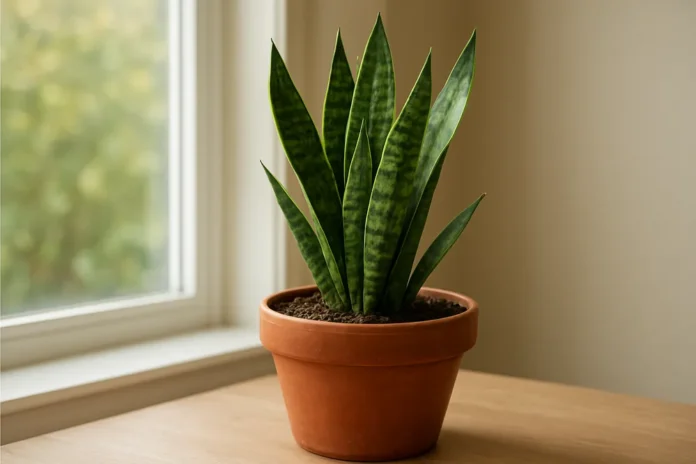
A snake plant usually stops growing because it is getting too little light, too much water, or conditions that are too cool to support active growth. Slow growth can also be completely normal, especially in winter or when the plant is already mature.
If your snake plant not growing looks healthy but never seems to put out a new leaf, you are not alone. This is one of the most common questions I hear from houseplant owners, and the answer is often less dramatic than people expect.
Snake plants are naturally slow growers, especially indoors. But when a plant has truly stalled for months during the active growing season, there is usually a reason. In my experience, the biggest culprits are low light, overwatering, compacted roots, old potting mix, and temperatures that keep the plant in a kind of holding pattern.
The good news is that snake plant growth usually improves once you correct the main stress point. The trick is figuring out whether your plant is merely slow, which is normal, or actually stressed and unable to push new growth.
How Fast a Snake Plant Should Grow
Snake plants are not fast houseplants. Even under good conditions, many varieties grow in measured bursts rather than in a steady week-by-week way. A healthy plant may push a few new leaves during spring and summer, then appear to do almost nothing through fall and winter.
Smaller or dwarf types stay compact by nature, while larger varieties can still take a long time to size up indoors. If your plant has firm leaves, decent color, and no signs of rot or collapse, it may be healthy even if it is not putting out new growth quickly.
- Spring and summer are the main growing seasons indoors
- Growth often slows sharply in low winter light
- Mature plants usually grow more slowly than younger plants
- Pups and new leaves often appear in bursts rather than on a predictable schedule
When I judge a snake plant, I do not look for constant growth. I look for signs of forward movement over a season. One new leaf or a small pup in summer tells me much more than staring at the pot every week.
Low Light Is the Most Common Reason Growth Stalls
Snake plants tolerate low light, but tolerance is not the same as thriving. This is where many gardeners get tripped up. A snake plant can survive in a dim corner for a long time, yet barely grow at all.
When light levels are too low, the plant cannot produce enough energy to support fresh leaves, roots, and offsets. It may simply maintain its existing foliage. In really dim spots, leaves can become thin, weak, or slightly stretched instead of broad and sturdy.
Signs Your Plant Needs More Light
- No new leaves for many months during spring and summer
- Leaves seem narrow, floppy, or less upright than before
- Variegated varieties lose contrast and look duller green
- The plant sits far from a window or in a room with heavy shade
The best indoor spot is usually bright, indirect light. A little gentle morning sun can help, and many snake plants also handle a few hours of filtered direct sun once acclimated. What they usually do not love is being parked in the darkest part of the house and expected to actively grow.
Overwatering Can Stop Growth Before Obvious Rot Shows Up
Snake plants store moisture in their leaves and rhizomes, so they do not need frequent watering. If the potting mix stays damp for too long, the roots become stressed and oxygen-starved. That often slows growth well before the plant turns mushy or collapses.
A plant dealing with wet roots will often look stagnant rather than dramatic at first. You may see no new leaves, a softening at the base, leaves wrinkling despite moist soil, or a general lack of vigor. The roots cannot do their job well when they stay in soggy mix.
Clues That Moisture Is the Issue
- Soil stays wet for a week or more after watering
- The pot feels heavy almost all the time
- Leaf bases look yellowish, translucent, or soft
- There is a sour smell coming from the pot
- Growth stopped after a period of frequent watering
If a snake plant is stalled and you are unsure whether to water, I almost always wait. These plants recover from slight dryness much more easily than from chronically wet roots.
Letting the mix dry well between waterings is usually the safer path. In active growing months, that may mean watering every couple of weeks in some homes. In winter, it can be much less often.
Too Little Water Can Also Keep a Snake Plant From Growing
Although overwatering is the more common problem, underwatering can also slow a snake plant down. If the plant stays bone dry for very long stretches during the growing season, it may conserve energy instead of producing new growth.
A badly underwatered snake plant may have wrinkled or slightly concave leaves, dry leaf tips, and potting mix that has pulled hard away from the sides of the container. In extreme cases, the roots become so dry that they struggle to take up water efficiently when you finally do soak the plant.
The goal is not constant dryness. It is a cycle of watering thoroughly, then allowing the mix to dry most of the way before watering again.
The Pot May Be Crowded or the Roots May Be Struggling
Snake plants often like being somewhat snug in their pots, but there is a limit. When the root mass and rhizomes become extremely crowded, the plant can run out of room to expand. New pups may stop forming, and fresh leaves may stay small or fail to emerge cleanly.
At the same time, not every slow snake plant needs a bigger pot. I have seen plenty of people repot too early, place the plant in a much larger container, then accidentally keep the extra soil too wet. The issue is not simply tight roots. It is whether the roots still have enough healthy space and aeration to function.
Signs Repotting May Help
- Roots are circling densely with very little soil left
- Rhizomes are pushing against the pot walls
- Water runs straight through because the root ball is packed solid
- Growth has slowed despite good light and careful watering
- The pot is cracking or bulging from pressure
If you do repot, move up only one pot size. A slightly larger pot with fresh, fast-draining mix is usually all a snake plant needs.
Old or Heavy Soil Can Quietly Hold a Plant Back
Potting mix breaks down over time. As it ages, it can become dense, compacted, and slower to dry. Even if you are watering carefully, the root zone may stay too wet or too airless for healthy growth.
This is especially common in plants that have been sitting in the same nursery mix for years. Some commercial mixes are fine at first but become dense indoors, particularly if they contain a lot of peat and have not been refreshed.
What Snake Plants Prefer
- A loose, well-draining cactus or succulent mix
- Added perlite, pumice, or coarse bark for extra airflow
- A pot with a drainage hole
- Soil that dries at a reasonable pace instead of staying swampy
If the soil surface crusts over, shrinks oddly, or stays wet much longer than it used to, a refresh can make a big difference. Better roots usually lead to better top growth.
Temperature and Season Affect Growth More than Many People Realize
Snake plants grow best in warm indoor conditions. When temperatures stay cool, especially near drafty windows, exterior doors, or air conditioning vents, growth slows down. Cold stress does not always show up as immediate damage. Sometimes the plant just stops moving.
Season matters too. In much of the U.S., winter light is weaker and days are shorter. Even a healthy snake plant often pauses growth then. If your plant does little from late fall through winter but resumes in spring, that is normal.
- Ideal growth usually happens in warm rooms with bright light
- Cold drafts can suppress growth even without obvious leaf burn
- Winter slowdowns are expected in most homes
- A plant that is active in summer but quiet in winter is behaving normally
Nutrient Issues Can Slow Growth, but They Are Rarely the Main Problem
Snake plants are not heavy feeders, so lack of fertilizer is not usually the first reason they stop growing. More often, the real issue is light or moisture, and fertilizer gets blamed because it seems like an easy fix.
That said, a plant in the same pot for years can eventually use up available nutrients. If the plant gets decent light, the roots are healthy, and growth is still weak during spring and summer, modest feeding may help.
Better Fertilizer Habits
- Feed lightly during spring and summer only
- Use a balanced liquid houseplant fertilizer at reduced strength
- Do not fertilize a stressed, soggy, or root-damaged plant
- Skip feeding in winter when growth is naturally slow
I treat fertilizer as a support tool, not a rescue tool. If a snake plant is not growing because the roots are unhappy or the light is poor, more feeding usually makes no visible difference.
Pests and Disease Can Cause Hidden Stagnation
Snake plants are fairly tough, but pests still happen. Mealybugs, scale, and occasionally spider mites can sap energy from the plant. A mild infestation may not look severe at first, but it can still interfere with growth.
Root rot is the bigger concern. Since much of the damage happens below the soil line, the plant may stop growing long before the leaves fully show what is wrong. If the base feels soft or the soil smells rotten, roots should be checked.
What to Watch For
- Cottony white clusters in leaf crevices from mealybugs
- Sticky residue or bumps on leaves from scale
- Soft lower leaves or mushy bases from rot
- Spotted, weakened, or dusty-looking foliage from pest feeding
A healthy snake plant in good light can usually outgrow minor setbacks. A stressed plant in poor conditions often cannot, which is why correcting the environment matters as much as treating the problem.
Sometimes the Plant Is Healthy and Just Mature
Older snake plants often slow down naturally. Once they have filled out their pot and reached a mature size for the space, they may put their energy into maintaining existing leaves and slowly thickening the clump rather than producing frequent new growth.
This is especially true if the plant already looks full and balanced. Gardeners sometimes expect every houseplant to keep sizing up indefinitely, but many mature specimens settle into a slower rhythm.
If the leaves are firm, upright, and well-colored, and there are no signs of root trouble or pests, patience may be the right answer. A mature snake plant can stay attractive for a long time without dramatic change.
How to Get a Snake Plant Growing Again
Once you know the likely cause, the best approach is simple and steady. Snake plants do not respond well to being fussed over from all directions at once. I have had the best results by correcting the biggest issue first, then waiting for new growth during the next active season.
A Practical Recovery Plan
- Move the plant to brighter indirect light or a sunnier room with gentle exposure.
- Let the potting mix dry well before watering again if it has been staying damp.
- Check that the pot has drainage and the soil is not compacted or sour.
- Repot into a slightly larger container only if the roots are extremely crowded or the mix has badly broken down.
- Wait until spring or summer to judge improvement, since winter growth is often minimal.
- Use light fertilizer only after the plant is in active growth and the roots appear healthy.
Do not expect damaged leaves to look new again. The sign of success is fresh growth, stronger new leaves, and a healthier rhythm over time.
Change one variable at a time whenever possible. If you repot, move the plant, and change watering all in the same week, it becomes much harder to tell what actually helped.
When to Worry That Growth Has Stopped for Good
A snake plant that is merely slow is very different from one that is declining. If your plant has not grown in a while but still looks sturdy, that is usually manageable. If growth has stopped and the plant is also yellowing, softening, collapsing, or smelling bad, there is a more urgent root or rot issue.
Likewise, if leaves are rapidly falling over, the crown is mushy, or the roots are black and slimy, the problem is no longer just slow growth. In those cases, quick cleanup, root inspection, and fresh potting conditions matter more than waiting it out.
FAQ
Is It Normal for a Snake Plant to Grow Very Slowly?
Yes. Snake plants are naturally slow growers, especially indoors and during winter. A healthy plant may only produce a few new leaves or pups in a growing season.
Will a Snake Plant Grow in Low Light?
It can survive in low light, but growth is usually much slower. Bright, indirect light gives it a much better chance of producing new leaves.
Should I Fertilize My Snake Plant if It Is Not Growing?
Only if the plant already has good light, healthy roots, and is in active growing season. Fertilizer will not fix poor lighting, root rot, or overly wet soil.
Does a Rootbound Snake Plant Stop Growing?
It can. Snake plants like a snug pot, but extreme crowding can limit new growth and pup production. Repot only when the roots or rhizomes are truly packed tight.
Why Is My Snake Plant Not Growing After Repotting?
It may be adjusting to the disturbance, especially if repotted outside its active season. Growth can also pause if the new pot is too large or the new soil stays wet too long.
How Often Should a Snake Plant Make New Leaves?
There is no exact schedule. In spring and summer, a healthy plant may push several leaves or pups, but some varieties grow in bursts and then pause for long stretches.
Can Cold Temperatures Stop a Snake Plant From Growing?
Yes. Cool rooms, cold drafts, and winter window chill can all slow or halt growth, even if the leaves do not show obvious cold damage right away.
What Is the Fastest Way to Encourage Snake Plant Growth?
The biggest improvement usually comes from giving it brighter indirect light and correcting watering habits. Healthy roots and warm growing conditions do more than frequent feeding.
Want your snake plant to actually put on healthy new growth? Read our guide to the best soils, pots, and grow lights for snake plants so you can fix the real bottleneck faster.
