

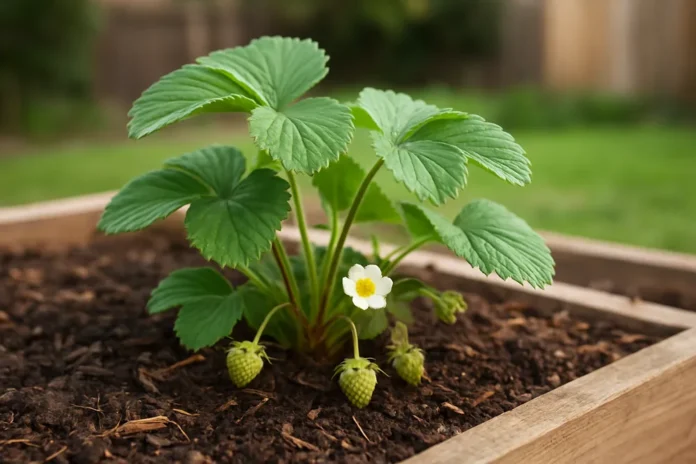
A drooping strawberry plant is usually reacting to water stress, heat, root trouble, or transplant shock. Pests, disease, and poor drainage can also make leaves and stems lose firmness.
A strawberry plant drooping can look dramatic fast. One day the leaves are upright and lively, and the next they are limp, folded, or hanging over the edge of the pot or bed. In my experience, drooping usually means the roots and the top of the plant are out of balance. The plant is losing water faster than it can take it up, or something is interfering with that uptake.
The good news is that drooping does not always mean the plant is dying. Strawberries can slump from afternoon heat, recent transplanting, a missed watering, or soggy soil that has started to damage roots. The key is to match the pattern of drooping with the likely cause.
If your strawberry leaves are wilting but the crown is still firm and the plant has some healthy green growth, recovery is often possible. Start by looking at the soil, the weather, and whether the problem affects one plant or the whole patch.
What Drooping Usually Looks Like on Strawberries
Strawberry drooping is not always the same symptom. Sometimes the whole plant collapses and looks thirsty. Sometimes only older leaves lie flat while the center still looks alive. In other cases, flower stalks droop first, or the leaves look limp even though the soil feels wet. Those differences matter because they point to different causes.
- Leaves droop in the hottest part of the day but recover by evening: this usually suggests heat stress or temporary moisture loss.
- Leaves stay limp morning and night and the soil is dry several inches down: this often points to underwatering.
- Leaves droop while soil is constantly wet or sour-smelling: this raises concern for overwatering or root rot.
- A newly planted strawberry wilts within a few days of planting: this is commonly transplant shock.
- One plant suddenly collapses while neighboring plants look fine: this can mean crown damage, root disease, or a localized pest problem.
When I diagnose drooping strawberries, I look at the crown before I look at the leaves. If the center crown is firm and pale green inside, the plant still has a good chance. If it feels mushy, dark, or smells rotten, I assume the real problem is below the soil line.
Watering Problems Are the Most Common Cause
Underwatering and Dry Soil
Strawberries have relatively shallow roots, so they dry out faster than many gardeners expect, especially in raised beds, containers, hanging baskets, and sandy soil. When the root zone gets too dry, the leaves lose pressure and begin to droop. You may also notice dry leaf edges, smaller berries, or flowers that fail to hold.
Container strawberries are especially prone to this because potting mix can go from comfortably moist to bone dry very quickly in summer. A plant can look fine in the morning and limp by late afternoon if the roots cannot keep up.
Overwatering and Poor Drainage
Oddly enough, too much water can cause the same drooping look. When roots sit in saturated soil, they cannot pull in oxygen well. Over time they become weak, and in severe cases they start to rot. The leaves then droop even though the soil feels wet. Many gardeners misread this as thirst and add more water, which makes the problem worse.
- Dry, dusty soil that pulls away from the sides of the pot usually indicates underwatering.
- Heavy, sticky, constantly wet soil often points to drainage trouble.
- Yellowing lower leaves combined with drooping can happen with overwatering.
- Plants in saucers or decorative cachepots often stay wetter than expected.
- Beds amended with too much fine compost can hold more moisture than strawberry roots like.
If you are not sure whether the plant is too dry or too wet, press a finger into the root zone instead of judging by the top surface. I have seen plenty of strawberry pots look dry on top while the lower half stayed soggy for days.
Heat, Sun, and Weather Stress Can Make Plants Wilt Fast
Strawberries enjoy sun, but intense heat can still overwhelm them. During very hot weather, leaves may droop or fold to reduce water loss. This is especially common in black nursery pots, metal containers, and west-facing sites where roots heat up more than gardeners realize.
A plant that perks back up after sunset is often dealing with heat rather than disease. You may also see blossom drop, scorched leaf margins, or pale patches on exposed leaves. Dry wind can intensify the problem because it pulls moisture from foliage quickly.
When Recent Weather Is the Main Trigger
- Sudden early summer heat waves
- Hot, drying wind after a cool stretch
- Plants moved from shade or a garden center to full sun too quickly
- Containers placed on concrete, decks, or patios that radiate heat
- Long bright days combined with small root systems in young transplants
Late frost can also lead to drooping, though the tissue often looks water-soaked, blackened, or collapsed rather than simply limp. If the center of the plant survives, new leaves may still emerge.
Root Issues and Transplant Shock Often Affect Individual Plants
Transplant Shock
Newly planted strawberries frequently droop because the roots were disturbed, dried out, or not fully settled into the new soil. Bare-root strawberries are particularly sensitive in the first week or two. If planted too shallow, roots dry out. If planted too deep, the crown can stay wet and struggle.
This kind of drooping often shows up quickly after planting and may be worst on warm, bright days. The leaves may look tired even when the soil is moist because the damaged root system has not resumed normal water uptake yet.
Root Crowding in Pots
A strawberry that has outgrown its container can also droop more easily. Dense roots leave little room for water retention, so the pot dries rapidly and the plant swings between too wet and too dry. Crowded roots can also limit nutrient uptake, which weakens the plant further.
Root and Crown Disease
Fungal problems such as root rot, crown rot, and verticillium wilt can all produce drooping or wilting. These are more likely in cool, wet soil, poorly drained beds, or spots where strawberries or related crops were repeatedly planted. The warning sign is that the plant does not bounce back after watering or cooler evening temperatures.
- A mushy or brown crown suggests rot.
- Dark, brittle, or sparse roots suggest root damage.
- Persistent wilting in moist soil suggests a root or vascular problem.
- Stunted growth along with drooping makes disease more likely than temporary thirst.
With new strawberry plantings, I pay close attention to crown depth. The crown should sit right at soil level. Buried crowns are one of those quiet mistakes that can lead to drooping, rot, and weak growth even when everything else seems right.
Pests, Disease, and Nutrient Stress Can Also Cause Limp Growth
Sap-sucking Pests
Aphids, spider mites, and similar pests can weaken strawberry plants by feeding on tender tissue. Heavy infestations interfere with normal growth and can make leaves look curled, puckered, or droopy. Spider mites are especially common in hot, dry conditions and are easy to miss until the plant starts to look tired and dusty.
Crown-feeding or Root-feeding Pests
Slugs rarely cause full-plant drooping, but root weevils, grubs, or crown-feeding damage can. If one plant suddenly wilts while others nearby remain healthy, inspect for chewing, tunnels, or damage around the crown and roots.
Disease Beyond the Roots
Leaf diseases usually cause spotting more than wilting, but severe infection can still stress the plant enough to make it droop. Bacterial or fungal issues become more likely where foliage stays wet for long periods and plants have poor air circulation.
Nutrient Imbalances
A lack of nutrients alone does not usually cause dramatic overnight drooping, but chronic deficiency can weaken roots and foliage enough that heat or watering issues hit harder. Too much fertilizer can also damage roots, especially in containers, leading to limp leaves and burnt edges.
- Check leaf undersides for tiny insects, webbing, or sticky residue.
- Look for distorted new growth as well as drooping.
- Notice whether only one area of the bed is affected, which may suggest soil or pest issues.
- Be cautious with quick-feed fertilizers if the plant is already stressed.
How to Fix a Drooping Strawberry Plant Based on the Cause
The best fix depends on what caused the drooping in the first place. A thirsty plant improves with deep, even moisture. A waterlogged plant improves when the roots can breathe again. A heat-stressed plant needs reduced stress on the top growth while the roots catch up.
If the Plant Is Too Dry
- Water slowly so the root zone is evenly moistened instead of running off the surface.
- Add a light mulch such as clean straw to reduce evaporation and keep berries off bare soil.
- For containers, water until excess drains out, then let the top inch dry slightly before watering again.
If the Soil Is Too Wet
- Pause watering until the root zone starts to dry.
- Make sure pots have clear drainage holes and are not standing in water.
- Improve bed drainage with better site selection or raised planting if soggy soil is a repeated issue.
If Heat Is the Issue
- Provide temporary afternoon shade during extreme heat.
- Move containers off hot surfaces if possible.
- Keep watering consistent so the plant does not face both heat and drought at once.
If Transplant Shock Is Likely
- Keep the soil evenly moist but not saturated.
- Protect new plants from harsh afternoon sun for several days.
- Confirm the crown is planted at the correct level, not buried and not sitting above the soil.
If Disease or Root Rot Is Suspected
Remove badly rotted plants if the crown is collapsing, since they rarely recover well and can spread trouble in a crowded bed. Avoid replanting immediately into the same poorly drained spot without improving conditions first.
Make one correction at a time whenever possible. If you change watering, fertilizer, shade, and spray something all in the same afternoon, it becomes much harder to tell what actually helped and what may have added stress.
How to Prevent Drooping in Future Strawberry Plantings
Prevention is mostly about steady root conditions. Strawberries perform best when they have moist but well-drained soil, good airflow, and enough room to grow without the crown staying wet.
- Plant in loose, fertile, well-drained soil rather than heavy, compacted ground.
- Water consistently, especially during flowering and fruiting.
- Mulch lightly to keep moisture even and reduce soil splash.
- Space plants well so leaves dry quickly after rain or irrigation.
- Use containers large enough to buffer moisture swings.
- Avoid overfertilizing, which can create soft growth and root stress.
- Rotate planting areas when possible if disease has been a problem.
Healthy strawberry plants are naturally more resilient. When I grow them in pots, I treat summer watering as a routine rather than a rescue job. That alone prevents a lot of midseason drooping.
FAQ
Can a Drooping Strawberry Plant Recover?
Yes, many do recover if the cause is temporary stress such as heat, underwatering, or transplant shock. Recovery is less likely when the crown has turned mushy or the roots have badly rotted.
Why Does My Strawberry Plant Droop in the Afternoon but Look Better at Night?
That pattern usually points to heat stress or temporary moisture loss. The plant is losing water faster than the roots can replace it during the hottest part of the day.
Should I Water a Drooping Strawberry Plant Right Away?
Only if the root zone is actually dry. Drooping in wet soil is often caused by overwatering or root trouble, and adding more water can make it worse.
Can Overwatering Make Strawberry Leaves Wilt?
Yes. Saturated soil deprives roots of oxygen, which weakens water uptake and causes leaves to droop even though the soil is wet.
Why Is Only One Strawberry Plant Drooping While the Others Look Fine?
A single drooping plant often suggests localized root damage, crown rot, planting depth problems, or a pest issue affecting that plant alone.
Do Strawberries Droop After Transplanting?
They often do for a short time, especially bare-root or recently divided plants. Disturbed roots need time to reestablish before the top growth regains full firmness.
Can Too Much Sun Make Strawberry Plants Droop?
Yes, especially during extreme heat or when roots are in hot containers. Full sun is good for strawberries, but intense afternoon heat can still cause temporary wilting.
Want healthier plants and better berries? Explore our strawberry care guides and recommended watering, mulch, and disease-control picks to keep your patch productive all season.
