

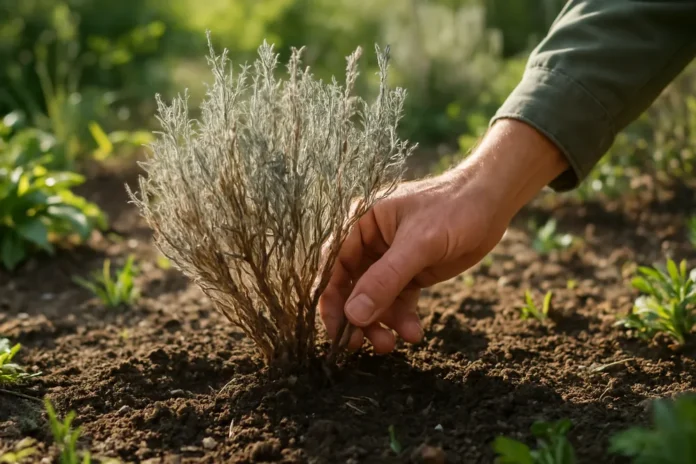
Lavender is usually dying because its roots are staying too wet or the plant is not getting enough sun. It can also decline from winter damage, woody age, or pruning at the wrong time.
Few plants confuse gardeners more than lavender dying in what seems like a perfectly sunny spot. People expect lavender to be easy because it is drought tolerant and tough once established, but it is actually very particular about drainage, airflow, and soil conditions.
When I troubleshoot a struggling lavender plant, I look less at the color alone and more at the pattern. A plant that turns gray and limp from the base up usually has a different problem than one with crispy tips, patchy dieback, or a dead-looking center and green edges. Lavender often gives clues if you know where to look.
The good news is that many declining plants can be saved if you catch the issue early enough. The key is separating normal aging and seasonal stress from true root problems, rot, or site conditions that lavender simply cannot tolerate for long.
What Healthy Lavender Should Look Like
Healthy lavender should have firm stems, silvery to green foliage depending on the variety, and upright growth that does not flop over from the crown. The base should feel solid rather than mushy, and the plant should dry out fairly quickly after rain or irrigation.
Some browning at the oldest interior wood is normal, especially on mature plants. Lavender naturally becomes woody with age, and the inner stems often lose leaves as the outer shell keeps growing. That does not always mean the whole plant is dying.
- New growth appears at the tips in spring and early summer
- Leaves feel dry and slightly textured, not soft or waterlogged
- The crown stays above soggy soil and does not smell sour
- Flowering stems stand upright instead of collapsing at the base
Overwatering and Poor Drainage Are the Most Common Causes
If I had to bet on one reason lavender dies in home gardens, it would be excess moisture around the roots. Lavender comes from regions with lean, fast-draining soil and plenty of sun. In rich or damp garden beds, the roots stay wet too long, oxygen drops, and rot begins.
This often happens even when you are not watering very much. Heavy clay soil, low spots in the yard, mulch piled around the crown, or nearby sprinklers can keep the root zone wetter than lavender can handle. In containers, poor drainage holes or potting mix that holds too much water can do the same thing.
Signs the Roots Are Staying Too Wet
- Leaves look dull, limp, or gray-green instead of vibrant
- Stems turn brown or black near the base
- The plant wilts even though the soil feels moist
- Growth collapses from the center or crown outward
- You notice a musty or rotten smell in the soil
When lavender is thirsty, it usually looks dry, thin, and slightly brittle. When it is drowning, the decline often feels strangely soft. If the base of the plant is mushy or the foliage wilts in damp soil, I stop thinking about water shortage and start suspecting root trouble.
A badly rotted plant is hard to save because lavender does not rebound well from major root damage. If only part of the plant is affected, you may be able to improve drainage, remove wet mulch, and let the soil dry between deep waterings. But if the crown is black and soft, replacement is often the more realistic option.
Not Enough Sun Can Slowly Weaken the Plant
Lavender needs full sun, ideally at least 6 to 8 hours a day. In less light, it becomes leggy, flowers poorly, and struggles to dry out after rain. That weaker growth is more likely to flop, stay damp, and develop fungal issues.
Shade problems are common when nearby shrubs or trees mature and begin blocking light that was once available. A spot that worked for a young lavender plant may become marginal after a few seasons.
- Long, stretched stems with sparse leaves
- Few blooms or small flower spikes
- Growth leaning toward the brightest side
- Persistent dampness after rain or dew
Lavender in part shade rarely dies overnight from low light alone. Instead, it declines gradually because the plant becomes weaker and more vulnerable to moisture problems and winter injury.
Soil That Is Too Rich or Too Acidic Can Create Trouble
Many gardeners treat lavender like a hungry perennial and improve the bed with compost, manure, or moisture-retentive amendments. That often backfires. Lavender prefers lean to moderately fertile soil with excellent drainage, and it generally performs best in neutral to slightly alkaline conditions.
In very rich soil, the plant may put on soft, floppy growth that is more prone to rot and winter damage. In acidic soil, nutrient uptake can become less efficient, and the plant may gradually look weak or discolored.
Common Soil-related Symptoms
- Excess leafy growth with fewer flowers
- Floppy stems that split open in humid weather
- Yellowing combined with slow growth
- A plant that declines despite careful watering
If you are planting new lavender, skip heavy soil enrichment and focus on structure. Grit, coarse sand, or a raised bed often helps more than extra organic matter when drainage is the real issue.
Root Rot and Crown Rot Often Show Up After Rain or Humidity
Root rot is closely tied to wet soil, but crown rot deserves special attention because it starts where the stems meet the soil line. Lavender crowns hate sitting in wet mulch or dense soil. Once decay begins there, the entire top can fail quickly.
This problem is especially common in humid regions or during rainy spells when the plant never fully dries out. You might see one side die first, or several stems suddenly brown while others still look healthy.
- Dark, shriveled, or soft tissue at the crown
- Sudden branch dieback during warm wet weather
- A split between healthy top growth and dead lower stems
- Leaf drop from stems that looked fine days earlier
Keep mulch pulled back from the crown by a few inches. I would rather see bare, dry soil around lavender than a neat ring of mulch holding moisture exactly where the plant is most vulnerable.
Underwatering Is Possible, but Less Common than People Think
Established lavender is drought tolerant, but newly planted lavender can absolutely dry out before its roots spread. Container plants also dry faster than in-ground plants, especially in hot, windy weather.
True underwatering usually makes lavender look dry and pale rather than soft and collapsed. Leaves may curl, stems may feel brittle, and the whole plant may stop producing fresh growth during heat.
When Drought Is the Likely Culprit
- The plant is newly planted or in a small pot
- Soil is dusty several inches down
- Leaves feel crisp instead of limp
- The plant improves after a deep watering
Even so, repeated light watering is not the fix. Lavender does better with deep, infrequent watering while it establishes, followed by longer dry periods. Constant sipping keeps the surface damp and encourages shallow roots.
Winter Damage Can Make Lavender Look Dead in Spring
In colder parts of the U.S., lavender may survive winter but still emerge looking rough. Cold wind, frozen wet soil, and repeated freeze-thaw cycles can kill stems or entire crowns. English lavender tends to be hardier than French or Spanish types, which often struggle in colder zones.
A plant with winter injury may have dry, brown upper stems while the lower base still shows some green later in spring. The trick is not to assume it is dead too early. Lavender is often slower to wake up than nearby perennials.
- Brown tips after a late freeze
- Patchy dieback on the windward side
- Dead-looking stems above a still-living crown
- No growth on some branches but green tissue lower down
I wait until I see where new growth is actually breaking before cutting hard in spring. Lavender that looks dead in March or early April sometimes surprises you, but stems that stay brittle and tan well into the growing season usually are not coming back.
Pruning Mistakes Can Shorten Lavender's Life
Lavender benefits from regular trimming, but it responds poorly to being cut back into old, leafless wood. If you prune too hard into the woody base, those bare stems may never push new growth again.
Skipping pruning for years creates a different problem. The plant becomes woody, open in the middle, and more likely to split or die out from the center. This is one reason older lavender often looks like it is dying even when the outer stems still bloom.
Better Pruning Habits
- Trim after flowering or lightly in spring once new growth shows
- Leave some green growth on each stem
- Avoid cutting deep into thick bare wood
- Shape young plants yearly so they stay compact
If a mature plant is mostly woody with only a small shell of green on the outside, replacement may be better than drastic rejuvenation. Lavender is not as forgiving as shrubs that resprout readily from old wood.
Pests and Diseases Are Usually Secondary Problems
Lavender is not a magnet for pests the way some garden plants are, but stressed plants can attract trouble. Spittlebugs, aphids, and occasional fungal leaf spots may appear, especially when airflow is poor or foliage stays wet.
Most of the time, these are not the root cause of a dying plant. They show up after the plant has already been weakened by too much moisture, crowding, or low light.
- Leaf spotting during humid weather
- Foamy spittle masses on stems
- Distorted new growth on weak plants
- Mildew or rot in dense, overcrowded plantings
Focus first on sun, spacing, and drainage. A healthy lavender plant usually tolerates minor pest pressure without major decline.
How to Tell Whether Your Lavender Can Be Saved
Before replacing the plant, inspect the crown and scratch a few stems with your fingernail. If you see green under the bark on multiple stems and the crown is firm, the plant may recover. If the crown is mushy, black, or hollow, recovery is unlikely.
A Lavender Plant Is More Likely to Recover If
- At least part of the crown is firm and green
- New shoots are emerging near the base or tips
- The decline followed temporary stress like a cold snap
- The roots are not obviously rotten
Replacement Is Usually Better If
- Most stems are brittle and brown all the way down
- The crown is soft, black, or smells rotten
- The plant is mostly old wood with very little green growth
- It sits in a site that stays wet no matter what you do
If you do replace it, consider changing the site rather than planting another lavender in the same soggy conditions. A raised mound, gravelly bed, or terra cotta container in full sun often succeeds where a standard garden bed fails.
How to Prevent Lavender From Dying Again
The best long-term fix is giving lavender the conditions it naturally prefers instead of trying to force it into a moisture-loving planting scheme. Once that clicks, the plant becomes much easier.
- Plant in full sun with strong airflow
- Use very well-drained soil or raised planting areas
- Water deeply but infrequently while establishing
- Avoid thick mulch around the crown
- Choose hardy varieties suited to your USDA zone
- Prune lightly and regularly to keep plants compact
- Do not crowd lavender among thirsty perennials
In humid or rainy climates, site selection matters even more than feeding or watering. I have seen average lavender thrive in a hot, exposed, gravelly spot while premium plants failed in rich soil that looked perfect on paper.
FAQ
Can Lavender Come Back After Looking Completely Dead?
Sometimes. If there is still green tissue under the bark and the crown is firm, it may regrow from surviving stems. If the crown is black, soft, or hollow, it is usually gone.
Should I Water Dying Lavender More Often?
Not automatically. Lavender more often declines from wet roots than from thirst, so watering more can make the problem worse. Water only when the root zone has had a chance to dry and the plant truly shows drought stress.
Why Is My Potted Lavender Dying Faster than My Garden Lavender?
Containers can swing between extremes. A pot may stay too wet if drainage is poor, or dry too fast in heat and wind. Lavender in pots needs a fast-draining mix, drainage holes, and careful but not constant watering.
Is Brown Woody Growth at the Base Normal?
Yes, some woody growth is normal as lavender ages. The concern starts when the plant is mostly bare wood with very little green growth left, or when the crown itself is dark, soft, or rotting.
Can I Save Lavender with Root Rot?
Mild cases may improve if you correct drainage quickly and the crown is still healthy. Severe root rot is hard to reverse because lavender does not recover well after major root loss.
What Type of Lavender Is Most Likely to Survive Winter?
English lavender varieties are generally the most cold hardy for U.S. gardens. French and Spanish lavenders are more vulnerable to winter damage in colder zones.
Does Lavender Need Fertilizer to Recover?
Usually not much. Lavender often performs better in lean soil, and heavy feeding can encourage weak, floppy growth. Fixing sun, drainage, and watering habits usually matters more than fertilizer.
Want lavender that actually thrives? Read our guide to the best lavender varieties, soils, and planting setups so you can choose a plant and location that will last.
