

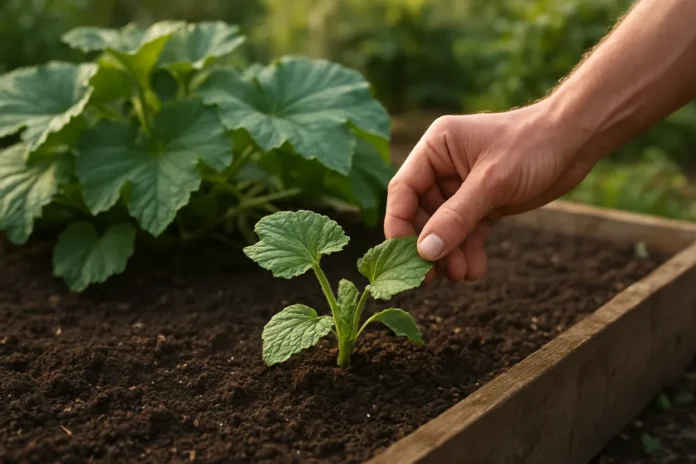
Zucchini plants usually stop growing because they are stressed by cold weather, poor watering, root problems, low fertility, pests, or weak pollination. Most stalled plants are reacting to growing conditions rather than simply growing slowly.
Few summer vegetables are as frustrating as zucchini not growing when you expected a huge, fast-moving plant by now. Zucchini is normally vigorous, so when it stays small, sits still for weeks, or makes tiny fruits that never size up, that is a sign something in its environment is holding it back.
In my garden, zucchini almost always tells you what is wrong if you slow down and look at the pattern. A plant that is pale and small points me one direction, while a dark green plant that flowers but never bulges points me another. The good news is that stunted zucchini plants often recover well once the real cause is corrected, especially early in the season.
Below are the most common reasons zucchini stalls, what each one looks like, and how to get the plant moving again without guessing at every possible fix.
What Healthy Zucchini Growth Should Look Like
Before you diagnose a problem, it helps to know what normal looks like. In warm weather with decent soil and regular moisture, zucchini should put on fast leaf growth, thicken its crown, and begin producing large blossoms not long after transplanting or early seedling growth. A healthy plant usually looks broader and fuller each week, not just a little taller.
If your plant has been in the ground for a while and still looks nearly the same size, or if new leaves are coming in smaller than older ones, you are dealing with a growth-limiting stress. Sometimes that stress is temporary, like a cold spell. Other times it is something more persistent, like compacted soil, inconsistent watering, or squash vine borer damage.
- Healthy leaves should be broad, firm, and medium to deep green.
- New growth should appear regularly from the center crown.
- The plant should gradually spread outward rather than staying tight and miniature.
- Fruits should enlarge quickly after successful pollination instead of shriveling at the blossom end.
Cold Weather Is One of the Most Common Reasons Zucchini Stalls
Zucchini loves warmth. Even when it survives cool nights, it may simply stop moving until temperatures improve. Soil that is still cool in late spring can keep roots sluggish, and repeated nights below about 50°F often cause a planted zucchini to sit in place instead of growing strongly.
This happens a lot when gardeners transplant too early because the calendar says summer vegetables should already be out. The plant may not die, but it often sulks. Leaves can look dull, growth may seem frozen, and flowers may drop without much fruit development.
- Leaves stay small after transplanting
- Little or no new growth after a cold stretch
- Flowers appear before the plant bulks up
- Pale or slightly mottled foliage after chilly nights
When I see zucchini sitting still in otherwise decent soil, I look at recent night temperatures before I blame fertilizer. A plant that is cold-stressed often resumes growth surprisingly fast once both air and soil warm up.
If cold is the issue, the fix is mostly patience plus protection. Row cover, black mulch, or simply waiting for warmer conditions can help. Avoid pushing the plant with heavy fertilizer while temperatures are still low, because it will not use nutrients efficiently until the roots are active.
Poor Root Establishment Can Keep the Whole Plant Small
Zucchini grows fast above ground only when it settles in well below ground. Anything that restricts roots can leave the plant stunted. Common problems include transplant shock, circling roots from an overgrown nursery pot, planting too deep, compacted soil, or damage from rough handling.
A root-stressed zucchini often looks stuck rather than sick. It may stay green but fail to size up. In heavier soils, roots can struggle if the bed stays dense and wet after rain. In containers, the issue is often the opposite: too little root room and frequent drying.
Signs the Roots Are the Problem
- Plant looks undersized but not badly discolored
- Growth slowed right after transplanting and never recovered
- Soil stays hard or puddled after watering
- The plant wilts quickly in sun despite moist soil
You cannot undo every root problem, but you can improve conditions around the plant. Keep the soil evenly moist, not soaked. Top-dress with compost instead of digging near the stem. If the plant is in a small container, move it to a larger one fast. Zucchini wants plenty of space for both roots and canopy.
Watering Mistakes Often Lead to Slow Growth
Zucchini needs consistent moisture to build leaves, stems, and fruit. Too little water slows everything down. Too much water can do nearly the same thing by suffocating roots and encouraging rot. When gardeners say their zucchini is not growing, erratic watering is often part of the story.
Underwatered plants may look limp in the afternoon, develop dry soil gaps around the base, and produce smaller leaves. Overwatered plants can look droopy too, which confuses people, but the soil will feel wet and cool rather than dry. Prolonged sogginess also limits oxygen around the roots, and growth stalls.
How to Water Zucchini for Steady Growth
- Water deeply rather than lightly sprinkling every day.
- Let the top layer of soil dry slightly between waterings, but do not let the root zone bake dry.
- Use mulch to reduce evaporation and moderate soil temperature.
- Water at the base instead of wetting leaves whenever possible.
If you are unsure whether the problem is too much or too little water, dig down a few inches before watering again. I trust what the root zone feels like far more than what the soil surface looks like.
In raised beds and containers, check moisture more often because they dry out faster than in-ground beds. In clay-heavy ground, the opposite applies: make sure water is draining instead of lingering.
Low Fertility or Nutrient Imbalance Can Stunt Zucchini
Zucchini is a heavy feeder, but that does not mean more fertilizer is always better. Plants need enough nitrogen for leaf growth, phosphorus for roots and flowering, potassium for overall vigor, and access to micronutrients through healthy soil. If soil is poor or exhausted, the plant may remain thin, pale, and slow.
A nitrogen shortage often shows up as pale older leaves and weak growth. On the other hand, too much high-nitrogen fertilizer can create lush foliage with fewer fruits later on. If a plant is very small from the start, lack of fertility is more likely than overfeeding, especially in sandy beds or containers that were filled with low-quality mix.
When Nutrients Are Probably Involved
- Leaves are generally light green or yellowish
- New growth is slow and undersized
- Soil was not amended before planting
- The bed has produced heavy-feeding crops repeatedly without compost or fertilizer
A balanced vegetable fertilizer or a top-dressing of compost can help if fertility is lacking. Apply moderate amounts and water in well. Avoid repeated random feeding every few days. Zucchini responds better to steady soil nutrition than to bursts of fertilizer.
Too Much Shade Limits Energy and Growth
Zucchini wants full sun. If it is planted where it gets only a few hours of direct light, especially morning shade plus afternoon obstruction, the plant may stay small and underpowered. Light drives the vigorous growth that makes squash seem easy in the first place.
Shaded zucchini often has long leaf stems, a sparse look, and slower overall development. It may flower eventually, but fruit production usually lags behind what the same variety would do in a brighter spot.
- Aim for at least 6 to 8 hours of direct sun daily.
- Watch for hidden shade from fences, trellises, shrubs, or nearby corn.
- Remember that early-season sun angles can change quickly as summer progresses.
If your plant is still young and easy to move, transplanting may be worthwhile. If it is already established, pruning surrounding plants or accepting a smaller harvest may be the more realistic path.
Crowding Above and Below Ground Can Hold Zucchini Back
Zucchini needs room. A crowded bed can reduce airflow, light, root space, and access to moisture and nutrients. If your zucchini is squeezed between tomatoes, cucumbers, or sprawling melons, it may never become the broad, productive plant it should be.
Competition is especially noticeable in small raised beds where several hungry summer crops were planted close together. Everything may look fine at first, then one plant begins to dominate while another stalls. Zucchini is vigorous, but it still loses when root competition gets intense.
If spacing is the issue, remove the weakest neighboring plants rather than trying to feed your way out of the problem. More fertilizer does not create more elbow room.
Pests Can Weaken the Plant Before Damage Looks Dramatic
Several pests can make zucchini look stalled. Squash bugs and aphids suck sap and reduce vigor. Cucumber beetles chew foliage and spread disease. Squash vine borers are especially serious because they attack the stem and can stop growth fast even before full wilting appears.
If your plant was growing normally and then suddenly slows or wilts despite adequate water, inspect it closely. Look under leaves, around the crown, and along the main stem. Vine borer entry holes often leave behind a sawdust-like material near the stem base.
Clues That Pests Are Involved
- Yellow speckling or stippling on leaves
- Clusters of insects under foliage
- Sticky residue from sap-feeding pests
- Sudden collapse or wilting from stem damage
- Chewed leaves combined with weak new growth
A zucchini that is simply hungry usually declines gradually. A zucchini that looks fine one week and badly stressed the next makes me think pests or root injury first, especially in hot weather.
Treatments depend on the pest, but early action matters. Hand removal, insecticidal soap for soft-bodied pests, row covers early in the season, and careful stem inspection can all help. If vine borer has already hollowed the stem, recovery is less certain.
Pollination Problems Can Make It Seem Like the Plant Is Not Progressing
Sometimes the plant itself is growing well, but the fruits are not. Zucchini produces separate male and female flowers, and the female flowers need pollination for the tiny fruit behind the blossom to enlarge. Without enough pollinator activity or successful pollen transfer, those little zucchinis stay small, yellow, or mushy and then drop.
This can feel like a growth problem even when the foliage is healthy. Early in the season, it is also common for the plant to produce male flowers first, so gardeners worry before female flowers begin showing up in better numbers.
- Tiny fruits form but shrivel instead of enlarging
- Flowers open and fall off without fruit growth
- Plenty of blooms but little harvest
- Rainy, cool, or very hot weather reduces pollinator activity
If the plant is otherwise healthy, pollination issues usually do not mean the zucchini is stunted overall. They just mean fruit set is failing. Hand-pollinating in the morning can help if pollinator visits are low.
Disease and Environmental Stress Can Slow Zucchini Down
Fungal and bacterial problems can reduce growth by damaging leaves, blocking water movement, or weakening the crown. Powdery mildew usually arrives later and is not the usual reason for a very young plant to stay tiny, but bacterial wilt, root rot, and severe leaf disease can all reduce vigor.
Environmental stress matters too. Heat waves, reflected heat from walls, herbicide drift, or sudden weather swings can make zucchini pause. A plant exposed to lawn weed killer drift may twist, cup, or grow abnormally, and that kind of injury can mimic nutrient problems.
Look for distorted leaves, spotting, stem lesions, or unusual patterns that do not match simple watering or fertility issues. When disease is advanced, recovery may be limited, and replacing the plant can be the best use of space.
How to Figure Out the Real Cause Without Guessing
The fastest way to solve stalled zucchini growth is to narrow the cause instead of treating everything at once. Start with timing. Ask whether the plant has always been small or whether it slowed after a change in weather, watering, or insect pressure.
- Check recent weather, especially cool nights or sudden heat.
- Feel the soil several inches down to judge real moisture.
- Inspect the crown, leaf undersides, and stem base for pests or damage.
- Look at leaf color and size to spot fertility issues.
- Review sunlight and spacing honestly, not hopefully.
Most of the time, one or two stresses are doing the damage, not five. Correct the likeliest issue first and watch the next round of new growth. Old damaged leaves may not improve much, so judge success by what the plant does next, not by expecting existing leaves to look perfect again.
I try not to change watering, fertilizer, and pest treatment all on the same day unless the problem is obvious. When you change one major variable at a time, the plant gives you a much clearer answer.
Can a Stunted Zucchini Plant Recover?
Yes, often it can. Zucchini is naturally fast and resilient when conditions improve. Plants stalled by cool weather, minor root shock, uneven watering, or modest nutrient deficiency often rebound with strong new growth once stress is removed.
Recovery is less likely when the plant has severe vine borer damage, advanced disease, chronic shade, or major root restriction that cannot be corrected. If the season is still early, replacing a badly compromised plant can be more productive than trying to nurse it along for weeks.
If you do keep the plant, give it steady care rather than aggressive rescue tactics. Warm soil, balanced feeding, deep watering, mulch, and close pest monitoring usually do more good than dramatic interventions.
FAQ
Why Is My Zucchini Plant Flowering but Not Getting Bigger?
If the foliage looks healthy but fruits stay tiny, poor pollination is a common cause. The plant may also be putting energy into early flowering before it has enough leaf mass, especially after cool weather or transplant stress.
Will Zucchini Catch Up if It Was Planted Too Early?
Often yes. If the plant was slowed mainly by cool soil and chilly nights, it may begin growing quickly once temperatures stay warm. Severe cold damage or long-term stress can reduce that recovery.
How Often Should I Water a Stunted Zucchini Plant?
Water based on soil moisture, not a rigid schedule. Zucchini does best with deep, consistent watering that keeps the root zone evenly moist without leaving the soil soggy.
Can I Fix a Small Zucchini Plant with Fertilizer?
Sometimes, but only if low fertility is truly part of the problem. Fertilizer will not solve cold stress, shade, poor pollination, vine borer damage, or waterlogged roots.
Should I Remove Flowers From a Zucchini Plant That Is Still Small?
Usually you do not need to. A small zucchini can still continue building leaves while flowering, but if the plant is very stressed, improving growing conditions matters more than worrying about whether a few early blossoms stay on.
Why Is My Zucchini Plant Green but Not Growing?
A green but stalled plant often points to root stress, cool temperatures, crowding, or insufficient light rather than a severe nutrient deficiency. It has enough chlorophyll to stay green but not enough support to expand.
When Should I Replace a Zucchini Plant Instead of Waiting?
Replace it if the stem is badly damaged by vine borer, disease is spreading fast, the roots are severely restricted, or the plant has remained stagnant for too long during prime warm-season growing weather.
Want healthier squash and bigger harvests? Read our guide to the best fertilizers and pest-control options for zucchini so you can choose the right fix fast.
