

Note: This article contains affiliate links. If you click on these links and make a purchase, I may earn a small commission at no extra cost to you. This helps support my research and content. Read my full affiliate disclosure here.
If you spend time outdoors near grass, woodlines, or ornamental beds, a targeted backyard tick spray can reduce encounters with disease-carrying ticks. The right spray behaves predictably across typical yard microclimates, provides meaningful residual control, and fits the safety needs of households with children or pets. This guide shortlists six top options suited specifically for backyard use and evaluates them on persistence, coverage, and user safety. Below you will find clear explanations of the criteria we used and practical notes to help you pick the right spray for your landscape.
Top Picks at a Glance
| Best Overall The best all-around choice for most situations | Ortho Home Defense Insect Killer for Lawn & Landscape Ready-to-Spray (32 fl. oz.) |  |
| Best Quality Built to a higher standard if you want something more solid | Wondercide Flea & Tick Yard Spray, Ready-to-Use (32 oz) |  |
| Best Value The sweet spot between price and what you get | Cutter Backyard Bug Control Spray Concentrate, 96 oz (3-pack) |  |
| Best Budget The cheapest option that still gets the job done reliably | Ortho BugClear Insect Killer for Lawns & Landscapes Ready-to-Spray, 32 oz |  |
| Highest Rated A top-rated pick with lots of positive feedback | Ortho Tick B-gon Tick Killer Ready-to-Spray, 32 fl. oz. | 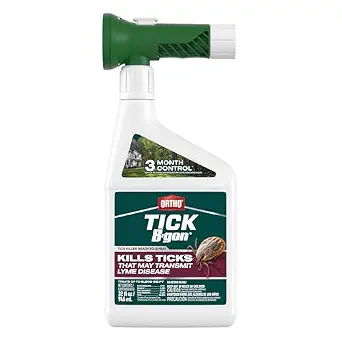 |
| Most Popular A crowd favorite that many people choose with confidence | Cutter Backyard Bug Control Spray Concentrate, 32 oz (2-pack) |  |
Ortho Home Defense Insect Killer for Lawn & Landscape Ready-to-Spray (32 fl. oz.)

| Unit Count | 1 Count |
|---|---|
| Item Form | Spray |
| Liquid Volume | 32 fluid ounces |
| Target Species | Dog |
Ortho Home Defense Ready-to-Spray is a hose-end insecticide designed to treat lawns, home perimeters and foliage without mixing concentrate. You attach the bottle to your garden hose, open the water and flip the lever to apply a spray that starts killing outdoor insects within minutes and creates a residual barrier lasting up to three months against ants, fleas, ticks and many other listed pests. The product covers up to 5,300 sq ft of turf or smaller foundation and foliage areas, which makes it convenient for typical suburban yards and routine seasonal treatments. Notable features include the hose-end applicator for quick coverage and a formulation the maker says is non-staining and low-odor. Important limitations are the need to follow safety directions carefully because it is an insecticide that can irritate eyes and is harmful if swallowed and that it excludes certain species like black widow spiders. Reapplication timing, local regulations and weather (rain shortly after application) will affect performance, so plan treatments when conditions are dry and follow label instructions for safe use around people and pets.
Best for: Homeowners who want a straightforward, all-purpose yard spray to reduce ticks and common outdoor insects across a typical suburban lawn and perimeter as part of a seasonal pest control routine.
Less Ideal for: People who need specialized control for uncommon or indoor-only pests, organic-only gardeners, or those who prefer non-chemical methods for tick management.
- Hose-end ready-to-spray design for fast, even coverage without mixing
- Provides residual protection for up to three months against ants, fleas and American dog ticks
- Treats large areas—up to 5,300 sq ft of lawn or substantial perimeter and foliage coverage
- Non-staining, low-odor formula suitable for use around ornamentals and listed edible plants when used as directed
- Contains active ingredients that require protective clothing and keeping people and pets off treated areas until dry
- Does not list control for certain species such as black widow spiders
Verdict: A convenient hose-end insect killer that delivers broad yard protection and multi-month control for homeowners wanting an easy, seasonal solution against ticks and common outdoor pests.
Wondercide Flea & Tick Yard Spray, Ready-to-Use (32 oz)

| Liquid Volume | 946 ml |
|---|---|
| Item Form | Spray |
| Active ingredients | Cedarwood oil 12.63%; Sesame oil 2.73% |
| Coverage (fleas/mosquitoes) | Up to 5,000 sq ft |
| Coverage (ticks/repel mosquitoes) | Up to 2,500 sq ft |
Wondercide Flea & Tick Yard Spray is a pre-mixed, hose-end spray that uses cedarwood and other plant-derived ingredients to kill and repel fleas, ticks, and mosquitoes in yards and around home perimeters. You attach the bottle to a garden hose, turn the sprayer on, and walk a steady path while sweeping the spray to cover turf, flower beds, siding, patios, and kennel areas. The formula is designed to treat up to 5,000 sq ft for fleas and mosquitoes and up to 2,500 sq ft for ticks and mosquito repellency, so a single 32 oz bottle covers most suburban lawns. Its plant-based active ingredients mean you can use it around people, pets, and pollinator-friendly areas when directions are followed. Practical benefits include no mixing, no wait time to reenter treated areas, and guidance for reapplication after heavy rain. Limitations are that effectiveness depends on application technique, water pressure, and repeated treatments may be needed for heavy infestations; the label also warns against spraying in temperatures above 90°F or full sun to avoid plant leaf burn.
Best for: Buyers who prioritize effective, fast backyard pest control using plant-based actives and want a ready-to-use option they can apply themselves to protect pets and family.
Less Ideal for: Those seeking a one-time permanent cure for severe infestations or users who prefer liquid concentrates for measuring custom dilutions should consider other professional treatments or concentrated formulations.
- Pre-mixed hose-end ready formula for fast, whole-yard application
- Plant-based active ingredients (cedarwood oil) safe for use around people and pets when used as directed
- Large claimed coverage per bottle suitable for typical residential yards
- Residue reported safe for pollinators when applied according to directions
- Clear usage instructions including reapplication guidance after heavy rain or for active problems
- Performance depends on thorough coverage, water pressure, and walking speed so results can vary
- May cause phytotoxic burn on plants if applied in high temperatures or direct midday sun
Verdict: A ready-to-use, plant-powered yard spray that delivers wide-area flea, tick, and mosquito control for homeowners who want fast, pet-safe application.
Cutter Backyard Bug Control Spray Concentrate, 96 oz (3-pack)

| Unit Count | 96 Ounce |
|---|---|
| Included Components | 3 Cutter Backyard Control Concentrate; 1 Sprayer |
| Item Form | Spray |
| Target Species | Mosquito |
| Active Ingredients | Lambda-Cyhalothrin (0.16%) |
This Cutter Backyard Bug Control Spray is a hose-end concentrate designed to treat lawns, shrubs and outdoor surfaces for mosquitoes and a range of listed insects. You attach the included QuickFlip hose-end sprayer to a garden hose, flip the nozzle to mix automatically and walk the yard with overlapping sweeps until foliage and turf are wet. The formula contains lambda-cyhalothrin and is EPA-specified for outdoor use, with stated coverage up to about 5,000 sq ft per unit and residual control lasting up to 12 weeks for many pests. The practical benefits are straightforward: no measuring or bucket mixing, a single applicator included, and one product that covers lawns and landscape plantings. Important limitations are safety and use restrictions — avoid applications near water, keep children and pets away until dry, and follow label directions for vegetable beds and sensitive areas. This is a functional seasonal solution for scheduled perimeter and landscape treatments rather than spot-treating insects indoors or inside delicate planting areas where runoff or drift is a concern.
Best for: Homeowners who want a low-effort, scheduled perimeter treatment to reduce mosquitoes and common lawn pests across an entire yard and landscape.
Less Ideal for: Gardeners who need insect control for edible beds, sensitive plants, or immediate indoor spot treatments should consider more targeted or pet-safe alternatives.
- Hose-end QuickFlip sprayer mixes automatically for easy, no-measure application
- EPA-specified concentrate formulated to control mosquitoes and multiple listed lawn and landscape pests
- Large total volume (96 fl oz across pack) offers coverage up to about 5,000 sq ft per bottle
- Provides extended residual control up to 12 weeks for many listed insects when used as directed
- Contains a synthetic pyrethroid active ingredient that requires careful handling and adherence to safety and environmental restrictions
- Not suitable for application near aquatic habitats or areas where runoff can reach drains
Verdict: An easy-to-use hose-end concentrate that delivers broad, seasonal backyard mosquito and landscape pest control with minimal setup.
Ortho BugClear Insect Killer for Lawns & Landscapes Ready-to-Spray, 32 oz

| Item Form | Aerosol |
|---|---|
| Target Species | Ant |
| Liquid Volume | 32 fluid ounces |
Ortho BugClear Ready-to-Spray is a hose‑attached insect killer intended for homeowners who want fast, broad outdoor pest control without mixing concentrates. It connects to a garden hose and treats lawns, foundation perimeters, ornamentals, shrubs and certain edible plants, with one 32 fl oz bottle covering up to a typical small-to-medium yard. The formula lists control for many species including ticks, ants and mosquitoes and is described as starting to kill within minutes and providing extended control. Practical benefits are its ease of use, no-mix convenience, and compatibility with common yard surfaces so you can hit lawns and plant beds quickly. Important limitations are that it is a contact/ residual spray so timing and application technique matter for long-term control and you should avoid spraying blooming plants to protect pollinators. Also it uses synthetic active ingredients so follow label safety directions and use protective clothing during application.
Best for: Homeowners looking for an inexpensive, no-mix tick and yard insect treatment they can apply themselves to lawns, perimeters and planted areas with minimal equipment.
Less Ideal for: Gardeners who avoid synthetic pesticides or who need an organic certified product should consider alternative treatments; those with large acreage may prefer concentrated products or professional services.
- Ready-to-spray hose attachment requires no measuring or mixing
- Claims rapid knockdown and weeks-to-months of residual control against ticks and other listed pests
- Covers a typical small-to-medium yard from a single 32 fl oz bottle
- Non-staining and odor free for use around lawns and ornamental beds
- Contains synthetic insecticides that require protective clothing and careful handling
- Effectiveness depends on correct application timing and weather since rain within 24 hours can reduce performance
Verdict: A straightforward, budget-friendly ready-to-spray option for DIY homeowners who want quick, broad outdoor control of ticks and other yard pests.
Ortho Tick B-gon Tick Killer Ready-to-Spray, 32 fl. oz.

| Item Form | Spray |
|---|---|
| Scent Name | Unscented |
| Target Species | Insects |
| Active Ingredients | Bifenthrin 0.300%, Zeta-Cypermethrin 0.075% |
Ortho Tick B-gon Ready-to-Spray is a hose-end insecticide formulated to reduce ticks and a wide range of other pests across lawns and garden areas. You attach the bottle to a garden hose, spray targeted zones such as lawn, perimeter, ornamentals and vegetable patches, and the product begins working within minutes while claiming up to three months control against American dog ticks and fleas. The convenience of the hose-end applicator makes it easy to cover large areas quickly — one 32 fl. oz. bottle treats up to about 5,300 sq. ft. — and the formula is labeled for many uses including around shrubs and trees. Active ingredients (bifenthrin and zeta-cypermethrin) provide broad-spectrum knockdown and residual activity. Important practical limitations are that it is not for use on pets and treated areas must dry before people or animals re-enter, and label directions include specific timing for edible gardens and rain-free windows to limit runoff. Expect effective, long-lasting perimeter control when applied according to the label, with the usual safety precautions for professional-strength insecticides.
Best for: Buyers who prioritize reliable, long-lasting yard protection and want a simple, low-effort way to treat broad outdoor areas for ticks and fleas without frequent reapplications.
Less Ideal for: Those seeking a pet-safe topical treatment or non-chemical tick control methods should look elsewhere; it is also not the best fit for people unwilling to follow pesticide label precautions.
- Easy hose-end application covers large areas quickly
- Three months of labeled residual control against ticks and fleas
- Broad-spectrum formula that lists many target pests beyond ticks
- Labeled for use around lawns, perimeter, ornamentals and some edible gardens
- Contains synthetic pyrethroid active ingredients requiring label-based safety precautions
- Not for use directly on pets and requires treated areas to dry before re-entry
Verdict: A dependable, easy-to-use hose-end spray that delivers broad, up-to-three-month yard protection against ticks and other common pests.
Cutter Backyard Bug Control Spray Concentrate, 32 oz (2-pack)

| Unit Count | 64 Fluid Ounces |
|---|---|
| Item Form | Spray |
| Target Species | Insects |
| Active Ingredients | Lambda Cyhalothrin |
This Cutter Backyard Bug Control Spray Concentrate is a hose‑end treatment designed for broad outdoor use on lawns, shrubs, trees and flowering beds. You attach the included QuickFlip sprayer to a garden hose and apply a thorough cover spray over the treatment area; the product mixes with water automatically so no measuring on the fly is required. The formula lists Lambda‑cyhalothrin as the active ingredient and is labeled to kill mosquitoes, ants, fleas and several other listed insects, with up to 12 weeks of residual control on some pests and coverage claimed to reach about 5,000 sq ft per bottle. Practical benefits include fast knockdown on contact, straightforward hose‑end application for large areas, and a single treatment window that can last the season for certain pests. Important limitations: the product is a pesticide so you must follow label directions carefully, keep people and pets off treated areas until dry, and avoid applications that could reach water bodies; it is not a targeted tick-only formulation so performance on ticks may differ from products specifically tested for tick suppression.
Best for: Buyers who want a simple, whole‑yard pesticide solution to reduce common outdoor biting insects and prefer an easy hose‑end application for treating lawns and landscape areas.
Less Ideal for: Homeowners seeking a specialized tick control product for high‑risk tick habitat or those who need a pet‑safe, nonpesticide option should consider alternatives.
- Hose‑end QuickFlip sprayer for easy, no‑mix application over large areas
- Active ingredient Lambda‑cyhalothrin provides fast knockdown on many listed insects
- Label claims up to 12 weeks of residual control for certain pests reducing reapplication frequency
- One bottle covers up to 5,000 sq ft, suitable for whole‑yard treatments
- Not marketed specifically for ticks so efficacy against ticks may be variable compared with tick‑targeted products
- Requires strict adherence to label safety restrictions around people, pets and water runoff
Verdict: Choose this hose‑end concentrate when you want an easy, whole‑yard spray that delivers fast knockdown and multi‑week control of common outdoor insects.
Choosing the Right Backyard Tick Spray: Key Factors to Consider
Active Ingredient and Mode of Action
The active ingredient determines how quickly ticks are knocked down and how long residual control lasts. Pyrethroids typically provide strong contact kill and reasonable residual action on vegetation, while some newer chemistries may offer longer persistence or different toxicity profiles. Knowing the mode of action helps you match a product to your priorities, whether that is rapid reduction of active ticks or extended protection over weeks.
Consider how the ingredient binds to leaf surfaces and whether it degrades quickly in sunlight. Understanding these attributes lets you set realistic expectations for retreatment intervals and decide whether a shorter-acting but lower-toxicity product might work better in yards with frequent pet access.
Residual Duration and Reapplication Interval
Residual duration is the period after application during which the product continues to kill or repel ticks. This varies with formulation, active ingredient, and environmental exposure. A spray labeled for 2 to 4 weeks of activity may perform differently in a hot, sunny yard versus a shaded, damp property.
Plan treatments based on the labeled reapplication interval and your local tick season. Shorter reapplication intervals can mean more work but sometimes lower environmental load per application. Longer residual products reduce the frequency of applications but may have different safety or non-target impacts to weigh.
Safety Around Pets, Children, and Beneficials
Backyard sprays are applied where pets and children play, so label precautions and post-application reentry times matter. Some formulations require keeping pets off treated turf or landscaped beds until dry, while others have shorter restriction intervals. Evaluate the potential for dermal or ingestion exposure when dogs or cats groom themselves after being outdoors.
Also consider effects on pollinators and other beneficial invertebrates. Targeted application to tick habitat zones rather than broad broadcast spraying can reduce non-target exposure and protect garden ecology while still lowering tick populations near human activity areas.
Application Method and Equipment
How a spray is applied affects coverage uniformity and the ease of getting the job done. Hose-end applicators and ready-to-use trigger sprays are convenient for small yards, while concentrated mixes meant for pump sprayers or backpack sprayers are more economical for larger properties. Some homeowner formulations allow spot treatments along likely tick corridors like wood edges, brush piles, and border plantings.
Consider the mixing steps, need for PPE, and whether the product requires post-application watering or waiting periods. A product that is easy to calibrate and apply accurately will reduce wasted active ingredient and improve control outcomes.
Label Directions and Legal Use
Labels define legal application practices, rates, and approved use sites. Following the label is not only a legal requirement but also the best way to ensure efficacy and safety. Check for explicit instructions for residential landscapes, allowable turf and ornamental applications, and any limits on the number of applications per season.
Labels also state buffer requirements near water features and instructions for protecting sensitive areas. Choosing a product with clear, homeowner-friendly directions reduces the risk of misapplication and helps you comply with local regulations.
Environmental Persistence and Weather Interaction
Environmental persistence covers how the product behaves after application when exposed to sunlight, rainfall, and soil contact. Some actives break down quickly under UV light or wash off with heavy rain, shortening effective duration. Others adhere to leaf surfaces and remain effective longer but may accumulate when applied repeatedly.
Match product persistence to your climate and watering practices. In rainy regions, opt for formulations with better rainfast properties or plan to reapply after heavy storms. In dry, sunny areas, consider products with UV stabilizers or those rated for longer residual activity.
Where to Spray in a Typical Backyard
Focus treatments on tick habitat rather than uniformly treating the whole lawn. Ticks congregate in moist, shaded microhabitats such as the bases of shrubs, woodline edges, tall-grass borders, rock piles, and ornamental beds that are not mowed regularly. Treating these zones reduces tick pressure along paths people and pets use.
Create a treated buffer around play areas, patios, and high-traffic paths. A two- to three-foot treated band along the edge of lawn and landscape features can intercept ticks moving from woodlines. Avoid broadcasting into open flower beds where pollinators are active unless the product label specifically allows it.
- Treat leaf litter and brush bases where ticks hide
- Apply to shady, humid zones rather than sunny turf
- Spot-treat fence lines, wood piles, and rodent runways
Timing Applications for Peak Effectiveness
Apply sprays when tick activity is high in your area and not immediately before heavy rain. Early spring and late spring into early summer are common peak times for many tick species, with a secondary rise in late summer or fall depending on location. Use local extension guidance to pinpoint timing for your region.
Avoid application during the hottest part of the day to limit volatilization and stress on treated plants. Evening or morning applications often provide better deposition and reduced UV breakdown in the first hours after treatment.
- Time first treatment to match local tick emergence
- Plan follow-up treatments according to labeled intervals
- Reapply after heavy rainfall when label recommends
Integrating Sprays With Cultural and Landscape Controls
Sprays are most effective when combined with habitat modification. Keep grass mowed, remove leaf litter and brush piles, and create gravel or wood-chip barriers between woodlines and lawns to reduce tick habitat. Reducing rodent harborage with tidy edges and sealed compost areas also lowers tick host populations.
Using targeted sprays as part of an integrated plan lets you reduce the amount of pesticide used while still achieving meaningful decreases in tick encounters. Consider combining treatments with tick-resistant plantings and pet tick prevention for layered protection.
- Mow and edge regularly to reduce humid refuges
- Clear brush and leaf litter near activity areas
- Use landscape barriers between yard and wild edges
Safety Precautions and Post-Application Practices
Always follow label instructions for PPE during mixing and application. Keep children and pets out of treated areas for the time specified on the label, usually until foliage is dry. Remove pet bowls and toys from the area during spraying and until it is safe to reenter.
Wash hands and any exposed skin after handling concentrates or equipment. If you need immediate pet access to an area after treatment, consider spot treatments away from play zones or choose formulations with shorter reentry times.
- Follow label reentry times for people and pets
- Rinse equipment and store concentrates safely
- Avoid spraying flowering plants when pollinators are active
How to Measure Coverage and Calibrate Equipment
Accurate coverage is important to get labeled control and avoid waste. For hose-end and pump sprayers, practice a pass pattern on a small area and measure how much mixed solution you use. Use that data to calculate coverage per gallon and scale mixes accordingly.
Calibrate backpack sprayers by timing a walk across a known area and measuring output. Clear mixing instructions and simple calibration steps reduce the risk of underdosing or overdosing treated zones.
- Test spray output on a measured 100-square-foot test area
- Adjust walking speed and nozzle to maintain even coverage
- Keep a log of application dates and treated areas for season planning
How We Chose the Best Backyard Tick Spray
We selected sprays based on measurable yard performance and practical safety considerations that matter to everyday gardeners. Our editorial filters prioritized products with documented residual efficacy in outdoor conditions, label directions suitable for typical suburban yards, and formulations or application methods compatible with pet and family safety plans. We examined active ingredients and their known knockdown plus residual windows, along with stated UV and rain resistance where available. Application versatility was important, including whether a spray can be applied with a pump sprayer, hose-end appliance, or pros-only equipment. We also considered ease of use details such as clear mixing instructions and labeled contact reentry intervals. We excluded products intended only for livestock, indoor use, or professional commercial turf applications because they do not match homeowner backyard use. Products lacking clear label directions for residential yards or those that require specialized licensing were also removed. The selection reflects a balance of residual control, safety guidance, and practical application properties that gardeners can rely on when managing ticks around home landscapes.
FAQ
How often should I reapply backyard tick spray?
Reapplication depends on the product's labeled residual interval, local weather, and tick pressure. Many homeowner sprays recommend reapplying every two to four weeks during peak activity, with additional applications after heavy rain if the label advises.
Are backyard tick sprays safe for pets and children?
Safety varies by formulation and label instructions. Most sprays require keeping pets and children out of treated areas until foliage is dry. Choose products with clear reentry times and follow mixing and PPE directions to minimize exposure.
Can I spray near vegetable gardens or edible plants?
Labels typically limit use around edible crops. Avoid spraying directly on vegetable beds unless the product label explicitly permits it, and observe any preharvest intervals if listed. When in doubt, restrict treatments to non-edible borders and tick habitat zones.
Will spraying my yard eliminate ticks entirely?
Sprays reduce tick encounters but rarely eliminate ticks completely. They work best as part of an integrated plan that includes habitat modification, pet protection, and targeted treatments around activity areas to lower tick pressure.
What is the best time of day to apply a tick spray?
Apply in the morning or evening to avoid midday heat and reduce rapid UV breakdown of active ingredients. Calm conditions with little wind improve deposition and reduce drift to non-target areas.
Final Verdict
Choose a backyard tick spray that matches your yard size, tick pressure, and household safety needs. Prioritize products with clear label directions for residential landscapes, reasonable residual duration for your climate, and application methods you can accurately calibrate. Combine targeted treatments with habitat and pet-management measures for the best overall reduction in tick encounters. Weigh the tradeoffs between longer-lasting residuals and safety restrictions, and plan applications around local peak activity and weather. With careful selection and correct use, sprays can meaningfully lower tick risk around patios, play areas, and yard edges.
