

Note: This article contains affiliate links. If you click on these links and make a purchase, I may earn a small commission at no extra cost to you. This helps support my research and content. Read my full affiliate disclosure here.
If morning glory has taken over a bed, fence, or container, choosing the right herbicide for morning glory affects how fast it dies back and how much risk there is to nearby plants. You want a product that will stop vines and seed heads without creating extra work or damaging desirable perennials. This guide shortlists seven top-performing herbicides for morning glory and explains how they perform in common garden settings. We focus on how each option controls existing vines, limits regrowth, and fits different application methods. Read on for a practical look at the tradeoffs gardeners should expect and the criteria used to pick the finalists.
Top Picks at a Glance
| Best Overall The best all-around choice for most situations | RM43 Total Veg Control Glyph Imazapyr Weed Preventer, 32 oz |  |
| Best Quality Built to a higher standard if you want something more solid | Corteva Agriscience Remedy Herbicide |  |
| Best Value The sweet spot between price and what you get | Spectracide Weed & Grass Killer Concentrate, 40 fl oz |  |
| Best Budget The cheapest option that still gets the job done reliably | Spectracide Weed Stop for Lawns Concentrate Ready-to-Spray, 32 oz | 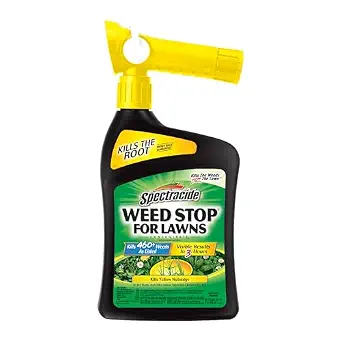 |
| Highest Rated A top-rated pick with lots of positive feedback | Ranger Pro Glyphosate Herbicide Concentrate, 2.5 gal |  |
| Most Popular A crowd favorite that many people choose with confidence | Compare-N-Save 75324 Glyphosate Herbicide, 1-Gallon |  |
| Best Seller A high-volume bestseller chosen again and again | Roundup Weed & Grass Killer4 with Pump 'N Go 2 Sprayer, 1.33 gal |  |
RM43 Total Veg Control Glyph Imazapyr Weed Preventer, 32 oz

| Unit Count | 32 Ounce |
|---|---|
| Item Form | Spray |
| Coverage | 4324 square foot |
| Active Ingredients | surfactant |
This RM43 Total Veg Control is a concentrated spray formulation intended for clearing and preventing vegetation where no plants are wanted. It pairs glyphosate with imazapyr and a surfactant to kill roots and prevent regrowth, making it suitable for fence rows, around buildings, vacant lots and other noncrop areas. The 32-ounce bottle makes up to five gallons of spray solution for spot treatments and the label claims coverage up to about 4,324 square feet, with treated areas becoming rainfast in roughly two hours and no entry restrictions after drying. Practical benefits are strong long-term control of persistent weeds and vines like morning glory when applied carefully to target plants and nonplant surfaces. Important limitations are that this product is nonselective and must not be used where desirable plants or tree root zones could be affected, and it requires careful mixing and application to avoid drift. It is best used by someone comfortable with herbicide handling and following label safety directions.
Best for: Gardeners and property owners who need a reliable, long-term solution for clearing and preventing aggressive vines and weeds from noncrop areas and who follow label directions for safe herbicide use.
Less Ideal for: Home gardeners who need selective control near desirable plants, or anyone unwilling to take precautions for safe handling and application.
- Combination of glyphosate and imazapyr gives strong root-killing and long-term vegetation prevention
- Concentrated 32 oz bottle mixes into up to five gallons for multiple spot treatments
- Rainfast within about two hours with no entry restrictions after spray has dried
- Label claims coverage up to 4,324 square feet for treating noncrop areas
- Nonselective formula can damage desirable plants and tree root zones if misapplied
- Requires careful mixing and application to avoid drift and off-target injury
Verdict: Use this concentrated glyphosate+imazapyr formula when you need decisive, long-lasting control of morning glory and other persistent weeds in areas where no vegetation is wanted.
Corteva Agriscience Remedy Herbicide

| Manufacturer | Corteva Agriscience |
|---|---|
| Part Number | Remedy |
| Coverage | 1 acre |
Corteva Remedy is a concentrated systemic herbicide designed for broad control of woody plants and broadleaf weeds across rangeland, permanent grass pastures, fence rows, and similar noncropped areas. It is typically mixed and applied by ground sprayer to target perennial vines and tough broadleaf species; the product notes coverage of roughly one acre per container. Notable features include its label directions for use on nonirrigation ditch banks and conservation reserve program acres and manufacturer guidance to wear protective equipment during application. In practice Remedy provides long‑lasting control of deep‑rooted weeds when applied correctly and at the labeled rates, making it a strong option for users who need reliable elimination of tenacious species. Important limitations are that it is intended for noncrop areas only and requires proper protective gear and handling; it is not a ready‑to‑use garden product and will need calibration of spray equipment. Users should follow all label directions to avoid off‑target damage and legal restrictions on treated acreage.
Best for: Buyers who prioritize strong, long‑term control of persistent broadleaf weeds and woody vines on agricultural or unmanaged grassland areas and who are comfortable handling concentrated herbicides and spray equipment.
Less Ideal for: Home gardeners wanting a spot treatment for ornamental beds or container plants or users who prefer pump‑spray ready formulations and minimal protective equipment requirements.
- Systemic formulation targets woody plants and perennial broadleaf weeds for deeper control
- Labelled for large areas including rangeland, pastures, fence rows, and CRP acres
- Covers approximately one acre per container, useful for property‑scale treatments
- Clear safety and use directions for nonirrigation ditch banks and conservation areas
- Not formulated as a ready‑to‑use product and requires spray equipment and mixing
- Intended only for noncrop areas so it is unsuitable for ornamental beds or vegetable gardens
Verdict: Choose Remedy when you need a professional‑strength systemic herbicide to reliably eliminate morning glory and other persistent broadleaf vines across pasture or noncrop acreage.
Spectracide Weed & Grass Killer Concentrate, 40 fl oz

| Unit Count | 40 Fluid Ounces |
|---|---|
| Item Form | Spray |
| Coverage | 1200 square feet |
| Liquid Volume | 40 fluid ounces |
Spectracide Weed & Grass Killer Concentrate is a non-selective herbicide designed for spot treatments on driveways, patios, walkways and around foundations where morning glory and other broadleaf vines appear. You mix the concentrate with water and apply with a tank sprayer to fully coat foliage; the formula is rainproof after about 15 minutes and often shows visible dieback in as little as three hours. The product kills down to the root so follow-up regrowth is less likely than with contact-only sprays, and treated areas can be replanted after roughly 24 hours. Important practical notes are safety and placement: avoid drift onto desirable plants and do not use near edible crops, and do not disturb treated vegetation for seven days. It is best used as a targeted spot-control tool rather than a broadcast lawn treatment, and it requires basic sprayer equipment and careful handling to protect nearby ornamentals and pets.
Best for: Gardeners who need a fast, reliable spot treatment to stop persistent vines like morning glory on hard surfaces or around landscape beds and who prioritize decisive control over preserving surrounding turf.
Less Ideal for: Those looking for a selective lawn product to remove weeds without harming nearby plants or people who need an all-purpose broadcast solution for large turf areas.
- Non-selective formula that kills both broadleaf weeds and grasses down to the root
- Concentrate form lets you mix only the amount you need for spot treatments
- Rainproof in about 15 minutes so results are not easily washed away
- Visible results often within hours and allows replanting after one day
- Requires a separate tank sprayer and careful mixing for accurate coverage
- Not selective so it will damage desirable plants if it drifts or is applied accidentally
Verdict: Choose this concentrate when you want a fast, root-killing spot treatment to remove morning glory and other persistent weeds around paths and beds.
Spectracide Weed Stop for Lawns Concentrate Ready-to-Spray, 32 oz

| Unit Count | 32 Ounce |
|---|---|
| Coverage | 8,000 square feet |
| Item Form | Liquid |
| Active Ingredients | 2,4-D, Mecoprop-P, Dicamba, Sulfentrazone |
Spectracide Weed Stop for Lawns is a ready-to-spray concentrate designed to control a wide range of broadleaf weeds across common turfgrasses. The 32 oz bottle includes a QuickFlip sprayer that connects to a garden hose so you mix and apply without manual measuring, which makes treating large patches fast. The formula is labeled to kill weeds by contact and to reach roots of many species, with visible browning in as little as three hours and control of hundreds of listed weed types. For morning glory specifically, contact activity means you need thorough, direct coverage of vines and foliage for best results and repeat applications may be necessary for extensive, established growth. Important practical limits are that it must be applied when daytime temperatures are between 45 and 90 degrees and it can harm tender turf if misused, so follow label directions and avoid newly emerging zoysiagrass. Overall this product is straightforward for homeowners who want a simple hose-on solution to attack visible morning glory vines in lawns, while heavier infestations may require spot treatments and patience for full eradication.
Best for: Homeowners on a budget who want an easy, no-mixing hose-on product to tackle visible morning glory and other broadleaf weeds across a lawn.
Less Ideal for: Those needing a long‑term systemic solution for deep, widespread morning glory in garden beds or for users who prefer non-chemical control methods.
- QuickFlip hose sprayer for easy connect-and-spray application without measuring
- Visible weed browning in about three hours after application
- Labeled to control over 460 listed broadleaf weed types
- Can be used on common lawn grasses like bluegrass, fescue, Bermuda and perennial ryegrass
- Kills by contact so thorough coverage of morning glory foliage is required and repeat treatments may be needed
- Not safe to apply to zoysiagrass emerging from dormancy and can injure turf if used above recommended temperatures
- Contains strong active ingredients that require keeping people and pets off the lawn until dry
Verdict: A budget-friendly, hose‑on concentrate that gives fast visible control of broadleaf weeds like morning glory when thoroughly sprayed and used as directed.
Ranger Pro Glyphosate Herbicide Concentrate, 2.5 gal

| Unit Count | 320 Fluid Ounces |
|---|---|
| Liquid Volume | 2.5 gallons |
| Item Form | Liquid |
| Active Ingredients | Glyphosate |
| Coverage | Annual |
Ranger Pro is a professional-strength glyphosate concentrate formulated for large-area weed control. You dilute 2 to 3 ounces per gallon of water and apply with standard sprayers to target foliage; the product is non-selective so it kills most exposed plants, including persistent vines like morning glory when sprayed thoroughly. The 41% glyphosate formulation delivers reliable systemic control, which means treated plants typically brown and die back over several days as the active ingredient translocates to roots. Practical benefits include a high-concentration formula that reduces the frequency of trips to refill and a large 2.5 gallon container suited to yards, parks, or contractor use. Important limitations are that it is non-selective and will damage desirable plants on contact, and it requires careful handling and protective gear due to skin and eye irritation warnings. Do not apply on windy days and follow label directions to avoid runoff and off-target damage.
Best for: Gardeners or property managers who prioritize a dependable, professional-strength chemical solution for eradicating persistent weeds and vines across larger areas.
Less Ideal for: Casual gardeners wanting selective control around ornamentals or people unwilling to use protective equipment should choose a more targeted or non-chemical option instead.
- High glyphosate concentration (41%) for effective systemic control
- Large 2.5 gallon volume reduces refill frequency for big jobs
- Dilutable concentrate compatible with standard sprayers for flexible coverage
- Non-selective formula will damage any plant it contacts
- Requires personal protective equipment and careful handling due to irritation risks
Verdict: Choose Ranger Pro when you need a concentrated, professional-strength glyphosate product that reliably kills persistent weeds like morning glory over large areas.
Compare-N-Save 75324 Glyphosate Herbicide, 1-Gallon

| Active Ingredients | glyphosate |
|---|---|
| Liquid Volume | 1 gallons |
| Item Form | Spray |
| Coverage | 25000 square_feet |
This one-gallon concentrate uses glyphosate to provide fast, broad-spectrum control of annual and perennial weeds, including vining species like morning glory when foliage is thoroughly covered. It is mixed with water to make a spray solution; the label recommends 1.5 ounces per gallon for general control and 2.5 ounces per gallon for tougher perennials, and a single gallon of mix covers roughly 300 sq ft. Users report visible yellowing within a few days and full control by about a week when applied on warm, calm days. Because glyphosate is absorbed through leaves and moves to the root, repeat applications are seldom needed for well-sprayed plants. Important practical limits are safety and specificity: this product will kill any green plant it contacts, so careful spot-spraying and protective gear are required, and it has no residual soil activity so it will not prevent future seedling germination. For treating dense morning glory patches this concentrate is cost effective, but it demands careful application to avoid drift onto desirable plants and strict adherence to label safety directions.
Best for: Buyers who prioritize proven, science-backed effectiveness and want a cost-efficient concentrate for knocking back established morning glory patches while following label safety practices.
Less Ideal for: Gardeners who need a selective product to preserve adjacent ornamentals or those unwilling to use protective gear and strict application controls.
- High concentration of glyphosate for effective control of tough annuals and perennials
- Mixable concentrate produces many gallons of spray for large areas, improving cost per square foot
- Translocates to roots so thorough foliar coverage can eliminate established vines
- Works quickly with visible results in 2 to 4 days under recommended conditions
- Nonselective and will damage or kill any green plant it contacts
- Requires careful mixing, protective equipment, and application to avoid off-target damage
- No residual activity so follow-up control may be needed for new seedlings
Verdict: A concentrated, cost-effective glyphosate option for reliably killing established morning glory when applied carefully and to-target.
Roundup Weed & Grass Killer4 with Pump 'N Go 2 Sprayer, 1.33 gal

| Unit Count | 170 Fluid Ounces |
|---|---|
| Item Form | Spray |
| Coverage | 300 Square_Feet |
| Active Ingredients | Triclopyr, Fluazifop-P-Butyl, Diquat Dibromide |
This ready-to-use Roundup kit combines a 1.33 gallon container of Weed & Grass Killer4 with a Pump ’N Go 2 sprayer so you can treat weeds without mixing. The formula targets tough broadleaf weeds and grasses and claims visible decline in hours and rainproofing in as little as 30 minutes. The included extendable wand and continuous-spray function (up to about 10 minutes) make it practical for edging, patios, driveways, mulch beds, and around shrubs when you need targeted spot treatments. It also notes planting can resume within a short window after application depending on the area treated. Important limitations: this is a non-selective chemical control so care is required to avoid desirable plants, and safety precautions are necessary because it can irritate skin and eyes and is harmful if ingested. For someone who prefers a pre-mixed solution and a built-in sprayer, this reduces preparation time, but users should follow label directions closely and keep people and pets away until spray has dried.
Best for: Home gardeners who want a low-effort, pre-mixed contact and systemic herbicide for spot-treating visible vines and weeds without measuring or mixing and who prioritize convenience and predictable results.
Less Ideal for: Gardeners who need selective control inside mixed beds without risk to ornamentals or who prefer organic or non-chemical methods should consider alternative approaches.
- Comes ready-to-use with an integrated Pump ’N Go 2 sprayer so no mixing is required
- Extendable wand and continuous spray allow accurate, hands-free application for up to about 10 minutes
- Produces visible decline of treated weeds within hours and becomes rainproof quickly
- Labels list many common targets including dandelion, crabgrass, poison ivy and broadleaf weeds
- Non-selective herbicide that will damage desirable plants if oversprayed
- Contains active ingredients requiring protective clothing and careful handling
- Not a long-term pre-emergent solution; repeat treatments may be needed for heavy infestations
Verdict: Choose this kit if you want a ready-to-use, pump-sprayer herbicide that delivers fast visible control of common broadleaf weeds and grasses with minimal prep.
Choosing the Right Herbicide for Morning Glory: Key Factors to Consider
Systemic Versus Contact Action
Whether a herbicide is systemic or contact matters because morning glory is a vigorous vine that can regrow from roots and runners. Systemic products are absorbed and translocated through foliage to the root system, increasing the chance of killing the whole plant. Contact herbicides only injure exposed tissues and may require multiple treatments and thorough coverage to prevent regrowth.
Choosing a systemic option is often more effective for established patches, while contact products can work for small seedlings or when minimizing residual soil activity is important. Think about how entrenched the infestation is and whether you need a one‑pass solution or are willing to spot-treat repeatedly.
Residual Soil Activity
Residual activity refers to how long the active ingredient remains available in soil to prevent new seedlings. A herbicide with significant residue can suppress morning glory germination for weeks to months, which is helpful in high-pressure areas like fence lines or bare patches.
However, persistent residues can also limit planting desirable species afterward and increase risk to nearby flower beds. If you plan to replant ornamentals or vegetables, choose a product with short residual life or check label instructions for safe replanting intervals.
Selectivity and Non-Target Risk
Selectivity is how well the herbicide discriminates between weeds and desirable plants. Morning glory often grows intertwined with other plants, so an overly broad non-selective herbicide can damage adjacent ornamentals. Consider how close desirable plants are and whether you can physically separate treated areas.
Look for products with low drift potential, clear label guidance on buffer distances, and options for spot treatment that reduce non-target exposure. Application technique, such as using a shielded wand or applying on calm days, also affects non-target safety.
Application Method and Garden Fit
Herbicides come in many formulations: ready-to-use sprays, concentrates that mix with water, gels for stem painting, and wicking applicators. The right format depends on where morning glory grows in your space. Vines on trellises or fences might be easiest to treat with a spray or wick, while climbing vines among perennials may require a paint-on or gel to avoid drift.
Also consider the equipment you have. If you prefer hand-held trigger bottles for spot work, a product available in RTU bottles will be more convenient than a concentrate requiring mixing and protective gear.
Timing and Speed of Visible Control
Some herbicides show visible wilting within hours, while others take days to translocate and kill root systems. Fast visible results can be satisfying and make it easier to remove dead vines before they produce more seed. Slower systemic control may be more thorough but requires patience and delayed removal to avoid disturbing residual activity.
Plan treatments according to the growth stage of morning glory. Treat actively growing plants for best uptake, and avoid applications just before heavy rain that could reduce foliar absorption.
Safety Precautions and Label Requirements
Every herbicide has use directions and safety requirements that affect how and where you can apply it. Personal protective equipment, re-entry intervals, and permitted application sites are common label elements. Some active ingredients restrict use near edible plantings or water features.
Follow label instructions closely. If you garden with children, pets, or pollinator-friendly plantings, choose products with lower human and pollinator toxicity and apply when pollinators are least active.
When to Use Spot Treatment Versus Blanket Application
Spot treatment is the preferred approach when morning glory is limited to isolated vines or when desirable plants sit close by. Using a targeted applicator or a paint-on gel reduces drift and limits soil residue in the surrounding area. For small patches, careful spot applications usually control vines while preserving nearby ornamentals.
Blanket or broadcast applications are typically reserved for large, open areas where non-target damage is not a concern, such as fence lines, driveways, or agricultural margins. These use cases benefit from products with residual suppression to reduce reseeding, but you must accept the tradeoff of reduced planting flexibility afterward.
- Spot treatment minimizes non-target risk and soil residue
- Broadcast control is faster for extensive infestations but limits replanting options
- Choose calm weather and follow label buffer guidance to protect nearby plants
Non-Chemical Practices to Reduce Reliance on Herbicide
Integrating cultural controls reduces repeated chemical use. Hand-pulling is effective on small patches, but you must remove all root fragments and seed heads to prevent regrowth. Smothering with mulch or landscape fabric can suppress seedlings and slow the spread when combined with periodic hand removal.
Improving plant competition also helps. Densely planted ground covers or vigorous perennials shade soil and make it harder for morning glory seedlings to establish. Regular maintenance and removing seed-producing vines before they set seed cut down the long-term seed bank and reduce the need for herbicide.
- Pull or cut vines before seed set to reduce spread
- Use mulch and dense planting to limit seedling establishment
- Combine cultural methods with selective herbicide use for persistent patches
Application Timing and Weather Considerations
Apply herbicide when morning glory is actively growing and not stressed by drought or extreme heat so the plant translocates the active ingredient effectively. Early morning to late afternoon on calm, dry days gives the best foliar uptake and minimizes drift.
Avoid treatments if rain is expected within 24 hours unless the product label indicates rainfast timing. Windy conditions increase drift risk and non-target damage, so choose still days and consider shielded wands for spot applications.
- Treat actively growing vines for best uptake
- Check rain and wind forecasts to protect efficacy and nearby plants
- Follow label guidance for rainfast periods and reapplication intervals
Disposal, Replanting, and Aftercare
Disposing of treated plant material and leftover mixed solution safely is part of responsible herbicide use. Remove dead vines to prevent them from creating a mulch that might re-root or hide new seedlings. Composted treated plant material can be problematic depending on the active ingredient and should be handled per label instructions.
Plan replanting based on residual activity. Some products permit replanting annuals or perennials within weeks, while others require longer waiting times. Soil testing is rarely needed for small garden uses, but read instructions before introducing sensitive plants back into treated areas.
- Follow label disposal instructions for containers and leftover mixes
- Remove dead vines when appropriate to reduce reseeding
- Wait the recommended interval before replanting sensitive species
Minimizing Impact on Pollinators and Beneficials
Many flowering plants near morning glory attract pollinators, so protect pollinator health by avoiding broadcast spraying during bloom and applying treatments when pollinators are least active. Use spot treatments and avoid applying to flowers, nectar sources, or plants that support beneficial insects.
Select application methods that reduce drift and choose times of day when bees and butterflies are not foraging. If possible, treat non-flowering growth and delay applications until after bloom or when plants are dormant.
- Avoid spraying during bloom and use spot treatments where possible
- Apply when pollinators are inactive, such as early morning or late evening
- Use mechanical controls first in pollinator-rich beds
How We Chose the Best Herbicide for Morning Glory
We evaluated herbicides for morning glory using criteria that reflect real garden outcomes and safety concerns. Key evaluation dimensions included spectrum of control and systemic reach, because morning glory is a vigorous vine that often needs translocated activity to kill roots and runners. We assessed persistence in soil and residual activity to gauge how long treated areas stay free of new seedlings. Application flexibility and formulation mattered next, since homeowners may prefer ready-to-use sprays, concentrates for backpack sprayers, or spot‑treatment pens. We examined safety and non-target impact, including drift risk and selectivity near ornamentals. Finally, we considered speed of visible control and re-treatment intervals to help gardeners plan timing. Products were excluded if they lacked labeled use on morning glory or if the formulation was clearly unsuitable for typical garden application (for example, large-scale agricultural mixes only). We prioritized options with clear instructions for spot treatment, labeled safety precautions for desirable plants, and evidence of systemic activity appropriate for persistent vining weeds. These criteria align with the scoring metrics used across each entry.
FAQ
Will a single treatment usually kill established morning glory?
It depends. Systemic herbicides can often kill established vines with a single thorough application, but severely rooted or very large infestations may need follow-up treatments. Contact products usually require repeated applications.
Can I apply herbicide near vegetables and annual flower beds?
That usually depends on the product label and residual life. Many herbicides restrict use near edible crops or require a waiting period before replanting. Choose low-residue options or spot-treat to reduce risk to vegetables and flowers.
How long after treatment should I remove dead morning glory vines?
Wait until plants are fully browned and brittle to reduce the chance of resprouting and to ensure systemic action has finished. Removing material too early can interrupt translocation and reduce effectiveness.
Is it safe to use herbicide around desirable shrubs and perennials?
Often yes, if you use spot-application methods and avoid drift, but you must follow label precautions. Shielded applicators, paint-on gels, or wicks minimize non-target contact near shrubs and perennials.
What is the best time of year to treat morning glory?
Treat in the active growing season when vines are putting on new growth, typically spring through late summer. Fall applications can work if plants are still translocating carbohydrates to roots, but very late-season treatments may be less effective.
Will treated plant material go into my compost pile?
Composting treated plant material depends on the active ingredient and label guidance. Some products advise against composting treated vegetation because residual herbicide can persist. Check instructions before adding treated plant matter to compost.
Final Verdict
Choosing the right herbicide for morning glory means balancing the need for thorough, systemic control with the desire to protect nearby plants and pollinators. Prioritize systemic action and an application format that fits the infestation size and garden layout. If replanting or working near ornamentals, opt for products with short residual activity or use precise spot treatments. By matching control method to site conditions and following label directions, you can reduce regrowth while keeping non-target risk low.
