

Note: This article contains affiliate links. If you click on these links and make a purchase, I may earn a small commission at no extra cost to you. This helps support my research and content. Read my full affiliate disclosure here.
Aloe vera needs a potting mix that dries out between waterings, resists rot, and still supplies enough nutrients for steady growth. Choosing the right potting soil matters because a poorly drained mix invites root disease, while an overly sterile mix can leave plants starved. This guide covers seven top potting soils for aloe vera, shortlisted for real garden and indoor conditions. We evaluated mixes for drainage, aeration, and nutrient balance so you can pick the right substrate for pots, windowsills, or small container gardens. Below you will find practical notes on performance and the factors that matter most when growing aloe in containers.
Top Picks at a Glance
| Best Overall The best all-around choice for most situations | Rosy Soil Cactus & Succulent Potting Mix, 4 Quart |  |
| Best Quality Built to a higher standard if you want something more solid | Back to the Roots Organic Succulent & Cacti Soil, 6 Quart |  |
| Best Value The sweet spot between price and what you get | Espoma Organic Cactus Potting Soil Mix, 4 qt |  |
| Best Budget The cheapest option that still gets the job done reliably | Doter Aloe Vera Potting Soil Mix, 1 qt |  |
| Highest Rated A top-rated pick with lots of positive feedback | Happy Trees Premium Cactus & Succulent Potting Soil Mix, 8 qt |  |
| Most Popular A crowd favorite that many people choose with confidence | Miracle-Gro Indoor Potting Mix for Cactus & Succulent, 8 qt. (2-Pack) |  |
| Best Seller A high-volume bestseller chosen again and again | Miracle-Gro Succulent Potting Mix, 4 qt. |  |
Rosy Soil Cactus & Succulent Potting Mix, 4 Quart

| Unit Count | 64 Ounce |
|---|---|
| Item Type Name | Soil |
| Ingredients | Biochar, Pumice, Mycorrhizae, Sand, Pine Bark Fines, Compost |
| Style Name | Cactus & Succulent |
This 4 quart Rosy Soil cactus and succulent mix is built for houseplants that need fast drainage and an airy root zone. The bagged blend combines biochar, pumice, sand, pine bark fines, and compost to create a chunky texture that resists compaction and helps excess water move away from roots. It also includes mycorrhizae and worm castings to introduce beneficial microbes that support nutrient uptake without synthetic fertilizers. Typical use is repotting or topping off aloe vera, jade, snake plant and other drought-tolerant indoor succulents; one bag is sized to refresh a couple of small to medium pots. The peat-free formula reduces moisture retention compared with peat-heavy mixes and the resealable bag keeps the soil usable between sessions. Be mindful that a 4 quart bag covers only a few plants, so you may need multiple bags for larger collections, and the mix can be dust-prone when pouring so work in a ventilated spot and avoid skin or eye contact. For growers who value a sustainable, fast-draining medium with live amendments, this is a practical choice.
Best for: A balanced indoor gardener who wants an easy, reliable potting medium for aloe vera and other succulents and values live amendments and sustainable ingredients.
Less Ideal for: Large outdoor beds or growers who need bulk volumes for many pots are better served by larger commercial mixes or garden-grade blends.
- Chunky, fast-draining texture that prevents potting soil compaction
- Contains beneficial amendments (mycorrhizae and worm castings) to support root health
- Peat-free formula that reduces excess moisture retention and is more eco-friendly
- Resealable bag keeps remaining soil fresh between uses
- Small 4 quart volume means multiple bags are needed for larger collections
- May create dust when pouring so protective precautions are advisable
Verdict: A convenient peat-free, microbe-enhanced chunky mix that makes repotting aloe vera and other succulents simple and low-risk for overwatering.
Back to the Roots Organic Succulent & Cacti Soil, 6 Quart

| Item Highlight | Fast-draining cactus and succulent soil; peat-free; made in the USA |
|---|---|
| Item Type Name | Succulents & Cacti Mix 6qt |
| Ingredients | Dolomitic Limestone, Perlite, Horticultural Sand, Aged Bark, Plant Food |
| Manufacturer | Back to the Roots |
This succulent and cacti mix is designed to give aloe vera and other desert plants an environment that encourages strong roots and rapid drainage. It combines aged bark, perlite and horticultural sand to increase aeration and prevent water retention that causes root rot, making it suitable for both indoor pots and outdoor containers. The formula is enriched with plant food and dolomitic limestone so young transplants get an initial nutrient boost and pH buffering. In practice the bag is easy to work with when repotting small to medium aloe plants and it reduces the need to amend with extra grit for typical houseplant pots. Limitations: the 6 quart size is modest for larger projects and the mix will still benefit from a targeted organic fertilizer after a few weeks for longer term growth. You should also follow basic watering discipline since even well-draining mixes can retain moisture in oversized pots.
Best for: Buyers who prioritize plant performance and want a ready-made, well-draining organic mix to repot aloe vera and other succulents with minimal tweaking.
Less Ideal for: People replanting many large specimens or filling large raised beds who need bulk volumes or a heavier soil that holds more moisture.
- Fast-draining blend with perlite and horticultural sand reduces risk of root rot
- Aged bark improves aeration and supports healthy root structure
- Enriched with plant food and dolomitic limestone for initial nutrients and pH buffering
- Peat-free organic formula made in the USA
- 6 quart bag is small for multiple or large repots
- Will need supplemental fertilizer after established growth for best long-term results
Verdict: Choose this mix if you want a performance-focused, ready-to-use organic soil that promotes fast drainage and strong root development for aloe and other succulents.
Espoma Organic Cactus Potting Soil Mix, 4 qt

| Unit Count | 128 Ounce |
|---|---|
| Included Components | Espoma Organic Cactus Potting Soil Mix |
| Brand Name | Espoma |
| Volume | 4 quarts |
Espoma Organic Cactus Potting Soil Mix is a pre-blended organic medium designed for succulents, cacti and other container plants like aloe vera. It combines sphagnum peat moss, humus and perlite to keep the mix light and well-draining, and includes a mycorrhizal inoculant to support root development. Use it when potting or repotting aloe in containers to reduce water retention around roots and lower risk of rot. The 4 quart bag is convenient for small pots and quick top-ups, and the organic ingredients mean no synthetic fertilizers are mixed in. Because it is a peat-based mix it will compress over time and may require occasional re-potting or amendment with fresh mix or extra perlite for larger plants. Also the small bag size means multiple purchases are needed for several pots or larger containers. For routine aloe care this mix delivers the airflow and drainage those plants need while keeping maintenance simple for practical gardeners.
Best for: Buyers who want a low-fuss, organic potting mix that reliably provides the drainage and root support aloe vera needs when potting or repotting individual containers.
Less Ideal for: People planting many large pots or filling garden beds who need bulk soil or a non-peat, coconut-coir based mix should consider larger-volume or alternative products.
- Formulated for succulents and cacti to provide good aeration and drainage
- Contains perlite and humus for light structure and improved root environment
- Includes mycorrhizae to encourage healthier root growth
- Organic ingredients with no synthetic fertilizers included
- Peat-based mix can compact over time and may need refreshing or extra perlite
- 4 quart bag is small for multiple or large containers
Verdict: A compact, organic cactus mix that gives aloe vera the quick-draining, root-friendly medium needed for healthy container growth.
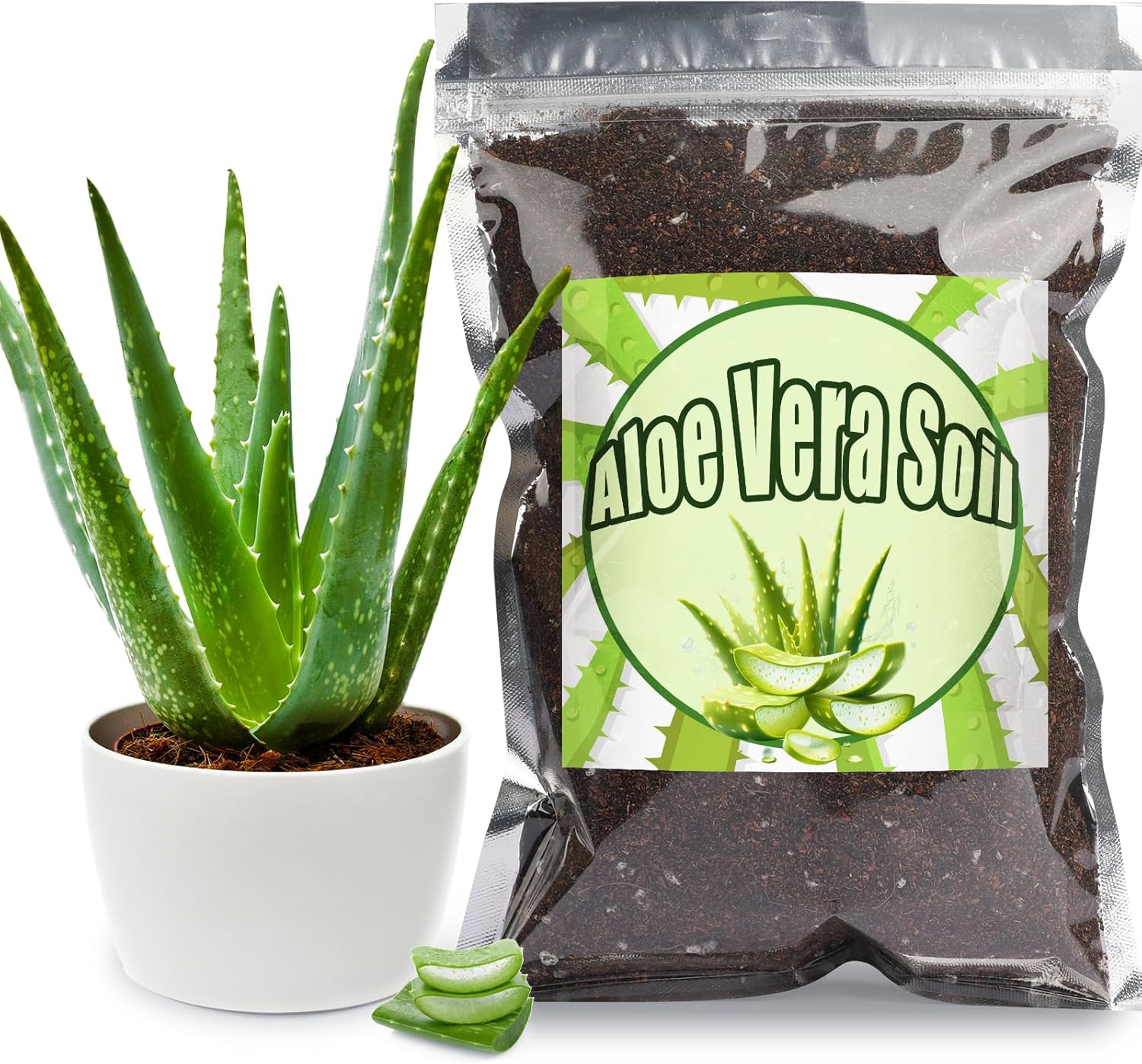
Doter Aloe Vera Potting Soil Mix, 1 qt
| Brand Name | Doter |
|---|---|
| Item Type Name | Garden soil |
| Volume | 1 quarts |
| Manufacturer | Doter |
This 1 quart Doter mix is made for planting and repotting aloe vera and other succulents that need fast-draining, airy soil. The formula emphasizes good drainage and aeration to reduce the risk of root rot, and includes nutrient-rich components and a balanced pH to support steady leaf growth and root development. In practice the mix works well for seedlings, small pots, and topping off containers where you want better airflow around roots than standard potting soil provides. Because it is pre-formulated you skip blending perlite or pumice for basic use, which saves time for casual gardeners. The main limitation is volume: the 1 qt bag is convenient for small projects but you will need multiple bags for larger pots or many plants. Also the listing does not give a full ingredient breakdown or long-term feeding plan, so plan to supplement with fertilizer over the growing season for larger specimens.
Best for: Gardeners seeking an inexpensive, ready-to-use soil for potting or refreshing small aloe vera plants and other succulents who want to avoid mixing their own media.
Less Ideal for: People potting many plants, filling large containers, or those who need a specified ingredient list for custom blends should look for bulk mixes or component materials.
- Formulated for succulents with emphasis on drainage to help prevent overwatering issues
- Pre-mixed nutrients and balanced pH suitable for establishing seedlings and small plants
- Good aeration that promotes healthy root growth and reduces compaction
- Small 1 quart volume limits use to a few pots or for top-dressing larger containers
- No full ingredient proportions or long-term fertilization guidance provided
Verdict: A low-cost, ready-to-use potting mix that gives aloe vera and other succulents good drainage and aeration for small pots and quick projects.
Happy Trees Premium Cactus & Succulent Potting Soil Mix, 8 qt

| Brand Name | Happy Trees Hemp |
|---|---|
| Item Highlight | Professional Mix for Agaves, Aloes, Echeverias, Euphorbias and cacti |
| Volume | 8 quarts |
| Style Name | Standard |
This Happy Trees cactus and succulent mix is built to give aloe vera and other dryland plants the drainage and airflow they need. The ready-to-use blend combines pumice, lava rock, coarse sand, fir bark fines, and biochar to create a coarse, mineral texture that sheds excess water quickly while still holding enough moisture for shallow roots. Typical uses include repotting aloe vera, filling nursery pots, top-dressing containers, or blending into heavier garden soils to improve porosity. Practical benefits are consistent batch quality, peat-free formulation that avoids compaction, and components that help roots breathe and resist rot. Because it is coarse and fast-draining, you may need to water a bit more frequently than with standard potting soils, and it is not designed to supply significant nutrients so plan regular light fertilization. For growers who prioritize predictable drainage and root health for aloes, this mix performs exactly as intended.
Best for: Gardeners who want a dependable, purpose-built medium to prevent root rot and ensure consistent drainage for aloe vera and other succulents.
Less Ideal for: People seeking an all-in-one potting soil rich in nutrients or moisture-retentive mixes for moisture-loving houseplants should choose a different product.
- Formulated with pumice, lava rock and coarse sand for rapid drainage and aeration
- Peat-free, coarse texture reduces compaction over time
- Ready to use straight from the bag for easy repotting and mixing
- Includes biochar which improves porosity and can support root health
- Contains little inherent nutrient content so regular fertilization is required
- Fast-draining mix can dry out quickly in small pots or hot conditions
Verdict: Choose this mix when you need a reliable, fast-draining substrate that protects aloe vera roots from overwatering and compaction.
Miracle-Gro Indoor Potting Mix for Cactus & Succulent, 8 qt. (2-Pack)

| Item Highlight | Fast-Draining Cactus and Succulent Potting Mix with Plant Food |
|---|---|
| Number of Packs | 2 |
| Included Components | 2 bags |
| Ingredients | Sphagnum Peat Moss, Sand, Perlite |
This two-pack of Miracle-Gro Indoor Potting Mix is a ready-made soil blend designed to give succulents, cacti and other desert-type houseplants a fast-draining root environment. The mix combines sphagnum peat moss, sand, perlite and forest products so water moves through quickly and roots are less likely to sit in moisture. It is sold in 8-quart bags and is pre-enriched with Miracle-Gro plant food so newly potted plants get an initial nutrient boost. For repotting aloe vera, the blend makes potting simple: choose a pot with drainage, fill, set the plant and water through. Practical benefits include easy use with no on-site mixing, reliable drainage for plants that prefer drier conditions, and a nutrient start that can reduce the need for immediate fertilizing. Limitations are that it is a generic cactus/succulent mix so gardeners who prefer fully organic or custom blends will miss specific amendments, and its nutrient content means you should follow feeding guidance rather than adding extra fertilizer immediately.
Best for: A gardener who wants a dependable, no-mix soil for repotting aloe vera and other succulents and values easy setup and reliable drainage.
Less Ideal for: Growers who prefer to craft their own specialty blends, use strictly organic amendments, or need a soil formulated for moisture-loving or heavy-feeding plants.
- Fast-draining formula (peat moss, sand, perlite) suited to succulents and cacti
- Comes pre-enriched with plant food to give newly potted plants an initial nutrient boost
- Ready-to-use bags eliminate the need to mix components at home
- Two 8-quart bags provide enough mix to repot multiple small aloe vera plants
- Not a custom or fully organic mix, so those wanting organic-only ingredients may be disappointed
- May require follow-up feeding schedule once the initial plant food is used up
Verdict: A convenient, fast-draining pre-fertilized potting mix that makes repotting aloe vera and other succulents quick and reliable.
Miracle-Gro Succulent Potting Mix, 4 qt.

| Unit Count | 128 Ounce |
|---|---|
| Volume | 4 quarts |
| Style Name | Succulent |
| Ingredients | Sphagnum Peat Moss, Processed Forest Products, Fertilizer, Wetting Agent |
This 4 qt. Miracle‑Gro Succulent Potting Mix is designed for indoor succulents such as aloe vera and small cacti. The bagged mix combines sphagnum peat moss, processed forest products, a wetting agent, and built‑in Miracle‑Gro plant food to create a light, fast‑draining medium suitable for repotting or starting plants in containers with drainage. Typical use is straightforward: fill an 8‑inch pot about one third full, place the plant, top up with mix, and water to let it drain. The premixed fertilizer and wetting agent save time for gardeners who prefer a ready‑to‑use substrate, and the stated coverage—one bag fills an 8‑inch container—makes planning easier. Limitations to note are the small 4 qt. volume, which is only enough for a single medium pot, and the peat‑based formula may compact over multiple years so repotting or amendment is recommended every couple of years. For cautious buyers this product reduces guesswork but expect to supplement or replace for larger plantings.
Best for: Buyers who want a low‑risk, ready‑to‑use potting mix for indoor succulents and prefer a product that includes built‑in fertilizer and clear planting guidance.
Less Ideal for: Gardeners repotting many plants at once or those who avoid peat‑based products for environmental reasons should consider larger or alternative mixes.
- Formulated specifically for succulents and cacti, suitable for aloe vera and similar indoor plants
- Includes Miracle‑Gro plant food for initial nutrition
- Lightweight, fast‑draining peat and processed forest product blend
- Ready to use straight from the bag with simple potting instructions
- Small 4 quart bag only fills one 8‑inch container so multiple bags are needed for several plants
- Peat‑based mix can compact over time and may require repotting or amendment every two years
Verdict: A convenient, pre‑fertilized potting mix that makes repotting aloe vera and other indoor succulents simple and predictable.
Choosing the Right Potting Soil for Aloe Vera: Key Factors to Consider
Drainage and Dry-Down Speed
Aloe vera thrives when the potting soil sheds excess water quickly and then dries between waterings. Fast drainage prevents water from pooling around the crown and root zone, which is the main cause of rot in aloe. Look for mixes with coarse mineral amendments and a gritty texture that create large pore spaces.
How quickly a mix dries will depend on both the soil and the pot. Terracotta and unglazed ceramic wick moisture away from the soil surface and speed drying, while glazed pots and plastic retain moisture longer. Consider both the mix and container when aiming for the right dry-down rhythm for aloe.
Aeration and Particle Structure
Good aeration means roots get oxygen as well as water. That requires a mix with a range of particle sizes – coarse grit, perlite, pumice, or sharp sand combined with a modest amount of fine organic matter. The coarse fraction keeps channels open and resists compaction, while fine particles hold minimal moisture and support root contact.
Particle stability matters over time. Some mixes compact into a denser mass after repeated wetting and drying cycles, reducing aeration. Prefer blends that use stable inorganic components to maintain structure for several seasons.
Nutrient Balance
Aloe vera is not a heavy feeder, but it does benefit from a baseline of nutrients, especially after repotting or during the growing season. Potting soils for aloe should supply modest, slow-release nutrition or be neutral enough to allow controlled feeding. Too much fresh compost or high-nitrogen mixes will encourage soft, sappy growth and increase water needs.
A balanced mix lets you tailor fertilizer timing. If the soil contains slow-release fertilizer, factor that into your feeding schedule. If the mix is mostly inert, plan a light liquid feed during spring and summer to support leaf growth and recovery after trimming or propagation.
Resistance to Compaction and Long-Term Stability
Compaction reduces drainage and suffocates roots. For aloe, choose a mix designed to resist breakdown as the plant cycles through wet and dry periods. Components like pumice, coarse sand, and perlite retain voids better than peat alone, and they help the mix keep its texture over multiple seasons.
Long-term stability also reduces the frequency of repotting. A stable mix means you can leave mature plants undisturbed longer, which benefits root structure and reduces transplant shock.
Container Suitability and Pot Size
Pot size and material interact with the soil to affect moisture and root development. Shallow pots dry faster and suit compact or young aloe, while deeper pots hold more moisture and may increase root rot risk unless the mix is very free-draining. Choose a mix compatible with the container style you plan to use.
Also consider weight. Inorganic-rich mixes are heavier, which helps stabilize tall rosettes and keeps pots from tipping. Lightweight mixes are easier to move but may dry faster and require more frequent watering.
Why Aloe Vera Prefers Gritty Mixes
Aloe vera evolved in arid climates and favors soils that drain quickly and do not hold continuous moisture. Gritty mixes mimic those native conditions by providing large pore spaces and minimal fine organic matter. This supports firm, healthy roots and reduces the risk of crown or root rot.
A gritty mix also improves oxygen exchange in the root zone. When you water, excess liquid flows through the coarse matrix rather than lingering. That creates a predictable watering cycle gardeners can follow, which is easier to manage for indoor plants that receive less air movement and sunlight.
- Coarse components increase pore space and speed drainage
- Lower organic content reduces prolonged moisture retention
- Easier to spot and treat early signs of root rot
How to Amend a General Potting Mix for Aloe
If you have a standard indoor potting mix on hand, you can tweak it for aloe by adding coarse amendments. Start by mixing in about 30 to 50 percent pumice, perlite, or coarse sand by volume to increase drainage. Avoid fine builder sand which can compact; use sharp sand or horticultural grit instead.
Also reduce the amount of moisture-retentive ingredients like peat moss or coir. For a container planting, combine the amended mix with a light top layer of grit to prevent splash and help soil surface dry faster.
- Aim for a 30 to 50 percent coarse amendment ratio
- Use horticultural-grade grit or pumice rather than fine sand
- Top-dress with small gravel to protect the crown
Repotting Tips and When to Refresh Soil
Repot aloe vera when roots are crowded or the soil no longer drains as quickly as it used to. Signs include persistent wet soil after routine watering and a decline in leaf firmness. When repotting, inspect roots for rot and trim any soft or blackened tissue before placing the plant in fresh, fast-draining mix.
Even a stable mix will gradually shift and accumulate fine particles over several years, so plan to refresh the soil every two to three years for mature plants. Younger, actively growing plants may need repotting more often if they outgrow their pots.
- Check roots when repotting for firm white tissue
- Refresh soil every 2 to 3 years, sooner if drainage declines
- Use slightly larger pots to allow root growth without excess moisture
Watering Practices to Match Fast-Draining Soil
With a quick-draining mix, water thoroughly but infrequently. Allow the top few centimeters of soil to dry before the next watering. Indoor aloes typically need less water than outdoor plants because light levels and air circulation are lower.
Adjust frequency based on season and pot material. In summer, with bright light and warm temperatures, aloe may need more regular watering than in winter when growth slows. Always check the soil moisture rather than following a strict schedule.
- Water deeply, then wait for the topsoil to dry
- Reduce watering in winter or low-light periods
- Use pots with drainage holes to prevent standing water
Fertilizing When Using Low-Organic Mixes
Low-organic, fast-draining mixes often lack long-term nutrients, so a light fertilizing program helps maintain healthy leaf growth. Use a balanced, diluted liquid fertilizer during the active growing season and cut back in fall and winter when growth slows.
If the mix contains slow-release fertilizer, factor that into your schedule and avoid overfeeding. Excess fertilizer in a low-water mix can concentrate salts, so flush the soil occasionally by watering thoroughly and letting excess drain away.
- Feed lightly during spring and summer
- Flush occasionally to prevent salt buildup
- Match fertilizer strength to the inertness of your mix
How We Chose the Best Potting Soil for Aloe Vera
We focused on potting soils that match the moisture and root environment aloe vera prefers. Editorial filters prioritized mixes with explicit drainage improvements such as added coarse sand, pumice, perlite, or grit; formulations labeled for succulents and cacti; and blends that balance a small amount of organic matter with inorganic components to reduce long-term moisture retention. Evaluation criteria included drainage and aeration, nutrient profile and slow-release feeding, particle size and texture, and resistance to compaction or fungal pathogens. We also considered container suitability and ease of repotting for common pot sizes used with aloe. Excluded were generic indoor potting mixes that lack any coarse amendment and any mixes formulated solely for moisture retention or seed starting. Products made the list when they combined fast-draining structure, stable particle mix that resists breakdown, and appropriate nutrient levels for a low-water succulent. That approach keeps the selections useful for gardeners who grow aloe on patios, in bright indoor spots, or in shallow pots.
FAQ
Can I use cactus mix for aloe vera?
Often yes. Many cactus mixes are formulated for fast drainage and low organic content, which suits aloe. Check the mix for coarse mineral components and avoid ones heavy in peat or moisture-retaining additives.
Is perlite or pumice better for drainage?
Both improve drainage, but pumice is heavier and more stable over time, while perlite is lighter and may float when overwatered. Pumice tends to keep structure longer, which benefits long-term aeration.
How much coarse amendment should I add to a standard potting soil?
A good rule is about 30 to 50 percent by volume of coarse amendment such as pumice, coarse sand, or perlite. That ratio significantly improves drainage without removing all nutrient-holding capacity.
Will a soil with slow-release fertilizer harm aloe?
Not necessarily. Slow-release fertilizer can supply steady nutrients, but avoid high-nitrogen charges that encourage soft growth. If using such a mix, reduce supplemental feeding and monitor leaf firmness.
How do I tell if my aloe soil has compacted?
Signs include water pooling on the surface, slow percolation, and a spongy or dense feel when you loosen the soil. If roots appear matted or you detect a musty smell, the mix has likely compacted and should be refreshed.
Final Verdict
For aloe vera, prioritize mixes that drain fast, maintain open pore space, and hold only modest nutrients. Expect tradeoffs: heavier inorganic mixes give long-term structure and stability while lighter mixes are easier to move but may need more frequent watering and feeding. Match your chosen soil to the pot type and watering habits to reduce rot risk and promote firm, healthy leaves. Focus on drainage, particle stability, and appropriate feeding when deciding. That approach leads to reliable, low-maintenance aloe plants suited to indoor or patio settings.
