

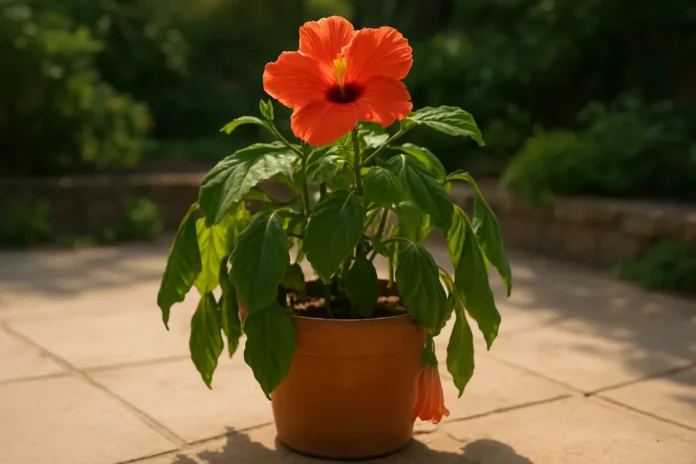
Hibiscus leaves usually droop because the plant is stressed by watering problems, heat, root damage, pests, or a sudden change in conditions. In many cases, the leaves wilt because the roots are not moving water fast enough to support the foliage.
A hibiscus can go from lush and tropical-looking to limp and tired in what feels like a single afternoon. When I see hibiscus leaves drooping, I do not assume it is only thirst. Hibiscus are fast-growing plants with big leaves and showy blooms, so they react quickly when something interrupts water movement through the plant.
In home gardens and on patios across the U.S., the most common causes are uneven watering, intense heat, root stress, drainage issues, pests, and transplant shock. The good news is that drooping is often one of the earliest signs of trouble, which means you usually have time to correct it before the plant declines further.
The key is to match the drooping pattern to the real cause. A hibiscus that perks up in the evening points to a different problem than one that stays limp day and night, and a potted plant behaves differently from one growing in the ground.
What Drooping Leaves Usually Mean on Hibiscus
Drooping means the leaves have lost the firmness that comes from good internal water pressure. Gardeners often call this wilting, but the reason behind it is not always dry soil. Anything that reduces water uptake, damages roots, blocks water movement, or causes excessive moisture loss can make hibiscus foliage hang down.
On hibiscus, drooping may show up as soft limp leaves, leaves hanging from the stems like folded fabric, or whole branch tips that look tired. Sometimes flower buds also droop or fall off. If the leaves are still green and flexible, the issue is often reversible. If they are drooping and turning yellow, brown, or crispy, the stress has likely been going on longer.
- Temporary daytime wilt in hot weather often points to heat or rapid moisture loss.
- Persistent drooping with wet soil often points to root or drainage trouble.
- Drooping with dry soil usually points to underwatering or a root ball that has gone hydrophobic.
- Drooping after moving the plant often points to transplant shock or sudden sun exposure.
- Drooping with sticky leaves, speckling, or webbing can point to pests.
When I diagnose hibiscus wilt, I look at the whole plant before I touch the soil. If only the top growth droops in afternoon sun but looks better by sunset, I lean toward heat stress. If the entire plant stays limp through morning and evening, I start thinking about the roots.
Watering Problems Are the Most Common Cause
Underwatering
Hibiscus are thirsty plants, especially in containers and during summer bloom. If the soil dries too much, the roots cannot supply enough water to those large leaves, and the plant droops fast. This is especially common in black nursery pots, hanging baskets, and decorative containers that heat up in full sun.
A drought-stressed hibiscus usually has dry soil several inches down, lighter-weight pots, and leaves that feel thin or papery. Bud drop is also common. In severe cases, lower leaves may yellow and fall after the drooping episode.
Overwatering
Too much water can cause the same wilted look. When roots sit in soggy soil, they lose access to oxygen and begin to decline. As root function drops, the plant cannot move water upward properly, even though the soil is wet. That is why an overwatered hibiscus can look surprisingly thirsty.
Overwatered plants often have leaves that droop while staying soft and green at first. The pot may feel heavy for days, and the soil may smell stale or sour. If the problem continues, yellowing leaves and root rot can follow.
- Dry soil plus drooping suggests underwatering.
- Wet soil plus drooping suggests overwatering or poor drainage.
- A plant that alternates between bone dry and soaked may droop from both stresses over time.
- Potted hibiscus often need more frequent watering than in-ground plants, but they still need drainage.
If you are unsure whether your hibiscus is too dry or too wet, do not guess by the soil surface. I push a finger down a couple of inches or use a moisture meter near the root zone, because the top can look dry while the lower root area is still saturated.
Heat Stress and Strong Afternoon Sun Can Make Leaves Hang Limp
Hibiscus love warmth, but there is a difference between warm growing conditions and punishing summer heat. During very hot afternoons, especially when temperatures spike or hot wind is blowing, the leaves can lose moisture faster than the roots can replace it. The result is temporary drooping.
This kind of wilt is common in patio pots, plants set against reflective walls, and newly purchased hibiscus that were grown in greenhouse conditions before being placed into full sun. The leaves often droop most in late afternoon, then improve by evening or the next morning once the plant cools down.
- Drooping is worse during the hottest part of the day.
- Soil may still be adequately moist.
- Leaves may recover overnight.
- Plants in containers suffer sooner than those in the ground.
- Dark pots and heat-reflective surfaces intensify stress.
Heat-related drooping does not always mean the site is wrong forever. Sometimes the plant simply needs time to acclimate, more consistent moisture, mulch around the root zone, or a location with morning sun and some relief from harsh afternoon exposure in the hottest regions.
Root Stress Can Keep Hibiscus Wilted Even when You Water Correctly
Poor Drainage and Root Rot
If a hibiscus stays droopy despite regular watering, the roots may be the real issue. Poorly drained pots, compacted garden soil, or saucers that hold standing water can suffocate roots. Once root rot begins, the plant may look wilted all the time because the damaged roots cannot absorb water efficiently.
Root-bound Container Plants
A root-bound hibiscus may also droop quickly because there is too little potting mix left to hold moisture. The plant dries out fast, and water may run down the pot edges without soaking the root ball well. In this situation, the soil can seem wet right after watering, but the center root mass may still be dry.
Transplant Shock
Freshly transplanted hibiscus often droop while the roots reestablish. Digging, repotting, shipping, or planting during hot weather can all disturb the root system. The leaves may sag for several days, and some yellowing or bud drop is common while the plant adjusts.
One pattern I trust is how fast the soil changes after watering. A healthy potted hibiscus uses moisture steadily. If the mix stays soggy for too long, I worry about root decline. If it goes dry again by the next day in a pot that should hold moisture, I check for a packed root ball.
Pests Can Cause Drooping by Draining Plant Fluids
Several common hibiscus pests feed by piercing plant tissue and sucking out sap. Heavy infestations reduce vigor, distort leaves, and can contribute to drooping. This is especially common on plants brought indoors for winter, greenhouse-grown nursery plants, or stressed outdoor plants during hot dry weather.
- Aphids gather on soft tips and buds and can cause curling, sticky residue, and weak growth.
- Spider mites are tiny but destructive, often causing fine speckling, dull leaves, and webbing under foliage.
- Whiteflies cluster beneath leaves and flutter up when the plant is disturbed.
- Mealybugs hide in stems and leaf joints and weaken the plant over time.
- Scale insects can sap energy from stems and leaves, causing general decline.
Pest-related drooping usually comes with other clues. Look for distorted new growth, sticky honeydew, black sooty mold, stippling, or tiny moving insects on the undersides of leaves. A healthy, watered hibiscus with unexplained drooping and poor new growth deserves a close pest inspection.
Cold Snaps, Indoor Moves, and Sudden Changes Can Shock Hibiscus
Hibiscus dislike abrupt environmental shifts. If your plant started drooping after being moved indoors, set outside from a protected area into direct sun, or exposed to a cool night, stress from the change may be the trigger. Tropical hibiscus are especially sensitive to cold temperatures and drafts.
A sudden drop below their comfort range can make leaves droop, yellow, or fall. Likewise, moving a plant from filtered light into blazing sun without a hardening-off period can overwhelm the foliage before the roots adapt. Indoor plants may also droop when placed near heating vents, air conditioners, or dry winter air.
- Recent moves from indoors to outdoors or the reverse
- Cold rain or unexpected chilly nights
- Drafty doorways, vents, and temperature swings indoors
- Immediate exposure to stronger sun than the plant previously received
How to Tell Which Cause Is Affecting Your Hibiscus
The fastest way to solve drooping is to combine soil moisture, timing, and leaf symptoms into one simple diagnosis. Avoid changing everything at once. If you water more, fertilize, spray, and move the plant on the same day, you will not know what actually helped or hurt.
- Check the soil 2 to 3 inches deep, or deeper in larger pots.
- Notice whether the drooping is worst in afternoon heat or constant all day.
- Inspect the pot drainage holes or the planting site for waterlogging.
- Look under leaves for pests, webbing, sticky residue, or distorted new growth.
- Think about any recent changes such as repotting, moving, weather shifts, or missed waterings.
If the plant perks up quickly after a deep watering and the soil was dry, thirst was likely the cause. If it remains limp in wet soil, root stress is more likely. If the plant only droops during high heat but looks normal in the morning, environmental stress is the stronger suspect.
How to Fix a Drooping Hibiscus
Correct Watering Habits
Water thoroughly so the entire root zone is moistened, then let the upper layer begin to dry before watering again. For container plants, water until excess drains out the bottom, and empty saucers so the roots are not left sitting in water.
Improve Drainage
If the potting mix stays soggy or compacted, repot into a loose, well-draining mix. Make sure the container has drainage holes. In the garden, improve heavy soil with organic matter and avoid low spots where water collects.
Reduce Heat Stress
During heat waves, keep moisture more consistent and provide temporary afternoon shade if needed. Mulch helps outdoor plants hold steadier soil moisture and keeps roots cooler. Container plants may need to be moved away from reflective brick, concrete, or dark corners that trap heat.
Treat Pests Promptly
Wash off light infestations with water, then use insecticidal soap or horticultural oil if needed, following label directions carefully. Repeat treatments as required because pests like spider mites and whiteflies often return if only treated once.
Help Transplanted Plants Recover
Keep newly planted or repotted hibiscus evenly moist, protect them from extreme afternoon heat for a short period, and resist heavy fertilizing until you see fresh growth. Recovery is usually judged by healthy new leaves, not by damaged older foliage suddenly looking perfect again.
With a stressed hibiscus, I make one correction first and watch the new growth. If the leaves were damaged by drought, sun, or roots, those old leaves may never look great again. The real sign of success is whether the plant starts producing firm, healthy new foliage.
When Drooping Leaves Are a Sign of a Bigger Problem
Sometimes drooping is just a short-lived response to a hot day. Other times it is an early warning of more serious decline. If your hibiscus stays limp for several days, drops many leaves, develops blackened stems, smells sour at the roots, or fails to respond after watering adjustments, the plant may have significant root damage or advanced stress.
Severe decline is more likely in plants that have been overwatered repeatedly, left in cold conditions, or heavily infested with pests. At that point, treatment may involve repotting, pruning damaged roots or stems, and rebuilding the plant gradually rather than expecting a fast rebound.
How to Prevent Drooping in the Future
Healthy hibiscus stay far more resilient when their care is consistent. Most drooping episodes I see come from extremes, not from a single imperfect watering. The goal is steady moisture, strong roots, and fewer sudden environmental swings.
- Use containers with good drainage and a quality potting mix.
- Water deeply and consistently rather than with frequent light sprinkles.
- Check pots more often during bloom and during summer heat.
- Acclimate plants gradually when moving them into stronger sun.
- Inspect the undersides of leaves weekly for pests.
- Protect tropical hibiscus from chilly temperatures and cold drafts.
- Repot root-bound plants before summer stress peaks.
If you stay ahead of watering swings and root stress, hibiscus are usually quick to reward you. Once conditions are right, they often rebound with fresh green growth and renewed flowering.
FAQ
Should I Water My Hibiscus Immediately if the Leaves Are Drooping?
Only if the root zone is actually dry. Drooping can come from dry soil or waterlogged roots, so watering automatically can make an overwatering problem worse.
Can Hibiscus Leaves Droop From Too Much Sun?
Yes. In very hot regions or during heat waves, strong afternoon sun can cause temporary wilting, especially in potted hibiscus and newly moved plants.
Why Are My Hibiscus Leaves Drooping but Still Green?
Green drooping leaves often point to early stress from watering problems, heat, or root issues before the foliage starts yellowing or browning.
Will Drooping Hibiscus Leaves Recover?
Often they do if the cause is corrected quickly. Mild heat wilt and short-term dryness usually improve fast, while damaged older leaves may still drop even after the plant recovers.
Do Potted Hibiscus Droop More Easily than In-ground Plants?
Yes. Containers dry out faster, heat up more quickly, and can also stay too wet if drainage is poor, so potted hibiscus show stress sooner.
Can Root Rot Cause Drooping Even when the Soil Is Wet?
Yes. Rotting or suffocated roots cannot absorb water properly, so the plant wilts even though there is plenty of moisture in the pot or soil.
Why Did My Hibiscus Droop After I Repotted It?
Repotting can disturb roots and cause temporary transplant shock. The plant usually improves as long as the new pot drains well and the moisture level stays even.
Still troubleshooting a stressed hibiscus? Read our complete hibiscus care and treatment guide to choose the right watering tools, potting mix, and pest controls before the plant declines further.
