

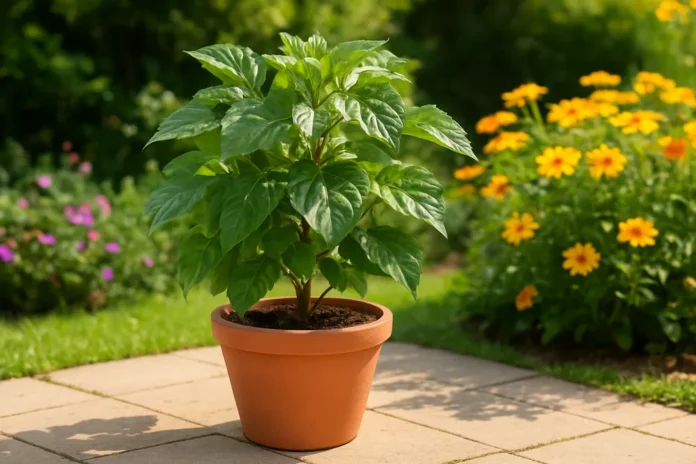
A hibiscus usually stops blooming because it is not getting enough sun or because stress is pushing it into leaf growth instead of flower production. Overfeeding, improper pruning, temperature swings, pests, and inconsistent watering can also reduce or stop blooms.
Few plants make a bigger summer statement than a hibiscus with no blooms, which is exactly why it is so frustrating when yours looks healthy enough but never opens a flower. In my experience, hibiscus is generous when its basic needs are met, but it can also be surprisingly picky about sunlight, pruning timing, and steady care.
The good news is that a non-blooming hibiscus usually gives you clues. A plant with lots of lush green leaves often points to too much nitrogen or not enough sun. Sparse growth, dropping buds, or yellowing leaves can suggest watering stress, root problems, pests, or temperature issues. Once you match the symptom pattern to the cause, hibiscus bloom problems are often fixable within the same growing season.
Whether you are growing tropical hibiscus in a patio pot or a hardy hibiscus in the ground, the main goal is the same: give the plant enough energy and stability to shift from survival mode into flowering mode.
Not Enough Sun Is the Most Common Reason
If I had to bet on one reason a hibiscus is not blooming, I would start with light. Hibiscus is a sun-loving plant, and most varieties need at least 6 hours of direct sun a day to bloom well. Tropical hibiscus often performs best with even more, especially morning to early afternoon sun.
A plant in bright shade can still grow leaves and look fairly healthy, which is why this problem gets missed so often. But flower production takes more energy than leaf production. When light is limited, hibiscus usually chooses survival and foliage over buds.
- Plants that are tall, green, and leafy but produce few or no buds often need more sun.
- Container hibiscus on covered porches or under deep eaves may look protected but can be light-starved.
- Beds near trees, fences, or fast-growing shrubs can become too shady over time.
When I am diagnosing a shy hibiscus, I pay attention to where the sun actually hits the plant in midsummer, not where I assume it does. I have seen many hibiscus get only two or three strong hours because nearby trees leafed out more than expected.
If lack of sunlight is the issue, move potted plants gradually into brighter conditions over a week or two so the leaves do not scorch. For in-ground hibiscus, selective pruning of surrounding plants may be enough. Once light improves, blooming often picks up on the next round of growth rather than overnight.
Too Much Nitrogen Can Push Leaves Instead of Flowers
A hibiscus that looks vigorous but refuses to bloom may be getting too much nitrogen. This is a classic issue when the plant is fed with lawn fertilizer, high-nitrogen all-purpose plant food, or frequent doses of rich compost and manure. Nitrogen drives leafy growth, which is useful early on, but too much can suppress blooming.
This matters most with tropical hibiscus in containers, because regular feeding is often necessary, but the fertilizer balance has to be right. A bloom-supporting fertilizer should not be excessively high in nitrogen. You want enough nutrients to support growth and flowering, not a nonstop flush of soft green stems.
- Very dark green leaves with lots of new shoots but no flowers can indicate overfeeding.
- Fertilizer spikes and lawn runoff sometimes feed nearby hibiscus more than expected.
- Hardy hibiscus in rich beds may need less fertilizer than gardeners think.
If you suspect fertilizer imbalance, back off the feeding schedule and switch to a product formulated for flowering plants or hibiscus. Follow label directions carefully. More fertilizer does not mean more flowers, especially with this plant.
Pruning at the Wrong Time Removes Flowering Wood
Improper pruning is another big reason hibiscus does not bloom, though the details depend on the type you are growing. Tropical hibiscus blooms on new growth, so light shaping at the right time can encourage branching and more flowers. But repeated pinching, heavy shearing, or pruning too late can delay blooming because the plant must rebuild before it can set buds.
Hardy hibiscus also blooms on new growth, but many gardeners get impatient in spring because it emerges late. If you dig around it, cut too aggressively, or damage new shoots, you can set the plant back. In both cases, pruning stress can buy you leaves when what you wanted was flowers.
- Frequent tip pruning in summer encourages growth but may keep removing potential bud sites.
- A hard cut right before peak bloom season often delays flowering by several weeks.
- Confusing winter dieback on hardy hibiscus with a dead plant can lead to accidental damage.
If a hibiscus needs shaping, I prefer to do it early in the active growth period and then leave it alone. Constant trimming gives you a tidy plant, but it often comes at the cost of flowers.
Watering Stress Interrupts Bud and Flower Production
Hibiscus likes consistent moisture, but not soggy roots. When the soil swings between bone dry and waterlogged, the plant often responds by dropping buds, slowing growth, or refusing to bloom at all. Tropical hibiscus in pots is especially prone to this because containers dry out fast in heat and wind.
Underwatering limits the plant's ability to support large, short-lived flowers. Overwatering is just as damaging because oxygen-starved roots cannot function properly. In either case, the plant reads the situation as stress and cuts back on flowering first.
- Wilting in the afternoon that recovers by evening can point to dry roots or intense heat stress.
- Yellow lower leaves, sour-smelling soil, or a heavy pot that stays wet too long suggest overwatering.
- Bud drop often happens after a plant goes too dry and then gets drenched.
Aim for evenly moist soil. In containers, water thoroughly until excess drains out, then wait until the top layer begins to dry before watering again. In garden beds, deep watering is better than frequent shallow sprinkles because it encourages stronger roots and steadier moisture.
Pot Size and Root Stress Matter More Than Many Gardeners Realize
A hibiscus can struggle to bloom if its roots are under stress. In a pot, that may mean the plant is badly rootbound, drying out too fast, or sitting in exhausted old potting mix. In the ground, compacted soil or poor drainage can create similar problems.
Some mild root snugness can encourage flowering in certain container plants, but severe crowding does the opposite. If roots circle densely around the pot, the soil dries almost immediately after watering, and growth has stalled, the plant may not have the resources to support blooms.
- Roots coming out of drainage holes can mean it is time to check the root ball.
- A pot that needs water once or twice a day in moderate weather may be too small.
- Soil that has shrunk away from the pot edges can become hard to rewet evenly.
Repot only one size up rather than jumping to a huge container. Too much extra soil can stay wet for too long. Use a loose, well-draining potting mix, and make sure the container drains freely.
Temperature Swings and Seasonal Timing Can Delay Blooms
Hibiscus is sensitive to temperature, especially tropical types. Cool nights, sudden heat waves, strong wind, and abrupt moves between indoor and outdoor conditions can all delay flowering or cause buds to drop. A healthy-looking plant may simply be waiting for steadier warmth.
Tropical hibiscus really prefers warm conditions and can sulk when temperatures stay cool, particularly below about 50 to 55 degrees Fahrenheit at night. Hardy hibiscus tolerates colder climates, but it naturally blooms later in the season than many gardeners expect. Sometimes the issue is not failure, but timing.
- Newly moved patio plants often pause before blooming while they adjust.
- Air conditioning vents, reflected heat, or windy corners can stress container hibiscus.
- Hardy hibiscus may not hit its stride until midsummer or later, even when healthy.
If your hibiscus has good foliage and no obvious health problems, patience may be part of the solution. Once stable warm weather settles in, bloom production often improves noticeably.
Pests Can Drain Energy Before Flowers Form
Hibiscus is attractive not just to gardeners, but also to pests. Aphids, spider mites, whiteflies, thrips, and mealybugs can all weaken the plant enough to reduce or stop flowering. Some feed directly on tender buds, while others sap energy from leaves and stems.
Spider mites are especially common on stressed hibiscus in hot, dry conditions. The plant may lose vigor before you notice fine webbing or stippled leaves. Thrips and aphids often gather around buds and new growth, which can lead to distorted flowers or buds that never open.
- Look under leaves for tiny pests, sticky residue, or pale speckling.
- Check buds for deformities, browning, or insects clustered near the stem tips.
- Indoor overwintered hibiscus often carries pests back outside in spring.
I rarely trust a quick glance with hibiscus pests. I like to inspect three places: the undersides of middle leaves, the newest soft growth, and any buds that look stalled. That is usually where the real story shows up first.
Treating early is important. A strong spray of water can help with light aphid infestations. Insecticidal soap or horticultural oil can also work well when used according to label directions, but avoid spraying in intense midday heat.
Poor Soil Conditions and Nutrient Deficiencies Can Limit Blooming
While overfeeding is one problem, underfeeding or poor soil can also prevent blooms. Hibiscus is not the heaviest feeder in every setting, but it does need enough potassium, phosphorus, magnesium, and trace minerals to support flowering and overall vigor. In containers, nutrients leach out faster than in the ground.
Soil pH can affect nutrient availability too. If the plant is fed but still looks pale, weak, or chlorotic, it may not be taking up nutrients efficiently. Yellowing between veins, small leaves, and reduced bud set can all suggest a deficiency or root-zone issue.
- Old container mix can become depleted and compacted over time.
- Very alkaline or very acidic soil may lock up important nutrients.
- Excess salts from frequent fertilizer use can also interfere with root health.
A soil test is the best way to know what is happening in the ground. For container plants, refreshing the potting mix and using a balanced flowering fertilizer on schedule often helps more than random extra feeding.
Transplant Shock and Recent Changes Can Pause Flowering
Hibiscus may stop blooming after a move, repotting, planting in the ground, or bringing it outdoors for the season. That pause is often temporary. The plant is redirecting energy into root recovery and adjustment rather than flowers.
Even positive changes can trigger a setback. A larger pot, stronger sun, new fertilizer, and different watering conditions all require adjustment. If several changes happened at once, the hibiscus may need time to settle before it resumes blooming.
- Freshly purchased nursery hibiscus often drops buds after coming home.
- Repotted plants may look greener before they bloom again.
- Plants moved from indoors into full outdoor sun can pause while acclimating.
Try not to keep changing things every few days. Stable care usually works better than constant tinkering. New healthy growth is a good sign that flowering can follow.
How to Tell Which Problem Is Most Likely
When a hibiscus is not blooming, I like to sort the evidence by pattern instead of guessing from one symptom. Start with the basics: light, watering, fertilizer, and pests. Those four solve most cases.
- Lots of leaves and no buds usually points to low light or too much nitrogen.
- Buds forming and then falling off often suggests watering stress, sudden temperature changes, or pests.
- Weak growth and pale leaves can indicate nutrient deficiency, root trouble, or poor soil conditions.
- A healthy plant with no flowers early in the season may simply need more warmth or more time.
Look at the newest growth, not just the oldest leaves. Flowering tells you what the plant is doing right now. Old damage may reflect a problem from weeks ago, while fresh buds and strong new shoots show the current direction.
What to Expect After You Fix the Problem
Hibiscus rarely responds instantly. If the issue was low light, overfeeding, or recent stress, you may need to wait for a new flush of growth before flower buds appear. That does not mean the fix failed. It means the plant is rebuilding the right kind of energy.
I usually judge progress by what the plant does next, not by what the old stems fail to do. Better color, stronger branching, and small developing buds are all signs you are on the right path. Once a hibiscus is happy, it often goes from reluctant to generous fairly quickly.
FAQ
How Many Hours of Sun Does Hibiscus Need to Bloom?
Most hibiscus needs at least 6 hours of direct sun daily, and tropical hibiscus often blooms best with 6 to 8 hours. Less than that can lead to lots of leaves and very few flowers.
Can Too Much Fertilizer Stop a Hibiscus From Blooming?
Yes. Too much nitrogen can push leafy growth at the expense of flowers. If your hibiscus is lush and green but not blooming, review the fertilizer type and how often you apply it.
Why Does My Hibiscus Make Buds and Then Drop Them?
Bud drop is commonly caused by watering stress, sudden temperature changes, low light, or pests feeding on tender growth. A recent move or repotting can also trigger it.
Should I Prune My Hibiscus if It Is Not Flowering?
Only if it actually needs shaping or has damaged growth. Pruning at the wrong time can delay flowering, so avoid frequent trimming during the active bloom period.
Does a Rootbound Hibiscus Bloom Better or Worse?
A slightly snug plant may still bloom, but a severely rootbound hibiscus usually performs worse. It dries out too quickly, struggles to take up nutrients, and often slows or stops flowering.
Why Is My Potted Hibiscus Healthy but Has No Flowers?
Container hibiscus often misses blooms because of low sun, inconsistent watering, old potting mix, nutrient imbalance, or root stress. Pots amplify care mistakes faster than garden beds do.
Do Hardy Hibiscus Bloom Later than Tropical Hibiscus?
Hardy hibiscus often blooms later in summer, especially in cooler regions. It also emerges late in spring, so it can appear slow even when it is growing normally.
Want a hibiscus that actually flowers all summer? Read our guide to the best hibiscus fertilizers and care products so you can choose the right feed, potting mix, and pest control fast.
