

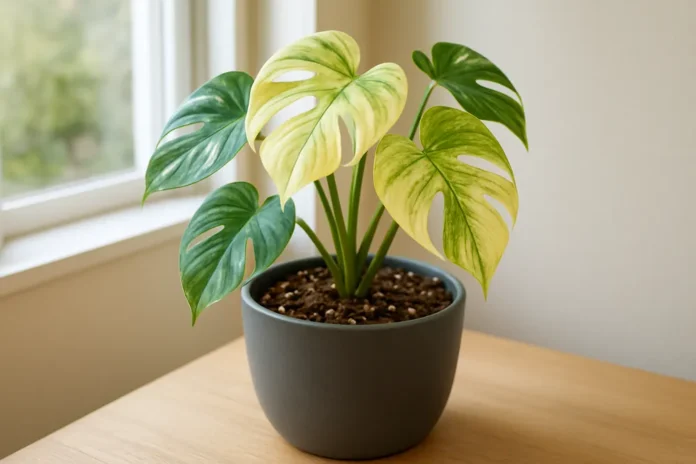
Chlorosis in Monstera plants is most often caused by nutrient deficiency, overwatering, root stress, poor drainage, or low light. It happens when the plant cannot produce enough chlorophyll to keep foliage green.
Monstera chlorosis happens when the plant's green color fades and the leaves turn pale, yellow, or mottled because chlorophyll levels drop. Chlorosis is a symptom rather than a disease, which means the yellowing is usually the result of an underlying care, soil, root, or environmental problem.
In houseplants, chlorosis can appear as all-over yellowing, yellow tissue between green veins, pale new growth, or older leaves that lose color first. On Monstera, the pattern matters because it can point to different causes such as overwatering, compacted soil, iron deficiency, magnesium deficiency, root damage, or pest feeding.
The good news is that most chlorosis problems in Monstera are fixable once you match the yellowing pattern with the plant's growing conditions. Understanding what triggers chlorophyll loss will help you correct the real cause instead of treating only the color change.
What Chlorosis Looks Like on Monstera
Chlorosis is not just any yellow leaf. It specifically refers to yellowing caused by reduced chlorophyll, and it often follows a pattern. Some Monstera leaves turn evenly pale from tip to base, while others stay green along the veins and turn yellow between them. New leaves may emerge washed out, or older leaves may fade first as the plant relocates nutrients.
On Monstera deliciosa and related types, chlorosis may also come with slow growth, smaller leaves, delayed fenestration, brown edges, or limp stems. Those extra symptoms help narrow the cause. A pale plant in a dark corner points to a different issue than a bright-window Monstera in soggy soil.
- Uniform yellowing on older leaves often suggests watering stress or a mobile nutrient deficiency like nitrogen or magnesium.
- Yellowing between veins on newer leaves often points to iron or manganese issues, especially in alkaline or waterlogged soil.
- Patchy yellowing with stippling may be linked to pests such as spider mites or thrips.
- Pale leaves with weak, stretched growth often indicate insufficient light.
Watering and Root Problems Are the Most Common Causes
Overwatering and Poor Drainage
The most common trigger for chlorosis in Monstera is overwatering. When potting mix stays wet too long, oxygen levels around the roots drop. Roots need air as much as moisture, and suffocated roots cannot absorb iron, nitrogen, magnesium, and other nutrients efficiently. The leaves then lose color even when nutrients are technically present in the soil.
Poor drainage often magnifies the problem. A decorative pot without drainage holes, heavy peat-based mix, or a root ball sitting in a cachepot of collected water can all create chronic saturation. In this condition, yellowing usually starts on lower leaves, and the plant may also feel limp or develop blackened roots.
Root Rot and Damaged Roots
If wet soil persists, root rot can follow. Rotting roots become brown, mushy, and unable to take up water and nutrients. That creates a confusing situation where the plant looks both thirsty and overwatered. Chlorosis from root rot often spreads quickly, especially if multiple leaves begin yellowing at once.
Roots can also be damaged by rough repotting, cold shock, fertilizer burn, or a pot that stays rootbound too long. Any injury that reduces root function can produce chlorosis because the foliage is no longer being supplied consistently.
Underwatering and Inconsistent Moisture
Although overwatering is more common, underwatering can also cause chlorosis. When Monstera soil becomes extremely dry, roots may die back and nutrient movement slows. Leaves may look pale, droop, curl, or develop crispy edges. Repeated cycles of bone-dry soil followed by heavy soaking can be especially stressful and may lead to yellowing that resembles deficiency.
- Wet soil plus yellow lower leaves usually suggests overwatering or root stress.
- Dry soil plus pale, curling foliage often suggests underwatering or irregular watering.
- A sour smell from the potting mix points toward poor aeration and possible root rot.
- Yellowing after repotting may reflect temporary root disturbance, especially if watering also changed.
Nutrient Deficiencies That Cause Chlorosis
Monstera plants are not especially heavy feeders, but they do need a steady supply of key nutrients to maintain deep green leaves. Chlorosis develops when one or more of those nutrients are unavailable, missing, or blocked by soil pH and root problems. The exact yellowing pattern often reveals which nutrient is involved.
Iron Deficiency
Iron deficiency is a classic cause of chlorosis in houseplants. It typically shows up first on newer leaves because iron is not easily moved from old tissue to new growth. Young Monstera leaves may emerge yellow or pale with greener veins. In many cases, the issue is not a true lack of iron in the potting mix but poor root function, soggy conditions, or alkaline media that make iron harder to absorb.
Magnesium Deficiency
Magnesium deficiency usually affects older leaves first because the plant can move magnesium from older tissue to younger growth. Leaves may show yellowing between veins while the veins remain relatively green. This can happen in older potting soil, in plants that have not been fertilized for a long time, or where repeated watering has leached nutrients from the mix.
Nitrogen Deficiency
Nitrogen deficiency tends to cause a more even, general yellowing, especially on older leaves. Growth may slow, and new leaves may be smaller than normal. This is more common in Monsteras that have been in the same potting mix for a long time without feeding, or in plants growing in very low light where uptake is already weak.
Manganese and Other Micronutrient Issues
Manganese, zinc, and sulfur deficiencies are less common, but they can still contribute to chlorosis. These micronutrients are often present in fertilizer, yet the plant may be unable to access them if the root zone is cold, compacted, too wet, or chemically imbalanced. Because these deficiencies can look similar, it is important to consider the entire growing setup instead of assuming one nutrient is missing.
- New leaves yellow first: often iron-related chlorosis.
- Older leaves yellow between veins: often magnesium-related chlorosis.
- Older leaves turn evenly pale: often nitrogen deficiency or watering stress.
- Multiple deficiency patterns at once: often root dysfunction, exhausted soil, or pH-related lockout.
Soil, pH, and Environmental Causes of Chlorosis
Compacted or Exhausted Potting Mix
Monstera prefers a loose, chunky, well-aerated mix that drains well but still holds some moisture. Over time, potting soil breaks down and compacts. When that happens, air spaces disappear, roots stay wetter longer, and nutrient uptake drops. Even if you water correctly, old compacted mix can still lead to chlorosis because the root zone no longer functions well.
Improper pH
Monstera generally does best in a slightly acidic to near-neutral root zone. If the potting mix or irrigation water is too alkaline, iron and manganese become less available. That can cause interveinal chlorosis, especially on young leaves. Hard tap water used over time may gradually shift pH upward and leave mineral buildup in the pot.
Insufficient Light
Low light can also produce pale or chlorotic growth. Monstera can survive in moderate indoor light, but they maintain richer leaf color and stronger growth in bright, indirect light. In dim conditions, chlorophyll production slows, leaves may be smaller, stems stretch, and the entire plant can look washed out.
Cold Stress and Temperature Swings
Cold roots absorb nutrients poorly. If a Monstera sits near a drafty window, air conditioner vent, or chilly floor, temporary chlorosis can appear even when watering and fertilizer seem correct. Sudden temperature swings can also stress roots and disrupt normal leaf metabolism.
Salt Buildup From Fertilizer or Water
Chlorosis can also happen when salts accumulate in the soil from excessive fertilizer or mineral-rich water. A salty root zone draws moisture away from roots and may burn root tips, which reduces nutrient uptake. White crust on the soil surface or pot rim is a common clue that buildup is part of the problem.
Pests, Disease, and Other Less Common Triggers
Spider Mites and Thrips
Sap-feeding pests can make Monstera leaves look chlorotic because they damage leaf tissue and reduce the plant's ability to photosynthesize. Spider mites create fine stippling, fading, and a dull yellow cast, especially in dry indoor air. Thrips can cause silvery patches, distorted growth, and irregular pale areas on newer leaves.
Scale and Mealybugs
Scale insects and mealybugs feed more slowly but can still weaken a Monstera enough to cause yellowing, especially if the infestation is widespread. Because these pests often hide under leaves and along stems, chlorosis may be one of the first obvious signs a gardener notices.
Bacterial or Fungal Issues
True leaf diseases are less common causes of chlorosis than watering and nutrition problems, but they can happen. If yellowing is paired with dark lesions, water-soaked spots, or tissue collapse, a pathogen may be involved. In those cases, chlorosis tends to be localized around infected areas rather than evenly distributed across the whole leaf.
Natural Aging
Sometimes a single older leaf turns yellow simply because it is reaching the end of its life. That is normal and not true widespread chlorosis. Concern is more justified when several leaves change color, new growth is affected, or the yellowing pattern continues to spread.
How to Tell Which Cause Is Affecting Your Monstera
Because chlorosis has several possible causes, diagnosis is easiest when you combine leaf pattern, soil condition, and recent care history. Think about whether the yellowing started after a watering change, repotting, moving the plant, fertilizing, or a seasonal light shift. Then compare what you see on old leaves versus new leaves.
- If the soil stays wet for many days and lower leaves are yellowing, root stress is the likely cause.
- If newer leaves are yellow with greener veins, iron availability is a strong possibility.
- If older leaves show interveinal yellowing, magnesium deficiency is more likely.
- If the whole plant looks pale and stretched, insufficient light may be driving the issue.
- If leaves show tiny speckles, silvery scars, or webbing, inspect closely for pests.
- If the plant has been in the same mix for years, exhausted or compacted soil may be limiting uptake.
More than one factor may be involved at the same time. For example, a Monstera in old compacted soil may be overwatered, low in magnesium, and growing in low winter light. In that case, chlorosis is the visible result of several overlapping stresses rather than a single simple deficiency.
How to Prevent Chlorosis in Monstera Plants
Prevention comes down to creating a root environment that stays airy, drains well, and supplies consistent nutrition. Monsteras recover best when their care routine supports both root health and steady growth.
- Use a pot with drainage holes and a chunky aroid mix that includes ingredients like bark, perlite, and coco coir or peat.
- Water thoroughly, then let the top portion of the mix dry before watering again instead of keeping soil constantly wet.
- Feed during active growth with a balanced houseplant fertilizer at a modest rate rather than heavy, infrequent doses.
- Repot when the mix has broken down or the roots become crowded, usually every 1 to 2 years depending on growth rate.
- Provide bright, indirect light so the plant can maintain strong chlorophyll production.
- Flush pots occasionally if you use fertilizer regularly or have hard tap water to reduce salt buildup.
- Keep the plant away from cold drafts and sudden temperature drops.
- Inspect leaves regularly for mites, thrips, mealybugs, and scale before infestations become severe.
When chlorosis appears, avoid overcorrecting with repeated fertilizer applications. If the roots are stressed, extra fertilizer can worsen the problem. In many cases, improving drainage, watering consistency, light, and root health does more than adding more nutrients.
FAQ
Can a Yellow Monstera Leaf Turn Green Again?
Usually no. Once a leaf has lost significant green pigment, it often stays yellow or partly yellow. The goal is to correct the cause so new growth emerges healthy and existing leaves stop getting worse.
Is Chlorosis in Monstera Caused by Too Much Sun?
Direct hot sun usually causes scorch, bleaching, or brown patches more than classic chlorosis. However, intense light combined with dry soil or heat stress can contribute to pale foliage.
Does Hard Tap Water Cause Monstera Chlorosis?
It can. Hard water may raise soil pH over time and leave mineral salts behind, both of which can reduce iron and micronutrient availability and lead to chlorotic leaves.
What Deficiency Causes Yellow Leaves on Monstera Most Often?
Iron and magnesium are two common nutrient-related causes, but watering and root problems are even more common overall. A deficiency pattern often reflects poor uptake rather than a complete lack of nutrients in the soil.
Should I Fertilize a Chlorotic Monstera Right Away?
Not always. If the plant is sitting in soggy soil or has damaged roots, fertilizer may increase stress. It is better to consider root health, drainage, and soil condition along with feeding.
How Long Does Monstera Chlorosis Take to Improve?
Improvement in new growth may be visible within a few weeks during the growing season after the underlying issue is corrected. Older damaged leaves may never return to full green.
Can Low Light Really Cause Chlorosis in Monstera?
Yes. In low light, the plant produces less chlorophyll and often grows weakly, which can make leaves look pale or washed out even without a major nutrient deficiency.
Need help choosing the right fertilizer, potting mix, or pest treatment for a struggling Monstera? Read our recommended Monstera care and treatment guides to fix yellowing faster and keep new leaves deep green.
