

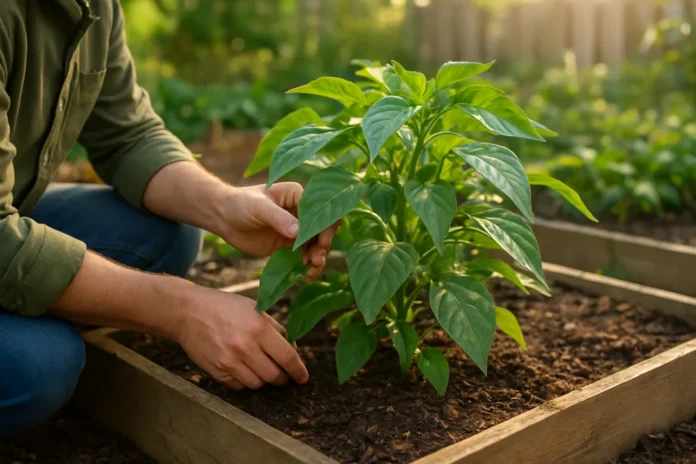
Pepper plants usually fail to flower because they are too young, getting too much nitrogen, not enough sun, or dealing with heat or cold stress. Some varieties also bloom later than gardeners expect.
Few things test a gardener's patience like a healthy-looking pepper plant that simply refuses to bloom. You water it, feed it, admire the leaves, and wait for buds that never seem to appear. In most cases, a pepper plant not flowering is reacting to its environment rather than suffering from one mysterious problem.
Peppers are productive plants, but they can be surprisingly particular about timing. Light, temperature, fertilizer, pot size, and even the variety you planted all affect when flowering starts. I have seen peppers sit still for weeks, then suddenly set buds once the weather settled down or the feeding routine changed.
The good news is that this problem is usually fixable. If your pepper plant looks leafy but bloomless, the pattern of growth can tell you a lot about what is holding it back.
What Is Normal for Pepper Flowering
Before assuming something is wrong, it helps to know that peppers do not all flower on the same schedule. Many sweet and hot peppers need time to build roots, stems, and branching before they shift into flowering. A young transplant may spend a few weeks settling in, especially after cool weather, rough transplanting, or a move from indoors to the garden.
Small-fruited peppers like jalapenos, shishitos, and many ornamental types often bloom earlier than large bell peppers or thick-walled varieties. Bell peppers in particular can look vigorous for quite a while before they begin setting buds. If your plant is still small, recently planted, or growing steadily without signs of stress, it may simply not be mature enough yet.
- Young plants often focus on roots and leaves before producing flowers.
- Large-fruited varieties usually take longer to bloom than smaller hot peppers.
- Transplants commonly pause after planting, especially if nights are cool.
- Plants started from seed later than usual may still be catching up.
When I am deciding whether a pepper is truly delayed, I look at branching more than height. A plant with good side shoots and sturdy stems is usually getting close, even if flowers have not appeared yet.
Too Little Sunlight Is One of the Most Common Reasons
Peppers need abundant light to power flowering. They can survive in part sun, but survival and productivity are not the same thing. A plant that receives only a few hours of direct sun may grow leaves and stay green while delaying bloom production for much longer than expected.
In most U.S. home gardens, peppers do best with at least 6 to 8 hours of direct sun, and more is often better. Morning-to-late-afternoon light is especially useful. If nearby trees leafed out, a fence casts shade by midday, or the plant sits on a porch with bright but indirect light, flowering can slow down noticeably.
- Leggy or stretched stems can point to inadequate light.
- Deep green leaves with little branching may mean the plant is growing but not producing enough energy for flowers.
- Container peppers placed against walls or railings often get less direct sun than expected.
- Indoor pepper plants commonly struggle to flower without strong grow lights.
If low light is the cause, new growth should improve after the plant is moved to a sunnier spot. Existing leaves will not change much, but future growth and bud formation usually respond.
Too Much Nitrogen Can Make Peppers Leafy Instead of Productive
This is one of the biggest reasons gardeners end up with beautiful foliage and no flowers. Nitrogen drives leafy, green growth. That is helpful early on, but if you keep feeding a pepper plant with a high-nitrogen fertilizer, the plant may stay in growth mode instead of shifting toward buds and fruit.
Lawn fertilizer drift, frequent liquid feeding, rich manure, or heavily amended compost can all push peppers in this direction. The plant often looks almost too healthy: lush leaves, rapid soft growth, and few or no blossoms.
- High first-number fertilizers such as 20-10-10 encourage foliage more than flowers.
- Fish emulsions and other gentle feeds can still add up if used very often.
- Fresh manure or extra-rich soil mixes may keep peppers vegetative for too long.
- Plants near lawns sometimes pick up additional nitrogen from runoff or overspray.
If I suspect excess nitrogen, I stop feeding for a bit instead of piling on bloom boosters right away. A short pause often helps more than trying to correct the problem with another product.
Once growth balances out, use a fertilizer with more moderate nitrogen and enough phosphorus and potassium to support flowering and fruiting. You do not need a magic formula. You just want to avoid constantly pushing tender leafy growth.
Temperature Stress Can Delay or Suppress Flowering
Peppers love warmth, but there is a sweet spot. Cool weather can stall growth and delay buds, while extreme heat can also interfere with flower production and pollination. This is why peppers may sulk in late spring, then surge in early summer, or pause again during a severe heat wave.
Nights below about 55 degrees Fahrenheit can slow peppers down, especially tropical or heat-loving varieties. On the other side, daytime temperatures regularly above 90 to 95 degrees can stress plants enough that they hold off on blooming or drop blossoms shortly after they form.
- Cool nights can delay flowering even if days are sunny.
- Heat waves may cause flowers to abort before fruit sets.
- Black plastic pots can overheat roots in full summer sun.
- Windy exposed sites can worsen both heat and cold stress.
If weather is the main issue, patience matters. Once temperatures settle into a more favorable range, peppers usually resume normal flowering without heroic intervention.
Watering Problems Can Keep Peppers in Stress Mode
Peppers do best with consistent moisture, not constant wetness and not repeated drought. A plant that swings between dry soil and soaking soil is busy surviving, not reproducing. Flowering may be delayed, and any buds that do appear can drop before opening.
Underwatering often shows up first as wilting, dull leaves, and slowed growth. Overwatering can look more confusing because the plant may stay green for a while, yet roots struggle for oxygen and growth becomes sluggish. In containers, poor drainage is a very common hidden cause of stalled peppers.
- Drying out hard between waterings can interrupt bud formation.
- Waterlogged soil reduces root function and slows overall development.
- Mulch helps garden peppers stay evenly moist.
- Containers need drainage holes and a potting mix that does not stay soggy for days.
The goal is evenly moist soil that dries slightly near the surface between waterings. That balance supports steady growth and better flower development.
Crowded Roots and Container Issues Can Slow Blooming
Pepper plants can grow well in pots, but cramped roots and small containers can hold them back. If the pot is too small, roots heat up quickly, dry out fast, and run out of room just as the plant should be transitioning into flowering.
Many peppers perform much better in containers that are at least 3 to 5 gallons, with larger varieties benefiting from even more space. A plant in a tiny nursery pot or decorative planter may stay alive and leafy without ever becoming especially productive.
- Roots circling the pot can limit water and nutrient uptake.
- Small pots heat and dry faster, increasing stress.
- Dark containers in full sun can overheat root zones.
- Old compacted potting mix can reduce drainage and air flow.
I often see container peppers improve after an up-potting not because they were starving, but because the root zone finally stabilized. More soil means steadier moisture, cooler roots, and less stress on hot afternoons.
Poor Nutrition Can Also Delay Flowers
While excess nitrogen is a classic issue, peppers can also stall if soil is truly depleted. If a plant has pale leaves, weak growth, and no sign of buds, it may simply lack the balanced nutrition needed to move forward. Containers are especially prone to this once the original potting mix is exhausted.
Phosphorus and potassium are often discussed for flowering, but peppers also need enough overall fertility to stay vigorous. The answer is usually a balanced feeding plan, not megadoses of a single nutrient. Overcorrecting can create a new problem.
- Pale older leaves may suggest nutrient depletion.
- Very slow growth in old container mix often points to low fertility.
- A balanced vegetable fertilizer usually works better than chasing one nutrient.
- Soil test results are especially helpful in beds with repeated problems.
Transplant Shock and Pruning Mistakes Can Set Peppers Back
Peppers do not love rough handling. If roots were disturbed heavily during transplanting, the plant was put outside before nights were warm enough, or it was suddenly moved from indoor conditions into harsh sun and wind, flowering may be delayed while the plant recovers.
Pruning can also play a role. Light shaping is fine, but aggressive pruning removes the very branching points where flowers tend to form. Gardeners sometimes cut peppers like tomatoes and then wonder why blooming slowed down.
- Sudden weather exposure can stunt recently planted peppers.
- Broken roots or root-bound transplants may pause for weeks.
- Heavy pruning redirects energy to regrowth.
- Removing early buds on a weak plant can help, but repeated pinching delays production.
If this is the issue, the best approach is usually to reduce stress and give the plant time. Once it re-establishes roots and new branching, flowers generally follow.
Pests and Disease Are Less Common Causes but Still Worth Checking
A pepper plant under attack from pests or disease may not have enough energy to bloom well. Aphids, spider mites, thrips, and whiteflies can all stress plants by feeding on new growth. Viral or root diseases can also slow development and interfere with flowering.
Usually, these issues come with extra symptoms. You may see distorted new leaves, sticky residue, stippling, curling, mottling, or generally weak growth. If your plant is simply green and otherwise normal, pests or disease are less likely than light, fertilizer, or weather.
- Check undersides of leaves for tiny insects or webbing.
- Look for distorted new growth, not just older leaf damage.
- Inspect stems and the soil line for signs of rot or injury.
- Separate stressed container plants if one appears infested.
How to Diagnose the Real Cause
The best way to solve a non-flowering pepper is to read the whole plant, not just the missing blooms. A lush dark-green plant in rich soil suggests a different problem than a pale, stalled plant in a tiny pot. The pattern matters more than any single symptom.
- Start with age and variety. Ask whether the plant is actually mature enough to bloom yet.
- Review sunlight honestly. Count direct-sun hours, not bright shade.
- Think about fertilizer. If you have fed frequently, especially with nitrogen-heavy products, that is a strong clue.
- Look at recent temperatures. Cool nights or extreme heat often explain delays.
- Check soil moisture and drainage. Stress from drought or soggy roots can suppress buds.
- Inspect the pot size or root space. A cramped plant often stalls at the flowering stage.
- Scan for pests, distorted growth, or disease symptoms if the plant also looks unhealthy.
Change one variable at a time when possible. If you move the plant, switch fertilizer, repot it, and prune it all in the same week, you will not know what actually helped or whether extra stress slowed it further.
What Helps Pepper Plants Start Blooming Again
Once you identify the likely cause, the fix is usually straightforward. The main goal is to shift the plant from leafy survival or overgrowth into steady, balanced development.
- Give the plant full sun if possible, especially in cooler parts of the season.
- Ease off high-nitrogen fertilizer and use a balanced vegetable feed instead.
- Keep watering steady so the soil stays evenly moist but not soggy.
- Repot container peppers that are root-bound or stuck in very small pots.
- Protect plants from chilly nights early in the season with covers or by waiting to plant out.
- During extreme heat, mulch well and provide relief from reflected afternoon heat if needed.
- Treat pest outbreaks early so new growth can recover and support flowering.
Do not expect instant results. Flowers form on new growth, so the improvement often shows up over the next couple of weeks rather than the next couple of days. Judge progress by fresh buds, sturdier branching, and more balanced growth.
When Waiting Is the Right Answer
Sometimes the right diagnosis is simply that the plant needs more time. This is especially true with bell peppers, late starts, cool early summers, or plants that spent their first weeks recovering from transplant stress. Gardeners often expect peppers to move as fast as basil or bush beans, but they are slower and more weather-sensitive.
If your plant is sturdy, green, branching, and generally healthy, patience may be the most useful tool you have. Once conditions line up, peppers can go from no blooms to many buds surprisingly quickly.
FAQ
Should I Pinch Off Early Pepper Flowers?
Only sometimes. On a very small or newly transplanted plant, removing the first few flowers can help it build size first. On an established healthy plant, repeated pinching just delays fruit production.
Can Epsom Salt Make Pepper Plants Flower?
Not usually. Epsom salt only helps if the plant actually has a magnesium deficiency, and lack of flowering is more often tied to light, temperature, age, or nitrogen imbalance.
Why Is My Pepper Plant Growing Tall but Not Flowering?
Tall, leafy growth without buds often points to too little direct sun or too much nitrogen. Some plants also stretch when they were started indoors without strong enough light.
Do Pepper Plants Need Pollinators to Flower?
No. Pollinators help with fruit set, but they are not required for the plant to produce flowers in the first place.
Will a Bloom Booster Fix a Pepper Plant That Is Not Flowering?
Not always. Bloom fertilizers can help if nutrition is out of balance, but they will not solve poor light, cold nights, severe heat stress, or a plant that is simply too young.
How Long After Flowering Will Peppers Appear?
Once flowers are pollinated and conditions are good, tiny peppers often start forming within several days to about two weeks. Cool or stressful weather can slow that process.
Why Does My Pepper Plant Make Flowers That Fall Off?
Flower drop is commonly caused by heat stress, cold nights, irregular watering, or a sudden change in conditions. The plant may bloom again once stress eases.
Want peppers that bloom and fruit more reliably? Check out our guide to the best fertilizers, containers, and support tools for stronger pepper harvests.
