

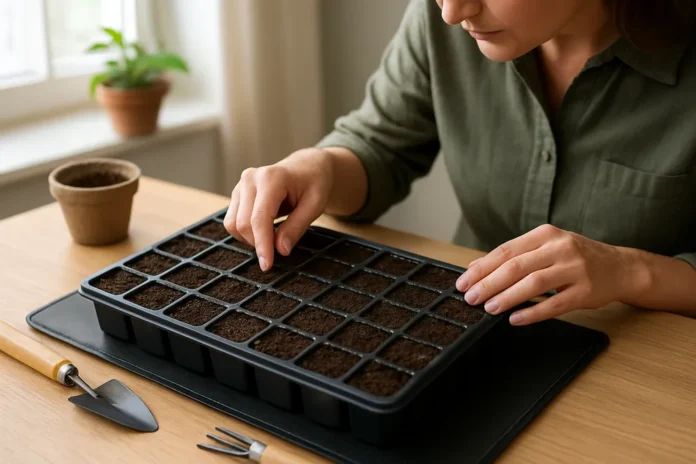
Pepper seeds usually do not germinate because the soil is too cool, the seed is old or weak, or the mix stays too wet or too dry. Peppers are naturally slow starters and often take much longer than faster vegetables like lettuce or radishes.
Few seed-starting problems are more frustrating than waiting on pepper seeds that never seem to wake up. You plant them, keep the tray nearby, and then days turn into weeks with no sign of life. The tricky part is that peppers are not just fussy, they are also naturally slower than many other garden seeds, so it is easy to think something is wrong even when they are simply taking their time.
In my experience, most cases of poor pepper germination come down to a short list of issues: soil temperature that is too low, seed that is too old, uneven moisture, planting too deep, or starting mix that stays soggy and airless. The good news is that once you know how peppers like to sprout, the problem usually becomes much easier to fix.
This guide will help you sort out the most likely causes, figure out whether your seeds are still worth waiting on, and improve your setup so the next batch comes up more evenly.
What Normal Pepper Germination Looks Like
Pepper seeds are rarely quick. Under warm, steady conditions, many varieties germinate in about 7 to 14 days, but some take closer to 21 days. Hot peppers can be even slower than sweet peppers. If your tray has been sitting for only a week, especially in a cool room, you may not have a real problem yet.
A healthy pepper seedling usually emerges with a curved stem that lifts the seed leaves above the mix. At first, the cotyledons may look pale or folded, then they open and green up. Germination does not always happen all at once. Even good seed lots often sprout over several days instead of in perfect unison.
- Sweet bell peppers often germinate in 7 to 14 days in warm conditions.
- Many hot peppers need 10 to 21 days, sometimes longer.
- Cool soil can stretch timing well beyond three weeks.
- Uneven trays are common if some cells are warmer or wetter than others.
When I am judging a pepper tray, I care more about soil temperature and elapsed time together than the calendar alone. A tray kept at 68 degrees for 14 days is very different from one kept at 82 degrees for 14 days.
The Most Common Reasons Pepper Seeds Fail to Sprout
Soil Temperature Is Too Low
This is the biggest cause by far. Pepper seeds want warm soil, not just a warm room. Air temperature in the house may feel comfortable to you, but the seed-starting mix can still run too cool, especially near windows, on basement shelves, or overnight. Peppers germinate best when the mix stays around 80 to 85 degrees Fahrenheit. They may sprout at lower temperatures, but the process slows dramatically and seed loss becomes more likely.
The Seed Is Old, Poorly Stored, or Naturally Weak
Pepper seed does not stay highly viable forever. Seed saved from previous seasons, bargain packets stored in hot garages, or opened packets left in humid conditions can lose vigor. Old seed may germinate slowly, unevenly, or not at all. Even fresh seed can vary by variety and source, so weak germination is sometimes a seed quality issue rather than a gardening mistake.
The Starting Mix Is Too Wet
Soggy mix is a quiet seed killer. Pepper seeds need moisture, but they also need oxygen. When the tray stays waterlogged, seeds can rot before they ever sprout. Overwatering is especially common when trays have poor drainage, humidity domes stay on too long, or gardeners keep adding water because they do not see results yet.
The Mix Is Drying Out Between Waterings
Drying out can be just as damaging. Once the seed coat begins to take up water, the embryo needs consistent moisture. If the top layer dries repeatedly, the germination process can stall. This happens often with heat mats if trays are shallow or if the surface is exposed to moving air.
Seeds Were Planted Too Deep
Pepper seeds should be covered lightly, usually about 1/4 inch deep. If they are buried too far down, they may struggle to push upward, especially in dense or crusted mix. Deep planting also keeps them in cooler, wetter conditions, which raises the chance of rot.
The Seed-starting Mix Is Too Heavy
Garden soil, potting soil with chunky bark, or reused dense mix can all reduce germination. Pepper seeds do best in a fine, airy seed-starting medium that holds moisture without compacting. Heavy mixes crust at the surface and limit oxygen around the seed.
Fungal or Bacterial Rot Set In
If conditions are cool, wet, and stagnant, seeds may decay before sprouting. You will not always see obvious mold on top. Sometimes the seed simply softens, turns tan or gray, and collapses underground. This is more likely in reused trays that were not cleaned well or in mixes that stay saturated.
How to Tell Which Problem You Are Dealing With
Start with timing. If it has been fewer than 10 days and your setup is not especially warm, patience may be all you need. If you are past two weeks with no action, begin looking at temperature and moisture first. Those are the two variables that most often explain complete failure.
- If the tray feels cool to the touch, low temperature is a strong suspect.
- If the mix smells sour or stays dark and wet all day, overwatering is likely.
- If the top becomes pale, crusty, or pulls from the cell edges, it is drying too much.
- If some cells sprout and others stay blank, moisture depth or temperature may be uneven.
- If the seed packet is several years old, low viability moves much higher on the list.
You can also check a few ungerminated seeds. Gently dig in one or two cells rather than disturbing the whole tray. A firm seed that looks unchanged may still be viable if conditions were too cool. A mushy, split, discolored, or moldy seed has probably rotted.
I like to inspect only a couple of cells from the worst area of the tray. If you keep digging through every cell, you damage the setup and often turn a slow tray into a failed one.
How to Improve Germination Right Now
Raise Root-zone Warmth
If the seeds are still in place and have not rotted, warmth can still help. A seedling heat mat is the simplest fix. Aim for soil temperatures around 80 to 85 degrees Fahrenheit during germination. If you do not use a mat, place the tray in the warmest stable spot in the house, away from cold glass and drafts.
Correct Moisture Without Flooding
The mix should feel evenly moist like a wrung-out sponge, not dripping wet and not dusty dry. Bottom watering usually works better than splashing the surface over and over. Add water to the tray, let the cells absorb what they need, then pour off any excess so the roots and seeds are not left standing in water.
Use a Humidity Dome Carefully
A dome can help keep the surface from drying before germination, but it should not create swampy conditions. Vent it if heavy condensation builds up. Remove it as soon as you see seedlings emerging, since trapped moisture and still air can encourage damping off.
Do Not Keep Adding Fertilizer
Seeds do not need fertilizer to germinate. Feeding a tray before seedlings appear does not speed emergence and can sometimes make the medium less friendly if salts build up. Save fertilizer for after the seedlings have developed.
Wait Long Enough Before Giving Up
If your conditions were cool at first and you have now corrected them, give the tray more time. Some pepper seeds that seemed stalled will still sprout after warmth becomes consistent. It is reasonable to wait up to about three weeks total for many peppers, and a bit longer for slower hot varieties, as long as the seeds still appear sound.
When to Start Over with a Fresh Sowing
Sometimes replanting is the smarter move. If the tray has been in place for three weeks or more, the mix has gone sour, or inspected seeds are mushy and clearly dead, it is usually better to begin again. Pepper seedlings already take time to size up, so starting over promptly can be less costly than waiting another week on a tray that is not going anywhere.
- Start over if most seeds are soft, moldy, or discolored.
- Start over if the mix is compacted, algae-covered, or smells rotten.
- Start over if the seed is very old and no cells have sprouted after a proper warm wait.
- Start over if you planted in heavy soil or too-deep cells and conditions are hard to correct.
When re-sowing, use fresh seed-starting mix, clean containers, and shallower coverage. If your original tray had a few seedlings in one warm corner, that is a clue that the seed itself may still be fine and the setup was the real issue.
The Best Way to Germinate Pepper Seeds Next Time
Pepper germination improves dramatically when the setup is simple and consistent. You do not need elaborate equipment, but peppers do respond well to warmth, fresh mix, and even moisture. A reliable process prevents most problems before they start.
- Use fresh, high-quality seed from a trusted source whenever possible.
- Fill clean cell trays or small pots with a fine seed-starting mix.
- Pre-moisten the mix so it is evenly damp before sowing.
- Plant each seed about 1/4 inch deep and cover lightly.
- Set the tray on a heat mat or keep it where soil stays around 80 to 85 degrees.
- Cover with a humidity dome only until seedlings begin to emerge.
- Water from below or gently enough that you do not uncover or bury the seed further.
- Move seedlings under strong light as soon as they sprout.
I get the most even pepper trays when I pre-moisten the mix before filling cells instead of trying to wet everything thoroughly after sowing. Dry pockets are much harder to fix once the seed is already in place.
Common Mistakes That Slow Peppers Down Even when Seeds Are Viable
Some pepper seeds are alive and capable of sprouting, but the conditions around them are inconsistent enough to stretch the process out. That can look like failure when it is really delay. Home seed-starting setups often run into this problem because temperatures swing from warm afternoons to cool nights, and trays near windows can vary a lot from one side to the other.
- Starting peppers in a chilly basement or spare room
- Placing trays directly on a cold windowsill
- Leaving them near heating vents that dry the surface too fast
- Using large containers that stay wet too long
- Keeping domes on after seedlings emerge
- Assuming all pepper varieties germinate at the same speed
Another frequent mistake is sowing peppers at the same pace and expectation as tomatoes. Tomatoes are usually much more forgiving. Peppers want more heat and a little more patience. If you start both crops side by side, the tomatoes often pop up first and make the peppers seem like a failure when they are only slower.
Can You Pre-soak or Use Paper Towels to Help
Pre-soaking pepper seeds for several hours can help hydrate the seed coat, especially if the seed is fresh but a little slow. Some gardeners also germinate peppers in a moist paper towel inside a warm container before moving them to cells. Both methods can work, but neither solves poor seed quality or cold conditions.
Paper towel germination gives you a quick viability check, but it has drawbacks. Tiny emerging roots are easy to damage during transplanting, and the towel can become too wet or grow mold if not monitored closely. For most home gardeners, a warm tray with good seed-starting mix is simpler and more forgiving.
If you do pre-soak, keep it brief. An overnight soak is usually enough. Leaving seeds submerged too long can reduce oxygen and do more harm than good.
A Simple Troubleshooting Checklist
- Confirm how many days have passed since sowing.
- Check actual soil temperature, not just room temperature.
- Feel the mix for even moisture rather than guessing from the surface alone.
- Review planting depth and whether the mix is fine enough for seed starting.
- Look at the age and storage history of the seed packet.
- Inspect one or two seeds if enough time has passed and nothing has emerged.
- Decide whether the tray is worth waiting on or whether a fresh sowing is faster.
If you fix only one thing, make it temperature. In most disappointing pepper starts, heat is the missing ingredient. Once warmth and moisture are both steady, pepper seed performance usually improves a lot.
FAQ
How Long Should I Wait for Pepper Seeds to Germinate Before Replanting?
In good warm conditions, many peppers sprout within 7 to 14 days, but some take 21 days or a little longer. If you have provided proper warmth and moisture and still see nothing after about three weeks, replanting is often the better choice.
What Temperature Do Pepper Seeds Need to Germinate?
Pepper seeds germinate best when the seed-starting mix stays around 80 to 85 degrees Fahrenheit. They can sprout below that, but the process becomes slower and less reliable.
Will Pepper Seeds Germinate Without a Heat Mat?
Yes, but they often germinate more slowly and less evenly without bottom heat. A consistently warm location can work, though many homes are cooler than peppers prefer.
Should I Soak Pepper Seeds Before Planting?
A short soak of several hours or overnight can help some seeds hydrate faster, but it is optional. It will not overcome poor seed quality, cold soil, or soggy mix.
Can Pepper Seeds Be Too Old to Germinate?
Yes. Older seed often has lower viability and weaker vigor, especially if it was stored in heat or humidity. Some old packets still sprout, but they usually do so less evenly.
Why Did Only a Few Pepper Seeds Sprout in the Tray?
Uneven germination usually points to inconsistent warmth, uneven moisture, or mixed seed vigor. One side of the tray may simply have had better conditions than the other.
Do Pepper Seeds Need Light to Germinate?
No. Pepper seeds do not need light to sprout, but they do need warmth and moisture. Once seedlings emerge, they need strong light right away so they do not become weak and leggy.
Still troubleshooting weak seedlings or planning your next sowing? Read our pepper seed-starting guide and top seedling heat mat picks so you can get faster, more reliable germination this season.
