

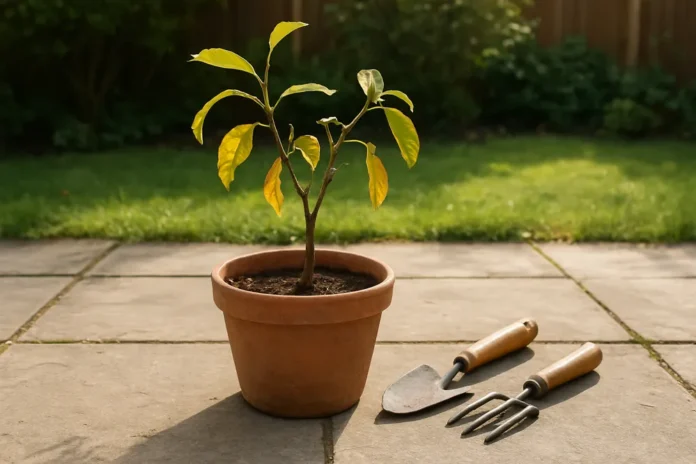
A lemon tree usually stops growing because it is stressed by too little light, poor root conditions, watering problems, cold weather, or nutrient imbalance. Young lemon trees also grow more slowly when they are settling in after planting or staying alive instead of putting on new growth.
When a lemon tree not growing sits in the same spot for months, it is frustrating because citrus usually gives you clear signs when it is happy. Healthy lemon trees push fresh leaves, lengthen stems, and slowly build a fuller canopy, even if that growth comes in bursts instead of every week.
In my experience, a stalled lemon tree is rarely being stubborn for no reason. It is almost always dealing with one or two limiting factors, and the most common ones are light, roots, moisture, temperature, and feeding. Once you remove the biggest source of stress, new growth often resumes gradually rather than all at once.
The key is to judge the whole plant, not just the lack of height. Leaf color, branch tips, container size, soil texture, and recent weather tell you far more than the calendar does.
What Normal Lemon Tree Growth Looks Like
Before assuming something is wrong, it helps to know that lemon trees do not grow at a perfectly steady pace. They often grow in flushes, especially in spring and early summer, then pause when temperatures swing, fruit load increases, or roots are adjusting. A newly planted tree may spend its early energy below ground, building roots before it shows much top growth.
Growth rate also depends on age and setting. A young tree in a warm, bright location should usually put on visible new leaves and shoot extension during the growing season. An older tree, a recently repotted tree, or one kept indoors for winter may stay alive and healthy without making dramatic new growth for a while.
- New leaf flushes that start pale and harden to deeper green
- Stem tips that lengthen over several weeks
- A gradually fuller canopy instead of instant height gain
- More vigorous growth in warm, bright months than in cool, dark periods
When I assess a slow lemon tree, I look for new tip growth, not just overall size. If the branch ends are swelling, pushing tiny leaves, or staying green and plump, the tree may be slow but not actually stalled.
Too Little Light Is One of the Biggest Causes
Lemon trees are sun-loving plants, and weak light is one of the most common reasons they stop growing. If a lemon tree is indoors near a window, on a shaded patio, or planted where buildings and larger trees block much of the day, it may survive without having enough energy to produce new growth.
Most lemon trees perform best with many hours of direct sun. Bright indirect light may keep the leaves from dropping, but it often is not enough to fuel strong stem and canopy development. Low light can also make a tree more vulnerable to overwatering because the soil dries more slowly.
Signs Light Is the Limiting Factor
- Little or no new growth during warm weather
- Long, thin stems with wider spacing between leaves
- Leaves that stay small or sparse
- A tree that leans hard toward the nearest light source
- Persistently damp potting mix because the plant uses water slowly
Outdoor trees should be placed in the sunniest practical spot with good air flow. Indoor trees usually need the brightest south or southwest exposure available, and in many homes they grow better with supplemental grow lights during darker months.
Root Stress Can Stop Top Growth Fast
If the roots are unhappy, the top of the tree will show it. Lemon trees need oxygen around their roots, room to expand, and soil that drains well. A tree that is rootbound, sitting in soggy mix, planted too deeply, or struggling in compacted soil often slows down because it cannot support fresh top growth.
Common Root-related Problems
- A pot that is packed with circling roots and dries out extremely fast
- Heavy soil that stays wet for days after watering
- A container without adequate drainage holes
- Roots damaged during transplanting
- The graft union or root flare buried too deeply in the soil
In containers, rootbound citrus may stop growing because the root mass has taken over nearly all of the soil. Water then runs through too quickly or, in some mixes, the center stays dense and stale. In the ground, clay-heavy or compacted soil can create a similar effect by trapping moisture and limiting oxygen.
If I suspect root trouble, I do not fertilize first. I check drainage, container size, and planting depth before adding anything, because feeding a stressed root system usually does not restart growth.
Watering Problems Can Mimic Almost Every Other Issue
Both underwatering and overwatering can leave a lemon tree sitting still. Underwatered trees conserve energy and may shed buds or small leaves. Overwatered trees cannot take up oxygen properly, so roots weaken and growth stalls even if the soil seems constantly moist.
This is where many gardeners get tripped up, especially with potted citrus. A tree in dim light or cool weather uses less water, so a schedule that worked in July may be far too frequent in October. On the other hand, a rootbound tree in hot sun may need water much more often than expected.
Clues the Watering Routine Is Off
- Leaves curling inward or dropping during dry spells
- Yellowing leaves with soggy soil and little fresh growth
- Wilting even though the soil is wet, which can point to root damage
- Very dry, shrunken potting mix that pulls away from the pot sides
- A musty smell from the container or soil surface
A better approach is to water based on soil moisture, pot size, weather, and season rather than by the calendar alone. Lemon trees like thorough watering followed by some drying in the upper soil before the next round, not constant saturation.
Poor Soil and Nutrient Imbalances Limit Growth
Lemon trees are fairly heavy feeders when actively growing, but they do not respond well to random overfeeding. If the soil is depleted, the tree may not have enough nitrogen and micronutrients to support new leaves and shoots. If the fertilizer is too strong or applied too often, root burn and salt buildup can slow the tree down instead.
Nitrogen is the nutrient most closely tied to leafy growth, so a deficiency often shows up as pale foliage and weak vigor. Citrus can also struggle when iron, magnesium, or other micronutrients are locked up by high soil pH. In alkaline soils, nutrients may be present but less available to the plant.
Symptoms That Point Toward Nutrition Problems
- Overall pale green or yellowish leaves
- Small new leaves and short shoot growth
- Interveinal chlorosis, where leaf veins stay greener than the tissue between them
- Crusty white fertilizer salts on the soil surface of container plants
- No improvement despite good light and correct watering
For potted trees, a citrus-specific fertilizer is usually the easiest choice because it is formulated for the nutrient profile citrus prefers. For in-ground trees, the soil itself matters just as much as the fertilizer. Extremely sandy soil leaches nutrients quickly, while very alkaline soil can make them harder to absorb.
I am cautious about calling every yellow lemon leaf a fertilizer issue. If the newest leaves are small and pale but the soil is soggy or the weather is cold, the plant may be unable to use nutrients normally even when they are present.
Temperature, Season, and Transplant Shock Matter More than Many Gardeners Expect
Lemon trees are warmth-loving evergreens. They slow dramatically in cool conditions, and they can nearly stop growing when nights are cold or indoor winter light is weak. A tree may stay green and technically alive while making almost no progress until warmth and stronger light return.
Transplant shock is another overlooked cause. If you recently moved the tree from a nursery pot into the ground, shifted it indoors, repotted it, or relocated it to a sunnier area too abruptly, it may pause while it adjusts. The pause can last several weeks, especially if some roots were disturbed.
Situations That Commonly Slow Growth
- Night temperatures that stay too cool for active citrus growth
- A move from outdoors into winter indoor conditions
- Recent repotting or planting into the landscape
- Heat waves paired with dry wind, which can stress tender new growth
- A tree carrying a heavy fruit load that diverts energy away from vegetative growth
This is why timing matters. A lemon tree that looks sluggish in late fall or winter may simply be waiting for better conditions. In contrast, a tree that is stalled through warm, bright spring and summer is more likely to have a correctable care issue.
Pests and Disease Can Keep a Lemon Tree From Gaining Momentum
A tree does not always need to be covered in bugs to stop growing. Sap-sucking pests such as scale, aphids, spider mites, and mealybugs can gradually weaken a lemon tree by draining energy from new shoots and leaves. Fungal root problems can do the same below the soil line.
When growth stalls, inspect leaf undersides, stem joints, and tender growing tips. Sticky residue, sooty mold, fine webbing, or immobile bumps on stems can all indicate pests. If the tree looks wilted despite wet soil, root rot becomes more likely.
Warning Signs to Look For
- Sticky leaves or nearby surfaces from honeydew
- Black sooty mold growing on leaves
- Tiny webs and speckled leaves in dry indoor air
- Brown or white bumps attached to stems or leaf midribs
- Persistent decline with yellowing and dieback despite watering
If you find pests early, growth usually rebounds once the pressure is reduced. But if the tree has been weakened for a long stretch, recovery may be slow because citrus tends to replace damaged growth gradually.
How to Get Your Lemon Tree Growing Again
The best fix is to correct the biggest stressor first instead of changing everything at once. Lemon trees respond best when conditions become stable and predictable. If you move the tree, repot it, prune it, and fertilize heavily all in the same week, it becomes much harder to tell what helped and what made things worse.
A Practical Recovery Checklist
- Give the tree as much direct sun as you realistically can.
- Check soil moisture before watering and avoid keeping the root zone constantly wet.
- Make sure containers drain freely and are not severely rootbound.
- Use a well-draining citrus-friendly mix for potted plants.
- Feed during the active growing season with a citrus fertilizer, following label rates instead of guessing.
- Inspect for pests on leaf undersides, stems, and new growth.
- Protect the tree from cold snaps and be patient after transplanting or seasonal moves.
After you improve conditions, judge progress by the quality of new growth rather than expecting old leaves to transform. Damaged or pale older foliage may stay that way. The real sign of recovery is fresh, healthy shoots and leaves emerging from the branch tips.
I like to wait for one clear flush of new growth before deciding whether my fix worked. Citrus often responds with a delay, so changing another major variable too quickly can interrupt recovery and muddy the diagnosis.
FAQ
How Long Does It Take a Lemon Tree to Start Growing Again?
That depends on the cause of the slowdown and the season. If light, watering, or feeding improves during warm weather, you may see fresh growth within a few weeks. If the tree is recovering from root stress or cold conditions, it can take noticeably longer.
Can a Rootbound Lemon Tree Stop Growing?
Yes. When roots circle tightly and crowd out most of the soil, the tree may stall because water and nutrients become harder to manage. Rootbound lemon trees often dry quickly, show weak new growth, or stay undersized.
Should I Prune a Lemon Tree That Is Not Growing?
Usually not heavily. If the tree is already stressed, aggressive pruning can reduce its energy reserves even more. Remove dead, damaged, or crossing wood if needed, but focus first on light, roots, watering, and nutrition.
Why Is My Lemon Tree Alive but Not Producing New Leaves?
This often happens when the tree is surviving rather than actively growing. Low light, cool temperatures, recent transplanting, root issues, or a nutrient problem can all keep a tree green without allowing it to push fresh leaves.
Do Lemon Trees Grow Slowly in Pots?
They can. Container lemon trees often grow more slowly than in-ground trees because root space, moisture swings, and nutrient supply are more limited. With enough sun, proper pot size, drainage, and regular feeding, they can still grow well.
Will Epsom Salt Make My Lemon Tree Grow Faster?
Not automatically. Epsom salt supplies magnesium, which only helps if magnesium is actually lacking. If the real issue is poor light, overwatering, compacted roots, or general nutrient imbalance, Epsom salt will not solve the slowdown.
Why Did My Newly Planted Lemon Tree Stop Growing?
Newly planted lemon trees often pause while establishing roots. This is especially common after transplanting, weather changes, or minor root disturbance. As long as the tree stays healthy overall, a temporary slowdown can be normal.
Want to bring your citrus back faster? Read our guide to the best citrus fertilizers and soil mixes so you can choose the right products for stronger lemon tree growth.
