

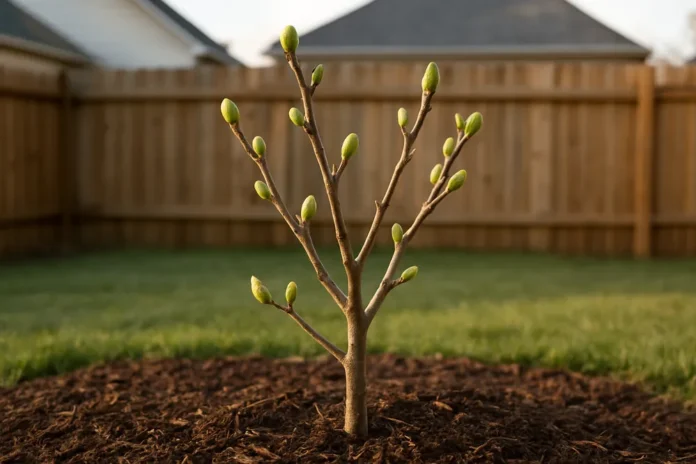
A fig tree usually fails to grow new leaves because it is still dormant or has been stressed by cold, root damage, watering problems, or poor light. In some cases, winter injury or severe stress has killed back the buds that should have opened in spring.
When a fig tree sits bare long after other plants have leafed out, it is hard not to assume the worst. In my experience, though, figs can be surprisingly slow to wake up, especially after a rough winter, a recent transplant, or a spell of inconsistent watering.
A fig tree with no new leaves is usually telling you that something interrupted its normal spring push. Sometimes the reason is harmless, like late leaf-out in cool weather. Other times it points to damaged buds, stressed roots, or a tree that spent too much energy surviving and not enough growing.
The good news is that figs often give clear clues once you know where to look. The timing, the condition of the buds, the flexibility of the stems, and the state of the roots can usually tell you whether your tree is just late or truly struggling.
When Delayed Leaf-out Is Normal
Before you assume there is a serious problem, remember that figs are often slower to leaf out than many other garden plants. A fig may stay bare while nearby shrubs are already green, especially in regions with cool spring nights. If the wood is still alive and the buds remain plump, the tree may simply be waiting for warmer soil and steadier temperatures.
This is especially common with container figs, newly planted trees, and varieties grown near the cool edge of their hardiness range. In the U.S., gardeners in colder zones often see figs wake up later than expected after a long winter. A bare fig in early spring can still be perfectly healthy.
- Buds look swollen rather than shriveled
- Twigs are flexible, not brittle
- Scratch tests show green tissue under the bark
- The trunk and main branches are firm and not dried out
- Weather has only recently become consistently warm
I do not judge a fig by the calendar alone. I judge it by bud condition and live wood. I have seen figs look completely lifeless for weeks, then leaf out all at once after a run of warm nights.
Cold Damage Is One of the Most Common Causes
If your fig made it through winter but still is not producing leaves, cold injury is high on the suspect list. Figs are tougher than many people think, but their buds and young wood are still vulnerable to freezing temperatures, drying winter winds, and sudden temperature swings. A tree may survive at the base while the tips and fruiting wood die back.
When buds are killed by winter cold, they will not open in spring. You may notice dry, hollow twigs, blackened bud tips, bark splitting, or stems that snap instead of bend. Sometimes the top growth dies, but new shoots eventually emerge from lower on the trunk or from the base. That tells you the root system survived even though the exposed wood was damaged.
Signs Your Fig Was Hurt by Winter
- Upper branches stay bare while lower wood looks healthier
- Buds are dry, brown, or crumbly when pressed
- Twigs fail the scratch test and show brown tissue under the bark
- The tree resprouts from the base but not from the branch tips
- The tree was not wrapped or protected during severe cold
In this case, patience matters, but so does realistic pruning. Dead wood will not recover. Once you are sure a section is dead, prune back to live wood. If the entire top has died but the roots are alive, your fig may restart from the base and grow as a multi-stem shrub.
Water Stress Can Stall New Growth
A fig that is too dry or too wet may stop pushing new leaves because the roots are under stress. People often assume a leafless fig needs more water, but overwatering can delay growth just as much as drought. Both problems reduce the roots' ability to support a new flush of foliage.
What Underwatering Looks Like
If the root ball has gone bone dry, the tree may conserve energy and pause growth. Container figs are especially prone to this because potting mix can dry much faster than garden soil. Dry roots can also shrink away from the pot edge, making it harder for water to soak in evenly later.
What Overwatering Looks Like
If the soil stays soggy, roots may begin to suffocate or rot. Without healthy roots, the tree cannot push leaves well. Overwatered figs often look stalled rather than obviously thirsty. The soil feels wet for days, the pot drains poorly, and the tree seems frozen in place with no signs of active growth.
- Dry, hard soil points toward underwatering
- Heavy, swampy soil points toward overwatering
- A limp but not leafed-out tree often has root stress
- A sour smell in the pot can signal soggy roots
- A container without enough drainage can keep a fig dormant-looking for too long
When I am unsure whether a fig is dry or waterlogged, I check deeper than the surface. The top inch can mislead you. I use my finger, a moisture meter, or even slide the root ball partly out of the pot if the plant is small enough.
Root Problems Often Show Up Before Leaf Growth Does
Healthy roots drive healthy top growth. If a fig tree is not making new leaves, the root system may be cramped, damaged, or unable to function well in its current soil. This is common with container figs that have become pot bound or trees planted in heavy clay that stays wet too long.
A root-bound fig may sit in the same pot for so long that the roots circle tightly and leave little room for fresh growth. In the ground, compacted soil can slow root expansion, reduce oxygen, and keep the tree from establishing properly. In either case, the tree may hold on but fail to push strong new foliage.
Clues That Roots Are the Real Issue
- The tree dries out very fast between waterings
- Water runs straight through the pot without soaking in
- Roots circle the inside of the container densely
- The tree wobbles because it never anchored well after planting
- Soil around the root zone is dense, compacted, or drains poorly
If the roots are healthy but crowded, repotting into a slightly larger container with fresh, well-draining mix can help. If roots are black, mushy, or foul-smelling, the problem is more serious and points to rot. In that case, improving drainage and removing damaged roots may be necessary.
Transplant Shock Can Delay a Fig for Weeks or Months
Recently planted figs often pause before making much top growth. That pause can be frustrating, but it is not unusual. After transplanting, the tree puts energy into rebuilding fine feeder roots, adjusting to new soil moisture patterns, and recovering from any root disturbance that happened during planting.
A fig in transplant shock may stay leafless longer than expected, leaf out weakly, or drop the first leaves it tries to make. Wind exposure, planting too deep, rough root handling, and irregular watering can all prolong the recovery period.
This is one of the most common explanations when a fig looked fine at purchase but then sat still after being brought home. The tree may not be dead. It may simply be focused below ground first.
Too Little Sun Means Too Little Energy
Figs want full sun. If your tree is planted where it gets only a few hours of direct light, it may struggle to build enough energy for vigorous leaf production. A shady site can make spring growth late, sparse, and weak, especially when combined with cool soil or excess moisture.
This problem often shows up in small urban yards, against north-facing walls, under larger trees, or on patios where buildings block much of the day. Even if the tree survived there before, low light can become more limiting after winter stress or pruning.
- Less than 6 to 8 hours of direct sun can slow figs down
- Dense overhead shade keeps soil cooler in spring
- A bright spot is not the same as full sun
- Container figs can sometimes be moved to recover faster
Pruning and Dieback Can Remove the Buds You Were Waiting On
Sometimes the reason a fig is not leafing out is simple: the live buds were cut off or killed back. Figs form buds on existing wood, and if winter pruning was too aggressive or poorly timed, there may be fewer viable points left to break dormancy in spring.
This is especially relevant if you shaped the tree hard, headed back most of the branches, or removed a lot of last year's growth. A healthy fig can recover, but it may need time to activate lower buds or send up new shoots from older wood.
When a pruned fig stays bare, I compare several branch ends instead of focusing on one tip. If every cut section above a certain point is dead but lower wood is green, the problem is usually dieback after pruning rather than a whole-tree failure.
Nutrient Issues Are Possible but Not Always the Main Culprit
Home gardeners often reach for fertilizer first, but a lack of new leaves on a fig is not usually caused by fertilizer alone. If the tree has unhealthy roots, cold damage, or poor light, feeding it will not solve the underlying problem. That said, a fig growing in exhausted potting mix or very poor soil can become too weak to push strong new growth.
Nitrogen supports leafy growth, so a very underfed fig may stay pale and slow. On the other hand, too much fertilizer can burn roots or create other stress, especially in containers. If you fertilized heavily and growth stopped afterward, salt buildup or root injury may be part of the picture.
When Nutrition Is Worth Considering
- The fig has been in the same container mix for a long time
- Growth was weak last season too
- Leaves, if present, have been unusually small or pale
- No fertilizer or compost has been added for multiple years
- There are no strong signs of cold, water, or root damage
Pests and Disease Can Weaken Buds and Stems
Although figs are fairly resilient, pests and diseases can contribute to a lack of leaf growth. Scale insects, borers, root rot pathogens, and canker-type damage may weaken the plant enough that bud break is delayed or uneven. In humid regions, disease pressure tends to be more important when combined with wet soil or winter injury.
Look closely at stems and branch junctions. If you see lesions, oozing, sawdust-like frass, crusty bumps, or sunken dead areas, the issue may be more than seasonal delay. Most pest and disease problems do not cause a perfectly healthy-looking bare tree. They usually come with visible stem or root symptoms.
How to Tell Whether Your Fig Is Alive or Dead
If your fig is still bare and you are not sure whether it is only late or truly gone, a basic viability check helps. Start with the smallest twigs and work toward the trunk. Live wood is usually flexible and green just beneath the bark. Dead wood is dry, brown inside, and snaps easily.
A Simple Way to Assess the Tree
- Gently bend a small twig. If it flexes, that is a good sign.
- Scratch a thin patch of bark with your fingernail. Green underneath means the tissue is still alive.
- Check several branches, not just one, because dieback may be partial.
- Inspect the trunk base for swelling buds or new shoots.
- If upper wood is dead, keep checking lower until you find live tissue.
A fig can look badly damaged and still recover from lower wood or the crown. If the trunk is alive, there is still hope. If all branches and the trunk base are brown and brittle, recovery is unlikely.
What Helps a Fig Start Growing Again
The best fix depends on the cause, but the general goal is the same: reduce stress and support healthy roots. Figs respond best when conditions become warm, bright, and evenly moist without being soggy. Do not rush to do five things at once. Too many changes can make diagnosis harder and stress the tree further.
- Prune away confirmed dead wood back to live tissue
- Water deeply but only when the root zone begins to dry appropriately
- Improve drainage if the soil stays wet
- Move container figs into stronger sun once frost risk has passed
- Repot root-bound trees into fresh, fast-draining mix
- Feed lightly only if the tree is alive and likely undernourished
- Protect recovering figs from late frosts and cold winds
If your fig is recovering from winter damage, do not be surprised if growth starts from the base instead of the branch tips. If it is recovering from root stress, judge progress by new buds and shoots rather than by the old, stalled wood suddenly changing.
I try to change one variable at a time with a stalled fig. If I repot, I do not also fertilize heavily that same week. New growth is the scorecard, and it is easier to see what helped when you make fewer changes.
When to Stop Waiting and Replace the Tree
There comes a point when patience turns into wishful thinking. If it is well past your normal leaf-out season, scratch tests are brown from the tips down through the trunk, and there are no new shoots from the base, the tree is probably dead. The same is true if the roots are rotten and the trunk has softened at the crown.
If the tree is alive only at the base, replacement is more of a preference call. Some gardeners are happy to regrow it from suckers. Others would rather start over with a better-protected variety or a more suitable planting spot. In colder parts of the U.S., many people grow figs as shrubby, dieback-prone plants and still get good results.
FAQ
How Late Can a Fig Tree Leaf Out in Spring?
It depends on your climate, but figs often leaf out later than many shrubs and fruit trees. In cooler regions or after winter stress, they may stay bare until late spring or even early summer before pushing new growth.
Will a Fig Tree Grow Leaves Again After Winter Damage?
Yes, if some part of the tree is still alive. Even when upper branches die, figs often resprout from lower wood or from the base once temperatures warm consistently.
Should I Fertilize a Fig Tree That Has No Leaves?
Not automatically. If the roots are stressed, cold-damaged, or waterlogged, fertilizer will not fix the problem and may make it worse. Fertilizer helps only when the tree is alive and actively able to use it.
How Do I Know if My Fig Tree Roots Are Rotting?
Root rot is more likely if the soil stays wet, drainage is poor, and the roots are black, mushy, or smell sour. A tree with rotting roots often remains stalled and fails to push healthy new leaves.
Can a Potted Fig Tree Stay Dormant Too Long Indoors or on a Patio?
Yes. Cool temperatures, weak light, and uneven watering can all delay growth in container figs. Potted trees are also more likely to become root bound, which can keep them from leafing out well.
Should I Prune a Bare Fig Tree Right Away?
Only prune wood you are confident is dead. If you cut too soon, you may remove live buds or stems that were just slow to break dormancy.
Why Is My Fig Tree Green Under the Bark but Still Not Leafing Out?
That usually means the wood is still alive but the tree is delayed by cool weather or stress. It may need more warmth, time, and better root conditions before the buds open.
Need help bringing a stalled fig back to life? Read our guide to the best fig tree fertilizers, soils, and winter protection options so you can choose the right fix faster.
