

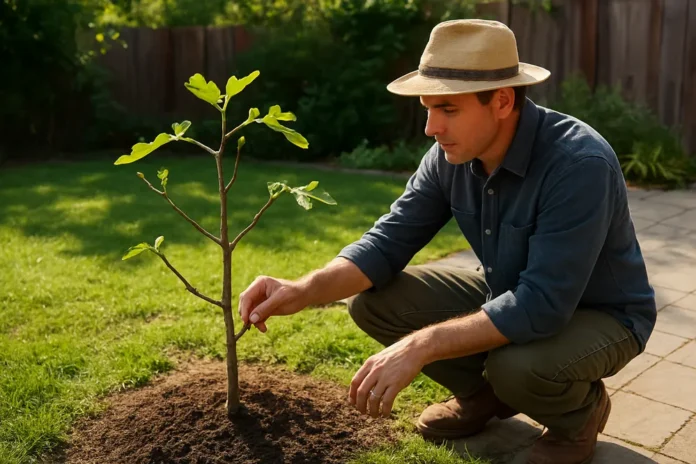
A fig tree usually stops growing because it is stressed by too little sun, root problems, watering issues, cold damage, or poor soil conditions. Young figs can also grow slowly while they establish before putting on stronger top growth.
When a fig tree just sits there for a season and seems to do nothing, it can be frustrating. Most of the time, fig tree not growing is not a mystery disease at all. It is a stress signal. Figs are vigorous plants when they are happy, so slow or stalled growth usually means something in their environment is holding them back.
In my experience, figs reward patience, but they also make their preferences pretty clear. They want full sun, warm conditions, decent drainage, and enough root room to push new shoots. A newly planted tree may spend more time settling in than you expect, while an older tree that suddenly stops growing often has a specific issue such as root stress, winter injury, or inconsistent moisture.
The good news is that fig trees often bounce back well once you identify the limiting factor. The key is figuring out whether your tree is simply establishing, or whether it is being slowed by a problem that needs attention.
What Normal Fig Growth Should Look Like
A healthy fig tree usually puts on a flush of new leaves and shoots once warm weather settles in. In good conditions, young trees can grow surprisingly fast, especially in the ground. Container figs often grow more slowly, but they should still produce fresh leaves, elongating stems, and a fuller canopy during the active season.
Not every slow fig is unhealthy, though. A tree planted recently may prioritize root growth before you see much top growth. If the branches are alive, the buds are firm, and leaves look reasonably healthy, the tree may simply be in its establishment phase. This is especially common after transplanting or after a cold winter.
- New leaves emerge and expand normally in late spring or early summer
- Shoots lengthen steadily during warm weather
- Leaf color stays mostly even green rather than pale, scorched, or mottled
- Branch tips remain flexible and alive rather than shriveled or blackened
- Growth may be modest in year one, then stronger in later seasons
Too Little Sun Is One of the Most Common Causes
Figs are sun-loving plants. If your tree gets less than about six to eight hours of direct sun, growth often slows to a crawl. The tree may stay leafy but sparse, stretch toward light, or produce small leaves and weak shoots. Without enough sunlight, it cannot make enough energy to support strong growth.
This problem shows up a lot with figs planted near fences, under tall trees, or on the north side of buildings. Indoor or patio figs can struggle too if they are kept in bright shade instead of true direct sun. Even a spot that seems bright to us can be too dim for a fig.
When I am deciding whether light is the issue, I watch the tree at different times of day instead of guessing from memory. Many spots that seem sunny only get a brief morning window, and figs often sulk there for years.
- Sparse canopy with long gaps between leaves
- Shoots leaning strongly toward one direction
- Small leaves compared with normal fig growth
- Little to no new stem extension during the growing season
Watering Problems Can Stall Growth Fast
Underwatering
A fig that stays too dry often pauses growth to protect itself. Leaves may droop, curl, crisp at the edges, or drop early. Young trees are especially vulnerable because their roots have not spread far yet. Container figs dry out even faster, particularly in hot weather.
Overwatering and Poor Drainage
Too much water can be just as damaging. Soggy soil reduces oxygen around the roots, and roots that cannot breathe do not support top growth well. The tree may look weak, yellow, or generally stuck. In severe cases, roots begin to rot, which can make the plant decline even when the soil seems moist enough.
Figs like consistent moisture, especially while establishing, but they do not like sitting in wet soil for long stretches. Clay-heavy beds, low spots, and containers without good drainage are frequent trouble spots.
- Dry-stressed figs may have limp leaves, scorched edges, and brittle new growth
- Waterlogged figs may have yellowing leaves, leaf drop, and no new vigor
- Wet soil that stays soggy for days can damage roots even if the tree looks alive
- A wide mulch ring helps even out moisture, but mulch should not be piled against the trunk
Root Stress After Planting or in Containers
Root issues are high on the list whenever a fig tree does not grow. A newly planted fig may be dealing with transplant shock, which can slow growth for weeks or even much of the first season. If roots were circling tightly in the nursery pot, they may take time to expand into the surrounding soil.
Container figs face another version of the same problem. If the pot is too small, roots quickly fill the space and growth slows. Water and fertilizer also move through a cramped pot differently, so the tree becomes more sensitive to stress. A rootbound fig may dry out rapidly, stay pale, or push only tiny new leaves.
If a potted fig is not growing, I do not automatically feed it more. I first slide the root ball partly out of the pot. If the roots are circling densely around the edge, more fertilizer will not solve the real bottleneck.
- Recent transplanting can delay visible top growth
- Compacted or circling roots limit water and nutrient uptake
- Small pots restrict growth even when watering seems adequate
- Heavy, hard soil can slow root expansion after planting
Cold Damage and Short Growing Seasons Matter More than Many Gardeners Expect
Fig trees love warmth. In cooler parts of the U.S., they often leaf out later than people expect, and winter damage can make them appear dead or stagnant well into spring. If branch tips or upper stems were injured by freezing weather, the tree may need to regrow from lower buds or even from the base before it starts looking vigorous again.
A fig that survives winter is not always a fig that escaped damage. Buds can be killed, stems can die back, and roots in containers can be chilled more severely than roots in the ground. That delayed recovery can look like no growth when the tree is actually rebuilding.
- Dead branch tips that snap instead of bending
- Late bud break compared with previous years
- New growth emerging only from lower trunk sections or from the base
- Container figs lagging behind in-ground plants after winter
If you garden where late frosts are common, a fig may start to wake up and then get set back again. That stop-and-start cycle uses energy and delays real growth.
Soil Fertility and Nutrient Imbalance Can Hold Figs Back
Figs are not the heaviest feeders in the garden, but they do need reasonably fertile soil to grow well. If the soil is very poor, sandy, depleted, or extremely alkaline, growth can be weak. Leaves may stay small, pale, or thin, and the tree may fail to push strong new shoots.
Nitrogen deficiency is a common cause of slow, pale growth, but it is not the only one. Potassium, magnesium, and general soil imbalance can also affect vigor. On the other hand, too much fertilizer can create a different problem by burning roots or pushing soft, weak growth that struggles later.
I am cautious about blaming every slow fig on lack of fertilizer. If the leaves are dark enough and the tree still is not extending shoots, I start looking harder at light, roots, or cold injury before I reach for more plant food.
- Pale green or yellowish leaves can suggest nutrient shortage
- Tiny new leaves and thin shoots often point to low vigor overall
- Excess fertilizer can damage roots and stall growth instead of improving it
- A soil test is the best way to confirm pH and major nutrient issues
Pruning, Transplanting, and Fruit Load Can Slow Top Growth
Sometimes the reason a fig is not growing is simply that it was cut back hard, moved, or asked to do too much at once. Heavy pruning removes stored energy and growing points. A tree that was recently transplanted often focuses on recovering roots. And if a small fig is carrying more fruit than it can support, it may direct energy away from making new wood.
This is especially common with young potted figs. Gardeners are understandably excited to keep the fruit, but a very young tree may perform better if it spends more energy building roots and branches first. A mature established fig usually handles fruiting and growth at the same time much better.
- Hard pruning can delay vigorous regrowth until warm weather arrives
- Transplant shock often causes a temporary pause in shoot growth
- Small or weak trees may slow down when carrying too much fruit
- Repeated disturbances in one season can compound stress
Pests and Disease Are Possible, but Less Often the Main Reason
Compared with light, roots, and watering, pests and disease are less often the primary cause of a fig failing to grow, but they can contribute. Root-knot nematodes, scale, spider mites, borers, and fungal root problems can all reduce vigor. In humid climates, leaf diseases may not stop growth entirely, but repeated defoliation or chronic stress will weaken the tree over time.
Look closely for clues before assuming a pest issue. Sticky residue, webbing, bumps on stems, distorted leaves, or obvious trunk injury matter more than a vague sense that the plant looks unhappy. A tree with widespread yellowing and no insects visible is more likely dealing with water, roots, or soil conditions than a dramatic infestation.
- Spider mites can cause stippling and dull, tired-looking foliage
- Scale insects may appear as small bumps on stems and undersides of branches
- Root diseases are more likely in poorly drained soil
- Nematodes are more common in sandy warm-region soils and can stunt growth
How to Tell Whether Your Fig Is Delayed or Truly Struggling
A delayed fig still shows signs of life. Buds swell, bark stays flexible, and some new leaves eventually appear even if progress is slow. A truly struggling fig shows little change over time and may also have yellow leaves, branch dieback, chronic wilt, or shrinking twig tips.
Try to look at the whole pattern instead of one symptom. A recently planted fig in cool spring weather with live buds may just need time. An older established fig in full summer with no shoot extension, pale leaves, and soggy soil is telling you something is wrong below ground.
- Check whether branch tips are alive by gently scratching a small area of bark
- Notice whether buds are swelling or staying dry and inactive
- Look at the newest leaves first, since they reveal current stress fastest
- Think back to recent changes such as planting, pruning, cold snaps, or watering shifts
- Compare this year's growth with the tree's usual timing in your climate
What Usually Helps a Slow Fig Tree Recover
Most figs recover best when you correct the main stress rather than trying five fixes at once. Improve sunlight if possible, water deeply but not constantly, and make sure the soil drains well. If the tree is in a pot, check whether it needs a larger container and fresh potting mix. If cold damage is the issue, wait for new growth to show you what wood is truly alive before pruning hard.
Feed lightly and thoughtfully rather than heavily. A balanced fertilizer or compost-based approach can help if the soil is poor, but overfeeding a stressed fig usually backfires. Mulch helps regulate moisture and soil temperature, especially for young trees, as long as it is kept a few inches away from the trunk.
Give the tree enough time to respond. Once conditions improve, you judge success by healthy new growth, not by damaged old leaves suddenly looking perfect. Figs often recover in stages, especially after root stress or winter setback.
FAQ
How Long Does a Newly Planted Fig Tree Take to Start Growing Well?
Many newly planted figs grow slowly in their first season while they establish roots. Some put on decent growth right away, but others do not really take off until the second year, especially after transplant stress or cool weather.
Can a Fig Tree Get Too Much Sun?
Established figs usually want full sun, but a recently moved tree or one grown in a sheltered nursery spot can get leaf scorch if it is suddenly exposed to intense heat. The bigger issue for slow growth is usually too little sun, not too much.
Why Is My Potted Fig Tree Not Growing?
Potted figs often stall because the container is too small, the potting mix stays too wet or dries too fast, or the plant is not getting enough direct sunlight. Root crowding is especially common in container-grown figs.
Should I Fertilize a Fig Tree That Is Not Growing?
Only if low fertility seems likely. If the tree has pale weak growth and poor soil, light feeding may help. But if the real problem is drainage, root damage, cold injury, or lack of sun, fertilizer will not fix it and can add more stress.
Will a Fig Tree Come Back After Winter Damage?
Often yes. Figs can regrow from lower stems or even from the base after cold injury. Recovery depends on how much wood and root tissue survived, your summer heat, and how long the growing season lasts.
Why Does My Fig Tree Have Leaves but No Real New Growth?
That usually means the tree has enough energy to maintain some foliage but not enough to push strong shoots. Common causes include limited sun, root restriction, inconsistent watering, nutrient shortage, or partial cold damage.
Can Too Much Fruit Stop a Young Fig Tree From Growing?
Yes. A small or weak fig can put so much energy into developing fruit that branch and root growth slow down. Young trees often establish better when they are not overloaded.
Want to get your fig back on track faster? Read our guide to the best fertilizers, soils, and containers for fig trees so you can choose the right fix with confidence.
