

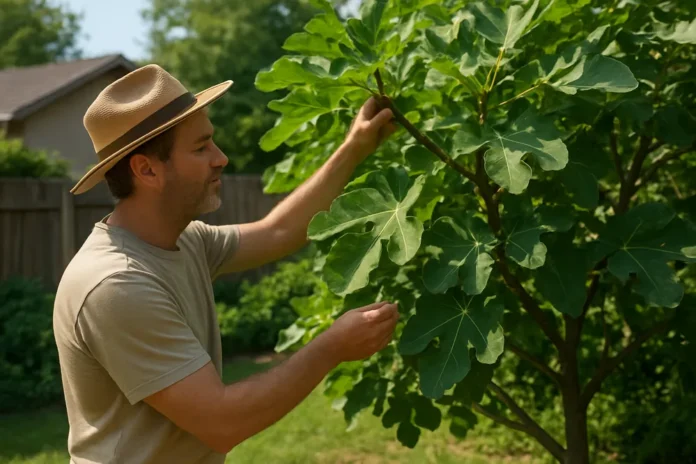
A fig tree usually fails to produce fruit because it is too young, not getting enough sun, was pruned at the wrong time, or suffered cold stress. Some varieties also need the right pollination conditions to set a crop.
A fig tree not producing fruit can be especially frustrating because the plant often looks healthy otherwise. You may have a full canopy of leaves, vigorous shoots, and no obvious disease, yet still end up with little to harvest.
In my experience, figs are productive once their basic needs are lined up, but they can be stubborn when one key factor is off. The most common reasons are age, light, winter injury, pruning, excess nitrogen, irregular watering, and in some cases the specific type of fig tree you are growing.
The Most Common Reasons Fig Trees Do Not Fruit
When a fig tree stays barren, I start with the simplest explanation first: the tree is putting energy into vegetative growth instead of fruiting. Figs are fairly predictable once established, so no-fruit seasons usually come from a short list of causes rather than a mystery problem.
- The tree is still too young to bear regularly.
- It is growing in too much shade and not getting enough direct sun.
- Winter cold killed developing buds or stem wood.
- Pruning removed the wood that would have carried the crop.
- Too much nitrogen pushed leafy growth instead of figs.
- Water stress caused fruitlets to drop before maturing.
- The variety has pollination needs that are not being met in your area.
- A container-grown tree has become root-bound or depleted its soil.
When I look at a non-fruiting fig, I pay close attention to how it is growing. A tree with long, lush, soft shoots usually points me toward fertilizer, shade, or overwatering, while sparse regrowth after winter often suggests cold damage to fruiting wood.
Your Fig Tree May Simply Be Too Young
Many home gardeners expect figs to fruit as soon as they are planted, but that is not always realistic. A young tree often spends its first seasons establishing roots and branch structure before it settles into reliable fruit production.
Some figs begin producing lightly within a couple of years, especially if you buy a larger nursery plant. Others take longer. If your tree is still small, recently transplanted, or recovering from stress, it may not be mature enough to support a real crop yet.
- Recently planted figs often pause fruiting while roots establish.
- Tiny whip-like trees usually need more time than well-branched nursery specimens.
- Heavy pruning in the early years can delay fruiting by favoring new shoots over crop wood.
- Cold-climate figs may spend extra energy regrowing after winter injury rather than setting fruit.
Lack of Full Sun Is a Major Cause
Fig trees need abundant light to produce well. In most U.S. gardens, that means at least 6 to 8 hours of direct sun, with even better fruiting in all-day sun. If a fig is tucked near a fence, under tall trees, or on the north side of a house, it may grow leaves just fine but produce very little fruit.
Shaded figs often show vigorous, stretched growth with lots of foliage and fewer developing figs. The tree is alive and active, but it is not receiving the energy needed to support a strong crop.
- Morning sun alone may not be enough in cooler regions.
- Afternoon shade can reduce fruiting, especially if the tree already has other stresses.
- Competition from nearby trees can limit both light and root space.
- Container figs that can be moved into sunnier spots often rebound faster than in-ground trees.
Pruning at the Wrong Time Can Remove the Crop
Pruning mistakes are a very common reason for missing fruit. Depending on the variety, figs may produce on older wood, new wood, or both. If you cut back too aggressively in winter or early spring, you may remove the branches that were set to carry the next crop.
Gardeners often prune figs like ornamental shrubs, aiming for shape rather than fruiting. That can lead to lots of fresh growth and no harvest. A fig usually needs only light structural pruning, removal of dead wood, and occasional thinning to improve light penetration.
How Pruning Affects Different Fig Crops
Some fig varieties produce an early breba crop on last year's wood and a main crop on current-season growth. If winter pruning removes too much old wood, the breba crop disappears. If the tree then has to spend the season replacing lost branches, the main crop can also be reduced.
If I am unsure how a specific fig fruits in my climate, I prune lightly for one full season and watch where figs actually form. That tells me much more than guessing based on general advice.
Cold Weather and Winter Dieback Can Stop Fruiting
In colder parts of the U.S., winter injury is one of the biggest reasons a fig tree does not bear. Even when the plant survives, low temperatures may kill shoot tips, fruit buds, or entire stems. The tree then spends spring and early summer replacing lost growth instead of setting fruit.
This is especially common when a fig leafs out late from the base while upper branches remain dead. The tree is alive, but much of the productive wood is gone. Some varieties recover quickly enough to set a late main crop, while others do not have enough season left.
- Tip dieback after winter often removes developing fruit buds.
- Rapid freeze-thaw cycles can damage stems even if the tree survives.
- Late spring frosts may kill tender new growth and tiny fruitlets.
- Trees grown against a warm south-facing wall often fruit better in marginal climates.
If your fig regularly dies back to the ground, the problem may not be care during the growing season at all. It may simply be a mismatch between your climate and the variety, unless you provide winter protection.
Too Much Nitrogen Can Lead to Leaves Instead of Figs
A fig tree that looks lush, green, and fast-growing but refuses to fruit may be getting too much nitrogen. This often happens when lawn fertilizer reaches the root zone or when gardeners feed heavily to encourage growth. Nitrogen pushes stems and leaves, which is useful for a weak tree, but too much can delay or suppress fruiting.
Figs generally do not need heavy feeding in average garden soil. Overfertilized trees can become soft, vigorous, and slow to harden off before winter, which then makes cold damage more likely too.
Signs Nitrogen May Be the Issue
- Long, whippy shoots with large deep-green leaves
- Rapid growth but few or no pea-sized figs forming
- A fig planted near a fertilized lawn or flower bed
- Repeated feeding with high-nitrogen fertilizer products
Water Stress Can Cause Poor Fruit Set or Fruit Drop
Figs tolerate dry spells better than many fruit plants once established, but inconsistent watering still affects fruit production. A tree that swings between drought and soggy soil may abort small figs, slow its growth, or hold off on fruiting altogether.
Young trees are especially sensitive. Container figs dry out faster than in-ground trees and often need more careful watering in summer. On the other side, waterlogged soil can reduce root function and leave the tree too stressed to support a crop.
- Extended drought can cause developing figs to shrivel or drop.
- Irregular deep soaking after very dry conditions can trigger splitting or fruit loss.
- Poor drainage can limit root health and reduce overall vigor.
- Mulch helps moderate soil moisture and root-zone temperature.
I have better fruiting on figs when the soil moisture stays even rather than perfect. A tree can forgive a missed watering now and then, but repeated swings from bone dry to saturated tend to show up in the crop.
Some Fig Varieties Need the Right Pollination Conditions
This is the part many gardeners never hear about. Most common backyard figs in the U.S., especially common figs, do not need pollination to produce fruit. However, not every fig variety behaves that way. Some types require pollination by the fig wasp, which is only present in limited regions.
If you planted a San Pedro or Smyrna-type fig outside the areas where natural pollination occurs, the tree may form small figs that never mature and eventually drop. In that case, the tree is not unhealthy. It is simply the wrong type for your conditions.
Common Fig Types and Fruiting Habits
- Common figs usually set fruit without pollination and are best for most home gardens.
- Smyrna figs require pollination and often fail outside specialized growing regions.
- San Pedro figs may set one crop without pollination but need pollination for the main crop.
- Unknown heirloom or mislabeled nursery plants can create confusion if they fruit differently than expected.
Container Figs Can Stop Producing when Roots and Soil Are Neglected
Potted fig trees can be excellent producers, but they depend entirely on you for root space, water, and nutrients. If a once-productive fig in a container stops fruiting, the root system may be cramped, the potting mix may be exhausted, or watering may be too erratic.
Root-bound figs sometimes continue to survive but produce fewer and fewer fruits. Compacted potting mix can also make water run down the edges instead of soaking in evenly, which creates hidden drought stress.
- Roots circling densely around the pot can limit vigor and fruiting.
- Old potting mix may dry unevenly or lose structure.
- Small containers heat up quickly and stress roots in midsummer.
- A repot into fresh mix and a modestly larger container often improves performance.
How to Get Your Fig Tree Fruiting Again
Once you narrow down the likely cause, the fix is usually straightforward. The key is to avoid changing everything at once. Figs respond over a season or two, and the results are easiest to read when you correct one major issue at a time.
Simple Steps That Improve Fruiting
- Give the tree full sun whenever possible.
- Prune lightly and remove only dead, damaged, crossing, or overcrowded wood.
- Avoid high-nitrogen fertilizer unless the tree is clearly undernourished.
- Water deeply and consistently during active growth, especially for young or container trees.
- Mulch the root zone to stabilize soil moisture and temperature.
- Protect stems in winter if you garden in a cold region.
- Confirm the variety if your fig forms fruit that drops before ripening.
- Repot container figs or root-prune and refresh the soil when growth slows.
Do not expect instant results if the issue was age, winter damage, or hard pruning. In many cases, the tree needs one good season of steady growth before fruiting improves.
When a Barren Fig Points to a Variety or Climate Mismatch
Sometimes the problem is not your care at all. A fig that repeatedly freezes to the ground, ripens too late for your season, or needs pollination your area does not provide may never become dependable. You can keep it alive and still be disappointed every year.
In that situation, the best long-term solution is often replacing it with a variety known to fruit in your region. Gardeners in colder climates usually do best with early-ripening common figs that can produce on new growth if winter damage occurs.
If your tree is healthy but consistently unproductive after several seasons of decent care, it is worth stepping back and asking whether the plant itself is suited to your site. That question saves a lot of frustration.
FAQ
How Old Does a Fig Tree Need to Be Before It Fruits?
Many fig trees start fruiting within 2 to 5 years, depending on variety, plant size at purchase, climate, and stress level. A recently planted or winter-damaged tree may take longer because it is focusing on roots and regrowth first.
Can a Fig Tree Have Lots of Leaves and Still Not Produce Fruit?
Yes. That is very common when the tree gets too much nitrogen, not enough direct sun, or was pruned in a way that removed fruiting wood. Vigorous leafy growth does not always mean the tree is ready to set a crop.
Will a Fig Tree Fruit in Partial Shade?
It may survive and grow in partial shade, but fruit production is usually reduced. Figs perform best with at least 6 to 8 hours of direct sun, and all-day sun often gives the most reliable harvest.
Why Does My Fig Tree Make Tiny Figs That Fall Off?
Small figs may drop because of drought stress, irregular watering, cold injury, or a pollination problem with certain fig types. In some non-common fig varieties, fruit starts to form but cannot mature without the right pollination.
Does Pruning Keep a Fig Tree From Fruiting?
It can if you prune too hard or at the wrong time. Some figs fruit on older wood, so removing too many branches can eliminate the next crop. Light pruning is usually better than aggressive shaping.
Should I Fertilize a Fig Tree That Is Not Producing Fruit?
Only if the tree truly needs it. A fig that already grows strongly may produce even less fruit with extra nitrogen. If you fertilize, use a balanced approach and avoid heavy feeding that pushes lush leaf growth.
Can Cold Weather Stop a Fig Tree From Fruiting Even if It Survives Winter?
Yes. A fig can live through winter but lose the buds or stem wood that would have carried fruit. In colder climates, winter protection often makes the difference between a healthy plant and an actually productive one.
Want better harvests from fruit trees and edible shrubs? Check out our practical guides on fig care, pruning, winter protection, and the best fig varieties for home gardeners.
