

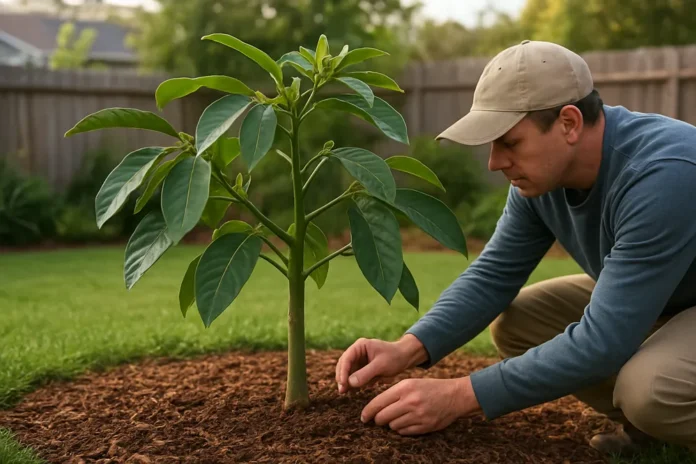
An avocado tree usually stops making new leaves because it is stressed by cold, watering problems, root issues, low light, or poor nutrition. Growth can also pause naturally after transplanting, fruiting, or seasonal weather changes.
When an avocado tree sits there for weeks or months without pushing new growth, it is usually telling you that something in its environment is off. Sometimes the problem is simple, like cool weather slowing growth, and sometimes it is a deeper issue such as soggy roots, compacted soil, or a tree that never really settled in after planting.
I have found that avocados can be a little dramatic compared with tougher backyard fruit trees. They often pause before they decline, so a lack of fresh leaves is one of the earliest warning signs. The good news is that a tree with healthy branches and live buds can often recover once you correct the stress that is holding it back.
If your avocado tree not growing new leaves has green wood but no flush of fresh foliage, focus on the tree's growing conditions before assuming it is dead. The pattern of the pause, along with the season and the condition of the leaves it already has, usually points you toward the real cause.
When No New Leaves Is Normal and when It Is a Warning Sign
Avocados do not grow at the same pace all year. They tend to grow in flushes, especially when temperatures are warm and the tree is actively rooted in. A temporary pause is normal after a recent planting, during cooler months, or after a heavy flowering or fruiting cycle. If the tree still has firm green stems, intact buds, and leaves that look mostly healthy, it may simply be between growth flushes.
It becomes more concerning when the tree has not pushed any fresh leaves through the main growing season, when older leaves are dropping fast, or when twigs are drying back from the tips. A tree that looks stalled and stressed at the same time is usually dealing with a root or environmental problem rather than just a normal seasonal pause.
- Usually normal: a short pause in late fall or winter, a few weeks after transplanting, or a brief rest after flowering
- More serious: limp or yellowing leaves, blackened leaf edges, branch tip dieback, mushy soil, circling roots, or no growth through warm weather
- Very concerning: bark that scratches brown instead of green, a sour smell in the root zone, or leaves dropping without any new buds swelling
When I am judging an avocado, I pay more attention to the buds and stem color than the calendar alone. A tree can look frozen for a while and still be fine if the buds are plump and the wood under the bark is green.
Watering Problems Are the Most Common Cause
Too Much Water Can Shut Growth Down
Avocados hate constantly wet roots. If the soil stays soggy, oxygen levels drop and the roots stop working well enough to support fresh leaf growth. In many home gardens, the tree is not truly overwatered by volume so much as watered too often for the soil type. Heavy clay, poor drainage, and mulch piled too close to the trunk make this worse.
A waterlogged avocado may look dull, stalled, and tired rather than obviously thirsty. Leaves can yellow, droop, or develop brown edges. New growth often fails to emerge because the tree is spending its energy dealing with root stress.
Too Little Water Also Stops New Leaf Flushes
Drought stress can pause growth just as effectively. If the root ball dries out hard between waterings, the tree may hold onto survival mode instead of investing in tender new leaves. This is especially common in containers, sandy soil, hot patios, and newly planted trees whose roots have not yet spread far into the surrounding ground.
- Signs of overwatering: soil stays wet for days, leaves droop even when soil is moist, lower leaves yellow, trunk base stays damp
- Signs of underwatering: soil pulls away from the pot edge, leaves curl or feel crispy, branch tips dry out, tree perks up briefly after watering
- Highest risk situations: containers without excellent drainage, clay soil, low spots in the yard, frequent shallow irrigation
I rarely judge avocado watering by the surface alone. I dig a few inches down or use a moisture probe because the top can look dry while the root zone underneath is still too wet.
Poor Drainage and Root Stress Often Hide Below the Surface
If your watering schedule seems reasonable but the tree still will not grow, the real issue may be the roots themselves. Avocados need air around their roots, and they struggle in compacted, dense, or chronically saturated soil. A tree can sit in the ground for months without much visible change if the roots never feel comfortable enough to expand.
Container avocados run into a different version of the same problem. Once roots circle the pot and fill the space, growth above ground slows because the tree has no room to support a fresh flush. Potting mix that has broken down into a dense mass can also stay wetter than it should.
Common Root Problems That Delay New Leaves
- Compacted garden soil that drains slowly after irrigation or rain
- Planting too deeply, which keeps the crown too wet
- Rootbound container plants with circling roots
- Damaged roots from rough transplanting or repeated disturbance
- Early root rot, especially in cool and soggy conditions
Root rot is one of the more serious avocado problems because the tree may stop growing long before it looks completely sick. If the soil smells sour, the lower trunk remains damp, or leaves are dropping while the tree stands still, root health should move to the top of your list.
Light and Temperature Strongly Affect Avocado Growth
Avocados grow best with plenty of sun and warmth. If a tree is tucked into too much shade, especially in a cooler climate, it may survive but fail to push vigorous new leaves. Indoor trees often struggle here. A bright room may feel sunny to us, but it is usually much dimmer than the light levels avocados want for active growth.
Temperature matters just as much. Avocados slow down sharply in cool weather, and cold nights can stall growth even when daytime temperatures are decent. Frost injury may damage buds and young shoots, leaving the tree alive but delayed. On the other end of the spectrum, extreme heat combined with dry wind can also halt tender new growth because the tree is trying to avoid moisture loss.
Conditions That Commonly Suppress New Leaves
- Less than full sun in most outdoor settings
- Indoor placement far from the brightest window
- Cold snaps that damage soft buds or new shoots
- Extended cool spring weather that delays the growth flush
- Hot reflected heat from walls or pavement, especially with dry soil
I have seen many avocados called ‘stuck’ when they were really just cold. Once nights warm up consistently, they often surprise you with a flush of growth that looked overdue for weeks.
Nutrient Issues Can Slow Leaf Production
An avocado that lacks nutrients may keep its older leaves but fail to produce much new growth. Nitrogen is the nutrient most closely tied to leafy growth, so low nitrogen can lead to pale foliage and a sluggish canopy. Deficiencies of iron, zinc, and other micronutrients can also interfere with healthy new leaf development, especially in alkaline soils where those nutrients are present but not easily available.
That said, more fertilizer is not always the answer. Too much fertilizer, especially in a pot, can burn roots and worsen the problem. Salt buildup from repeated feeding can leave the tree stressed, stalled, and less able to take up water.
Clues That Nutrition May Be Involved
- Older leaves look pale green rather than rich green
- New leaves, when they do appear, are small or weak
- Leaf veins stay green while the tissue between them yellows
- Growth has been slow for a long time, not just suddenly stalled
- The tree has not been fed in a long time during active growing seasons
If your avocado is in the ground, a soil test can tell you whether pH or nutrient balance is part of the problem. In containers, old potting mix can become depleted over time, so a light, appropriate feeding plan and fresh mix may help restore growth.
Transplant Shock, Pruning, and Fruit Load Can Pause Growth
A recently planted avocado often pauses while it rebuilds its root system. Even if the tree looked healthy in the nursery, moving it into a new pot or the ground disturbs the roots and changes moisture, temperature, and sun exposure all at once. During that adjustment period, the tree may hold still instead of pushing new leaves.
Pruning can have a similar effect if too much foliage was removed. The tree has to rebalance its canopy and roots before it returns to active leaf production. Young avocado trees carrying too much fruit may also divert energy away from vegetative growth. A heavily loaded tree often prioritizes ripening fruit over producing fresh shoots.
- Newly planted trees often need time before they leaf out strongly
- Heavy pruning can temporarily delay replacement growth
- A small tree holding several fruits may stall because energy is being diverted
- Root disturbance from repotting or moving the tree can set growth back for weeks
This kind of pause is usually temporary if the overall care is good. The key is not to pile on extra stress by overwatering, overfertilizing, or repeatedly moving the plant while it is trying to recover.
Pests and Disease May Damage Buds and Tender Growth
Although watering and roots are more common causes, pests and disease can also explain missing new leaves. Avocado trees with mites, thrips, scale, or severe insect feeding may have weakened buds or damaged new growth that never fully develops. Fungal issues can do the same, especially when moisture lingers on the plant and airflow is poor.
Look closely at shoot tips and the undersides of leaves. Distorted new growth, scarring, sticky residue, black sooty mold, webbing, or a fine speckled look can all point to a pest issue. Disease problems often show up as dark lesions, dieback, or tissue that collapses instead of expanding into healthy leaves.
Signs That Point Beyond Basic Care Issues
- New buds form but turn brown or dry before opening
- Leaves show stippling, silvery scarring, or sticky residue
- Shoot tips are blackened or distorted
- Twigs die back in patches rather than the whole tree looking generally stalled
- You can actually see scale, mites, or clusters of small insects on new growth
How to Help Your Avocado Start Growing Again
The best fix depends on the source of the stress, but the overall strategy is simple: improve root conditions, stabilize watering, and give the tree the light and warmth it needs to restart. Avocados respond better to steady care than to dramatic rescue measures.
- Check stem health by lightly scratching a small area of bark. Green tissue underneath means that part is still alive.
- Evaluate soil moisture a few inches down before watering again.
- Make sure excess water can drain freely from the site or container.
- Move container trees into the brightest practical location with several hours of direct sun if possible.
- Protect the tree from cold snaps and drying wind while it is recovering.
- Feed lightly during active growth if the tree appears nutrient starved, but avoid heavy fertilizer applications.
- Inspect buds and leaf undersides for pests so you do not miss a hidden cause.
If the tree is rootbound in a pot, repot into a slightly larger container with a fast-draining mix and excellent drainage holes. If it is planted too deeply in the ground or sitting in a wet pocket, improving drainage may matter more than anything else. With avocados, new growth often returns only after the root environment improves.
Change one thing at a time when you can. If you repot, move to more sun, and fertilize heavily all in the same week, it becomes much harder to tell whether the tree is recovering or just reacting to more stress.
What Recovery Usually Looks Like
Once the problem is corrected, the first sign of improvement is not always a full flush of leaves. You may notice buds swelling, branch tips staying greener, or older leaves holding steady instead of dropping. Those are good signs that the tree is regaining balance.
Healthy new growth often arrives as a burst rather than a trickle. Be patient, especially if the tree has been stressed for a while or the weather is still marginal. Judge progress by what the new growth looks like, not by whether old damaged leaves return to normal. Existing leaves rarely repair themselves, but fresh leaves tell you the tree is moving in the right direction.
FAQ
How Long Can an Avocado Tree Go Without Growing New Leaves?
A short pause of several weeks can be normal, especially after transplanting or during cool weather. If an avocado goes through much of the warm growing season with no new leaves, it is more likely dealing with stress from roots, water, light, or nutrition.
Will My Avocado Tree Grow New Leaves After Winter?
Yes, many avocado trees wait for warmer nights before they push fresh growth. If the wood and buds are still alive after winter, spring and early summer are the most likely times to see a new flush.
Can Overwatering Stop an Avocado Tree From Leafing Out?
Yes. Constantly wet soil deprives avocado roots of oxygen, and stressed roots cannot support healthy new growth. Overwatering is one of the most common reasons an avocado stalls.
Should I Fertilize an Avocado Tree That Is Not Growing?
Only if poor nutrition is likely and the roots are otherwise healthy. Fertilizing a waterlogged, root-damaged, or recently shocked tree can make things worse, so correct environmental stress first.
Why Does My Potted Avocado Tree Have No New Leaves Indoors?
Indoor avocados often struggle with low light, inconsistent watering, dry air, or tight roots. Even a sunny room is much dimmer than outdoor light, so indoor trees often grow more slowly and pause more often.
How Can I Tell if My Avocado Tree Is Still Alive?
Scratch a small patch of bark on a twig or branch. If the tissue underneath is green, that section is alive. Also look for firm buds and stems that are flexible rather than brittle and dry.
Need the right fix fast? Read our avocado tree care and problem-solving guides to compare symptoms, choose the best fertilizer, and prevent root stress before growth stalls again.
