

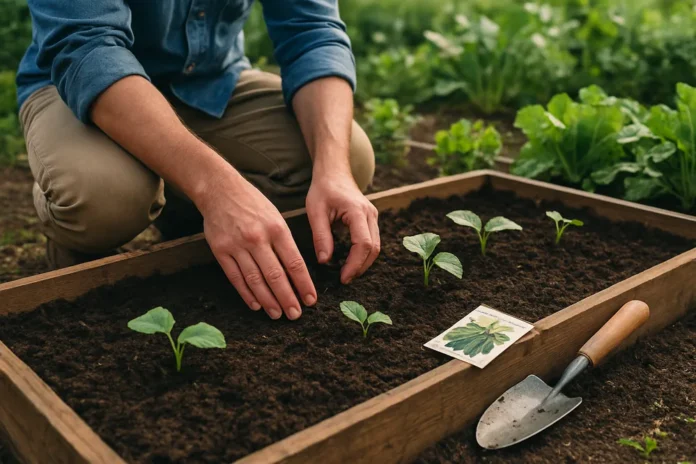
Cucumber seeds usually fail to germinate because the soil is too cold, too wet, too dry, or the seeds are old or planted too deep. They also struggle in compacted soil and can rot before sprouting when conditions stay chilly and soggy.
Few garden letdowns feel as unnecessary as planting a row of cucumbers, waiting a week, and seeing almost nothing come up. Cucumber seeds are usually fast and eager when conditions are right, so poor sprouting is a sign that something in the setup is working against them.
In my experience, the problem is usually not mysterious. It tends to come down to a small handful of issues: cold soil, inconsistent moisture, old seed, heavy soil, or planting too deep. Once you know what cucumber seed needs in those first several days, it gets much easier to diagnose why seeds aren't germinating and prevent the same problem next time.
The good news is that cucumbers grow quickly enough that you can often replant and still have a productive season. The key is fixing the conditions before you sow again so the second round does not disappear the same way.
What Normal Cucumber Germination Looks Like
Cucumber seeds are warm-season seeds. In good conditions, they usually germinate in about 3 to 10 days, with the faster end of that range happening when the soil is warm and evenly moist. If your garden is still cool from spring weather, germination can drag out or fail completely.
The ideal soil temperature for cucumbers is roughly 70 to 95 degrees Fahrenheit, though many gardeners see the most reliable results in the 75 to 85 degree range. Seeds can technically sprout in cooler soil, but they do it more slowly and with much more risk of rotting. That is why a packet may promise quick germination, yet real garden timing feels much less impressive early in the season.
- Typical germination time: 3 to 10 days in favorable conditions
- Best soil temperature: warm, not cool, ideally above 70 degrees Fahrenheit
- Best moisture level: consistently damp but not waterlogged
- Best depth: usually about 1/2 to 1 inch deep, depending on soil texture
When cucumber seed is taking too long, I almost always suspect temperature before anything else. If beans, squash, and cucumbers are all sitting still at the same time, the soil is usually telling the story.
Cold Soil Is the Most Common Reason
If I had to pick the single most common cause of poor cucumber germination, it would be sowing too early into cold ground. Cucumbers are not peas or spinach. They want genuine warmth, not just a nice afternoon. Soil can stay much colder than the air, especially after cool nights, spring rain, or cloudy stretches.
Cold soil slows the internal processes that trigger germination. Instead of swelling, splitting, and sending out a root, the seed may just sit there. The longer it sits, the more vulnerable it becomes to decay, fungal attack, or damage from excess moisture.
Signs Cold Soil Is the Issue
- You planted soon after the last frost date or before the soil had warmed
- Nights are still dropping into the 40s or low 50s
- The bed feels cool to the touch in the morning
- Other warm-season crops are also slow or failing
- Seeds have been in the ground for over 10 days with little to no activity
A simple soil thermometer removes the guesswork. Air temperatures can be misleading, but soil temperature tells you whether cucumber seed has a realistic chance. If the soil is below about 65 degrees Fahrenheit, I usually wait rather than gamble.
Too Much Water Can Rot Seeds Before They Sprout
Gardeners often assume more water helps seeds get started, but saturated soil is a major germination killer. Cucumber seed needs moisture to activate, yet it also needs oxygen. In waterlogged soil, the seed can swell and then rot before it ever pushes out a root.
This happens most often in heavy clay beds, low spots that stay wet after rain, overwatered containers, or seed trays with poor drainage. A seed that disappears in soggy soil is not lazy. It is often decomposing.
Clues That Excess Moisture Is the Problem
- The soil stays muddy or sticky for days
- Water pools on the surface after watering
- Seed-starting cells or pots have poor drainage
- The seed coat turns soft or slimy when dug up
- The seed smells sour or looks discolored
The goal is not dry soil. It is evenly moist soil with enough air spaces for roots to breathe. When I sow cucumbers, I want the soil to feel like a wrung-out sponge, not like pudding.
If you have a habit of rewatering every time the soil surface looks lighter, press a finger down to seed depth first. The top quarter inch can dry a bit while the seed zone underneath is still plenty moist.
Too Little Moisture Stops the Seed Mid-Process
The opposite problem is also common, especially in raised beds, sandy soil, and seed trays kept in warm sun. A cucumber seed must absorb enough water to start the germination process. If the soil dries out after that process begins, the seed can stall or die.
This often happens when gardeners water thoroughly at planting, then let the bed dry too much while waiting for sprouts. It can also happen when a thin top layer dries and crusts over, especially in windy weather. The seed is alive, but the conditions are too inconsistent for it to finish the job.
When Dryness Is Likely to Blame
- The planting area dries quickly between waterings
- The seedbed is exposed to full sun, wind, or heat all day
- You are using small cells or pots that dry out fast
- The soil pulls away from the sides of containers
- Dug-up seeds look hard and unchanged rather than swollen
Freshly planted cucumber seed does best with steady moisture, especially during the first week. Not soggy, not bone dry, and not shifting wildly between the two.
Old, Damaged, or Low-Quality Seed May Never Sprout
Sometimes the problem is simply the seed itself. Cucumber seed does not last forever, and poor storage shortens its life even more. Heat, humidity, and repeated temperature swings can reduce viability long before the packet looks old.
Seeds saved from a previous season can also be unreliable if they were harvested immature, stored while still damp, or exposed to moisture in the garage or shed. Even brand-new seed packets can occasionally be weak if they were mishandled somewhere along the supply chain.
How to Spot Seed Quality Issues
- The packet is several years old
- Seeds were stored in a hot shed, damp basement, or sunny windowsill
- The seeds look cracked, shriveled, moldy, or unusually pale
- Only one variety failed while other cucumber seed germinated normally
- Multiple sowings from the same packet keep failing in otherwise good conditions
If you are unsure, a simple germination test on a damp paper towel can save time. If only a few seeds sprout indoors under warm, stable conditions, the packet is likely the weak link.
Planting Depth Matters More Than Many Gardeners Think
Cucumber seeds are large enough to handle easily, which sometimes leads gardeners to tuck them too deep. If a seed is buried under too much soil, it may use up its stored energy before it reaches the surface. This is more likely in dense or crusted soil where the seedling has to push harder.
On the other hand, seeds planted too shallow can dry out quickly or get washed out of place. The sweet spot for most home gardens is around 1/2 to 1 inch deep, with the shallower end working well in heavy soil and the deeper end suiting lighter, faster-draining soil.
Depth Mistakes That Cause Trouble
- Burying seed deeper than 1 inch in average garden soil
- Pushing seed too deep in compacted raised bed mix
- Barely covering seed so it dries out quickly
- Watering hard enough to expose or displace the seed
- Creating a crusted surface layer the sprout cannot break through
When I replant after a failure, I often go a little shallower than I did the first time, especially in heavier soil. It is a small adjustment, but it can make a big difference when seedlings are struggling to emerge.
Heavy Soil, Crusting, and Poor Drainage Create Bad Germination Conditions
Even if your watering seems reasonable, the physical structure of the soil can still sabotage germination. Cucumbers like loose, well-drained soil with enough fine texture to hold moisture but enough air space to avoid stagnation. Dense clay, compacted beds, and crusted surfaces can interfere at every stage.
In heavy soil, a seed may sit in a cold, damp pocket for too long. If it does sprout, the new seedling may not have the strength to push through the packed surface. This is one reason garden soil often behaves differently from bagged seed-starting mix, even when both are watered the same way.
Symptoms of Poor Soil Structure
- The surface hardens after rain or irrigation
- Soil clumps into sticky lumps when wet
- The bed drains very slowly
- Seedlings sprout underground but fail to break the surface
- Roots in the area are shallow or stunted
For direct sowing, gently worked soil with compost blended in usually gives the best balance. In containers or seed trays, a light seed-starting or vegetable mix is a much safer choice than dense topsoil.
Pests, Disease, and Weather Damage Can Destroy Seeds Underground
Not every missing seed failed because of temperature or moisture. Seeds can also be eaten, infected, or physically damaged before you ever see a sprout. This is less common than simple cultural problems, but it does happen.
Birds may scratch up freshly planted rows. Insects and soil-dwelling pests can feed on seed or young roots. Fungal diseases are more likely in cool, wet conditions, where the seed lingers vulnerable in the soil. A hard rain can also compact or wash over the seedbed enough to ruin emergence.
Possible Hidden Causes Below the Surface
- Birds or squirrels disturbing the row after planting
- Seed corn maggots or other soil pests feeding on seed
- Fungal rot in cool, wet soil
- Crusted soil after pounding rain
- Flooding or washout that moved seed from the planting area
If you dig carefully and find split, rotted, hollowed, or missing seeds, that points away from simple dormancy and toward damage. The exact culprit may vary, but the pattern can still help you decide whether to replant in place or wait for better conditions.
How To Diagnose the Problem Before You Replant
Before sowing another round, take a few minutes to investigate. Dig up one or two seeds carefully from the row or cell. Their condition often tells you much more than the empty surface above them.
- Check how many days have passed since planting. Less than a week in marginal conditions may still be too soon to judge.
- Measure the soil temperature, especially in the morning.
- Dig up a seed gently and look at its condition.
- Feel the soil at seed depth, not just on the surface.
- Review how deep you planted and how often you watered.
- Consider seed age and storage history.
A plump seed that has softened but not sprouted often points to cold or excess moisture. A hard, unchanged seed suggests dryness or low viability. A mushy seed usually means rot. A sprouted seedling trapped below the surface hints at depth or crusting problems.
I try not to change five things at once after a failed sowing. If you warm the soil, lighten the watering, plant shallower, and switch seed all in one go, you may fix the problem but never learn which factor mattered most in your garden.
How To Improve Germination the Next Time
Once you know the likely cause, cucumber germination usually improves quickly. These seeds are not difficult when their basic needs are met. Most gardeners get much better results by adjusting timing and setup rather than trying complicated treatments.
Practical Ways to Get Better Sprouting
- Wait until the soil is reliably warm before direct sowing
- Use fresh, well-stored seed from a trusted source
- Plant about 1/2 to 1 inch deep based on soil type
- Keep the seed zone evenly moist, not soaked
- Loosen compacted soil and mix in compost if needed
- Use row cover or black plastic mulch to warm the bed earlier
- Start seeds indoors in warm conditions if your spring stays cool
- Avoid overhandling newly planted rows after heavy rain
If you are starting cucumbers indoors, warmth is the big advantage. A heat mat can speed and even out germination considerably. Just remember that cucumbers do not love root disturbance, so use roomy cells or biodegradable pots and transplant them while still young.
For direct sowing outdoors, I prefer to wait a little longer and get a quick, healthy emergence rather than plant early and gamble on cold ground. A delayed planting with warm soil often catches up surprisingly fast.
When It Makes Sense To Replant
If the soil is now warm and the original seeds have been sitting for more than 10 days with little sign of life, replanting is usually the practical choice. Cucumbers grow fast enough that losing another week to indecision can matter more than starting over.
Replant sooner if you uncover clear evidence of rot, washout, or dead seed. Wait a little longer only if conditions have just recently improved and the seeds still look viable. In shorter growing regions, many gardeners switch to transplants after a failed direct sowing to save time.
When you replant, do not simply repeat the same setup and hope for a different result. Adjust the likely cause first, whether that means waiting for warmer soil, watering more carefully, or replacing old seed with fresh stock.
FAQ
How Long Should Cucumber Seeds Take to Germinate?
In warm, favorable conditions, cucumber seeds often sprout in 3 to 10 days. Cooler soil can stretch that timeline and also increase the chance that seeds rot instead of germinating.
Will Cucumber Seeds Germinate in Cold Soil?
They may germinate slowly in somewhat cool soil, but they are much less reliable there. Cold soil is one of the main reasons cucumber seeds sit, rot, or emerge unevenly.
Should I Soak Cucumber Seeds Before Planting?
Soaking can slightly speed germination, but it is not necessary if the soil is warm and evenly moist. In wet or cool conditions, soaking can sometimes make seeds more vulnerable to rot.
How Deep Should I Plant Cucumber Seeds?
About 1/2 to 1 inch deep works well for most home gardens. Use the shallower end in heavy soil and the deeper end in lighter, fast-draining soil.
Can I Still Replant Cucumbers if the First Sowing Failed?
Yes. Cucumbers grow quickly, so a second sowing often catches up if you correct the original problem and replant into warmer, better-prepared soil.
Why Did My Cucumber Seeds Rot in the Ground?
Rot usually happens when the soil stays too cold, too wet, or both. In those conditions, the seed absorbs water but cannot complete germination before decay sets in.
Is It Better to Start Cucumbers Indoors if My Garden Soil Stays Cool?
It can be, especially in regions with slow springs. Warm indoor conditions improve germination, but cucumbers should be transplanted carefully and while still young to avoid root setback.
Still troubleshooting slow or failing seedlings? Read our guide to the best seed-starting mixes, heat mats, and propagation supplies so your next sowing comes up faster and more evenly.
