

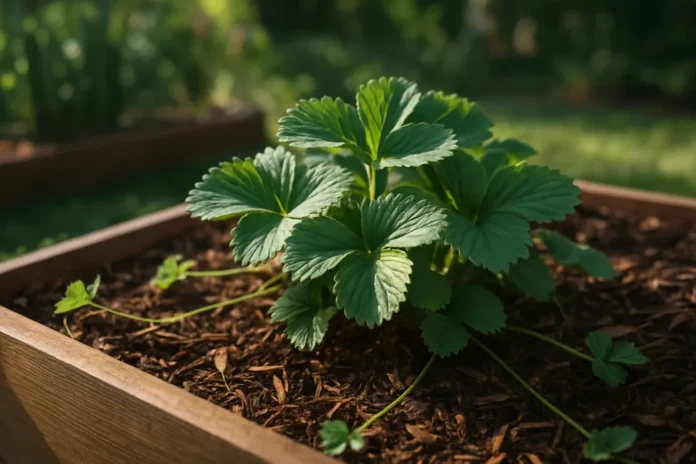
Strawberry plants usually fail to flower because they are getting the wrong seasonal cues or putting energy into leaves and runners instead of buds. Common reasons include too little sun, excess nitrogen, immature plants, overcrowding, heat stress, or a variety that flowers on a different schedule.
A strawberry plant that looks green and healthy but never blooms can be surprisingly frustrating. You water it, feed it, and watch it fill out, yet there are no blossoms and no berries on the way. In my experience, this usually means the plant is growing, but strawberry flowering is being delayed by variety, timing, or growing conditions rather than a total plant failure.
The good news is that a non-flowering plant often gives you clues if you know what to look for. Some strawberries naturally bloom later than expected, while others stop short because they have too much nitrogen, not enough sun, crowded roots, or stress from recent planting. Once you match the symptom pattern to the likely cause, it becomes much easier to get your strawberry plant back on track.
Know Your Strawberry Type Before You Assume Something Is Wrong
The first thing I like to sort out is what type of strawberry I am growing, because flowering habits vary a lot. June-bearing strawberries usually produce one main flush of flowers and fruit, typically in spring to early summer depending on your climate. Everbearing and day-neutral types can flower over a longer season, but they still slow down when conditions are poor.
If you bought a plant without a clear label, the timing can be confusing. A June-bearing plant that has already missed its bloom window may look perfectly fine but not flower again until the next season. Newly planted runners and bare-root plants can also spend their first stretch establishing roots and leaves before they put serious energy into blooms.
- June-bearing: one strong flowering and fruiting period, usually in spring
- Everbearing: several lighter flushes in cool periods
- Day-neutral: capable of flowering through much of the season when temperatures are moderate
- First-year plants: often slower to bloom, especially if recently planted or stressed
When gardeners tell me their strawberries are not flowering, I always ask when they planted them and whether they know the variety. A plant that is simply off-schedule is far more common than people think, especially with unlabeled nursery packs.
The Most Common Reasons Strawberry Plants Do Not Flower
Too Little Sun
Strawberries need plenty of direct sun to set strong buds. In most gardens, they do best with at least 6 to 8 hours of direct sunlight a day. Plants grown in partial shade often make lush leaves and long stems but very few flowers. Morning sun is helpful, but a bed shaded by fences, trees, or taller vegetables can easily cut flowering.
Too Much Nitrogen
Overfeeding is one of the biggest causes of leafy, bloom-free strawberries. High-nitrogen fertilizer pushes soft green growth, which looks healthy at first glance, but it can delay or suppress flower production. This is especially common when strawberries are planted near lawns or in beds that get frequent general-purpose feeding.
Immature or Recently Planted Plants
A plant that was only recently planted may still be focused on root establishment. Bare-root strawberries, fresh runners, and divisions often need time before they settle in enough to flower well. If planting happened late in the season, or during hot weather, the plant may postpone blooming until conditions improve.
Overcrowding
Strawberries spread by runners, and a patch can become overcrowded surprisingly fast. When too many daughter plants pack into the same space, they compete for light, water, and nutrients. Flowering drops off, berries get smaller, and air movement becomes poor. I often see this in older beds that were productive at first and then slowly turned into a dense mat of leaves.
Heat Stress
Strawberries generally flower best in mild conditions. Prolonged heat can reduce bud formation, especially for everbearing and day-neutral varieties. In very warm regions, plants may pause flowering in midsummer and resume when temperatures cool. A healthy-looking plant that stops blooming during hot spells is not unusual.
Missing Winter Chill or Poor Seasonal Cues
Some strawberry varieties rely on cool conditions to trigger proper bud development. If winter was too mild, or plants were grown in a way that prevented them from getting enough chilling, spring flowering can be weak. This tends to matter more with June-bearing types than with day-neutral plants.
Stress From Watering Problems or Root Issues
Both drought and soggy soil can interrupt flowering. Dry plants may shed buds before you notice them, while waterlogged roots can slow growth and reduce the energy needed for blooms. Container strawberries are especially prone to this because potting mix can swing from too wet to too dry faster than garden soil.
Signs That Point to the Real Cause
The overall look of the plant usually tells you more than the missing flowers alone. Instead of guessing, look at how the leaves, runners, crown, and growing site all fit together. A strawberry plant can be alive and even vigorous while still being in the wrong condition for blooming.
- Lots of big green leaves but no buds often points to excess nitrogen or too little sun
- Healthy new growth with many runners often means the plant is investing in spread rather than flowering
- Small, weak plants with pale leaves may be underfed, rootbound, or stressed by poor soil
- Plants in a packed bed with many crowns close together often need thinning or renewing
- A recent planting with otherwise healthy foliage may simply not be mature enough yet
- Flowering that stops only during very hot weather suggests heat stress rather than a permanent problem
I do not judge strawberries by old leaves alone. I look at the newest growth in the crown because that tells me what the plant is trying to do right now, whether that is making buds, runners, or just more foliage.
How to Get a Strawberry Plant to Start Flowering
Give the Plant More Direct Sun
If your strawberries get less than 6 hours of direct sun, flowering can be weak or absent. Move containers to a brighter spot, or thin nearby plants that are casting shade. In raised beds, even a few extra hours of direct light can make a noticeable difference.
Back Off High-nitrogen Feeding
If you have been using a lawn fertilizer or a strong all-purpose fertilizer, stop feeding so heavily. Choose a more balanced fertilizer or one formulated for fruiting plants, and apply it lightly. Once strawberries have too much nitrogen, they need time to shift back from leaf production to bud formation.
Thin Crowded Plants and Remove Excess Runners
A crowded patch often needs renewal. Remove weak, extra, or poorly placed runner plants so each crown has room, light, and air. In many home beds, trimming runners and keeping spacing reasonable improves flowering more than adding extra fertilizer.
Water Consistently but Do Not Keep Soil Soggy
Aim for evenly moist soil, especially during active growth and bud formation. Strawberries do not like to dry out completely, but they also hate sitting in heavy, wet soil. A layer of mulch helps keep moisture more stable and reduces sudden stress.
Be Patient with New Plants
If the plants are young or were planted recently, time may be the missing ingredient. Many strawberries perform much better once they are rooted in and acclimated. The fix is not always more feeding or more water. Sometimes it is simply allowing the plant to establish before expecting a full bloom cycle.
Match the Variety to Your Climate and Expectations
If you want a long harvest window, day-neutral or everbearing types are often a better fit than June-bearing plants. In warmer regions, some gardeners are disappointed because they expect nonstop flowering from a plant that naturally pauses in heat. Knowing the variety helps you decide whether the plant is struggling or behaving normally.
When I am trying to correct non-flowering strawberries, I change one major factor at a time. If you move the plant, feed it, prune it, and change watering all at once, it becomes much harder to tell what actually solved the problem.
Container Strawberries Have a Few Extra Challenges
Strawberries can do very well in containers, but flowering problems show up faster there than in the ground. Pots dry quickly, roots heat up more, and nutrients wash out or build up unevenly. A plant in a small pot may look fine for weeks and then stall because the root zone is simply too restricted.
- Use a container with drainage holes and enough room for root growth
- Refresh old potting mix if it has compacted or stopped draining well
- Keep containers in full sun, but protect them from extreme reflected heat
- Water deeply when the top inch begins to dry instead of giving frequent tiny sips
- Avoid overfeeding with high-nitrogen liquid fertilizer
If a potted strawberry has filled the container with roots, repotting can help restore vigor. Crowded roots limit both flowering and fruit size. I have seen container plants bounce back quickly once they had fresh mix, more room, and a steadier watering routine.
When No Flowers Can Signal a Bigger Plant Health Problem
While timing and care are the usual issues, sometimes a plant is too stressed or weakened to bloom. Root rot, crown damage, virus problems, or severe pest pressure can all reduce flowering. These cases usually come with other symptoms besides the lack of blossoms.
- Wilting despite moist soil can point to root problems or crown rot
- Stunted growth with distorted leaves may suggest pest or disease issues
- Dark, mushy crowns often mean rot and poor odds for recovery
- Declining plants with no flowers across an entire old bed may need full renewal
If the crown is firm, leaves are generally healthy, and roots are white to light tan, the plant still has a good chance of flowering once conditions improve. But if the crown is damaged or the roots are badly compromised, replacement may be more practical than trying to nurse the plant along.
A strawberry that is merely off its bloom schedule usually still looks energetic at the crown. When the center growth loses vigor, turns dark, or stays tiny even in decent weather, I start thinking less about flowering conditions and more about plant decline.
What to Expect After You Make Corrections
Strawberries do not always respond overnight. If lack of bloom was caused by shade, overfeeding, or crowding, the plant may need several weeks before you see flower buds. In some cases, especially with June-bearing types, the real payoff may not show until the next natural bloom cycle.
Watch for stronger crown growth, tighter plant form, and fewer oversized floppy leaves. Those are often early signs that the plant is shifting away from excess foliage and toward productive growth. If conditions are right and the season is favorable, buds usually follow.
If you have corrected sun, watering, and feeding but still get no blooms after a full season, it is worth reconsidering the variety, the age of the planting, and whether the bed needs to be renewed with fresh stock.
FAQ
Can a Strawberry Plant Be Healthy and Still Not Flower?
Yes. A strawberry can look green and vigorous while still missing the conditions or seasonal cues needed to make buds. Too much nitrogen, too little sun, or the wrong timing for that variety are common reasons.
Do Strawberry Plants Flower in Their First Year?
Some do, but first-year flowering can be light, delayed, or inconsistent. Bare-root plants and new runners often need time to establish before they bloom well.
Will Removing Runners Help My Strawberry Plant Flower?
Often, yes. Runners take energy away from flowering and fruiting, especially on small or young plants. Removing excess runners can redirect the plant's energy back to buds and berries.
How Much Sun Do Strawberries Need to Bloom Well?
Most strawberries need at least 6 to 8 hours of direct sun for strong flowering. Less light usually means fewer blooms and lower fruit production.
Why Does My Strawberry Plant Have Leaves but No Flowers?
Leafy growth without flowers usually points to excess nitrogen, too little sunlight, recent planting stress, or a plant that is putting energy into runners instead of buds.
Can Hot Weather Stop Strawberries From Flowering?
Yes. Many strawberries reduce or pause flowering during prolonged heat. Everbearing and day-neutral plants often resume blooming when temperatures become milder.
Should I Fertilize a Non-flowering Strawberry Plant More?
Not automatically. If the plant already has lots of lush green leaves, more fertilizer may make the problem worse, especially if it is high in nitrogen. Feeding should match the plant's condition, not just the missing flowers.
Want better blooms and bigger harvests from your berry patch? Read our guide to the best fertilizers, mulches, and growing systems for strawberries so you can fix flowering issues faster and grow more fruit.
