

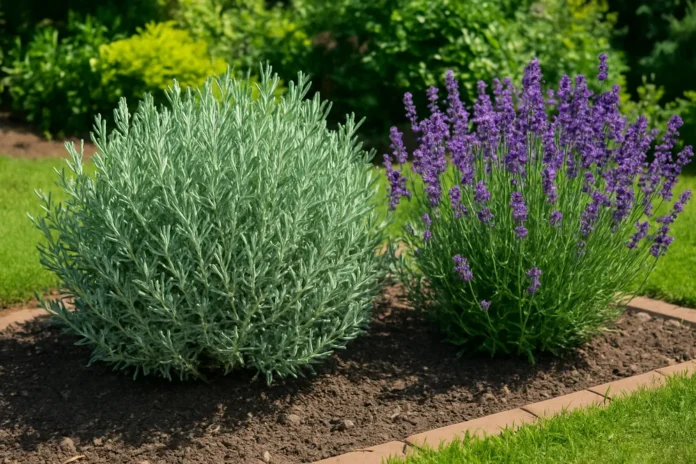
Lavender usually fails to bloom because it is getting too little sun, too much nitrogen, improper pruning, or winter stress. Some plants also need more time to mature or simply bloom later than expected in your climate.
Few things are more disappointing than a healthy-looking lavender plant that never puts on the purple flowers you were waiting for. When lavender stays green and leafy but refuses to bloom, the problem is usually not mysterious. In most home gardens, it comes down to light, soil, pruning, age, or weather stress.
I have found that lavender is often treated like a thirstier, softer perennial than it really is. Gardeners tend to feed it, water it, and pamper it the way they would a flowering annual, but that usually pushes leaf growth instead of blooms. Once you match the plant to the lean, sunny conditions it prefers, flowering usually improves.
The good news is that a non-blooming plant can often recover. If you can pinpoint what is interrupting bud formation, you can usually help your lavender flower better next season and sometimes later in the current one.
What Normal Lavender Blooming Looks Like
Before assuming something is wrong, it helps to know what your lavender variety is supposed to do. English lavender usually blooms from late spring into early summer, while some hybrid lavenders and warmer-climate types can bloom more than once. In cooler regions, bloom may be later and shorter. In hot regions, a spring flush is often the main show.
A healthy plant does not always look covered in flowers year-round. Many lavenders bloom heavily for a few weeks, then settle back into gray-green foliage. If your plant bloomed lightly last year or was recently planted, it may simply need another season to establish before it performs well.
- Young plants often prioritize root growth before heavy flowering.
- Different varieties bloom on different schedules.
- Plants in cooler or cloudier areas usually flower later than those in full, hot sun.
- Recently transplanted lavender may skip or reduce flowering while it recovers.
Not Enough Sun Is the Most Common Cause
Lavender is a sun-loving Mediterranean plant, and it really means it. If it gets less than about 6 to 8 hours of direct sun, flowering often drops off fast. A plant can stay alive in bright conditions that are not truly sunny, but it may produce lots of foliage and few or no blooms.
This is especially common when nearby shrubs, young trees, fences, or even a house wall cast more shade than they used to. I have seen lavender grow bigger every year while blooming less, simply because the surrounding landscape slowly closed in around it.
When I troubleshoot a non-blooming lavender, sunlight is the first thing I question, even if the bed looks bright. Morning shade and filtered afternoon light can be enough for survival but not enough for strong bloom production.
- Leggy stems stretching toward light
- Loose, floppy growth instead of a dense mound
- Healthy leaves but very few flower spikes
- Better flowering on the sunnier side of the plant
If shade is the issue, the best fix is usually to move the plant or open up the area around it. Lavender is not a great candidate for waiting and hoping in part shade. It tends to decline gradually rather than suddenly.
Soil That Is Too Rich Can Stop Flowering
Lavender blooms best in lean, fast-draining soil. When it is planted in rich garden beds loaded with compost, manure, or high-nitrogen fertilizer, it often responds by making soft green growth instead of flower buds. That may look vigorous, but it is not the kind of growth you want.
This catches many gardeners off guard because we are taught that rich soil is always better. For vegetables and many annuals, that is true. For lavender, too much fertility can be part of the problem. The plant naturally prefers rougher conditions where it has to work a little harder.
- Dark green, lush leaves with few buds
- Long, soft stems that flop open
- A plant growing in a heavily amended flower bed
- Regular feeding with lawn fertilizer or bloom boosters that still contain significant nitrogen
If your soil is rich, stop fertilizing and avoid adding more compost around the crown. In some cases, replanting into a grittier, leaner spot works better than trying to correct an overly fertile bed in place.
Poor Drainage and Overwatering Can Delay or Prevent Blooms
Lavender hates sitting in wet soil. Even if root rot has not set in, soggy ground can stress the plant enough to reduce flowering. Constant moisture tells lavender to keep pushing vegetative growth rather than settling into the drier rhythm that supports bloom production.
In containers, this problem often comes from using moisture-retentive potting mix or watering on a schedule instead of by feel. In the ground, heavy clay soil and low spots are the usual culprits. If the roots stay damp for days, the plant may look dull, sparse, or weak before flowering fails altogether.
- Soil stays wet more than a day or two after rain
- Leaves look droopy even though the ground is moist
- Lower stems start browning or softening
- The plant seems to stall instead of producing buds
If you are not sure whether water is the issue, stop watering for a bit longer than feels comfortable and watch the new growth. Lavender usually recovers better from being slightly too dry than from being kept consistently damp.
Improving drainage may mean amending clay with grit, planting on a mound, or moving the plant to a raised bed. For container lavender, use a sharply draining mix and a pot with generous drainage holes.
Pruning at the Wrong Time Removes Flower Potential
Lavender benefits from pruning, but timing matters. If you shear it too late, too hard, or into old woody stems, you may remove developing flower stems or weaken the plant enough that blooming slows down. Different lavender types flower on slightly different schedules, but in general, heavy pruning is best done after flowering or in early spring once new growth begins.
One common mistake is cutting the plant back hard in fall, especially in colder regions. That can leave it more vulnerable to winter damage and reduce next season's bloom. Another is letting the plant get woody for years, then trying to reshape it all at once.
- Avoid cutting deep into bare, leafless wood unless you know the variety responds well.
- Trim lightly after a bloom flush to encourage shape and possible rebloom.
- Do structural pruning in spring when you can see where healthy new growth is emerging.
- Remove spent flower stalks without scalping the whole plant.
If pruning is the issue, you may simply need to wait for the plant to recover and then prune more gently on the next cycle. Lavender rarely responds well to drastic renovation.
Age and Variety Both Affect Flowering
Not all lavender plants are equal bloomers. Some varieties are naturally heavier flowering than others, and some are grown more for fragrance or form. If you started from seed, there can also be more variation from plant to plant than there is with named nursery varieties.
Age matters too. A very young lavender may not bloom much in its first year, especially if planted late or stressed during establishment. On the other end of the spectrum, an old woody plant may produce fewer flowers each season as the center opens up and vigor declines.
Older lavender often tells on itself through structure before bloom count drops. When the middle turns woody and hollow and most leafy growth shifts to the outer shell, I start thinking replacement is usually more rewarding than heroic rescue.
If your plant is young, patience may be enough. If it is old and woody, replacing it with a fresh, well-sited plant is sometimes the best long-term answer. Lavender is not one of those perennials that always improves with age.
Climate Stress Can Interfere with Bud Formation
Weather plays a bigger role in lavender flowering than many gardeners expect. A harsh winter can kill buds or damage stems. A cold, wet spring can delay growth. Excess humidity can make the plant less vigorous overall, especially in the South and other muggy summer climates.
Late frosts are another issue. If tender new growth or forming flower spikes are nipped, the plant may need time to regrow and may miss its main bloom window. In very hot climates, some lavenders also pause when summer heat becomes extreme, then recover a bit when temperatures moderate.
- Winter dieback on stem tips
- Blackened or wilted new growth after a frost
- Healthy spring foliage followed by a stalled bloom season
- Persistent humidity-related stress, especially with poor air circulation
You cannot control the weather, but you can reduce its impact by choosing varieties suited to your USDA zone and regional humidity. Planting in a very open, sunny spot with strong air movement often helps more than extra feeding or watering.
Pests and Disease Are Less Common, but Still Possible
Lavender is generally not a high-pest plant, but stress can make it more vulnerable. Root rot, crown rot, fungal issues, and occasional sap-sucking insects can reduce vigor enough that blooming suffers. In these cases, non-blooming is usually just one symptom among several.
Look beyond the missing flowers. If stems are blackened at the base, foliage is yellowing unevenly, or parts of the plant are collapsing, think health problem rather than simple cultural mismatch. The fix depends on the cause, but wet conditions are involved surprisingly often.
- Mushy, dark crown tissue suggests rot
- Patchy dieback may point to stem or root problems
- Sticky leaves or distorted new growth can indicate insects
- Gray mold may appear in crowded, humid conditions
If disease is advanced, replacement is often more practical than treatment. Lavender usually rebounds best when the environment is corrected rather than when it is heavily sprayed.
How to Get Lavender Blooming Again
Once you know the likely cause, focus on correcting the growing conditions rather than forcing bloom with fertilizer. Lavender responds best to simple adjustments that line up with its natural preferences.
- Give the plant full sun, ideally 6 to 8 hours or more.
- Cut back on water and let the soil dry more between soakings.
- Stop fertilizing unless the plant is clearly nutrient deficient for some unrelated reason.
- Improve drainage with a mound, raised bed, or grittier soil mix.
- Prune lightly and at the right time rather than cutting into old wood.
- Replace very old, woody, poorly placed plants if they no longer perform.
Do not expect instant flowers after every fix. If the plant missed its bud-setting window, you may not see a big change until the next bloom cycle. What you want to watch first is healthier structure, firmer growth, and better bud formation on new stems.
Change one major variable at a time if you can. When gardeners move a plant, prune it hard, and change watering all in the same week, it becomes much harder to tell what actually helped or stressed it.
When It Makes Sense to Replace the Plant
Sometimes the best solution is starting over. Lavender that has spent years in wet clay, deep shade, or a too-rich border may never become a truly good bloomer, even if it survives. Likewise, old woody plants with dead centers often stay sparse and uneven no matter how carefully you prune.
If you decide to replace it, choose a variety known to perform well in your region. Plant it in the sunniest, driest, best-drained spot you have, and resist the urge to over-improve the soil. New lavender usually does better with a smart location than with extra fuss.
- Replace plants with severe crown rot or root rot.
- Replace very woody plants with little leafy growth left.
- Replace lavender that has repeatedly failed in shade.
- Replace varieties that are poorly suited to your climate.
FAQ
Can Lavender Have Healthy Leaves and Still Not Bloom?
Yes. That is very common when the plant gets enough light and water to stay alive but not enough direct sun to set strong flower buds. Overly rich soil can also keep it leafy but bloom-poor.
Will Fertilizer Help Lavender Flower?
Usually not. Lavender often blooms less when given too much fertilizer, especially nitrogen. In most cases, better sun, leaner soil, and sharper drainage help more than feeding.
How Much Sun Does Lavender Need to Bloom Well?
Lavender generally needs at least 6 to 8 hours of direct sun a day for strong flowering. More sun is usually better, especially in cooler parts of the U.S.
Does Overwatering Stop Lavender From Flowering?
It can. Constantly damp soil stresses the roots and encourages soft leafy growth instead of flowers. Overwatering also increases the risk of rot, which weakens blooming even more.
Why Did My Lavender Bloom Last Year but Not This Year?
A change in sunlight, pruning, winter damage, late frost, or wetter-than-usual soil can all reduce flowering from one year to the next. Even nearby plants casting extra shade can make a big difference.
Should I Deadhead Lavender to Get More Flowers?
Deadheading spent flower stalks can help keep the plant tidy and may encourage a lighter second flush on some varieties. It will not overcome major issues like shade, rich soil, or poor drainage.
Can a Potted Lavender Fail to Bloom for Different Reasons than One in the Ground?
Yes. Container lavender often struggles from potting mix that holds too much moisture, undersized pots, or inconsistent sun exposure. The core needs are the same, but pots dry and heat differently than garden soil.
Is Old Lavender Less Likely to Bloom?
Yes, especially when it becomes woody and open in the center. Older plants often produce fewer flowers and respond less well to pruning than younger, more vigorous plants.
Want better flowers, fragrance, and survival from every lavender you plant? Read our guide to the best lavender varieties, soils, and pruning tools so you can choose the right setup from the start.
