

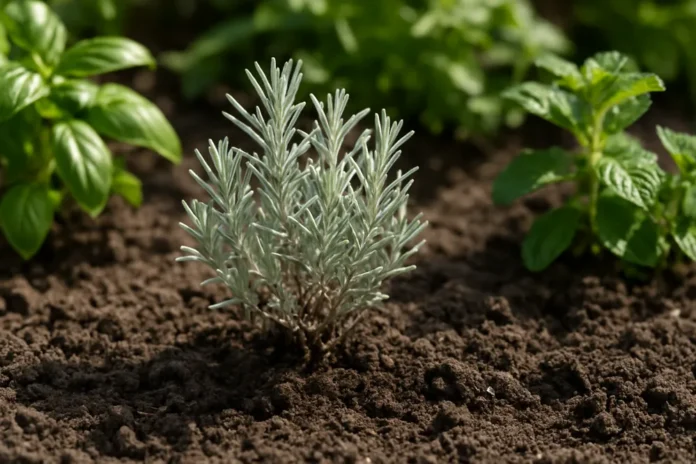
Lavender usually stops growing because its roots stay too wet, its soil drains poorly, or it is not getting enough direct sun. Cold damage, rich fertilizer, crowded roots, and heavy pruning at the wrong time can also keep it small and stalled.
When lavender not growing becomes the problem, the cause is usually not a mystery disease. In most home gardens, lavender stalls because the plant is sitting in conditions that feel too damp, too rich, too shady, or too cold for what is naturally a dry-climate herb.
I have found that gardeners often try to help lavender the same way they help thirsty annuals or hungry vegetables. That usually backfires. Lavender grows best when life is a little lean, sunny, and fast-draining, and it can sulk for a long time if those basics are off.
The good news is that slow or stunted growth is often reversible if you catch the real issue early. Once you match the fix to the symptom pattern, you can usually tell within a few weeks whether the plant is finally settling in and pushing new growth.
What Healthy Lavender Growth Should Look Like
Before you diagnose a problem, it helps to know that lavender is not a fast, lush grower like basil or mint. A healthy plant often grows steadily but modestly, especially in its first season while it focuses on roots. Some varieties stay naturally compact, and newly planted lavender may spend weeks establishing before you see obvious top growth.
What you want to see is firm silvery-green foliage, short sturdy stems, and gradual fresh growth from the tips during warm weather. If the plant stays the same size for months, develops weak floppy stems, or shows dieback instead of new shoots, then something in its environment is likely holding it back.
- Healthy young lavender may grow slowly at first but still look tidy and firm.
- Mature plants should gradually widen and thicken each season rather than shoot up quickly.
- Growth is usually strongest in full sun during spring and early summer.
- Sparse, stretched, yellowing, or mushy growth points to stress rather than normal slow establishment.
Too Much Water Is the Most Common Reason Lavender Stalls
Lavender hates wet feet. If the soil stays damp for long stretches, roots cannot get the oxygen they need, and the plant slows down or stops growing altogether. In containers, this often happens when pots are watered on a schedule instead of by feel. In the ground, it is common after frequent lawn irrigation, rainy weather, or planting in a low spot.
Overwatered lavender may look dull gray-green, droopy, or thin rather than richly green. New growth can be weak, and older stems may start browning from the base. If roots begin to rot, the plant may look dry and wilted even though the soil is wet.
When I am deciding whether lavender is overwatered or underwatered, I look at the crown and lower stems first. If they seem soft, darkened, or tired while the soil still feels cool and moist, I assume excess water long before I blame drought.
Signs Water Is Part of the Problem
- Soil feels damp several inches down days after watering
- Leaves droop but do not crisp up
- Lower stems darken or soften
- The plant never seems to dry out between waterings
- Growth is sparse even though you have been attentive with care
Let the soil dry more thoroughly before watering again, especially for established plants. Lavender wants deep but infrequent watering, not constant moisture. If the roots have only recently been stressed, simply correcting the watering pattern may be enough to restart growth.
Poor Drainage and Heavy Soil Can Suffocate the Roots
Even if you are not overwatering, lavender can stall in dense clay or compacted garden beds that hold moisture too long. This is one of the biggest reasons a plant that looked fine at planting time suddenly stops growing after a few weeks. The roots are alive, but they are working in soil that stays airless and cold.
Lavender prefers loose, gritty, sharply draining soil. In much of the U.S., native soil runs heavier than what lavender would choose on its own. That does not mean you cannot grow it, but it does mean site selection matters. Raised beds, sloped areas, gravelly amendments, and containers often work better than flat, heavy ground.
Clues That Drainage Is the Real Issue
- Water puddles around the plant after rain
- The bed stays wet longer than nearby areas
- Soil feels sticky or slick when squeezed
- The base of the plant declines even when the top still has some color
- Lavender planted in a pot grows better than lavender planted in the ground
If drainage is poor, the best fix is often to move the plant rather than keep trying to nurse it in the wrong spot. Replant into a mound, raised bed, or container with a gritty potting mix. Lavender usually responds better to improved drainage than to almost any fertilizer or treatment.
Not Enough Direct Sun Leads to Weak, Slow Growth
Lavender wants full sun, and that means at least 6 hours of direct light, with 8 or more being even better in many regions. If it sits in filtered shade, next to taller perennials, under a tree canopy, or on the north side of a house, growth can slow dramatically. The plant may survive, but it rarely thrives.
Low-light lavender often stretches toward the brightest direction, producing long stems with fewer leaves. Flowering also drops off. In humid parts of the country, extra sun matters even more because it helps foliage dry quickly and keeps the crown healthier.
If you are judging sun exposure, do not count bright daylight. Count actual direct sun hitting the plant. A spot that feels sunny to you can still be too shaded for lavender if nearby shrubs or fences block the strongest part of the day.
If surrounding plants have grown up and now cast shade, pruning those neighbors back may solve the problem. Otherwise, transplanting to a brighter site is often the cleanest fix.
Rich Soil and Too Much Fertilizer Can Hold Lavender Back
This surprises a lot of gardeners, but lavender does not need rich, heavily amended soil to grow well. In fact, excess nitrogen can encourage soft, floppy foliage instead of compact, healthy growth. The plant may look greener for a short time but become weaker overall, especially if the soil also stays moist.
A lavender planted near a vegetable bed or regularly fed with general-purpose fertilizer can put on odd, lush growth that is more vulnerable to rot and winter damage. If your plant is alive but not shaping up properly, overfeeding may be part of the issue.
- Avoid frequent feeding with high-nitrogen fertilizer.
- Skip rich compost piled around the crown.
- Do not use moisture-retentive soil blends made for annual flowers.
- If soil is already fertile, lavender often needs no fertilizer at all.
In most cases, the better move is to improve drainage and sun rather than add nutrients. Lavender grown a little lean usually becomes sturdier and more aromatic.
Planting Depth, Mulch, and Crown Burial Can Cause Slow Growth
Lavender is especially sensitive at the crown, which is the point where stems meet the roots. If that area is planted too deeply or buried under damp mulch, growth can stall because the crown stays too wet. This is a frequent issue when gardeners treat lavender like shrubs that enjoy heavy mulch around the base.
Organic mulch such as shredded bark can hold moisture against the stems, which lavender dislikes. Gravel or small stone is usually a better choice because it helps keep the crown drier and reflects warmth.
How to Spot Crown Stress
- Stems at soil level look brown or softened
- Mulch is piled right against the plant
- The plant was set lower than it sat in the nursery pot
- Growth from the center is sparse while outer stems linger weakly
Pull mulch back from the base and make sure the crown is not buried. If the plant was set too low and the site is damp, lifting and replanting slightly higher can make a big difference.
Cold Damage and Seasonal Timing May Be Slowing It Down
Lavender is not equally hardy in every climate or every variety. English lavender is generally more cold tolerant, while Spanish and French types can struggle in colder winters. A plant that survives winter may still emerge slowly if stems were damaged by freeze-thaw cycles, winter wet, or drying winds.
Sometimes the plant is not truly failing. It is just late to wake up. Lavender often lags behind faster spring growers, especially after a rough winter. Wait until you see where green buds are actually forming before deciding a plant is done.
I rarely rush to prune winter-touched lavender hard in early spring. I scratch-test stems and wait for obvious new buds, because dead-looking wood often extends farther than people expect, and cutting too early can remove the exact growth the plant was about to use.
If winter injury is severe, growth may only return from lower stems or not at all. In colder regions, choosing a hardier variety and placing it in a protected, sunny, well-drained spot gives you much better odds next season.
Root Stress After Transplanting Can Pause Growth for Weeks
Newly planted lavender often looks stuck because it is adjusting to a new site. If roots were pot-bound, broken during planting, or placed into soil with a very different texture than the nursery mix, the plant may spend its energy recovering rather than growing upward.
A common pattern is a plant that stays the same size for a month or more but still looks basically intact. If foliage remains firm and the crown is healthy, that kind of pause may be simple transplant shock rather than a major care mistake.
- Give new lavender time before judging final success.
- Water deeply after planting, then back off and let the soil partly dry.
- Do not fertilize to force faster top growth.
- Protect from crowding by larger nearby plants.
Most healthy transplants begin to improve once roots start exploring the surrounding soil. If the plant continues declining instead of merely pausing, look back at drainage, sun, and planting depth.
Container Problems Can Keep Lavender Small
Lavender can do very well in pots, but container conditions need to be right. Small pots dry too fast one day and stay soggy the next if the mix is dense. Decorative containers without sufficient drainage holes are especially risky. Roots may circle tightly, the crown may stay wet, and growth can remain weak all season.
Choose a pot with generous drainage and enough size for the variety you are growing. Use a loose mix that drains quickly rather than a heavy moisture-control blend. Terracotta is often a good choice because it breathes and dries more predictably than some glazed pots.
Container Mistakes That Often Cause Stunting
- Using a pot without drain holes
- Keeping a saucer full of water under the container
- Planting in dense, peat-heavy mix
- Choosing a pot too small for mature root growth
- Watering lightly every day instead of deeply and less often
Pruning Mistakes Can Reduce New Growth
Lavender benefits from pruning, but timing and technique matter. If you cut too hard into old woody stems that have no active buds, the plant may struggle to replace that growth. On the other hand, if you never prune at all, lavender can become leggy and unproductive over time.
The safest approach is to trim after flowering or lightly shape in spring once new growth is visible, while avoiding deep cuts into bare wood. Young, green growth responds well. Old, brown, leafless wood often does not.
If your lavender stopped growing right after a hard trim, give it time and watch for new shoots from living green areas. If none appear and large sections remain dry and brittle, those stems may have been cut past the plant's ability to rebound.
How to Tell if Pests or Disease Are Involved
Lavender is not usually a magnet for serious pests, especially compared with many garden plants. When it does have trouble, disease linked to moisture is much more common than insect pressure. Root rot, crown rot, and fungal decline are bigger concerns than chewing pests.
That said, spittlebugs, aphids, or occasional leaf damage can appear. These are usually minor unless the plant is already stressed by poor growing conditions. If you see insects, do not assume they are the main reason growth has stalled. Weak plants attract secondary problems.
- Rot problems are more likely when lavender sits in wet, heavy, or crowded conditions.
- Minor insect activity usually does not stop growth by itself.
- Blackened bases, mushy crowns, and whole-stem collapse point more toward disease than pests.
- Improving air flow and drainage is often more useful than spraying.
What to Do Next if Your Lavender Is Not Growing
Start with the basics instead of reaching for fertilizer or random treatments. Check how much direct sun the plant receives, how quickly the soil drains, whether the crown is buried or mulched too heavily, and how often you water. Those four factors explain most lavender growth problems.
- Confirm the plant gets full direct sun.
- Check soil moisture several inches down before watering again.
- Inspect the crown for burial, rot, or mulch pressed against stems.
- Decide whether the site drains fast enough after rain or irrigation.
- Hold off on fertilizer unless a clear deficiency is proven.
- Prune only back to living green growth, not deep into bare wood.
- Transplant to a raised, brighter, drier location if the site is fundamentally wrong.
Once you make a correction, resist the urge to change five other things at the same time. Lavender often needs a little patience after stress, and the best sign of recovery is fresh, firm new growth, not an instant size jump.
FAQ
Can Lavender Recover After Not Growing for Months?
Yes, if the roots and crown are still alive. Lavender can sit still for quite a while after transplanting, winter damage, or moisture stress, then resume growth once conditions improve.
Should I Fertilize Lavender if It Looks Small?
Usually no. Lavender more often suffers from excess moisture, low light, or heavy soil than from lack of nutrients, and too much fertilizer can make growth softer and weaker.
How Often Should I Water Slow-growing Lavender?
Water only when the soil has had time to dry partly between soakings. Established lavender prefers deep, infrequent watering rather than light daily watering.
Does Lavender Grow Better in Pots or in the Ground?
It depends on your soil. In areas with heavy clay or poor drainage, lavender often performs better in containers or raised beds because the roots stay drier.
Why Is My Lavender Green but Not Getting Bigger?
That often means the plant is surviving but not thriving. Limited sun, root-bound conditions, cool weather, or transplant shock can keep it alive without encouraging much new growth.
Will Pruning Help a Stalled Lavender Plant?
Only if the plant has healthy green growth to respond from. Light shaping can help, but hard pruning into old woody stems can slow recovery even more.
Is Mulch Bad for Lavender?
Heavy organic mulch around the base often is. Lavender prefers its crown to stay dry, so gravel or a thin layer of stone is usually safer than bark piled against the stems.
Need the right setup for healthier, faster-growing plants? Read our guide to the best soil mixes, gravel mulches, and containers for lavender so you can fix the root cause with confidence.
