

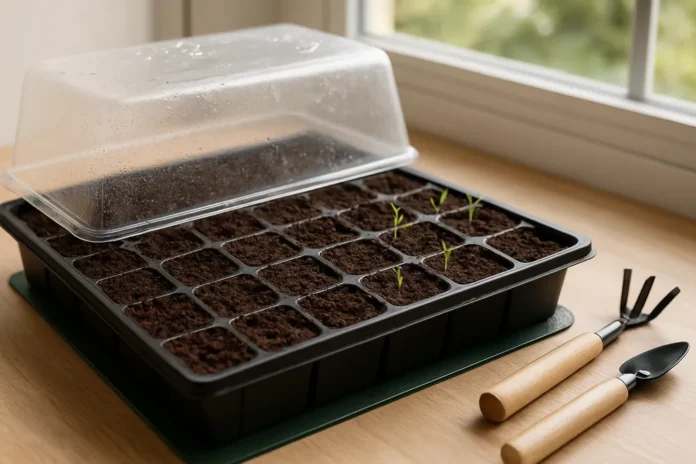
Rosemary seeds often do not germinate because the seed is old, the starting mix is too wet or too dry, or temperatures are too cool. Even under good conditions, rosemary is naturally slow and inconsistent from seed.
If your rosemary seeds have been sitting in their tray for what feels like forever, you are not alone. Rosemary is one of those herbs that teaches patience early. It can be frustrating because other seeds pop quickly, while rosemary may sprout slowly, unevenly, or not at all even when you think you did everything right.
In my experience, poor germination with rosemary usually comes down to a handful of common issues: old seed, cool conditions, too much water, not enough light, or simply expecting fast results from a plant that rarely behaves that way. The good news is that once you understand its quirks, you can improve your odds quite a bit.
Below, I will walk through the most likely reasons rosemary seeds are not germinating, what healthy germination conditions actually look like, and when it makes more sense to stop waiting and start over.
Rosemary Seed Germination Is Naturally Slow and Unreliable
The first thing to know is that rosemary is not a fast, high-percentage seed starter like basil or marigolds. Even fresh seed can germinate slowly, and not every seed will sprout. Depending on the variety and conditions, rosemary may take 14 to 28 days, and sometimes longer. Low germination rates are common, so a tray that looks sparse is not always a sign you failed.
This matters because many gardeners assume nothing is happening after a week or ten days and start changing conditions too aggressively. They water more, move the tray, cover and uncover it repeatedly, or let it swing between warm afternoons and cold nights. That extra fuss often makes the problem worse.
When I sow rosemary, I expect uneven results from the start. If a packet says 7 to 14 days, I still mentally prepare for three weeks or more, because rosemary often ignores the optimistic end of the seed packet timeline.
Old or Low-quality Seed Is One of the Biggest Reasons
Rosemary seed does not stay highly viable for very long compared with many vegetable and flower seeds. If your packet is old, stored in a humid garage, or came from an uncertain source, germination may be poor from the beginning. A lot of home gardeners blame themselves when the real issue is that the seed simply had weak viability before it ever hit the tray.
Fresh seed gives you the best shot. If you are using seed left over from a past season, especially if it is more than a year or two old, your results may drop sharply. Seed packets sometimes still carry a legal sell-by date while performing far below what you would hope for in a home setup.
- Seeds are several seasons old
- The packet was previously opened and stored somewhere warm or damp
- The seed source is unknown or very inexpensive with no variety information
- You planted plenty of seeds but none show even partial sprouting after several weeks
Temperatures May Be Too Cool for Good Sprouting
Rosemary seed germinates best in warm conditions. Cool windowsills are a classic problem. The light may look bright, but the surface of the potting mix often stays much cooler than gardeners realize, especially at night. If the soil dips too low, germination slows down dramatically or stalls.
A steady soil temperature around 65 to 75 degrees Fahrenheit usually works best. The key word is steady. A tray that gets warm in the afternoon sun and chilly after dark can be less effective than a tray kept at a stable moderate temperature. Heat mats can help, but only if they do not dry the mix too quickly.
- Best range for germination is usually about 65 to 75 degrees Fahrenheit
- Night temperatures below 60 degrees can noticeably slow sprouting
- Drafty windows, unheated porches, and garages often stay too cool
- Bottom heat can help when room temperatures run low
The Seed-starting Mix May Be Too Wet, Too Dry, or Too Heavy
Moisture problems are another major reason rosemary seeds fail. The seeds need consistent moisture to wake up, but they do not do well in soggy, airless media. If the mix stays waterlogged, seeds can rot before they ever sprout. On the other hand, if the surface dries out completely, newly germinating seeds can die before you ever notice them.
A fine, well-drained seed-starting mix is better than dense garden soil or a heavy potting blend. The texture should hold moisture without becoming muddy. Think evenly damp, like a wrung-out sponge, not saturated and not dusty dry. This is especially important with rosemary because its seeds are small and slow, so they stay exposed to those conditions for a longer period.
I like to moisten the seed-starting mix thoroughly before sowing instead of flooding it afterward. That gives me more even moisture and reduces the chance of washing tiny rosemary seeds too deep into the tray.
Planting Depth Can Prevent Rosemary From Emerging
Rosemary seeds should not be buried deeply. Many gardeners cover them with too much mix, and the seedlings never make it to the surface. A light covering is enough, and some growers barely press them into the surface at all with just a dusting of mix or vermiculite.
Because the seed is small, it has limited energy reserves. If it has to push through too much soil, it may fail before reaching light. Deep sowing also keeps the seed in cooler, wetter conditions, which can further reduce success.
- Sow on the surface or cover only very lightly
- Avoid burying seeds more than about 1/8 inch deep
- Do not compact the mix over the seed
- Mist gently if the surface needs moisture after sowing
Light Can Influence Germination and Early Success
Rosemary seeds are often started under brighter conditions than many gardeners expect. While germination itself depends heavily on moisture and warmth, low light can still contribute to problems, especially once seedlings start to emerge. In dim conditions, tiny rosemary seedlings weaken quickly, and sparse germination can look worse because the few that sprout struggle almost immediately.
A sunny window is sometimes enough, but not always in late winter or early spring. Bright grow lights placed close enough to the tray usually give more consistent results. Good light after emergence will not fix bad seed, but it does help the seedlings that manage to sprout stay sturdy and alive.
Humidity Covers Can Help, but They Can Also Create Rot
Plastic domes and covers are useful for holding moisture around slow-germinating seeds, but they are not automatically better. If the air under the dome stays too stagnant and the mix remains wet, fungal growth and seed rot become more likely. Rosemary is one of those seeds where too much kindness can backfire.
If you use a dome, vent it occasionally and remove it once you see germination beginning. You want humidity, not swampy conditions. Condensation dripping heavily back onto the tray is usually a sign things are too closed up.
Watering Habits Often Drift During the Long Wait
Because rosemary can take a while to sprout, watering habits tend to become inconsistent. A gardener starts carefully, then gets busy, then overcompensates. The tray dries out one week, then gets drenched the next. That cycle is rough on seeds that need stable moisture for a relatively long period.
Try to keep the medium evenly moist from sowing through germination. Not soaked, not crusted over. Bottom watering can help if your tray setup allows it, because it keeps the surface from being disturbed. Just do not leave the container standing in water for long stretches.
When rosemary refuses to sprout, I look closely at the top quarter inch of mix. If the surface keeps swinging from pale and flaky to dark and soggy, the moisture pattern is the problem even if the tray seems generally ‘watered enough.’
Sterile Conditions Matter More than Many Gardeners Think
Dirty pots, reused trays with old residue, or homemade mixes containing unsterilized garden soil can introduce pathogens that damage seeds before they germinate. Since rosemary seeds already germinate slowly, they spend more time vulnerable to fungi and rot organisms than quicker seeds do.
Starting with clean containers and a fresh seed-starting mix improves your odds. This does not need to become a laboratory operation, but it does mean rinsing and sanitizing old trays and skipping heavy backyard soil for this stage.
Your Expectations May Not Match Rosemary's Timing
Sometimes the issue is not that rosemary seeds are failing, but that they are taking longer than expected. Seed packets and online sources often give ideal timelines. In average home conditions, with small shifts in temperature and light, actual germination may lag. If your setup is decent and the seeds are fresh, it can still take patience.
That said, there is a limit. If nothing has germinated after about three to four weeks under proper warmth and steady moisture, I usually start questioning seed viability or sowing conditions rather than continuing to wait indefinitely.
How to Tell Whether to Keep Waiting or Start Over
Deciding whether to be patient or reseed is one of the hardest parts. If your tray has been warm, lightly moist, and properly lit for less than two weeks, waiting still makes sense. If you are between two and four weeks and seeing occasional sprouts, I would usually stay the course a bit longer. Uneven germination is normal with rosemary.
If the tray has been sitting for a month with no sprouts at all, especially with older seed or cool conditions, it is often more efficient to start fresh. Use new seed, clean trays, a light seed-starting mix, and better temperature control. You are not giving up too early at that point. You are saving time.
- Keep waiting if the seeds are fresh and conditions have been consistently warm and moist for less than three weeks
- Consider reseeding if the tray has dried out repeatedly or stayed soggy
- Start over if old seed has shown zero germination after three to four weeks
- Reseed sooner if mold, algae, or a sour smell suggests the medium is breaking down
The Best Way to Improve Germination Next Time
If you want better success on the next round, stack the odds in your favor rather than relying on perfect luck. Use fresh rosemary seed from a reliable source. Fill clean trays with a fine, sterile seed-starting mix. Pre-moisten the mix, sow the seeds shallowly, and place the tray somewhere with steady warmth. Then keep the surface evenly moist while providing bright light.
It also helps to sow more seeds than the final number of plants you want. Rosemary rarely gives one hundred percent germination, so a little redundancy is practical. If you only need two plants, do not sow exactly two seeds and hope for perfection.
- Buy fresh seed for the current season if possible
- Use a light, sterile seed-starting mix instead of dense potting soil
- Moisten the mix before sowing
- Press seeds onto the surface and cover only very lightly
- Keep soil temperatures around 65 to 75 degrees Fahrenheit
- Maintain even moisture without saturating the tray
- Give the tray bright light as soon as seedlings appear
- Sow extras because germination is often uneven
When Seed Is Not the Easiest Way to Grow Rosemary
If your goal is simply to grow rosemary for cooking or containers, starting from seed is not always the most practical route. Many gardeners, myself included, often prefer buying a healthy nursery plant or rooting cuttings from an established rosemary plant. Both methods are faster and usually more reliable than seed.
That does not mean seed is a bad option. It is just the slow route, and one that asks for patience and decent conditions. If you enjoy propagation and do not mind some trial and error, seed can still be rewarding. But if you mainly want a productive herb plant this season, a transplant may be the smarter move.
FAQ
How Long Does Rosemary Take to Germinate?
Rosemary commonly takes 14 to 28 days to germinate, and sometimes a bit longer. It is usually slower and less uniform than many other herb seeds.
Do Rosemary Seeds Need Light to Germinate?
Rosemary seeds are often sown very shallowly and benefit from bright conditions, but the main factors are warmth and steady moisture. A light covering is usually better than burying them deeply.
Should I Soak Rosemary Seeds Before Planting?
Some gardeners soak rosemary seeds briefly to encourage hydration, but it is not essential. Fresh seed, warm temperatures, and correct moisture matter more than soaking.
Why Did My Rosemary Seeds Mold Instead of Sprout?
Mold usually points to overly wet mix, poor airflow, contaminated containers, or a humidity dome left closed too long. Slow germination makes rosemary especially vulnerable to rot in soggy conditions.
Can Rosemary Seeds Germinate in Cold Soil?
They may germinate very slowly in cool soil, but your success rate usually drops. Warmer, stable temperatures give much better results.
Is It Normal for Only a Few Rosemary Seeds to Sprout?
Yes, uneven and incomplete germination is common with rosemary. That is why it helps to sow more seeds than the number of plants you want to keep.
When Should I Give Up on Rosemary Seeds and Reseed?
If nothing has emerged after about three to four weeks under good warmth and moisture, reseeding is reasonable. I would especially restart if the seed is old or the tray has had moisture problems.
Want stronger results with herbs from the start? Read our guide to the best seed-starting mixes, heat mats, and grow lights so you can build a setup that actually improves germination.
