

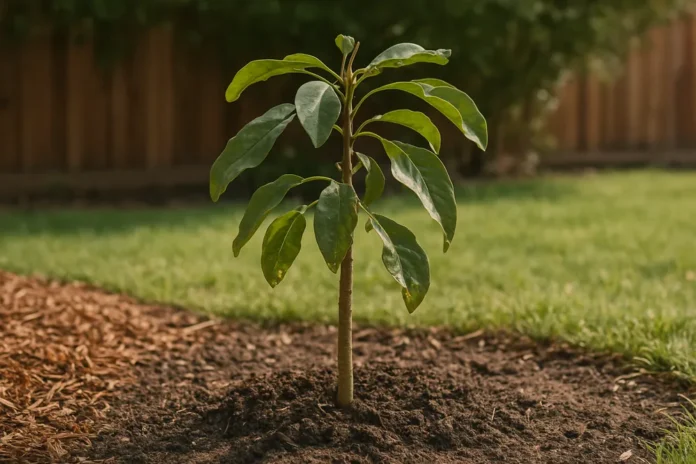
An avocado tree usually stops growing because its roots are stressed by watering problems, poor drainage, cold weather, low light, or a pot that no longer fits. Slow growth can also come from transplant shock, nutrient imbalance, or simply the tree’s natural seasonal pause.
A young avocado can be frustratingly slow when something in its environment is off. If your avocado tree has not put on new leaves, shoots, or height in weeks or months, the problem is usually not mystery disease. More often, it is a growth-limiting condition like soggy roots, compacted soil, too little sun, cold stress, or a container setup that quietly holds the tree back.
I have found that avocado trees are much less forgiving than many backyard fruit trees when their roots stay wet or their growing conditions swing around. They may not collapse right away, but they often respond by simply stalling. That makes not growing an important symptom to take seriously early, before yellow leaves, branch dieback, or root rot follow.
The good news is that a stalled avocado usually gives you clues. Once you match the slowdown to the right cause, new growth often returns with the next warm spell.
What Normal Avocado Growth Should Look Like
Avocado trees do not grow at the same pace year-round, so the first question is whether your tree is truly stalled or just moving through a normal pause. In much of the U.S., growth surges in warm weather and slows sharply in cool seasons. A newly planted tree may also spend a while establishing roots before you see much top growth.
Healthy growth usually appears as fresh leaf flushes, soft green shoots, slightly lengthening branches, and gradual canopy thickening. A tree that is alive but not actively growing may still look reasonably green. A tree with a problem often shows slow growth plus other symptoms such as drooping leaves, yellowing, leaf burn, blackened tips, or twigs that never push new buds.
- Young avocado trees typically grow in spurts rather than steadily every week.
- Growth is often strongest from spring into summer when soil and air temperatures are warm.
- Container trees usually grow more slowly than in-ground trees.
- Trees planted recently may prioritize root establishment before obvious top growth.
Watering Problems Are the Most Common Cause
Overwatering and Poor Drainage
If I had to bet on one reason an avocado is not growing, I would start with wet roots. Avocados need moisture, but they hate sitting in heavy, airless soil. When the root zone stays saturated, roots cannot breathe well, feeder roots die back, and the tree slows or stops new growth to protect itself.
This happens in containers without enough drainage, in clay soil that stays soggy after rain, or when a tree is watered too often in cool weather. Growth may stall before the leaves look dramatic, so do not wait for collapse before correcting it.
- Soil stays wet for several days after watering
- Leaves droop but the soil is not dry
- Leaf tips darken or brown
- The tree looks dull, stagnant, and never pushes strong new shoots
- A sour smell comes from the potting mix in container plants
When an avocado looks thirsty but the soil still feels damp a few inches down, I do not water. That combination often points to roots that are already stressed, not roots that need more moisture.
Underwatering and Repeated Drought Stress
Too little water can also stop growth, especially in containers, sandy soil, or hot windy sites. Avocados have shallow feeder roots, so they dry out faster than many gardeners expect. Repeated dry spells cause the tree to conserve energy rather than put out new growth.
A drought-stressed avocado often has curled leaves, dry leaf margins, and crispy tips. New shoots may emerge weakly and stop short. The tree may survive but sit in place for a long time.
Soil and Root Issues Often Hide Below the Surface
Compacted or Unsuitable Soil
Avocado roots like loose, well-drained soil with good oxygen flow. Heavy compacted ground, construction-disturbed sites, or planting areas where water collects can keep roots from expanding. When roots cannot spread, top growth stalls because the tree does not have the support system it needs.
Even if the tree looks green, a restrictive soil profile can keep it stuck at the same size for a season or more. This is especially common when a planting hole was dug into dense clay but the surrounding ground was not improved, creating a bowl that traps water.
Root-bound Container Trees
Potted avocados can stop growing when roots fill the container and begin circling. At that point, water runs through too quickly or, in some potting mixes, not evenly enough. Nutrients are used up fast, root temperatures swing more, and the tree can no longer support steady new growth.
- Roots are visible at drainage holes or on the soil surface
- The pot dries out extremely fast in warm weather
- The tree topples easily because roots have filled the pot
- Growth is weak even though light and watering seem adequate
Transplant Shock and Damaged Roots
Avocados can sulk after planting, repotting, or root disturbance. A tree may spend several weeks recovering from broken feeder roots before it resumes growth. If the root ball was buried too deeply, planted too low, or handled roughly, the slowdown can last much longer.
If you recently repotted, judge recovery by new growth, not by whether the old leaves perk back up. Avocados often hold tired-looking older foliage while quietly rebuilding roots first.
Light and Temperature Can Keep an Avocado in Survival Mode
Not Enough Sun
Avocado trees need strong light to grow well. In many U.S. gardens, they do best with full sun once established, though very young trees in extreme heat may appreciate some protection during the harshest afternoon period. If a tree lives in too much shade, indoors away from bright light, or beside larger plants that block sun, growth often becomes sparse and sluggish.
Low-light avocado trees may stretch, produce pale leaves, and fail to push sturdy branch development. They can stay alive for quite a while without really thriving.
Cool Weather and Cold Damage
Avocados are warmth-loving trees. When temperatures drop, especially below their comfort zone, growth slows dramatically or stops altogether. This is normal in winter, but cold snaps can do more than pause growth. They can damage tender buds and new shoots, setting the tree back for months.
A cold-stressed tree may keep old leaves but lose its growing momentum. New tips can blacken, foliage may droop, and the tree may look frozen in place until warmer weather returns.
- Indoor trees near cold windows or heat vents often stall
- Outdoor trees planted in exposed windy spots grow slowly
- Late frosts can kill new growth even if the tree survives
- Cool soil temperatures reduce root activity and nutrient uptake
Nutrient Problems Can Cause Slow or Stalled Growth
Avocados need regular but balanced nutrition. A tree that lacks nitrogen, certain micronutrients, or overall fertility may stay small and pale with little new growth. On the other hand, too much fertilizer can burn roots and slow growth just as effectively.
Too Little Fertility
Nitrogen deficiency often shows up as pale green leaves, reduced vigor, and short weak shoots. Container trees are especially prone to this because potting mix loses nutrients over time. If your avocado has lived in the same mix for a long time without feeding, slow growth may simply reflect hunger.
Too Much Fertilizer or Salt Buildup
Avocado roots are sensitive to fertilizer salts. Heavy feeding, frequent synthetic fertilizer use, or salty irrigation water can burn root tips and suppress growth. Symptoms may include brown leaf edges, leaf drop, and a tree that seems stuck despite being watered and fed.
With avocados, more fertilizer is rarely the answer to slow growth unless you already know the tree is underfed. When I see leaf edge burn and stalled growth together, I think about root stress and salt buildup before I think about adding more plant food.
Planting Depth, Mulch, and Trunk Stress Matter More than People Realize
A surprising number of avocado trees struggle because they were planted too deep or mulched incorrectly. The trunk flare should not be buried under soil or pressed up against wet mulch. When the crown stays too damp, the tree becomes more vulnerable to decline and root health issues that reduce growth.
Keep mulch a few inches away from the trunk and use it to moderate soil moisture over the broader root zone instead. This helps shallow roots stay cooler and more evenly moist without smothering the base of the tree.
- Buried trunk tissue can stay too wet and decline
- Mulch piled against the trunk traps moisture where it should not
- Exposed roots without mulch may dry too quickly in heat
- String trimmer or mower damage can weaken a young tree and slow growth
Pests and Disease Can Reduce Vigor Even Without Dramatic Symptoms
Although cultural problems are more common, pests and disease can absolutely slow an avocado down. Root rot is the most serious concern, especially in poorly drained conditions. Leaf-feeding pests such as mites, thrips, or scale may also weaken the tree over time if populations build up.
The key is that these issues often show up alongside growth problems, not instead of them. If your avocado is not growing and also has leaf spotting, webbing, distorted new leaves, sticky residue, branch dieback, or a generally declining canopy, look more closely for a biological cause.
- Root rot is more likely where drainage is poor
- Mites can cause stippling and weak-looking foliage
- Scale insects may reduce vigor and leave sticky honeydew
- Disease pressure rises when the tree is already stressed by site or watering problems
How to Figure Out Which Problem Is Stopping Growth
The fastest way to diagnose a stalled avocado is to work from the root zone outward. Start with moisture, drainage, light, and temperature before assuming fertilizer or disease. Avocados usually stop growing because the basics are off.
- Check soil moisture a few inches down, not just at the surface.
- Notice how long the soil stays wet after watering or rain.
- Look at recent weather for cold spells, wind, or heat stress.
- Count how many hours of strong light the tree actually receives.
- Inspect the planting depth, mulch placement, and trunk base.
- Examine leaves for edge burn, yellowing pattern, pests, or distortion.
- For potted trees, slide the root ball partly out to see whether roots are circling or packed tightly.
Try to match the pattern rather than chasing every possible cause at once. A soggy pot, yellowing leaves, and no growth point in a different direction than a dry root ball, crisp leaf edges, and a tree in blazing reflected heat.
How to Help Your Avocado Start Growing Again
The right fix depends on the cause, but most avocado recoveries come down to improving root conditions and reducing stress. Once the roots are in a better environment, the tree often responds with a fresh flush of leaves and shoots when the season is right.
- Water deeply but let the upper soil dry slightly before watering again.
- Improve drainage or replant on a mound if the site stays soggy.
- Repot root-bound trees into a container with strong drainage and fresh, airy mix.
- Move container trees into brighter light if they are underlit.
- Protect the tree from cold snaps, drying wind, and sudden temperature swings.
- Feed lightly and consistently during active growth rather than heavily all at once.
- Keep mulch over the root zone but away from the trunk.
- Avoid pruning hard while the tree is stalled unless removing dead wood.
After you make a correction, give the tree time. Avocados do not usually respond overnight. What you want to see is healthy new growth, not necessarily instant improvement in older damaged leaves.
When Slow Growth Is Seasonal and Not a Problem
Sometimes an avocado is simply resting. Winter slowdown, the first year after planting, and brief pauses between flushes can all be normal. If the tree has healthy green leaves, no signs of trunk decline, no obvious root stress, and resumes growth when warm weather returns, the slowdown may not need intervention.
That said, truly healthy avocados do not remain stagnant indefinitely during favorable conditions. If it is warm, bright, and the tree has been in place long enough to settle, a complete lack of new growth is worth investigating.
FAQ
How Long Can an Avocado Tree Go Without New Growth?
A short pause can be normal between growth flushes or during winter. If a tree shows no new growth through warm active growing weather, especially for several months, something is probably limiting it.
Will an Avocado Tree Grow Slowly in a Pot?
Yes. Container avocados usually grow more slowly than trees in the ground because root space, moisture, and nutrient levels are more restricted. They also become root-bound faster.
Can Too Much Water Stop an Avocado Tree From Growing?
Absolutely. Overwatering and poor drainage are among the most common reasons avocado trees stall. Wet roots lose oxygen, feeder roots decline, and the tree stops pushing new growth.
Does Cold Weather Make Avocado Trees Stop Growing?
Yes. Avocados slow down sharply in cool conditions and may stop growing altogether in winter. Frost or repeated cold exposure can also damage new buds and delay growth well into spring.
Should I Fertilize an Avocado Tree That Is Not Growing?
Only if lack of nutrition is the likely cause. If roots are stressed by soggy soil, poor drainage, cold, or salt buildup, extra fertilizer can make the problem worse rather than better.
How Do I Know if My Avocado Tree Is Root-bound?
Common signs include roots circling the pot, roots emerging from drainage holes, very fast drying between waterings, and little or no top growth despite otherwise decent care.
Can Transplant Shock Make an Avocado Stop Growing?
Yes. After planting or repotting, avocados often pause while they rebuild damaged feeder roots. Recovery is usually measured by fresh new growth later, not by instant improvement in older leaves.
Want the best next step for a stalled avocado? Read our avocado tree care and fertilizer guides to choose the right soil mix, feeding plan, and recovery products before the tree declines further.
