

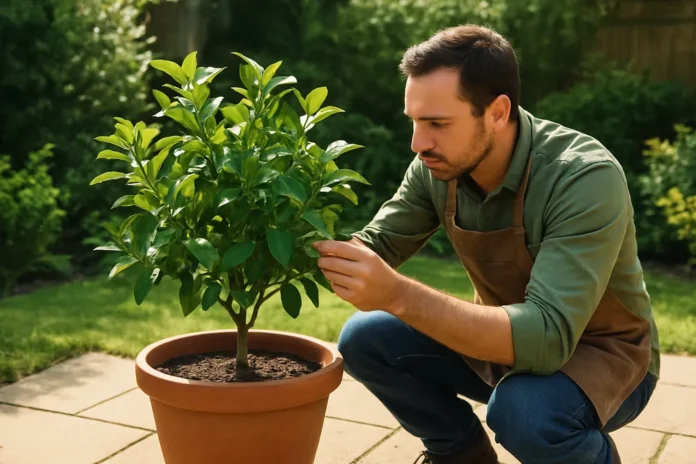
A lemon tree usually fails to flower because it is too young, not getting enough sun, pushing leafy growth from excess nitrogen, or reacting to pruning and temperature stress. Indoor lemons also commonly skip blooming when light and seasonal conditions stay too weak or too even.
It is frustrating to care for a lemon tree that looks healthy enough, keeps making leaves, and still refuses to bloom. In my experience, a non-flowering lemon is usually not a mystery disease. It is more often a signal that one of the plant's basic bloom triggers, especially sun, maturity, or seasonal stress, is missing.
The good news is that flowering problems are often fixable once you narrow down the cause. A lemon tree not flowering may be too young to bloom, growing in the wrong light, overfed with nitrogen, pruned at the wrong time, or held in temperatures that never encourage buds to form.
How Lemon Trees Decide to Bloom
Lemon trees do not flower on a random schedule. They bloom when enough conditions line up: maturity, strong sunlight, adequate nutrition, and a stable but slightly seasonal pattern that tells the tree it is time to reproduce. If even one of those factors is off, the tree may stay in leaf-making mode instead.
Unlike some ornamentals, lemons can be surprisingly stubborn about flowering indoors or in marginal conditions. A tree can look green and alive while still lacking the energy reserves to set buds. That is why it helps to think of blooming as an energy decision. The tree flowers when it has enough stored strength and the environment feels favorable.
- Young trees focus first on roots, trunk, and branch structure.
- Established trees need long hours of direct sun to support flower production.
- Heavy nitrogen feeding often pushes foliage instead of buds.
- Pruning can remove the wood where flowers would have formed.
- Indoor conditions may stay too dim, too warm, or too static for reliable bloom cycles.
A Young Tree May Simply Not Be Mature Enough
One of the most common reasons a lemon tree does not flower is that it is still juvenile. Grafted nursery trees usually bloom sooner than seed-grown trees, sometimes within a couple of years under good care. Seed-grown lemons can take many years before they reach flowering maturity.
If you grew your tree from seed or bought a very small plant recently, patience may honestly be the main answer. A tree can produce lush new growth and still be years away from its first meaningful bloom cycle. This is especially common when gardeners expect quick results from seedling citrus.
When I am diagnosing a non-blooming lemon, I ask how the tree started before I ask anything else. A vigorous seedling can fool you into thinking it is ready, but seed-grown citrus often spends a long time acting like a teenager before it ever behaves like a fruiting tree.
- Grafted lemon trees generally flower much earlier than seed-grown trees.
- Very young trees may drop buds or avoid flowering while building roots.
- A tree in a small nursery pot may also need time to establish after transplanting.
Insufficient Sunlight Is a Major Cause
Lemon trees want full sun, and they mean it. Outdoors, they generally need at least 8 hours of direct light for strong blooming. Indoors, a bright room that feels sunny to us is often still too weak for citrus to flower well, especially through winter.
Low light often produces a tree that looks soft, leafy, and stretched. It may keep surviving without ever storing enough energy to make buds. If the branches are long and sparse, the new leaves are smaller than expected, or the tree only grows toward one window, light is a prime suspect.
- Outdoor lemons bloom best in all-day direct sun.
- South-facing windows are usually the best indoor option in the U.S.
- Winter light through glass is much weaker than summer outdoor light.
- Grow lights are often necessary for indoor citrus in cooler climates.
If I have to choose between repotting, feeding, or improving light first, I improve light first. Citrus can tolerate a lot, but it rarely rewards dim conditions with flowers.
Too Much Nitrogen Can Keep the Tree Leafy
Fertilizer helps lemons grow, but the wrong balance can work against flowering. High-nitrogen products encourage lush shoots and dark green leaves. That sounds good until you realize the tree is putting all its effort into vegetative growth instead of flower buds.
This is especially common when gardeners use lawn fertilizer nearby, feed frequently with general-purpose plant food, or add rich manure without considering nutrient balance. A lemon tree overloaded with nitrogen often looks impressively green while refusing to bloom.
Citrus does need regular feeding, but it responds best to a fertilizer formulated for citrus or fruiting plants, with micronutrients included. The goal is steady growth and bud support, not nonstop leafy flushes.
- Very dark, lush foliage with no blooms can point to excess nitrogen.
- Citrus fertilizers are usually better than generic high-nitrogen feeds.
- Micronutrients such as magnesium, iron, and zinc also matter for overall citrus health.
- Overfeeding can be just as limiting as underfeeding when bloom is the goal.
Pruning at the Wrong Time Removes Potential Flowers
Lemon trees do not need heavy routine pruning the way some shrubs do. If you trim aggressively, especially right before a natural bloom period, you may remove the tips and young wood where buds were about to develop. The tree then has to spend energy replacing shoots instead of flowering.
This happens often with potted citrus that gardeners keep shaping for size. A tidy, compact tree may look better on the patio or indoors, but repeated clipping can interrupt flowering cycles. Prune mainly to remove dead, crossing, or damaged branches, and do major shaping sparingly.
- Avoid frequent shearing or constant tip pinching.
- Remove only what is needed for health, airflow, and structure.
- If size control is a constant battle, the tree may be in the wrong spot or the wrong variety for that space.
Temperature and Seasonal Cues Matter More than Many Gardeners Expect
Lemon trees like warmth, but nonstop indoor comfort is not always ideal for bloom. Citrus often responds to a natural rhythm of bright light, warm growing weather, and slightly cooler periods that help regulate growth. When a tree lives in a dim room at the same temperature all year, flowering can become irregular or absent.
Cold damage is another issue. If a lemon tree has been chilled, hit by frost, or exposed to cold drafts, it may delay blooming while it recovers. Even if the leaves stay attached, stress can interrupt bud formation for a season.
For container-grown lemons, moving outdoors in warm weather often improves bloom dramatically because the tree gets stronger light, better airflow, and more natural day-to-night variation. Just be careful not to shock it with sudden exposure.
I see many indoor lemons that are technically alive but never quite convinced it is time to flower. Once they spend a full warm season outside in strong sun, they often behave like completely different plants the following year.
Water Stress Can Interrupt Flowering
Both underwatering and overwatering can interfere with bloom. A dry, stressed tree may conserve energy and drop buds before they open. A waterlogged tree can lose root health, which limits the plant's ability to support flowers and fruit.
Lemons prefer consistent moisture in well-drained soil. They do not want to sit soggy, but they also do not perform well when the root ball repeatedly dries to the point of wilt. In containers, the problem is often uneven watering rather than simple neglect.
- Check soil moisture several inches down instead of judging only the surface.
- Use pots with drainage holes and a fast-draining citrus mix.
- Water deeply, then allow the upper soil layer to dry slightly before watering again.
- Avoid tiny sips of water that leave roots dry deeper in the pot.
Pot Size, Roots, and Overall Stress Can Limit Blooms
A rootbound lemon tree may still bloom, but severe root crowding can reduce vigor and make flowering less reliable. On the other hand, moving a small tree into a pot that is much too large can keep the soil wet too long and push root recovery rather than blooms. Citrus usually performs best when pot size increases gradually.
Recent repotting, relocation, pest pressure, salt buildup from fertilizer, and transplant shock can also delay flowering. The tree may need time to stabilize before it spends energy on reproduction.
- Repot only when roots are circling densely or water runs straight through too quickly.
- Increase container size modestly instead of jumping several sizes at once.
- Flush container soil occasionally if fertilizer salts may be accumulating.
- Spider mites, scale, and other pests can weaken citrus enough to reduce bloom.
How to Tell Which Cause Is Most Likely
The pattern of growth usually gives the best clues. A young seed-grown tree points to immaturity. A lanky indoor tree with pale window-side growth points to low light. A dark green plant that grows fast after every feeding points to excess nitrogen. A neatly clipped tree with lots of recent cuts points to pruning as the issue.
Look at the whole picture instead of hunting for one magic symptom. Citrus problems often stack together. For example, an indoor lemon might be slightly underlit, a bit overfed, and also kept too warm all winter. None of those alone may fully stop bloom, but together they do.
- No flowers on a seedling tree: likely age and maturity.
- Lots of leaves, little structure, and stretched branches: likely low light.
- Deep green flushes after feeding but no buds: likely too much nitrogen.
- Healthy tree after a hard trim but no bloom: likely pruning timing.
- Weak growth, leaf drop, and stalled progress: look for root, watering, or temperature stress.
What to Do to Encourage Flowering
Once you know the likely cause, the fix is usually straightforward. Give the tree the strongest light possible, switch to a balanced citrus feeding routine, water consistently, and stop unnecessary pruning. If it is still immature, focus on overall health and let time do its job.
For indoor gardeners, the biggest improvements usually come from more direct sun, supplemental lighting, and getting the tree outdoors during warm months if your climate allows. For outdoor gardeners, the main adjustments are often fertilizer balance, cold protection, and pruning restraint.
- Confirm whether the tree is grafted or seed-grown and estimate its age.
- Increase direct light as much as possible.
- Use a citrus-specific fertilizer at the recommended rate rather than frequent high-nitrogen feeding.
- Keep soil evenly moist but never soggy.
- Hold off on shaping cuts unless branches are damaged or badly placed.
- Check regularly for pests on leaf undersides and stems.
- Be patient and judge progress by new growth and future bud set, not by immediate flowers.
Change one major variable at a time if you can. When gardeners increase light, repot, prune, and change fertilizer all in the same week, it becomes much harder to tell what actually helped or what added fresh stress.
When No Flowering Is Normal and when It Is a Concern
A missed bloom cycle is not always a crisis. Newly planted trees, recently moved container lemons, and trees recovering from cold or root stress may simply need a season to reset. If the foliage is healthy and growth is steady, the plant may still be on track.
It becomes more concerning when a mature tree has gone several seasons without bloom despite full sun and decent care, or when the lack of flowers is accompanied by yellowing leaves, dieback, pest infestations, or chronic weak growth. At that point, the issue is less about bloom alone and more about overall plant health.
FAQ
How Old Does a Lemon Tree Need to Be Before It Flowers?
A grafted lemon tree may flower within 2 to 3 years under good conditions, while a seed-grown tree can take many years longer. If your tree came from seed, delayed blooming is very common.
Can an Indoor Lemon Tree Bloom Without Being Moved Outside?
Yes, but it is harder. Indoor lemons need very strong direct light, and many benefit from supplemental grow lights because window light alone is often not enough for reliable flowering.
Why Does My Lemon Tree Make Lots of Leaves but No Flowers?
That usually points to too much nitrogen, not enough sun, or both. The tree is directing energy into leafy growth instead of reproductive growth.
Should I Prune My Lemon Tree to Make It Flower More?
Usually no. Light cleanup pruning is fine, but heavy trimming often reduces flowering because it removes potential bud sites and pushes the tree to regrow shoots.
Does a Lemon Tree Need to Be Rootbound to Bloom?
No. Slight root restriction does not always prevent flowering, but a severely rootbound tree can become stressed and less productive. Healthy roots matter more than tight roots.
Will Epsom Salt Make My Lemon Tree Flower?
Not by itself. Epsom salt only helps if magnesium is actually lacking. It will not solve low light, immaturity, pruning mistakes, or excess nitrogen.
Can Cold Weather Stop a Lemon Tree From Flowering?
Yes. Frost, chilling injury, and repeated cold drafts can delay blooms while the tree recovers. Mild seasonal variation can help regulate growth, but damaging cold works against flowering.
What Is the Fastest Way to Encourage Blooms on a Lemon Tree?
The most effective improvements are usually more direct sun, balanced citrus fertilizer instead of high nitrogen feeding, and consistent watering. If the tree is too young, though, time is still the main factor.
Want your citrus to bloom and fruit more reliably? Read our lemon tree care guide and compare the best citrus fertilizers, grow lights, and potting mixes for stronger flowering.
