

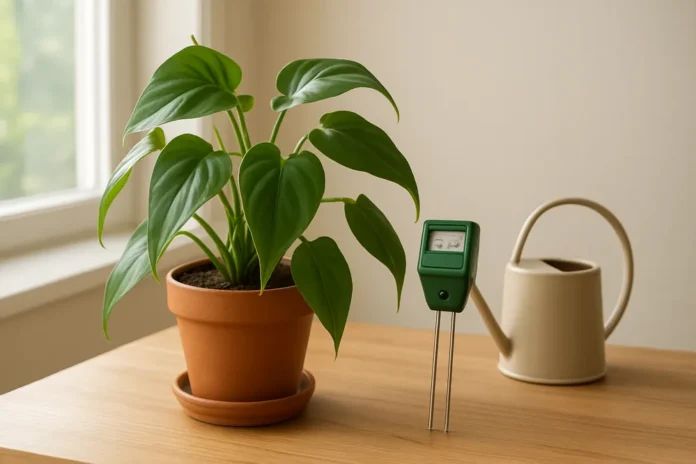
Philodendron leaves usually droop because the plant is stressed by watering problems, root trouble, poor light, or temperature changes. In many cases, the most common cause is soil that stays too dry or too wet.
A droopy philodendron can look dramatic fast. One day the leaves are held out nicely, and the next they seem limp, tired, or slightly folded in on themselves. The good news is that philodendron leaves drooping is usually a stress signal, not an automatic death sentence.
In my experience, philodendrons are fairly honest houseplants. When something is off, they show it in their leaves first. The trick is figuring out whether the problem is simple thirst, soggy roots, low light, a chilly draft, or the normal adjustment that happens after repotting or moving the plant. Once you match the symptom pattern to the cause, recovery is often straightforward.
Below, I will walk through the most common reasons a philodendron starts to sag, how to tell them apart, and what usually helps a drooping philodendron perk back up.
What Drooping Usually Means in Philodendrons
Drooping is the plant's way of telling you it cannot maintain normal leaf tension. Healthy philodendron leaves stay firm because the plant is moving water properly through roots, stems, and leaf tissue. When that system is interrupted, the leaves lose some structure and begin to hang.
That interruption can happen from too little water, too much water, root damage, a cold room, compacted soil, or weak light that slows the plant down. Drooping by itself does not point to a single cause, so it helps to look at the whole plant. Check the soil moisture, the condition of the stems, the age of the affected leaves, and whether the droop came on suddenly or gradually.
When I diagnose a droopy philodendron, I look at the newest growth first. If the newest leaves still feel fairly firm but the older leaves are sagging, I usually suspect watering rhythm or root crowding. If the whole plant collapses at once, I think about severe thirst, rot, or a sudden temperature event.
Underwatering Is One of the Most Common Causes
A philodendron that has gone too dry often looks limp, relaxed, and a little soft all over. The potting mix may pull away from the sides of the pot, and the container may feel unusually light when you lift it. Leaves can also curl slightly inward, especially on thinner-leaved varieties.
When the roots cannot access enough moisture, the plant reduces pressure in the leaves to conserve resources. That is why drooping from thirst often appears quickly. In a warm room or bright window, a plant can go from fine to floppy in a day or two if the root ball gets very dry.
Signs the Plant Is Too Dry
- Soil feels dry several inches down
- Pot is much lighter than usual
- Leaves droop but are not yellow and mushy
- Leaf edges may feel crisp or slightly curled
- Plant perks up within a day after a thorough watering
If your philodendron is underwatered, water it deeply until excess drains from the bottom. If the soil has become bone dry and is repelling water, soak the root ball more slowly so the mix can rehydrate evenly. After that, adjust your routine so you water based on soil dryness rather than a fixed calendar.
Overwatering Can Cause Drooping Too
This is the part that confuses many gardeners. A philodendron with too much water can droop in a way that looks very similar to a thirsty plant. The difference is that overwatered roots are not functioning well because they are sitting in oxygen-poor, constantly wet soil.
When roots stay waterlogged, they struggle to take up water properly, even though plenty of moisture is present in the pot. Leaves may droop, then yellow, and in worse cases the stems or petioles begin to soften. The soil may smell sour, stale, or swampy.
Clues That Point Toward Overwatering
- Soil stays wet for many days after watering
- Leaves droop while the pot still feels heavy
- Some lower leaves turn yellow at the same time
- Growth slows or stops
- The mix smells musty or the roots look brown and mushy
If you suspect overwatering, stop watering until the top portion of the mix dries appropriately. Make sure the pot has a drainage hole. If the soil stays dense and wet for too long, repot into a chunky indoor aroid mix with ingredients like bark, perlite, and quality potting soil. Trim away rotten roots if needed.
Do not try to fix a droopy philodendron by watering again just because the leaves still look limp a few hours later. With overwatering, more water makes the problem worse. I always confirm the soil condition before I add anything to the pot.
Root Problems Often Hide Below the Soil Line
If watering seems normal but the plant still droops regularly, the roots may be the real issue. Philodendrons rely on healthy, airy roots to support all that leaf growth. When the root system is damaged, crowded, compacted, or rotting, the plant cannot move water efficiently.
Root Rot
Root rot usually starts when the potting mix stays wet for too long. The roots turn brown or black, feel mushy, and lose their ability to absorb water and nutrients. Above the soil, this can show up as drooping, yellowing, leaf drop, and a general tired appearance.
Rootbound Plants
A severely rootbound philodendron may also droop, especially right before watering time. When roots fill the pot tightly, there is less room for soil and moisture. Water can run through quickly, and the plant dries out faster than you expect. You may see roots circling the inside of the pot or poking out of drainage holes.
Compacted or Old Potting Mix
Even if a plant is not technically rootbound, old mix can break down and become dense. That reduces airflow around roots and can lead to both dryness problems and soggy pockets. A philodendron in tired soil often seems hard to water correctly because it swings between too dry and too wet.
If you slide the plant from its pot and find circling roots, sour-smelling soil, or a heavy, airless root ball, repotting is usually the right move. Choose a pot only slightly larger than the current one and use a mix that drains well but still holds some moisture.
Light Levels Can Affect Posture and Leaf Firmness
Philodendrons tolerate moderate indoor light better than many houseplants, but they still need enough light to stay strong. In light that is too dim, stems can stretch, growth becomes weak, and leaves may look less supported. This is often a softer, slower kind of drooping rather than a sudden wilt.
Low light also changes how the soil dries. A plant in a dim corner uses water more slowly, which means the same watering routine that worked near a bright window may now keep the roots too wet. In that sense, poor light and overwatering often team up.
How Low Light Droop Usually Looks
- Stems lean toward the nearest window
- New growth is smaller or farther apart
- Leaves droop mildly instead of collapsing suddenly
- Soil takes longer to dry than it used to
- Color may look duller overall
Move the plant closer to bright, indirect light if possible. An east window, a few feet back from a south or west window, or a spot near a bright filtered window often works well. Avoid harsh midday sun if the plant is not used to it, because that can cause scorch and create a different stress problem.
Temperature Stress and Dry Air Can Make Leaves Sag
Philodendrons are tropical plants, so they prefer steady indoor temperatures. If your plant is near a drafty window, an exterior door, a heating vent, or an air conditioning blast, the leaves may droop in response. Sudden cold is especially hard on them.
Cold stress can make leaves look limp even when the soil moisture is fine. In severe cases, leaf tissue may later develop dark, water-soaked patches. Very hot, dry air can also increase water loss and leave the plant struggling to keep its leaves firm.
- Aim to keep philodendrons in temperatures roughly between 65 and 80 degrees Fahrenheit
- Avoid placing them right against cold glass in winter
- Keep them away from heating and cooling vents
- Watch for faster drying if indoor air becomes very dry
I have seen perfectly healthy philodendrons droop overnight after a cold draft, especially near older windows in winter. When the timing is sudden and the soil seems normal, I always think about the room conditions before I blame watering.
Transplant Shock and Recent Changes Can Trigger Temporary Drooping
If you recently repotted, divided, propagated, moved, or brought home your philodendron, temporary drooping may simply be adjustment stress. Disturbing the roots or changing the plant's environment can interrupt water uptake for a short period.
This kind of droop is common after repotting, especially if some roots broke during the process or the new mix dries differently than the old one. A plant that was grown in greenhouse humidity may also sag a bit while adapting to a drier home.
What Helps After a Recent Change
- Keep the plant in bright, indirect light
- Water thoroughly but do not keep the mix constantly soggy
- Avoid fertilizing right away if the plant is stressed
- Give it a week or two before making more changes
- Monitor new growth for signs of recovery
The key here is restraint. A lot of droopy philodendrons get worse because the owner repots, fertilizes, waters heavily, and moves the plant all in the same week. Most plants recover better when you correct the obvious issue and then let them settle.
Pests and Disease Are Less Common but Still Possible
While watering and root issues are more common, pests can also contribute to drooping. Spider mites, mealybugs, scale, and thrips feed on plant sap and weaken the leaves over time. A heavily infested philodendron may look limp, dull, and generally stressed.
Look closely at the undersides of leaves, along stems, and where leaves join the vine. Fine webbing, cottony clusters, sticky residue, or silvery scarring all point toward pests. If you see these signs, isolate the plant and begin treatment with a houseplant-safe approach such as insecticidal soap or horticultural oil, depending on the pest.
Disease is less common indoors, but bacterial or fungal problems can follow chronic overwatering and poor airflow. If drooping comes with blackened stems, spreading spots, or a foul smell, you may be dealing with more than a simple watering mistake.
How to Tell Which Cause Is Most Likely
The fastest way to narrow this down is to compare the leaves, soil, roots, and recent conditions instead of focusing on the droop alone. Philodendrons usually leave a few clues if you slow down and read the whole plant.
- Feel the soil 2 to 3 inches down. Dry suggests thirst, while wet suggests overwatering or poor drainage.
- Lift the pot. Very light often means the plant needs water. Very heavy after many days points to soggy soil.
- Look at leaf color. Plain droop with crisping often leans dry. Droop with yellowing often leans wet roots.
- Think about timing. Sudden collapse can come from thirst or cold shock. Slow, chronic sagging often points to low light or root issues.
- Inspect the roots if the pattern keeps repeating. Healthy roots are light colored and firm, not dark and mushy.
If you are unsure, resist the urge to treat for everything at once. Philodendrons respond best when you fix the most likely issue and then watch how new growth behaves. Existing leaves may not fully rebound if they were badly stressed, but the plant should begin producing healthier growth once conditions improve.
How to Help a Drooping Philodendron Recover
Recovery depends on the cause, but the overall goal is always the same: restore healthy root function and reduce stress. Start with the basics before you reach for fertilizer or extra products.
- Water only when the top layer of soil has dried to the level that suits your plant and pot size
- Use a pot with drainage and a loose, airy mix
- Place the plant in bright, indirect light
- Keep temperatures steady and avoid cold or hot drafts
- Inspect roots if drooping keeps returning despite good care
- Hold fertilizer until the plant is actively growing again
Do not expect an instant cosmetic fix in every case. A thirsty plant may perk up quickly, but a philodendron with damaged roots may need several weeks to replace them and start holding itself properly again. Watch for firm new leaves and steady growth rather than judging recovery by one older leaf.
How to Prevent Drooping in the Future
Preventing droop is mostly about consistency. Philodendrons do best when their care routine matches the season, the light level, and the potting mix. A plant that is easy in summer may need a very different watering pace in winter.
- Check soil moisture before watering instead of following the calendar
- Refresh old mix every couple of years if it has compacted
- Repot rootbound plants before they become severely stressed
- Give the plant enough light to support healthy growth
- Rotate the pot so the plant grows evenly
- Keep an eye on room temperature during seasonal changes
I find that most recurring philodendron problems come from a mismatch between watering habits and the environment. Once you get a feel for how quickly your plant dries in its specific spot, drooping becomes much less common.
FAQ
Will Drooping Philodendron Leaves Stand Back Up?
Often, yes. If the cause is simple underwatering or temporary stress, leaves may firm up within a day or two. If the leaf was badly damaged by rot, cold, or severe drought, that specific leaf may stay limp even after the plant recovers.
How Do I Know if My Philodendron Is Drooping From Too Much Water or Too Little?
Check the soil and the weight of the pot. Dry soil and a light container usually point to underwatering, while wet soil, a heavy pot, yellowing leaves, or a musty smell usually point to overwatering.
Should I Mist a Drooping Philodendron?
Misting is rarely the real fix for drooping. It may briefly raise surface moisture, but it does not solve root problems, poor watering, low light, or cold stress. Focus on the actual cause instead.
Can Low Humidity Make Philodendron Leaves Droop?
Low humidity alone is not usually the main cause, but very dry air can increase water loss and add stress. It is more likely to contribute to drooping when paired with underwatering, heat, or recent transplant shock.
Why Is My Philodendron Drooping After Repotting?
Repotting can disturb the roots and temporarily reduce water uptake. Mild drooping for several days is common, especially if the plant was rootbound or if the new mix holds moisture differently than the old one.
Do Philodendrons Droop when They Need More Light?
Yes, but the change is usually gradual. In low light, the plant may stretch, weaken, and develop softer-looking growth rather than suddenly wilting like a thirsty plant.
Should I Cut Off Drooping Leaves?
Not right away. If the leaf is still green, it can still help the plant make energy while it recovers. Remove leaves that are yellow, mushy, badly damaged, or clearly not coming back.
Need the right setup for stronger, happier houseplants? Read our guide to the best indoor potting mixes and watering tools so your philodendron can recover faster and stay healthy.
