

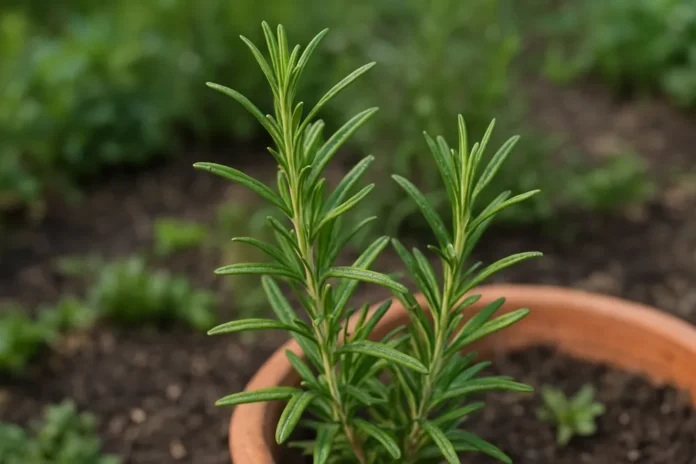
Rosemary leaves usually develop yellow spots because of excess moisture, pest feeding, leaf disease, or root stress. The exact cause depends on whether the spots stay dry and distinct, spread into browning, or appear with wilting and leaf drop.
Seeing rosemary leaves with yellow spots can be frustrating because rosemary is supposed to be one of the easier, tougher herbs in the garden. When it starts looking speckled or patchy, the problem is usually not random. Rosemary tends to show stress in fairly predictable ways, especially when moisture, airflow, or pests are involved.
In my experience, yellow spotting on rosemary is most often tied to too much water, roots staying wet too long, spider mites or other sap-sucking pests, or a leaf disease encouraged by humid conditions. Less often, the plant is reacting to nutrient imbalance, sun stress after a sudden move, or cold damage. The pattern on the leaves tells you a lot about which issue you are dealing with.
The good news is that rosemary can often recover well if you catch the cause early. Start by looking at where the spots appear, whether the leaves also curl or drop, and how damp the soil stays between waterings.
What Yellow Spots on Rosemary Usually Mean
Yellow spots are a symptom, not a diagnosis by themselves. On rosemary, spotting usually happens when leaf tissue is damaged in small areas rather than the whole leaf fading evenly. That points you toward pests, disease, water-related root trouble, or environmental injury more than a simple age-related yellowing.
A few clues help narrow it down quickly. If the spotting looks tiny and speckled, especially with a dull or dusty look, I think about mites first. If the spots are larger and irregular, especially after wet weather or overhead watering, fungal or bacterial leaf issues move higher on the list. If the whole plant looks off color and the spots are only part of the problem, roots may be stressed from poor drainage.
- Tiny pale or yellow stippling often suggests spider mites or similar sap-feeding pests.
- Rounder spots with tan or brown centers can suggest leaf spot disease.
- Yellow spotting plus drooping, blackened stems, or sour-smelling soil often points to overwatering or root rot.
- Yellow patches on the most exposed side of the plant may come from sun or cold injury after a sudden weather change.
- General paling with only scattered spotting can be related to nutrient imbalance or stressed roots.
When I diagnose rosemary, I do not start with fertilizer. I look at the newest growth, the undersides of leaves, and the soil moisture pattern first, because rosemary is far more often hurt by wet feet or pest pressure than by being hungry.
Overwatering and Poor Drainage Are Common Causes
Rosemary likes sharp drainage and dislikes sitting in damp soil. When the roots stay too wet, they struggle to take up oxygen. That stress can show up above ground as yellow spots, yellowing needles, dull foliage, and gradual browning. In containers, this is especially common when rosemary is planted in regular potting mix without extra drainage material or when the pot has a saucer that stays full.
How Excess Moisture Changes the Leaves
Wet roots weaken the plant unevenly at first. Instead of one dramatic collapse, you may see scattered yellow spotting, a faded green color, and brittle-looking lower leaves. If the problem continues, stems may darken near the base and leaves begin dropping. Outdoors, heavy clay soil or a low spot in the garden can create the same symptoms even if you are not watering very often.
Signs That Water Is the Real Problem
- Soil stays damp for several days after watering
- The pot feels heavy most of the time
- Lower or inner foliage yellows first
- The plant smells musty or the soil smells sour
- Leaves develop yellow spots and then turn brown or fall
If this sounds like your plant, let the soil dry more thoroughly between waterings. In containers, rosemary usually does best in a gritty, fast-draining mix and a pot with good drainage holes. In the ground, raised beds or mounded planting areas often prevent repeat problems.
Root Rot Can Start as Spotting Before the Plant Crashes
Root rot is the more serious version of the wet-soil problem. Fungi and fungus-like pathogens thrive when roots remain saturated, and once fine roots begin dying, the top of the plant can no longer support healthy foliage. Yellow spots may appear before the plant wilts badly enough to get your attention.
A rosemary with root rot often looks confusing at first because the leaves can feel dry even though the roots are too wet. Gardeners sometimes respond by watering more, which speeds up the decline. If you slide a potted rosemary out and find black, mushy roots instead of firm pale roots, root rot is very likely.
- Remove the plant from constantly wet conditions right away.
- Trim away obviously mushy, dead roots with clean pruners.
- Repot into a dry, fast-draining herb or cactus-style mix if the plant is in a container.
- Cut back on watering until you see signs of new, healthy growth.
- Avoid fertilizing a badly root-damaged rosemary until it stabilizes.
If I suspect root trouble, I judge recovery by the color of new growth, not by damaged old leaves. Rosemary often keeps marked leaves for a while, so improvement shows up first in fresh tips.
Spider Mites and Other Sap-sucking Pests Can Leave a Yellow Speckled Look
One of the most classic reasons rosemary develops yellow spots is pest feeding. Spider mites are especially common on indoor rosemary, greenhouse plants, and outdoor plants during hot, dry weather. They pierce leaf tissue and suck out contents, leaving many tiny pale yellow dots called stippling.
What Mite Damage Looks Like
Mite damage usually starts as fine speckling rather than large blotches. The foliage may look dusty, faded, or bronzed over time. If the infestation is heavy, you may also notice delicate webbing between stems or at leaf joints. Rosemary leaves are narrow, so it is easy to miss the pests themselves until the plant already looks washed out.
Other Pests That May Cause Yellow Marks
- Aphids can distort soft new growth and leave sticky honeydew.
- Leafhoppers can cause pale stippling and general weakening.
- Scale insects may appear as small bumps on stems and can lead to yellowing foliage.
- Whiteflies can cause speckling and flutter up when the plant is disturbed.
Start control with a strong rinse if the plant can handle it, especially on the undersides of the foliage. Follow with insecticidal soap or horticultural oil labeled for edible herbs, applying in cooler parts of the day and according to label directions. Repeated treatments are usually needed because eggs and hidden pests can survive the first round.
Leaf Spot Diseases Thrive in Damp, Crowded Conditions
Fungal leaf spots can also cause rosemary leaves to show yellow spotting. In these cases, the spots are often more defined than mite damage. You may see yellow halos around brown, gray, or tan centers, or spots that slowly enlarge and merge. Disease is more likely when foliage stays wet from rain, overhead irrigation, or poor airflow around the plant.
When to Suspect Disease Instead of Pests
- Spots are larger and more circular than tiny stippling
- There is no visible webbing or insect activity
- The plant sits in humid conditions or dense planting
- Leaves were frequently wet before the problem appeared
- Spots develop dark centers or fall out, leaving small holes
Remove the worst affected stems or leaves, especially if the problem is concentrated. Increase air movement by thinning nearby plants and avoid watering late in the day. For potted rosemary, move it where it gets full sun and better ventilation. Many mild cases improve simply by keeping foliage dry and reducing crowding.
I get more rosemary leaf spot problems from watering habits than from weather alone. A plant tucked into a decorative corner with limited airflow can stay damp much longer than you expect, even when the rest of the garden dries quickly.
Nutrient Issues Can Contribute, but They Are Not the First Suspect
Rosemary is not a heavy feeder, so nutrient deficiency is lower on the list than many gardeners assume. Still, plants grown for a long time in the same container or in very poor soil can show chlorosis, which is yellowing caused by inadequate nutrient uptake. This can look like pale leaves with scattered spotting, especially if root stress is also present.
Iron issues are more likely in alkaline soils, while general nutrient depletion is more likely in exhausted potting mix. The key difference is that pure nutrient problems usually create a broader yellowing pattern rather than neat, isolated spots. If the soil is staying wet, compacted, or damaged by salts, the roots may be unable to take up nutrients even if those nutrients are technically present.
- Older potting mix can become depleted and poorly draining at the same time.
- Overfertilizing can burn roots and worsen spotting rather than help it.
- High soil pH can lock up certain nutrients, especially iron.
- Container rosemary generally benefits more from fresh mix than from frequent feeding.
If nutrition really seems to be part of the issue, use a light hand. A diluted balanced fertilizer or a gentle feed made for herbs can help once watering and drainage are corrected. Heavy feeding often produces soft growth that rosemary does not need.
Sun, Cold, and Sudden Environmental Changes Can Mark the Foliage
Although rosemary loves sun, leaves can still show yellow or pale spots when the plant is moved abruptly from lower light into intense direct sun. Indoor rosemary placed outside without hardening off may get bleached patches. Cold snaps can also damage leaf tissue, especially on tender new growth, leaving yellow mottling that later turns brown.
This type of damage is usually tied to timing. If the spots appeared right after a heat wave, a cold night, or a move from indoors to the patio, environmental stress becomes much more likely. The affected areas tend to be on the exposed side of the plant rather than evenly scattered throughout.
- Sun shock often creates pale or yellowed patches on the outermost foliage.
- Cold damage can produce blotchy yellowing followed by bronzing or browning.
- Wind exposure may dry foliage and intensify other stresses.
- Sudden changes usually affect one flush of growth more than the whole plant evenly.
How to Tell Which Cause Fits Your Rosemary
If you are unsure what you are seeing, use a simple process of elimination. Look at the leaves closely, then look at the roots and the plant's recent conditions. Rosemary symptoms make more sense when you combine leaf pattern with soil and weather clues.
Questions That Narrow It Down Fast
- Are the spots tiny and numerous, like fine speckles? That leans toward mites or sap-feeding pests.
- Are the spots larger with distinct edges or centers? That leans toward leaf spot disease or physical injury.
- Is the soil wet for too long or is the pot draining poorly? That points toward root stress or rot.
- Did the problem appear after rain, humidity, or overhead watering? Disease becomes more likely.
- Did it start after moving the plant or after a temperature swing? Sun or cold injury may be involved.
Also check whether the damage is mostly on old leaves, new tips, one side of the plant, or throughout. Pests often begin in specific hot, sheltered areas. Root issues usually create broader decline. Disease may cluster where airflow is poorest.
What to Do Right Now to Help the Plant Recover
Once you have a likely cause, keep the fix focused. Rosemary responds best when you correct the root problem, moisture pattern, or pest pressure without making five changes at once. That makes it easier to tell what is working.
- Trim away badly damaged or clearly diseased stems with clean pruners.
- Adjust watering so the soil dries more between soakings.
- Improve drainage with a grittier mix or a better planting location if needed.
- Inspect the undersides of leaves for mites, scale, aphids, or webbing.
- Treat pests with an herb-safe product if you confirm active feeding.
- Keep foliage dry and increase sun and airflow around the plant.
- Wait for healthy new growth before deciding whether the plant is recovering.
Do not assume every yellow-spotted rosemary needs fertilizer. If the roots are stressed, feeding too early can add more strain. Recovery often starts with drier conditions and cleaner growth, not greener old leaves.
How to Prevent Yellow Spots From Coming Back
Prevention with rosemary is mostly about matching the plant to the conditions it prefers. Give it full sun, lean soil, and drainage that is almost faster than you think it needs. Most recurring spot problems start when rosemary is treated like a thirstier, softer herb.
- Plant rosemary in fast-draining soil or amend heavy soil before planting.
- Use containers with drainage holes and avoid water-filled saucers.
- Water deeply but less often, letting the top layer dry well between waterings.
- Space plants for airflow and prune lightly to reduce interior crowding.
- Check indoor plants regularly for mites, especially in winter dry air.
- Avoid overhead watering when possible.
- Refresh old potting mix for container rosemary before it becomes compacted.
I have found that rosemary does best when gardeners err a little on the dry side rather than the wet side. It is much easier to bring a slightly thirsty rosemary back than to reverse prolonged root damage.
FAQ
Can Rosemary Recover From Yellow Spotted Leaves?
Yes, if the main cause is corrected early. Existing spotted leaves may not turn fully green again, but healthy new growth is a good sign that the plant is recovering.
Should I Remove Rosemary Leaves with Yellow Spots?
Remove leaves or stems that are heavily damaged, diseased, or clearly dying. If only a few leaves are marked, you can leave them while you watch for new healthy growth.
Do Yellow Spots Mean My Rosemary Needs Fertilizer?
Not usually. Rosemary more often develops yellow spotting from watering problems, pests, or disease than from lack of fertilizer.
Can Too Much Sun Cause Yellow Spots on Rosemary?
Yes, especially if a plant is moved suddenly from indoors or shade into strong direct sun. Sun shock usually affects the most exposed foliage and may look bleached before it turns tan or brown.
What Pests Cause Tiny Yellow Dots on Rosemary Leaves?
Spider mites are one of the most common causes of fine yellow stippling on rosemary. Aphids, leafhoppers, whiteflies, and scale can also contribute to spotting or fading foliage.
Why Does My Indoor Rosemary Get Yellow Spots More Often than Outdoor Plants?
Indoor rosemary often struggles with lower airflow, inconsistent light, and dry indoor air that favors spider mites. It can also stay wet longer in pots, which adds root stress.
Can I Still Use Rosemary Leaves if the Plant Has Yellow Spots?
Avoid using leaves that are diseased, pesticide-treated outside label directions, or badly damaged. If the issue is mild and you have healthy untreated growth, use only clean, unaffected sprigs.
Need the right fix fast? Read our guide to the best rosemary-safe pest sprays, fungicides, and potting mixes so you can treat yellow spotting without harming the plant.
