

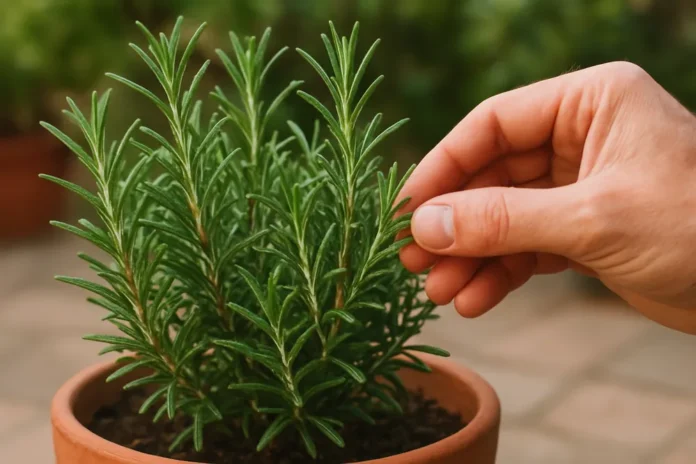
Rosemary leaves get white spots most often from spider mites, powdery mildew, hard water residue, or sun and moisture stress. The exact cause depends on whether the spots look dusty, speckled, raised, or easy to wipe off.
When I see rosemary leaves with white spots, I do not assume the plant has one serious disease right away. Rosemary is tough, but it can show pale spotting for several different reasons, and the fix depends on what those spots actually look and feel like.
Sometimes the white marks are from tiny sap-sucking pests. Other times they are fungal growth, dried mineral residue, or leaf damage after weather swings and watering problems. The good news is that white spots on rosemary are often manageable once you narrow the cause down by pattern, texture, and where the damage shows up first.
This guide will help you tell the common causes apart, decide which one is most likely in your plant, and choose a practical treatment that fits rosemary's preference for sun, airflow, and relatively dry roots.
What the White Spots Can Mean on Rosemary
White spotting on rosemary is a symptom, not a diagnosis. The plant may be reacting to insects feeding on leaf tissue, fungal spores growing across the surface, salts drying on the foliage, or environmental stress that bleaches or scars the leaves. Rosemary foliage is narrow and aromatic, so small changes can be easy to miss until the problem spreads.
Start by looking closely at the spots. Are they powdery and fuzzy, or flat and speckled? Do they rub off on your fingers, or are they part of the leaf itself? Is the spotting mostly on upper leaves, lower leaves, indoor growth, or tender new tips? Those clues matter more than the color alone.
- Dusty or flour-like white coating often points to powdery mildew.
- Tiny pale stippling with a dull, dry look often suggests spider mites.
- Cottony clusters in leaf joints can mean mealybugs.
- Crusty white film that wipes away may be hard water or fertilizer residue.
- Irregular bleached patches can come from sun scorch, cold damage, or stress.
When I diagnose rosemary, I look at several leaves from different parts of the plant before deciding. If every damaged leaf has the same fine speckling, I usually suspect pests. If the white layer sits on the surface unevenly, mildew or residue moves higher on my list.
Spider Mites Are a Very Common Cause
Spider mites are one of the most common reasons rosemary develops tiny white spots, especially indoors or on patio plants during hot, dry weather. These pests feed by piercing plant cells and sucking out contents, leaving behind pale stippling. From a distance, the foliage may look dusty, silvery, or generally faded rather than boldly spotted.
Because rosemary leaves are so narrow, mite damage can look like many tiny pinpricks packed close together. Severe infestations may also cause leaf drop, brittle foliage, and a weak overall appearance. On badly affected plants, you may notice fine webbing around stems or between leaves, though webbing often appears after the population is already large.
How to Recognize Spider Mite Damage
- Leaves show fine white or yellowish speckles rather than fuzzy patches.
- The plant may look dull, bronzed, or dusty overall.
- Damage often starts on dry, sheltered growth.
- Fine webbing may appear on stems or leaf clusters.
- If you tap a branch over white paper, you may see tiny moving specks.
What to Do if Mites Are the Problem
First isolate the plant if it is in a pot near other herbs or houseplants. Rinse the foliage thoroughly, especially the undersides and inner stems where mites gather. A strong but not damaging spray of water can knock populations down. After that, treat with insecticidal soap or horticultural oil labeled for edible herbs, following the product directions carefully.
Repeat treatments matter because mites reproduce fast. Indoors, improving air circulation and avoiding overly dry stagnant conditions can help prevent a comeback. If the plant is heavily infested and sparse, it is often worth pruning out the worst stems before treating.
Powdery Mildew Can Leave a Dusty White Coating
Powdery mildew is another likely cause, though rosemary gets it less dramatically than some vegetables and ornamentals. This fungal issue usually looks like a soft white or grayish film on the surface of leaves and stems. Instead of tiny pinpoints, it tends to form patches that look as if someone brushed the plant with flour.
Mildew is more likely when rosemary is crowded, shaded, or kept in humid conditions with poor airflow. Indoor plants near windows with limited ventilation can also develop it. While rosemary likes warmth, it does not like stale air and foliage that stays damp for long stretches.
Signs the White Spots Are Powdery Mildew
- The white material sits on the surface and may smear when rubbed.
- Spots merge into larger dusty patches.
- Affected leaves can twist, dry, or yellow over time.
- The problem often appears where growth is dense and air movement is poor.
How to Manage Mildew on Rosemary
Prune lightly to open the plant so air can move through it. Remove the most affected stems and discard them rather than composting if the disease is active. Water the soil directly instead of wetting the foliage, and space nearby plants so the rosemary dries quickly after rain or dew.
If you need a treatment, use a product labeled for powdery mildew on edible plants, such as potassium bicarbonate, sulfur, or horticultural oil if the label allows it. Always check temperature cautions, because some products can injure leaves in high heat. Mild cases often improve just by increasing sun exposure and airflow.
I avoid spraying several homemade remedies at once on rosemary. Its leaves contain aromatic oils, and too many experiments can do more harm than the mildew. Change one thing, then watch the new growth for a week or two.
Mealybugs and Other Sap-sucking Pests Can Mimic Disease
If the white spots look like little cottony bits tucked into leaf joints or along stems, mealybugs may be the culprit. These insects gather in protected places and cover themselves with a white waxy coating. Rosemary does not attract them as often as some tropical houseplants, but container plants brought indoors can get them.
Scale insects and aphid residue can also create pale or white-looking patches, though their appearance is a little different. The key is whether you are seeing an actual pest body or waxy deposit rather than discoloration of the leaf tissue itself.
Clues That Pests Are Attached to the Plant
- White material is clustered where leaves meet stems.
- The spots look raised, cottony, or waxy.
- Leaves may feel sticky from honeydew.
- You may notice black sooty mold growing on sticky areas later.
For a light case, dab mealybugs with rubbing alcohol on a cotton swab and wipe them away. For larger infestations, use insecticidal soap or horticultural oil approved for herbs. Check the plant weekly afterward, because hidden pests often survive in tight branch crotches.
Hard Water, Fertilizer Salts, and Spray Residue Can Leave Harmless-looking Marks
Not every white mark means the rosemary is sick. If you mist plants with hard tap water, spray foliar feeds, or apply a treatment that dries on the leaves, you can end up with white specks or a thin chalky film. This is especially common on potted rosemary grown on sunny patios, where droplets dry quickly and leave minerals behind.
Residue usually sits on the surface and wipes off more cleanly than mildew. The leaf underneath typically stays green and firm. If the plant otherwise looks healthy and the marks appeared right after watering, spraying, or fertilizing, residue is a strong possibility.
How to Tell Residue Apart From a Plant Problem
- The white marks are uniform where water droplets dried.
- They wipe off with a damp cloth or finger.
- New leaves look normal.
- The plant is not wilting, webbing, yellowing, or dropping many leaves.
If residue is the issue, simply rinse the foliage occasionally with plain water and let it dry quickly in good airflow. Avoid regular misting, and be careful not to overfeed rosemary. This herb generally prefers leaner conditions than fast-growing annuals, so excess fertilizer can create both salt buildup and weak growth.
Sun Scorch, Cold Stress, and Watering Issues Can Cause Pale Spotting
Environmental stress can also show up as white or pale patches on rosemary leaves. A plant moved suddenly from shade to intense sun may develop bleached areas. Cold snaps can scar foliage, especially on tender container plants. Water stress, whether from drought or soggy roots, can make leaves lose color and develop dry-looking blotches.
These spots tend to be more irregular than pest stippling or mildew. You may see them mostly on the side exposed to harsh afternoon sun, on outer leaves after a cold night, or on stressed branches when the root zone has been too wet for too long.
Patterns Linked to Environmental Damage
- Bleached patches appear after a sudden move into strong direct sun.
- Leaves show dry pale scarring after heat, wind, or cold exposure.
- The plant has limp growth or root stress from poor drainage.
- Spots are irregular and there are no visible pests or fuzzy growth.
Correct the stress gradually. If sun exposure changed, harden the plant off rather than shifting it abruptly. If soil stays wet, improve drainage right away by reducing watering, emptying saucers, or repotting into a faster-draining mix. Rosemary hates sitting in soggy soil, and stressed roots can trigger a whole chain of leaf symptoms.
I see overwatering blamed last when it should often be checked early, especially with container rosemary. A stressed root system does not always start with obvious yellow leaves. Sometimes the first clue is just dull, marked foliage that never looks fully healthy.
How to Diagnose the Cause Step by Step
If you are still unsure, a simple inspection routine usually clears things up. You do not need lab testing for most rosemary white spot problems. You need good light, a close look, and a little patience.
- Examine both sides of several leaves, including inner growth and newer tips.
- Rub one spot gently to see whether it wipes away, smears, or stays embedded in the leaf.
- Look for webbing, cottony clusters, sticky residue, or moving specks.
- Notice whether the problem is concentrated on crowded growth, dry indoor stems, or weather-exposed outer foliage.
- Think back to recent changes such as spraying, fertilizing, repotting, bringing the plant indoors, or abrupt weather shifts.
A magnifying glass helps, but even a smartphone camera zoomed in can reveal a lot. If the white spotting is paired with webbing, that strongly supports mites. If it looks powdery and spreads across surfaces, mildew is more likely. If it wipes off cleanly and the plant is otherwise vigorous, residue is often the answer.
Best Treatment Plan for a Recovering Rosemary Plant
Once you identify the most likely cause, focus on cleaning up conditions that rosemary likes anyway: bright sun, fast drainage, moderate watering, and good airflow. Whether the issue is pests or mildew, a healthier setup makes treatment work better and lowers the chance of repeat problems.
General Recovery Steps
- Prune away badly damaged stems so the plant can redirect energy.
- Place the plant where it gets strong light and moving air.
- Water deeply but let the top portion of soil dry before watering again.
- Use a gritty, well-draining potting mix if the rosemary is in a container.
- Hold off on heavy fertilizing until healthy new growth appears.
Do not expect old spotted leaves to turn green again. Judge progress by the condition of new growth. If fresh leaves emerge clean and firm, you are on the right track even if older foliage still looks blemished.
How to Prevent White Spots From Coming Back
Prevention for rosemary is mostly about avoiding the conditions that invite trouble. This herb is naturally adapted to sunny, airy, relatively dry settings. Problems build up when we treat it like a thirstier, more sheltered plant than it really is.
- Give rosemary at least 6 to 8 hours of sun when possible.
- Avoid crowding it among dense plants that trap humidity.
- Water the soil, not the foliage, and do not let pots sit in water.
- Inspect indoor rosemary often for mites during winter.
- Use gentle labeled products only when needed, not as constant preventive sprays.
- Rinse or wipe leaves occasionally if hard water leaves visible deposits.
In my experience, the biggest long-term win is matching the plant's placement to its needs. A rosemary grown in bright light with sharp drainage and decent air movement usually shrugs off minor issues before they become a full white-spot mystery.
FAQ
Can White Spots on Rosemary Go Away on Their Own?
Sometimes, but it depends on the cause. Residue may wash off, and mild stress damage may stop spreading once conditions improve. Pest and mildew problems usually need some intervention before the plant fully recovers.
Are White Spots on Rosemary Safe if I Want to Cook with It?
If the spots are from residue or minor cosmetic stress, the plant may still be usable after washing. If you have active pests, mildew, or recent pesticide treatments, wait until the issue is resolved and follow the product label before harvesting.
How Do I Know if My Rosemary Has Spider Mites or Powdery Mildew?
Spider mites usually cause fine pale stippling and may come with webbing. Powdery mildew looks more like a dusty white coating on the leaf surface that can spread into patches.
Should I Remove Leaves with White Spots?
Remove leaves or stems that are heavily affected, especially if you suspect mildew or a concentrated pest infestation. If only a few leaves are marked and the plant is otherwise healthy, light cleanup is usually enough.
Can Overwatering Cause White Spots on Rosemary Leaves?
Yes, indirectly. Overwatering stresses the roots and can lead to dull, pale, damaged foliage that may show blotchy spotting. Wet conditions also make fungal issues more likely.
Why Does My Indoor Rosemary Get White Speckles Every Winter?
Indoor rosemary often develops white speckles from spider mites because winter air is dry and ventilation is limited. Lower light and crowded placement can also make the plant more vulnerable.
Will Neem Oil Fix White Spots on Rosemary?
Neem oil may help if the white spots are caused by certain pests or mild fungal problems and if the label allows use on herbs. It will not fix sun damage, nutrient salt residue, or old scarring that is already in the leaf.
Need the right treatment fast? Explore our rosemary care and pest-control guides to choose the best spray, soil mix, and recovery plan for healthier herbs.
