

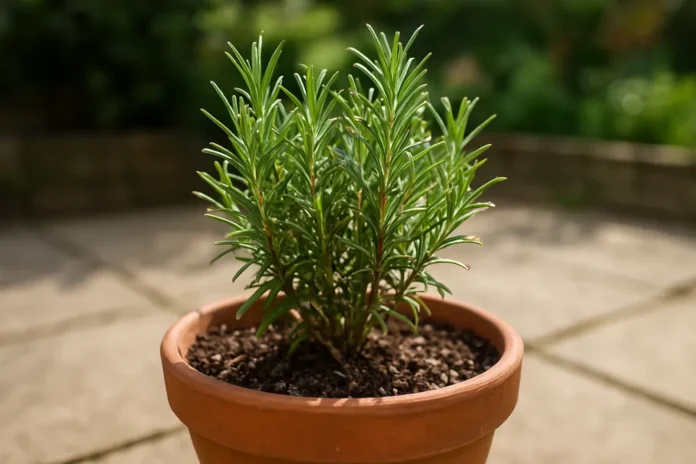
Rosemary leaf tips usually turn brown because the plant is staying too wet, drying out too hard between waterings, or sitting in stressful conditions like poor drainage or dry indoor air. In some cases, fertilizer salts, cold damage, or root trouble are the main cause.
When rosemary leaf tips turning brown show up, the plant is usually telling you that something about its growing conditions is off. Rosemary is tough in many ways, but it is not especially forgiving about roots, drainage, or sudden environmental swings. Those crispy brown ends can appear even while much of the plant still looks green and healthy.
In my experience, this symptom is most often tied to moisture problems rather than a major pest outbreak. Rosemary likes a rhythm that feels a bit lean: bright light, quick-draining soil, and enough water to fully moisten the root ball without leaving it soggy. Once that balance slips, the leaf tips often show stress before the whole branch declines.
The good news is that brown tips do not always mean the plant is dying. If you catch the pattern early and correct the real cause, rosemary can often push healthy new growth again.
What Brown Tips Usually Mean on Rosemary
Brown tips on rosemary are a stress symptom, not a diagnosis by themselves. The plant is losing moisture from the leaf ends faster than it can maintain healthy tissue, or the roots are damaged enough that water uptake is impaired. That is why several different issues can create a similar look.
Rosemary leaves are narrow and resinous, so tip browning often starts subtly. You may first notice a tan point on the needle, then a dry brown section that slowly extends farther down the leaf. If the problem continues, whole sprigs can become brittle and grayish.
- A few random brown tips after pruning, transplanting, or weather swings are usually minor stress.
- Many tips browning across the whole plant usually suggest root or watering trouble.
- Browning concentrated on one side can point to wind, heat, cold exposure, or uneven light.
- Brown tips with soft stems or a sour soil smell often indicate excess moisture and root decline.
When I diagnose rosemary, I look at the texture before the color. Crisp, dry tips with otherwise firm stems usually lead me toward drought or salt stress. Brown tips on foliage attached to stems that feel limp or dark push me toward overwatering and root damage.
Overwatering and Poor Drainage Are the Most Common Causes
If I had to pick the most common reason for rosemary tips turning brown, it would be roots staying wet too long. Rosemary comes from regions where soil drains quickly and oxygen reaches the roots easily. In dense potting mix or heavy garden soil, the roots can suffocate and begin to rot, which means the leaves dry at the tips even though the soil is wet.
This confuses a lot of gardeners because the plant can look both dry and overwatered at the same time. The foliage develops brown ends, but watering more does not fix it. That is because the real problem is root function, not lack of water in the pot.
Signs That Excess Moisture Is Behind the Damage
- The soil stays damp for several days after watering.
- The pot feels heavy most of the time.
- Lower stems start looking dark, soft, or bare.
- Some leaves brown from the tip inward while others drop off entirely.
- You notice a musty or sour smell near the root zone.
Containers without enough drainage holes, cachepots that trap runoff, and saucers left full of water are especially risky. Outdoor rosemary in clay soil can also struggle after repeated rain if water pools around the crown.
How to Correct Wet-root Stress
- Let the top few inches of soil dry before watering again.
- Empty any saucer or decorative outer pot after watering.
- Move the plant into a fast-draining mix if the current soil stays dense and soggy.
- Trim out obviously dead sprigs after the plant stabilizes.
- If root rot is advanced, repot and remove black, mushy roots with clean pruners.
I never try to solve rosemary stress by watering on a fixed calendar. I water based on pot weight and soil dryness. A light pot and dry root zone tell me more than the date on the calendar ever will.
Underwatering Can Cause Crispy Brown Tips Too
Although rosemary hates soggy roots, it can also develop brown tips when it gets too dry for too long. This is especially common in small terra-cotta pots, plants set near hot walls or reflective patios, and indoor rosemary placed close to heating vents. In these situations, the root ball dries fast and the leaf ends crisp first.
The tricky part is that a rosemary plant that has been repeatedly allowed to go bone dry may repel water when you finally irrigate it. Water can run down the sides of the pot and out the drainage hole while the center of the root ball stays dry.
Clues That Rosemary Is Too Dry
- Leaf tips are dry and brittle rather than soft.
- The whole plant looks slightly dull or gray-green.
- The pot feels unusually light.
- Soil pulls away from the inside edge of the pot.
- Branches become woody and sparse at the ends.
For underwatered rosemary, the fix is not constant moisture. It is thorough watering followed by partial drying. Wet the potting mix evenly until water drains out, then wait until the upper soil dries before watering again. That cycle better matches what rosemary roots are adapted to handle.
Salt Buildup From Fertilizer or Tap Water Can Burn the Tips
Rosemary does not need heavy feeding, and too much fertilizer often shows up as brown leaf tips. Excess salts build up in the soil and draw moisture away from delicate root tissue. The result can look a lot like drought, even if the plant has been watered regularly.
This tends to happen when rosemary is fertilized frequently with liquid feed, planted in a container for a long time without flushing the soil, or watered with mineral-heavy tap water. A white crust on the soil surface or pot rim is a useful clue.
When Salt Stress Is Likely
- You fertilized recently and browning appeared soon after.
- The leaf tips are sharply brown but the rest of each leaf is still green.
- There is white residue on the soil, pot edge, or drainage area.
- The plant has been in the same potting mix for a long time.
If the plant is otherwise healthy, flushing the container with plenty of water can help remove excess salts. For severe buildup, repotting into fresh, gritty mix is often the cleaner solution. Going forward, feed lightly and only during active growth.
Indoor Air and Light Problems Often Show Up at the Leaf Tips
Rosemary kept indoors can be especially prone to brown tips because house conditions are often far from ideal. The plant wants strong direct sun, moving air, and roots that dry at a moderate pace. Indoors, it may get weak winter light, dry heated air, and potting soil that stays wet longer than expected.
Dry air alone does not usually devastate rosemary the way it affects tropical houseplants, but it can contribute to tip burn when combined with low light and uneven watering. A plant squeezed behind curtains, above a radiator, or near a forced-air vent may brown at the ends even if you are trying to care for it properly.
Indoor Stress Patterns to Watch For
- The side facing the window stays healthier than the interior side.
- Tips nearest a heat source dry first.
- New growth is thin, stretched, or pale.
- The plant uses water slowly because light levels are low.
A south-facing window is usually best in the home. If natural light is weak, rosemary often does better outdoors in the warm season than it does trying to limp along inside year-round.
I see many indoor rosemary plants decline because gardeners treat them like kitchen herbs first and Mediterranean shrubs second. If the plant is decorative but not getting strong sun and airflow, the brown tips are often just the first visible sign that the environment is fundamentally wrong.
Cold, Wind, and Weather Swings Can Scorch the Foliage
Outdoor rosemary can develop brown tips after cold snaps, drying winter winds, or abrupt temperature changes. Even varieties that tolerate some cold may show tip damage when frozen roots cannot replace moisture lost through the leaves. This is a common reason plants look rough after winter, especially in containers.
Wind exposure can produce a similar effect in any season. When the foliage is repeatedly blasted by dry air, the leaf ends dehydrate. On patio plants, only the exposed side may brown while the sheltered side remains greener.
How Weather Damage Usually Appears
- Browning is concentrated on the outer or windward side.
- Tip damage appears after a freeze, hard wind, or rapid warm-up.
- Container plants are affected more than in-ground shrubs.
- Healthy green tissue still exists farther back on the stems.
Do not rush to hard-prune weather-damaged rosemary right away if cold conditions may continue. Slightly damaged tips can protect inner growth. Wait until new growth begins, then remove dead portions back to living tissue.
Pests and Disease Are Possible, but Less Common
Pests are not the first thing I suspect with rosemary tip browning, but they can contribute. Spider mites, scale, and sap-sucking insects can stress the foliage, especially on plants grown indoors or in very dry spots. Disease is more often tied to wet conditions, with root rot and crown rot being bigger threats than leaf spot.
If you see brown tips along with stippling, webbing, sticky residue, blackened stem bases, or sudden branch dieback, look more closely. A stressed plant often has more than one issue at once. For example, a weak indoor rosemary might be underlit, watered too often, and carrying spider mites all at the same time.
Signs the Problem May Go Beyond Simple Watering Stress
- Fine webbing between stems or on leaf undersides
- Tiny specks, stippling, or dusty-looking foliage
- Sticky honeydew or visible bumps on stems
- Black, mushy crown tissue near the soil line
- Rapid dieback of entire stems rather than just tip browning
Treat pests early and improve growing conditions at the same time. For root diseases, better drainage and moisture control matter more than spraying leaves.
How to Tell Which Cause Is Most Likely
The fastest way to diagnose rosemary brown tips is to look at the whole pattern instead of the tips alone. Soil texture, pot size, weather, light, and stem condition usually reveal more than the brown color itself.
- Check the soil several inches down. If it is still wet, think overwatering or poor drainage first.
- Lift the pot. If it feels feather-light and the soil is shrinking from the edge, drought stress becomes more likely.
- Look at the stems. Soft or dark tissue points to root trouble, while firm woody stems suggest dehydration or weather stress.
- Notice where the damage sits. One-sided damage often means exposure, while all-over browning suggests roots or salts.
- Think about timing. Symptoms that appeared after feeding, freezing weather, or moving the plant indoors often reflect that recent change.
If you are unsure, avoid making several changes at once. Adjust the most likely cause first and watch the new growth. Brown tips already formed will not turn green again, so recovery is measured by what comes next, not by trying to heal old damage.
What to Do Right Now to Help Rosemary Recover
Once you identify the likely cause, aim for steady correction rather than aggressive rescue. Rosemary rebounds best when its roots are given air, light, and a more stable moisture cycle.
- Move container plants into brighter light if they are in a dim spot.
- Water deeply, then let the soil partially dry before watering again.
- Repot if the soil is dense, peaty, compacted, or staying wet too long.
- Use a gritty mix with excellent drainage for potted rosemary.
- Hold off on fertilizer until the plant resumes healthy growth.
- Trim only dead, brittle tips after the plant is out of immediate stress.
- Protect outdoor containers from severe winter exposure and waterlogging.
If more than one-third of the plant is declining and the roots smell rotten or look black, recovery becomes less certain. Even then, taking cuttings from healthy stem tips can help you preserve the plant before the damage spreads.
How to Prevent Brown Tips in the Future
Prevention with rosemary is mostly about matching its native preferences. The closer you get to sharp drainage, generous sun, and moderate feeding, the less often you will see brown leaf tips.
- Plant rosemary in fast-draining soil or raised beds if your native soil is heavy.
- Choose pots with good drainage holes and avoid oversized containers that stay wet too long.
- Water thoroughly, but do not keep the root zone constantly moist.
- Feed lightly, if at all, especially in containers.
- Give the plant as much direct sun as possible.
- Increase air circulation around indoor plants and keep them away from heat vents.
- Bring tender plants in before harsh cold, but do not move them into very dim rooms.
Healthy rosemary tends to be compact, aromatic, and silver-green rather than lush and overly soft. If the plant starts looking too tender, too wet, or too shaded, brown tips often follow not long after.
FAQ
Should I Cut Off Brown Rosemary Tips?
Yes, but wait until you have corrected the cause first. Brown tips will not turn green again, so you can trim them for appearance, but avoid heavy pruning on a stressed plant until you see healthy new growth.
Can Rosemary Recover From Brown Leaf Tips?
Often, yes. Existing brown tissue stays brown, but the plant can recover if the roots are still healthy enough to produce new green growth after conditions improve.
Do Brown Tips Always Mean My Rosemary Needs More Water?
No. Brown tips are very often caused by too much water or poor drainage, which damages roots and makes the foliage dry out from the ends.
Why Is My Indoor Rosemary Getting Brown Tips Faster than Outdoor Rosemary?
Indoor rosemary usually gets less direct sun, weaker airflow, and more uneven moisture. Those conditions make it easier for roots to stay too wet or for the foliage to dry under heating systems.
Can Tap Water Make Rosemary Leaf Tips Turn Brown?
It can over time, especially if your water is high in minerals or salts. Repeated buildup in the soil can burn root tips and show up as browning at the leaf ends.
Is Misting a Good Fix for Brown Rosemary Tips?
Usually not. Rosemary benefits much more from proper watering, strong light, and fast drainage than from extra humidity on the foliage.
How Often Should I Water Rosemary in a Pot?
There is no perfect schedule because pot size, weather, and light all change how fast it dries. Water when the upper part of the soil has dried and the pot feels noticeably lighter.
Want to keep rosemary thriving year-round? Read our guide to the best soils, pots, and grow lights for rosemary so you can fix stress fast and prevent brown tips from coming back.
