

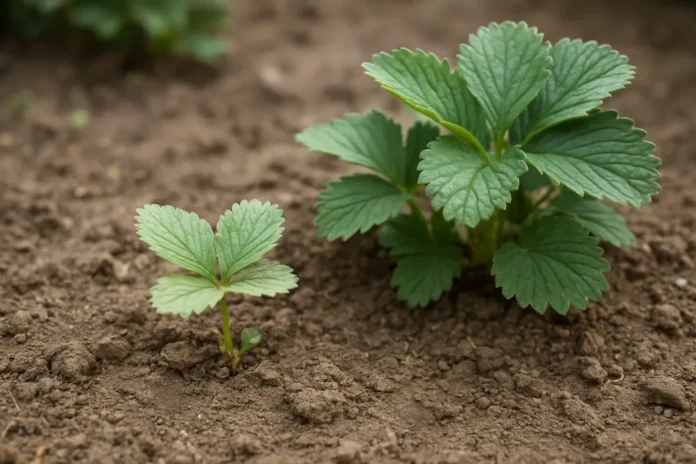
Strawberry plants usually stop growing because they are stressed by too little sun, poor watering, tight roots, weak soil, or temperatures outside their comfort range. Pests, disease, and planting too deep can also keep them small and sluggish.
A strawberry plant not growing can be frustrating because strawberries usually respond pretty quickly when their basic needs are met. If yours is just sitting there with tiny leaves, no runners, or barely any new growth, the plant is telling you that something in its environment is off.
In my experience, slow strawberries are often dealing with a handful of common problems rather than one mysterious issue. Light, watering, soil quality, planting depth, root crowding, and temperature swings can all hold them back. The good news is that once you match the symptom pattern to the cause, stunted strawberry growth is often very fixable.
The trick is to look at the whole plant, not just its size. Small pale leaves, limp growth, brown crowns, crowded containers, and soggy soil each point in a different direction. Below, I will walk through the most likely causes and the practical fixes that help strawberries start growing again.
What Normal Strawberry Growth Should Look Like
Before you assume something is wrong, it helps to know what healthy growth looks like. A vigorous strawberry plant should steadily push out fresh green leaves from the crown, develop a fuller shape over time, and, depending on the season and variety, begin flowering or sending out runners. Growth may be slower right after transplanting, during extreme heat, or late in the season, but the plant should still look alive and gradually active.
Newly planted strawberries often spend a couple of weeks settling in before they take off. Bare-root plants may look especially unimpressive at first. If the crown stays firm and the emerging leaves become larger and greener, that is a good sign. If the plant stays the same size for weeks, produces weak leaves, or looks dull and tired, it is time to troubleshoot.
- Healthy leaves are medium to deep green and gradually get larger.
- The crown should feel firm, not mushy or shriveled.
- New growth should appear from the center of the plant.
- Roots should be white or light tan, not black and slimy.
- The plant should slowly fill its space during the active growing season.
Too Little Sunlight Is One of the Most Common Causes
Strawberries are sun-loving plants. If they do not get enough direct light, they often stay small, make fewer leaves, and produce weak, sparse growth. A plant in bright shade may survive, but it usually does not thrive. Home gardeners sometimes overestimate how much sun a patio, balcony, or bed actually gets, especially after trees leaf out in spring.
Most strawberry plants do best with at least 6 hours of direct sun, and 8 to 10 hours is even better for strong growth and fruiting. If your plant is in a spot that only gets early morning light or filtered afternoon light, that alone can explain stalled growth. This is especially true in containers, where plants depend entirely on the conditions you give them.
When I am diagnosing a weak strawberry planting, light is one of the first things I question because gardeners often describe a spot as sunny when it really gets only a few strong hours. Strawberries can hang on in partial sun for a long time without ever looking truly vigorous.
- Leggy stems or stretched leaf stalks
- Small, pale leaves
- Very slow production of new leaves
- Few or no flowers during the growing season
- Plants that lean toward the brightest direction
If light is the issue, move containers to a brighter location or trim back shading plants where practical. In a garden bed, replanting to a sunnier site may be the best long-term fix. Strawberries rarely grow their best if they are asked to compete with shrubs, tall annuals, or dense vegetable plantings for sunlight.
Water Stress Can Stall Growth Fast
Underwatering
Strawberries have relatively shallow roots, so they dry out faster than many gardeners expect. If the soil stays too dry, the plant slows growth to protect itself. Leaves may stay small, edges may crisp, and the whole plant can look frozen in place. Container strawberries are especially prone to this because potting mix dries faster than garden soil.
Overwatering
Too much water causes a different kind of slowdown. Saturated soil crowds out oxygen, and roots cannot function well when they are constantly wet. Growth becomes sluggish, leaves may yellow, and the crown can start to decline. If drainage is poor, the plant may look weak even though the soil never seems dry.
- Dry stress often causes limp leaves, dry soil, and crispy margins.
- Wet stress often causes yellowing, soft growth, and soil that stays soggy.
- Plants in hanging baskets or small pots can need water far more often than plants in the ground.
- Heavy clay soil can keep roots too wet long after the surface looks fine.
I like to judge strawberry watering by the root zone, not the surface. If the top inch is dry but the mix is still cool and damp lower down, I wait. If the pot feels unusually light, I water thoroughly until excess drains out.
Aim for evenly moist soil, not bone dry and not waterlogged. In most settings, strawberries grow best when they receive consistent moisture and then a little drying at the surface between waterings. If your pot has no drainage holes, correcting that problem is more important than any fertilizer you could add.
Poor Soil and Nutrient Imbalances Limit Growth
Strawberries need loose, fertile, well-drained soil to grow steadily. When the soil is compacted, depleted, or badly out of balance, the plant may survive but remain small. A common issue is planting strawberries into tired soil that has very little organic matter left. Another is using a potting mix that was fine for short-term flowers but does not hold moisture and nutrients well enough for fruiting plants.
Nitrogen deficiency can lead to pale green leaves and weak overall growth. On the other hand, a heavy dose of high-nitrogen fertilizer can push soft leafy growth without building a strong, balanced plant. Strawberries also prefer slightly acidic soil, roughly in the pH range of 5.5 to 6.8. If pH drifts too high or too low, the roots may struggle to take up nutrients even if those nutrients are present.
- Pale or yellowish older leaves can point to low fertility.
- Compacted soil can keep roots shallow and underdeveloped.
- Very alkaline soil may contribute to nutrient lockout.
- Excess fertilizer salts can burn roots and stall growth.
- Old potting mix can shrink, dry unevenly, and lose feeding power.
If soil quality is the problem, work in compost for in-ground beds or refresh container plants with a quality potting mix designed for edible plants. Use a balanced fertilizer at label rates rather than guessing heavy. If you suspect a pH issue in garden soil, a basic soil test is worth it because strawberries respond much better to informed adjustments than random amendments.
Planting Depth and Crown Problems Can Stop a Strawberry Cold
Strawberries are unusually sensitive to planting depth. The crown, which is the short central stem where leaves and roots meet, needs to sit right at soil level. If you bury it too deeply, the crown can rot and growth may stall or collapse. If you plant it too high, roots can dry out and the plant may never establish properly.
This happens often with bare-root strawberries, because gardeners are understandably focused on covering the roots and forget that the crown should stay exposed. A buried crown can cause small leaves, yellowing, and a plant that seems to do nothing after planting. A plant set too high may look dry and weak, especially in warm weather.
- The crown should sit level with the soil surface.
- Roots should be spread downward, not bent into a tight knot.
- Soil should be firmed gently around the roots to remove big air pockets.
- Mulch should not be piled directly over the crown.
If you discover a planting-depth problem early, gently reset the plant. It is better to correct it than to hope it grows out of the issue. Once the crown begins rotting, recovery becomes much harder.
Root Crowding and Container Limits Reduce Vigor
Strawberries can grow well in containers, but they do not like being packed too tightly for too long. When roots fill the available space, water and nutrients fluctuate more sharply, and top growth often slows. A plant may look undersized simply because it has no room left to expand.
Crowding also happens in beds as plants multiply. Daughter plants from runners can quickly create a dense patch where air movement drops and root competition rises. In a matted row system that may be managed intentionally, but in a small home bed it often results in many mediocre plants instead of fewer strong ones.
When a strawberry plant looks healthy in color but refuses to size up, I often check the roots next. A pot full of circling roots or a bed crammed with daughter plants can make strawberries act like they have hit a ceiling, even when watering and feeding seem adequate.
- Repot container plants that are rootbound into a slightly larger container.
- Use fresh mix when repotting instead of dropping the rootball into old exhausted soil.
- Thin crowded daughter plants if the bed has turned into a dense mat.
- Give each plant enough space for light, airflow, and root expansion.
Temperature Stress and Transplant Shock Can Pause Growth
Strawberries grow best in moderate conditions. Cool to mild weather supports strong root development and steady top growth, while extreme heat or cold can put the brakes on. If you planted during a heat wave, cold snap, or windy dry stretch, a temporary stall is not unusual.
Transplant shock can also make a healthy plant look unproductive for a while. The plant redirects energy into repairing roots and adjusting to its new location. During this stage, you may see little top growth even though the plant is still establishing itself below the soil line.
- Hot afternoons can cause wilt and reduced growth even in moist soil.
- Cold soil slows root activity and nutrient uptake.
- Wind can dry leaves and soil faster than expected.
- Recently transplanted strawberries may need time before new growth resumes.
If weather stress is the main issue, the best fix is usually support rather than constant intervention. Keep moisture even, provide temporary afternoon shade in severe heat, and avoid heavy fertilizing while the plant is stressed. Once temperatures settle, growth often improves on its own.
Pests and Diseases Can Quietly Weaken the Plant
A strawberry plant does not need to be covered in damage to be slowed by pests or disease. Spider mites, aphids, root-feeding pests, crown rot, and fungal leaf diseases can all sap energy. Sometimes the plant simply looks off-color and undersized rather than dramatically damaged.
Look closely at both sides of the leaves, the crown, and the soil line. Fine webbing, stippled leaves, sticky residue, blackened crown tissue, or spotted foliage can all help narrow the cause. Root diseases are especially likely when strawberries are kept too wet or planted in poorly drained soil.
- Spider mites can cause tiny pale speckles and weak, dusty-looking leaves.
- Aphids can cluster on tender growth and reduce vigor.
- Leaf spot diseases can reduce photosynthesis and slow development.
- Crown rot often causes collapse, browning at the center, and little to no new growth.
- Slugs and chewing pests usually cause visible holes but are less likely to cause total stunting by themselves.
Treat the problem based on what you actually find. That may mean improving airflow, removing badly infected leaves, rinsing off pests, using insecticidal soap, or replacing plants that have severe crown or root disease. If the crown is mushy and dark, the plant may not recover well enough to justify keeping it.
Too Much Fruiting or Runner Production Can Drain a Young Plant
Sometimes a strawberry is not really failing to grow. It is dividing its energy in ways that keep it from bulking up. A very young plant that is trying to flower heavily or push multiple runners may stay smaller because it is spending resources on reproduction instead of building roots and leaves.
This is especially common in first-year plants. If the root system is still developing, heavy fruiting can leave the plant looking tired and undersized. Likewise, a plant sending out runner after runner may not put much effort into becoming a sturdy, productive mother plant.
- Pinching off early flowers can help first-year plants establish.
- Removing excess runners can redirect energy into crown and root growth.
- Established plants can handle more fruiting load than newly planted ones.
- Weak plants should not be encouraged to carry a heavy crop.
If your plant is small but flowering constantly, that may actually be part of the problem. Helping it focus on vegetative growth first can pay off with a stronger plant later.
How to Diagnose the Real Cause Step by Step
When strawberries stall, it is easy to throw fertilizer, more water, and random fixes at them all at once. That usually makes diagnosis harder. A simple checklist works better because it helps you spot the most likely stress without piling on new problems.
- Check sunlight hours honestly over a full day.
- Feel the soil several inches down, not just at the surface.
- Inspect the crown to make sure it is firm and at the correct soil level.
- Look for roots crowding the pot or bed.
- Examine leaves for pests, stippling, spots, or residue.
- Think about recent weather, transplanting, or sudden temperature swings.
- Review your fertilizer use and whether the soil is old, compacted, or depleted.
After that, correct the most obvious issue first and give the plant a little time to respond. New growth is the best sign of improvement. Old damaged leaves may never look perfect, so judge progress by what the plant does next, not by whether every existing leaf recovers.
What to Do to Get Your Strawberry Plant Growing Again
Once you know the likely cause, focus on the fix that matches it. Strawberries bounce back best when their root zone, light, and spacing are corrected together. You do not need a complicated rescue plan, but you do need a targeted one.
- Move the plant to a site with at least 6 to 8 hours of direct sun.
- Water deeply when needed, then let the surface dry slightly before watering again.
- Repot into fresh, well-drained mix if the container is crowded or the soil is exhausted.
- Reset the plant if the crown is buried or roots are exposed.
- Feed lightly with a balanced fertilizer if the soil is low in nutrients.
- Trim off excess runners or early flowers on weak young plants.
- Treat pests or remove diseased material before the problem spreads.
- Mulch lightly to stabilize moisture, but keep mulch off the crown.
If the plant has severe crown rot, black mushy roots, or repeated decline despite good care, replacement may be the smarter move. Strawberry plants are productive but not immortal, and some stressed or infected plants simply will not return to full vigor.
FAQ
How Long Does It Take a Strawberry Plant to Start Growing After Planting?
Many strawberry plants need 1 to 3 weeks to settle in after planting, especially bare-root plants. If the crown stays firm and you start seeing fresh leaves, it is usually establishing normally.
Can a Strawberry Plant Recover From Being Planted Too Deep?
Yes, if you catch it early. Gently lift and reset the plant so the crown sits at soil level, because a buried crown can rot and keep the plant from growing.
Why Is My Strawberry Plant Alive but Staying Tiny?
A plant that stays tiny is often dealing with too little sun, root crowding, poor soil, or inconsistent watering. Young plants can also remain small if they are putting too much energy into flowers or runners.
Should I Fertilize a Strawberry Plant That Is Not Growing?
Only if low fertility is actually part of the problem. A light feeding with a balanced fertilizer can help in poor soil, but overfertilizing a stressed plant can damage roots and make growth worse.
Do Strawberry Plants Stop Growing in Hot Weather?
Yes, they often slow down during intense heat. High temperatures can reduce flowering, stress shallow roots, and make the plant conserve energy until conditions improve.
Will Strawberries Grow Well in Pots?
Yes, strawberries can do very well in pots if they get enough sun, consistent moisture, and good drainage. Growth problems in containers usually come from drying out too fast, root crowding, or old potting mix.
Should I Remove Flowers From a Weak Strawberry Plant?
In many cases, yes. Removing flowers from a weak or newly planted strawberry can help it direct more energy into roots, leaves, and crown development.
Want healthier plants and better harvests? Read our guide to the best strawberry fertilizers and soil mixes so you can choose the right setup for faster growth and sweeter fruit.
