

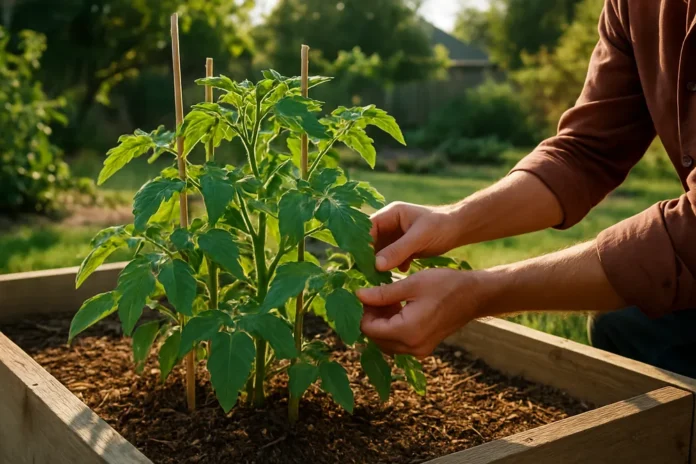
Tomato plants usually stop flowering because of too much heat, too little sun, excess nitrogen, or general stress. Some plants also simply are not mature enough yet, especially large indeterminate varieties.
A healthy tomato plant can look vigorous, green, and fast-growing while still refusing to bloom. When a plant has lush foliage but no flowers, the problem is usually not a mystery disease. More often, it comes down to temperature, light, fertilizer balance, pruning mistakes, container stress, or simple timing.
If your tomato is not flowering, the good news is that this issue is often fixable. Tomatoes are sensitive to their environment, and even one off-balance factor can delay blooms. Once conditions improve, many plants start setting flowers within a fairly short window.
In most home gardens, the goal is to figure out whether the plant is too young, too stressed, or too comfortable growing leaves instead of shifting into reproduction. The causes below will help you pinpoint what is happening and what to change.
The Most Common Reasons Tomato Plants Do Not Flower
Tomatoes flower when they have enough maturity, sunlight, and balanced growing conditions. When blooms are missing, the plant is usually responding to one or more common triggers rather than a rare problem.
- The plant is still too young or has not reached flowering size.
- Daytime or nighttime temperatures are outside the range tomatoes prefer.
- The plant gets less than 6 to 8 hours of direct sun.
- Fertilizer is too high in nitrogen, which pushes leafy growth.
- Container plants have restricted roots, dry soil, or uneven watering.
- Heavy pruning removed developing flower trusses.
- Transplant shock, pest pressure, or disease stress has delayed blooming.
- The variety is naturally late compared with early maturing tomatoes.
A tomato plant that is otherwise green and sturdy usually recovers once the main cause is corrected. If the foliage is also yellowing, curling, or stunted, look for a broader care problem affecting the whole plant.
Plant Age and Variety Timing Matter More than Many Gardeners Expect
Some Tomatoes Simply Are Not Ready Yet
Tomatoes do not all bloom at the same age. Small determinate or patio types often flower sooner than large indeterminate slicing tomatoes. If you started from seed, the plant may need several weeks of vegetative growth before it begins producing flower clusters.
Days to maturity on the seed packet or plant tag can help set expectations, though that number usually refers to transplanting time to harvest, not the exact moment blooms appear. Cool weather, cloudy weeks, and transplant stress can all push flowering later.
Indeterminate Plants Often Focus on Size First
Many indeterminate tomatoes put energy into stems and leaves before flowering heavily. This is especially true if they are planted into rich soil in spring. A tall plant with no blooms can still be normal if it is not yet mature and conditions have been mild but not ideal.
- Cherry and patio tomatoes usually bloom earlier.
- Large beefsteak types often take longer.
- Plants grown from small starts may pause after transplanting before resuming growth.
- Late planting can compress growth into hotter weather, which further delays bloom.
Temperature Problems Are One of the Biggest Causes
Tomatoes Need a Moderate Temperature Window to Bloom Well
Tomatoes perform best when days are warm and nights are mild. Prolonged cool weather can slow floral development, while intense heat can cause plants to pause flowering or drop tiny buds before they open.
In many parts of the U.S., gardeners run into trouble on both ends of the season. Early spring chills can stall young plants, and midsummer heat waves can interrupt flowering even when the plant otherwise looks healthy.
Heat Can Stop Flowers Before They Ever Appear
When daytime temperatures stay above about 90 degrees Fahrenheit, or nighttime temperatures remain above roughly 75 degrees, tomatoes may delay bloom production. The plant senses stressful reproductive conditions and shifts energy toward survival rather than flowering.
Cool Weather Can Keep Plants in Slow Motion
If nights regularly fall below about 55 degrees, tomato growth slows and flowering may lag. Soil that stays cool also reduces nutrient uptake, which can leave plants looking healthy enough but not active enough to bloom.
- Early season cold snaps delay maturity and first flower trusses.
- Hot patios, brick walls, and reflected heat can raise plant temperature beyond the air reading.
- Containers heat and dry faster than in-ground beds, making bloom delays more likely in summer.
- Heat stress is especially common in afternoon sun locations in the South and Southwest.
Too Much Nitrogen Can Give You Leaves Instead of Blooms
This is one of the most common reasons for large, dark green tomato plants with no flowers. Nitrogen drives vegetative growth. When a plant gets more nitrogen than it needs, it keeps making stems and leaves instead of switching strongly into flowering and fruiting.
How Excess Nitrogen Shows Up
- Very fast growth with thick stems
- Deep green leaves that look lush and soft
- Few or no visible flower trusses
- Plants that seem healthy but unproductive
This often happens when tomatoes are planted in beds heavily amended with manure, fed lawn fertilizer by accident, or given high-nitrogen liquid feeds too often. Fish emulsion and general-purpose fertilizers can also contribute if used repeatedly without regard to bloom stage.
Balanced Feeding Works Better for Flowering
Tomatoes do not need starvation to flower, but they do need balance. A fertilizer formulated for tomatoes or fruiting vegetables usually supplies moderate nitrogen with enough phosphorus and potassium to support flowering and fruit set.
If you suspect overfeeding, stop adding nitrogen-rich fertilizer and give the plant time to rebalance. You cannot force instant blooms, but new growth often becomes more cooperative once the plant is no longer being pushed into leafy expansion.
Not Enough Direct Sunlight Can Delay or Prevent Blooming
Tomatoes are full-sun plants. They may survive in bright partial shade, but survival is not the same as flowering well. A plant that gets less than 6 hours of direct sun often becomes leggy, slow, and reluctant to set buds.
Common Light Problems in Home Gardens
- Nearby trees leaf out and suddenly reduce summer sun.
- Fences or houses block afternoon light.
- Balcony or patio containers get bright light but little true direct sun.
- Plants are spaced too closely and shade each other.
Morning sun alone may not be enough for heavy flowering on larger varieties. In many climates, 8 or more hours of direct sunlight produces the strongest flowering response, especially for indeterminate plants expected to fruit over a long season.
If your plant is stretching upward with long gaps between leaves and little branching, light is a strong suspect. No fertilizer can make up for a spot that is simply too shady for tomatoes.
Water Stress, Root Stress, and Container Issues Can Postpone Blooms
Inconsistent Moisture Confuses Tomato Plants
Tomatoes need steady soil moisture to move from leafy growth into bloom and fruit production. Severe dry-downs followed by heavy watering create stress cycles that can delay flowering. Constant sogginess can do the same by starving roots of oxygen.
Containers Magnify Stress Fast
Potted tomatoes often struggle to flower because root zones heat up, dry out, and become crowded faster than in-ground plants. A large tomato in a small pot may stay alive but remain too stressed to bloom well.
- Small containers dry out by midday.
- Dark pots overheat in strong summer sun.
- Poor drainage leads to constantly wet roots.
- Rootbound plants devote energy to survival, not reproduction.
Most full-size tomatoes do best in containers of at least 10 gallons, and larger is often better. Mulch, regular watering, and a quality potting mix help reduce the stress swings that interfere with flower production.
Transplant Shock Can Briefly Reset the Plant
After transplanting, tomatoes may pause while roots reestablish. If the plant went into cold soil, was planted out too early, or had roots disturbed heavily, flowering can be delayed for a few weeks even if the foliage later improves.
Pruning, Pests, and Disease Can Also Interfere with Flowering
Overpruning Can Remove Flower Trusses
Tomatoes benefit from selective pruning, but too much can delay production. New gardeners sometimes remove suckers aggressively, not realizing some varieties can fruit heavily on those stems. In other cases, developing flower clusters are accidentally pinched off.
Pruning also temporarily shifts the plant back toward regrowth. If you cut a lot of foliage at once, the plant may spend valuable time replacing leaves instead of blooming.
Pests and Disease Create Hidden Stress
Tomatoes under attack from aphids, spider mites, whiteflies, or foliar disease may delay flowering because they are diverting energy into defense and repair. The same is true for root-knot nematodes or root diseases that weaken the plant below the soil line.
- Leaves curl, stipple, or yellow from sap-sucking pests.
- Lower foliage spots and drops from fungal disease.
- Plants wilt despite moist soil because roots are compromised.
- Stem injury from wind or tying can slow bloom development.
If the plant is not just bloomless but also visibly declining, solve the stress issue first. Flowering usually returns only after the plant regains vigor.
How to Encourage a Tomato Plant to Start Flowering
You do not need complicated tricks to get tomatoes to bloom. The best results come from correcting the growing conditions that most often delay flowering.
- Give the plant full sun, ideally 6 to 8 or more hours of direct light.
- Use a balanced tomato fertilizer instead of a high-nitrogen feed.
- Water deeply and consistently so soil stays evenly moist, not bone dry or soggy.
- Mulch around in-ground plants to moderate soil temperature and moisture.
- Move container plants to a larger pot if roots are crowded.
- Avoid heavy pruning until flowers are actively forming.
- Be patient if weather has been unusually cool or hot, since flowering often resumes when temperatures moderate.
What Not to Do
- Do not keep adding more fertilizer hoping to force flowers.
- Do not let containers swing between drought and flooding.
- Do not prune every sucker off just because the plant looks dense.
- Do not assume a green plant is automatically a well-balanced plant.
Once a tomato plant reaches the right maturity and receives steady care, flowering often starts naturally. In many cases, the fix is less about doing more and more about removing the factor that is holding the plant back.
When No Flowers Are Normal and when to Worry
A tomato plant with no blooms is not always in trouble. If it was planted recently, is still building size, or has gone through a stretch of poor weather, a delay can be normal. Many plants catch up once they settle in.
You should look more closely if the plant is very large, growing for weeks in warm weather, and still has no visible flower trusses. The same is true if the foliage is unusually dark and lush from likely nitrogen excess, or if the plant appears stressed, pale, stunted, or pest-damaged.
- Usually normal: recently transplanted plants, early season cool spells, slow-maturing varieties
- More concerning: months of leafy growth with no buds, heavy shade, repeated overfeeding, severe heat or root stress
- Needs fast attention: wilting, yellowing, disease spotting, or clear insect infestations along with no flowers
FAQ
How Long Does It Take for a Tomato Plant to Start Flowering?
It depends on the variety and growing conditions. Many tomato transplants begin flowering within a few weeks after planting, while larger indeterminate types can take longer, especially in cool weather or after transplant shock.
Can Too Much Fertilizer Stop Tomatoes From Flowering?
Yes. Too much nitrogen is a classic reason tomatoes grow lots of leaves and stems but few or no flowers. A fertilizer made for tomatoes or fruiting vegetables is usually a better choice than a high-nitrogen feed.
Will Tomatoes Flower in Partial Shade?
They might produce some flowers in partial shade, but bloom production is usually much lower. Tomatoes perform best in full sun, and low light is a common cause of delayed flowering.
Why Is My Tomato Plant Tall and Green but Has No Flowers?
That usually points to excess nitrogen, not enough sun, or a plant that is still maturing. Heat stress can also cause a vigorous-looking plant to delay flowering.
Can Hot Weather Keep Tomatoes From Flowering?
Yes. Extended high heat, especially very warm nights, can slow or pause flower production. Tomatoes often resume flowering when temperatures become more moderate.
Should I Prune a Tomato Plant That Is Not Flowering?
Only lightly, if at all. Heavy pruning can delay flowering and may remove developing flower trusses. Focus first on sunlight, fertilizer balance, and steady watering.
Do Container Tomatoes Have More Trouble Flowering?
They can. Containers dry out, heat up, and become rootbound faster than garden beds. A pot that is too small or dries frequently can delay blooming.
Can a Tomato Plant Recover and Start Flowering Later?
Yes. If the main problem is corrected and the plant is otherwise healthy, tomatoes often begin flowering once stress eases and conditions improve.
Need help turning leafy tomato plants into productive ones? Read our guide to the best tomato fertilizers and bloom-boosting care tips so you can get more flowers and more fruit this season.
