

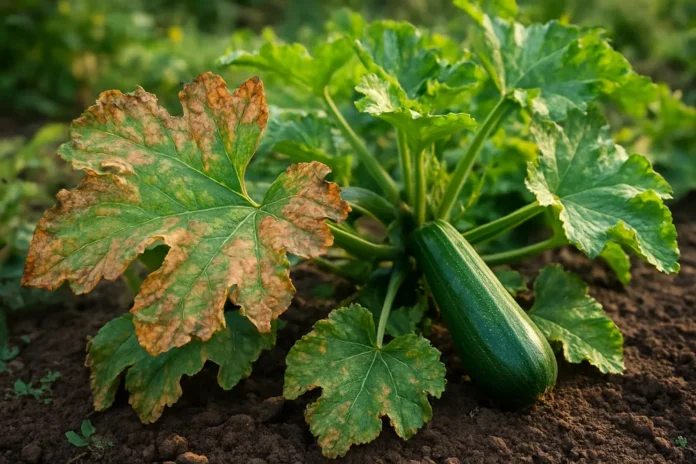
Zucchini leaves usually turn brown because of watering stress, fungal disease, sun scorch, pest damage, or normal aging on older leaves. The exact cause depends on whether the browning starts at the edges, in spots, or across whole leaves.
When zucchini leaves turning brown show up in the garden, it can be hard to tell whether you are looking at a small, fixable issue or the start of a bigger problem. I have seen zucchini go from lush and productive to ragged-looking in just a week during hot, humid weather, but I have also seen a few brown leaves mean nothing more than an older leaf reaching the end of its useful life.
The key is not just noticing that the leaves are brown, but noticing how they are turning brown. Crispy edges point in a different direction than tan spots, scorched patches, or leaves that yellow first and then collapse. Once you match the browning pattern to the likely cause, the right fix gets much easier.
Below, I will walk through the most common reasons zucchini foliage browns, how I sort them out in a home garden, and what usually helps the plant recover or at least keep producing.
What Brown Zucchini Leaves Usually Mean
Brown leaves are a symptom, not a diagnosis. In zucchini, browning most often comes from uneven moisture, leaf diseases, intense heat or sun exposure, pest feeding, chemical burn, or simple age. Sometimes more than one factor is involved. A plant that is already stressed by dry soil, for example, is more likely to show damage quickly when disease or insects arrive.
Zucchini grows fast and has large, moisture-hungry leaves, so it reacts visibly when conditions swing. That can be helpful, because the foliage often tells you what happened before fruit production really suffers. If you catch the problem while the center of the plant is still pushing fresh green leaves, you usually have a good chance of keeping the harvest going.
- Brown, crispy margins often suggest drought stress, heat stress, fertilizer burn, or salt buildup
- Round or irregular brown spots can point to fungal or bacterial leaf disease
- Leaves that yellow first, then brown and die back, often indicate root stress, overwatering, or natural aging
- Bleached tan patches may come from sun scorch or spray burn
- Browning with stippling, holes, or webbing can be linked to insect damage
Common Causes of Brown Zucchini Leaves
Underwatering and Heat Stress
Zucchini wilts dramatically in hot weather, and if the soil stays too dry, the leaves can develop brown edges or dry patches. This often starts on the oldest, largest leaves because the plant cannot keep enough moisture moving to all that foliage. In a heat wave, a plant may droop in the afternoon and rebound by evening, but repeated stress can leave permanent browning behind.
If the plant perks up after watering and the new growth stays healthy, dryness was likely a major part of the problem. Dry soil is especially common in raised beds, containers, and sandy ground, where moisture drains fast.
Overwatering and Root Stress
Too much water can also lead to brown leaves, though it usually starts with yellowing, limp foliage, or a generally dull look. When roots sit in soggy soil, they struggle to take up oxygen and nutrients. Damaged roots can no longer support those big leaves, and browned areas follow.
This is common in heavy clay soil, low spots in the garden, or beds that get watered daily whether they need it or not. If the base of the plant stays wet for long periods, rot organisms also become more likely.
When I am deciding between too little water and too much, I do not look at the leaf first. I push a finger several inches into the soil and check the plant’s newest growth. Brown older leaves with damp, stale-smelling soil usually point me toward root stress rather than simple thirst.
Fungal Leaf Diseases
Several fungal diseases can make zucchini leaves turn brown. Alternaria leaf blight, anthracnose, and other leaf spot problems often begin as small dark or tan lesions that enlarge over time. In humid conditions, spots can merge until large parts of the leaf dry out and die.
Powdery mildew is another common zucchini issue. Although it starts white rather than brown, badly infected leaves eventually yellow, crisp, and turn brown. If you see a white dusty coating before the browning sets in, powdery mildew is a strong suspect.
Bacterial Leaf Problems
Bacterial diseases can create angular brown lesions, especially where leaf veins limit the spread of the spots. These areas may look water-soaked at first, then dry to tan or brown. Splashing water, crowded plants, and warm weather make bacterial spread easier.
Bacterial issues tend to move quickly when leaves stay wet overnight. If the plant is dense and airflow is poor, the browning can spread from leaf to leaf fast.
Sun Scorch and Sudden Exposure
Zucchini loves sun, but leaves can still scorch if the plant goes through drought, transplant shock, or sudden exposure after being started in shade or a protected area. Scorched tissue often looks pale, papery, or bleached at first, then turns tan and brown.
This kind of damage usually appears on the most exposed surfaces, not deep inside the plant. It can also happen after pruning away too many leaves and suddenly exposing lower foliage that was previously shaded.
Pest Feeding
Spider mites, squash bugs, aphids, and cucumber beetles can all contribute to browning. Spider mites cause fine stippling that can progress to bronzed or brown leaves, especially in hot, dry conditions. Squash bugs suck sap, leaving yellow specks that later turn brown and crispy. Heavy infestations weaken the whole plant.
Insect damage rarely looks perfectly uniform. You may see speckling, chewing, clusters of eggs, sticky residue, webbing, or insects hiding on the undersides of leaves.
Fertilizer Burn or Chemical Injury
If you recently fertilized heavily or sprayed a foliar product, herbicide, insecticidal soap, or even a homemade mix, brown leaf edges or blotches may be the result. This kind of injury can show up quickly and often affects the areas most directly contacted by the spray or salt-heavy product.
I see this most often when liquid products are applied during hot sun, when fertilizer granules touch wet leaves, or when drift from lawn weed killers reaches the vegetable bed.
Normal Aging of Older Leaves
Not every brown leaf is a warning sign. Zucchini naturally sheds some of its oldest leaves as the plant gets larger and shifts energy into flowering and fruiting. These lower leaves may yellow, decline, and eventually brown while the center of the plant stays vigorous.
If only a few older outer leaves are affected and the new leaves look healthy, this is usually normal. You can prune away the damaged leaves to improve airflow and keep the plant tidier.
How to Tell Which Cause You Are Dealing With
The fastest way to narrow this down is to look for patterns instead of staring at one damaged leaf. Check where the browning starts, whether it affects old or new growth first, what the soil feels like, and whether the plant shows any signs of insects or mildew.
- Brown edges with dry soil and midday wilting suggest underwatering or heat stress
- Yellowing followed by browning in soggy soil suggests overwatering or root trouble
- Small distinct spots that spread after humid weather suggest leaf disease
- White powder followed by browning strongly suggests powdery mildew
- Speckling, bronzing, or sticky leaves point toward pest feeding
- Large bleached patches on exposed leaves suggest scorch or spray injury
- Only outer, older leaves declining while the center stays green usually means aging
Also look at the stems and crown. If the whole plant looks collapsed from the center, you may be dealing with more than a leaf issue, such as crown rot or squash vine borer damage. Brown leaves caused by simple stress usually do not make the base of the plant mushy or hollow.
I like to compare three leaves before making a call: one old outer leaf, one middle leaf, and one fresh inner leaf. If the newest leaves are clean and green, the problem is often older stress or aging. If the newest leaves are already marked, act faster because the issue is still active.
What to Do Right Now to Help Your Zucchini Recover
Correct Watering First
Give zucchini consistent moisture rather than frequent shallow sprinkles. Most plants do best with deep watering that moistens the root zone, followed by enough time for the upper soil surface to dry slightly. The goal is evenly moist soil, not constantly wet soil.
Water at the base of the plant early in the day if possible. This reduces leaf wetness and helps lower the risk of fungal and bacterial disease.
Remove Badly Damaged Leaves
Brown tissue does not turn green again. If a leaf is mostly dead, heavily spotted, or lying on damp soil, prune it off with clean pruners. This improves airflow and helps you see new symptoms more clearly.
Do not strip the plant bare. Leave enough healthy foliage to support fruit production and protect developing zucchini from sunburn.
Address Disease Pressure
If disease is the likely cause, remove the worst leaves, avoid overhead watering, and increase spacing or airflow where you can. For powdery mildew or recurring fungal leaf spots, gardeners often use labeled organic or conventional fungicides, but these work best when started early and used as directed. Severely infected leaves rarely recover.
Dispose of diseased foliage rather than leaving it around the plant. In many home gardens, sanitation does more good than repeatedly spraying once the damage is advanced.
Control Insects if They Are Present
Check the undersides of leaves for eggs, nymphs, mites, and clusters of pests. Hand-pick squash bugs when numbers are low, crush egg masses, and rinse aphids off with water. If you use insecticidal soap, neem, or another labeled treatment, spray carefully and avoid applying in the hottest part of the day.
For spider mites, moisture stress makes the problem worse, so regular watering helps alongside treatment. For squash bugs, early intervention is much easier than trying to rescue a heavily infested mature plant.
Pause Extra Fertilizer Unless the Plant Is Clearly Hungry
Brown leaves tempt gardeners to feed the plant, but more fertilizer is not always better. If salt buildup or root stress is involved, extra feeding can make the damage worse. Only fertilize if the plant also shows signs of nutrient deficiency and the soil is otherwise in good shape.
When a zucchini looks rough, I try to change only one or two things first, usually watering and cleanup. If you prune, feed, spray, and soak all at once, it gets much harder to tell what actually helped and what may have added more stress.
How to Prevent Brown Leaves Later in the Season
A few prevention habits make a big difference with zucchini because the plants grow so fast and create such dense canopies. Prevention will not stop every problem, but it lowers stress and makes outbreaks less severe.
- Water deeply and consistently rather than on a rigid daily schedule
- Mulch around the plant to keep soil moisture even and reduce splash-up
- Space plants generously for airflow
- Water the soil, not the leaves
- Inspect the undersides of leaves weekly for pests and eggs
- Remove aging or diseased leaves promptly
- Avoid overfertilizing, especially with high-salt products
- Rotate squash-family crops when possible to reduce disease carryover
If powdery mildew is a yearly issue in your area, resistant varieties are worth seeking out. They do not stay perfect forever, but they often hold usable foliage much longer into summer.
When Brown Leaves Are a Serious Warning
Some browning is cosmetic, but certain signs tell you the plant may be in real trouble. If the center of the plant is collapsing, the stem base is mushy, leaves are dying rapidly from top to bottom, or fruit production stops while the plant declines fast, look beyond ordinary leaf stress.
At that point, root rot, crown rot, squash vine borer damage, or a severe disease outbreak may be involved. A zucchini plant in this condition may not bounce back, and removing it can sometimes protect nearby healthy plants from pests or disease spread.
- The newest leaves are browning as soon as they emerge
- The crown or stem base is soft, cracked, or foul-smelling
- You find frass or sawdust-like material near the stem, which can indicate vine borer activity
- Most leaves are covered in spots or mildew and fruiting has sharply declined
- The plant wilts even when the soil is moist
FAQ
Should I Cut Off Brown Zucchini Leaves?
Yes, if the leaves are mostly dead, badly diseased, or lying on the soil. Leave enough healthy foliage for the plant to keep growing and to shade developing fruit.
Can Overwatering Make Zucchini Leaves Turn Brown?
Yes. Overwatering often starts with yellowing or limp leaves, then leads to brown decline as roots struggle in soggy soil.
Why Are Only the Edges of My Zucchini Leaves Turning Brown?
Brown edges usually point to moisture stress, heat stress, salt buildup, or fertilizer burn. It is less typical of spotted leaf diseases, which usually start as separate lesions.
Will Brown Zucchini Leaves Turn Green Again?
No. Brown tissue is dead and will not recover. Focus on stopping the cause and watching for healthy new growth.
Is Powdery Mildew the Reason My Zucchini Leaves Are Turning Brown?
It can be. Powdery mildew begins as a white coating, then affected leaves often yellow, dry out, and turn brown as the infection worsens.
Can Zucchini Still Produce if Some Leaves Are Brown?
Usually yes, as long as the center of the plant is still producing healthy leaves and the roots and crown are in decent shape. Many zucchini plants keep fruiting well after losing a few older leaves.
Does Hot Weather Cause Brown Zucchini Leaves?
Yes, especially when heat combines with dry soil or reflected sun from pavement, walls, or containers. Heat stress often shows up as wilting first, followed by scorched or crispy browning.
Want the fastest path to healthier squash plants and better harvests? Read our zucchini care and treatment guides to choose the best watering tools, disease controls, and pest solutions before the damage spreads.
